Indian Culinary Delights: Biryani, Paneer, Dosa, and Traditional Sweets
When you think of Indian culinary delights, a rich tapestry of flavors built on milk, spices, and time-honored techniques. Also known as traditional Indian food, it’s not just about spice—it’s about balance, patience, and family. At the heart of this cuisine are dishes like biryani, a layered rice dish cooked slow and steady, often with yogurt and saffron, and paneer, fresh cheese made by curdling milk with lemon juice or vinegar. Then there’s dosa, a crispy fermented crepe made from rice and lentils, and Indian sweets, like gulab jamun and rasgulla, made with milk solids, sugar, and cardamom. These aren’t just recipes—they’re rituals passed down through generations.
Why does your dosa batter turn sour? Why does paneer need lemon juice and not vinegar? Why is biryani often served with raita? These questions aren’t random—they’re the keys to cooking better. You’ll find clear answers here, no fluff, no guesswork. Whether you’re making your first batch of paneer or trying to fix a soggy dosa, the posts below give you the exact steps, science, and shortcuts real Indian kitchens use.
What you’ll find here isn’t just a list of recipes—it’s a guide to cooking with confidence, using ingredients you already have, and understanding why things work the way they do.
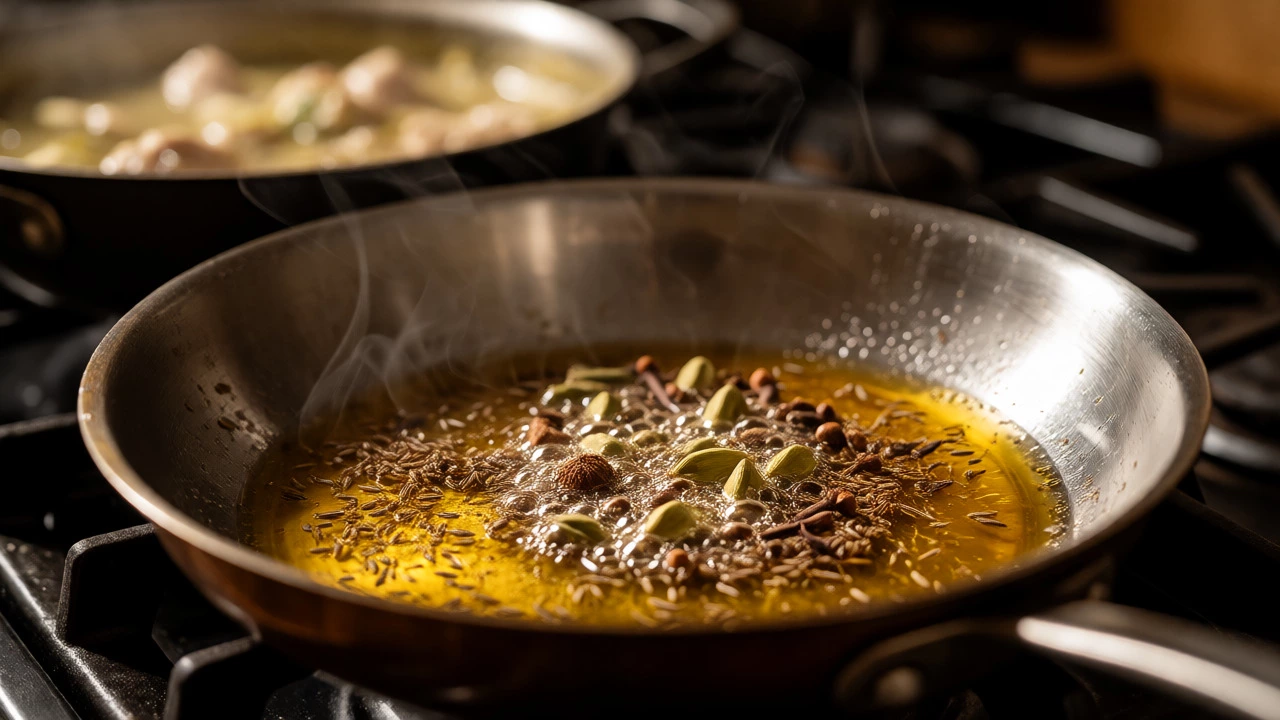
How to Spice Up a Bland Chicken Curry: 7 Chef-Approved Fixes
Is your chicken curry tasting flat and watery? Discover 7 chef-approved techniques to rescue bland curries, from blooming spices and balancing acidity to boosting umami and improving texture.
Read More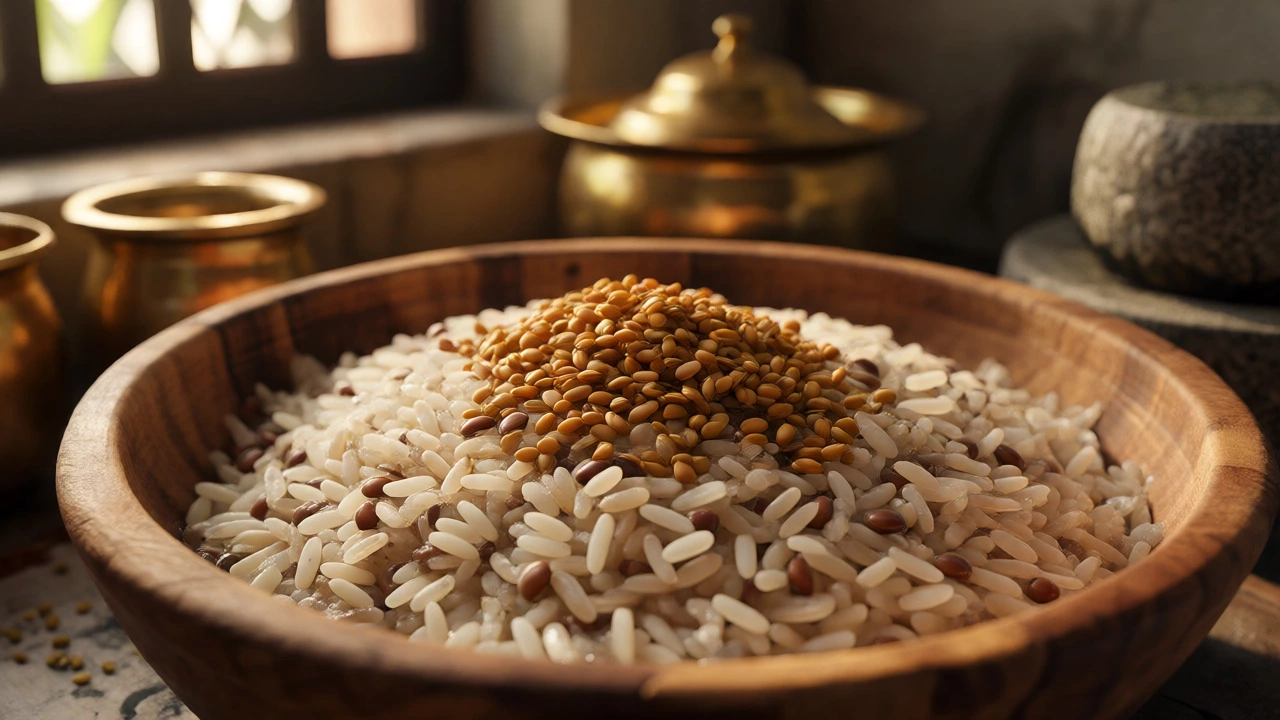
Why is Fenugreek Added to Dosa Batter? Science & Tips
Discover why fenugreek is essential for perfect dosa batter. Learn how methi seeds boost fermentation, enhance texture, and improve nutrition for better results.
Read More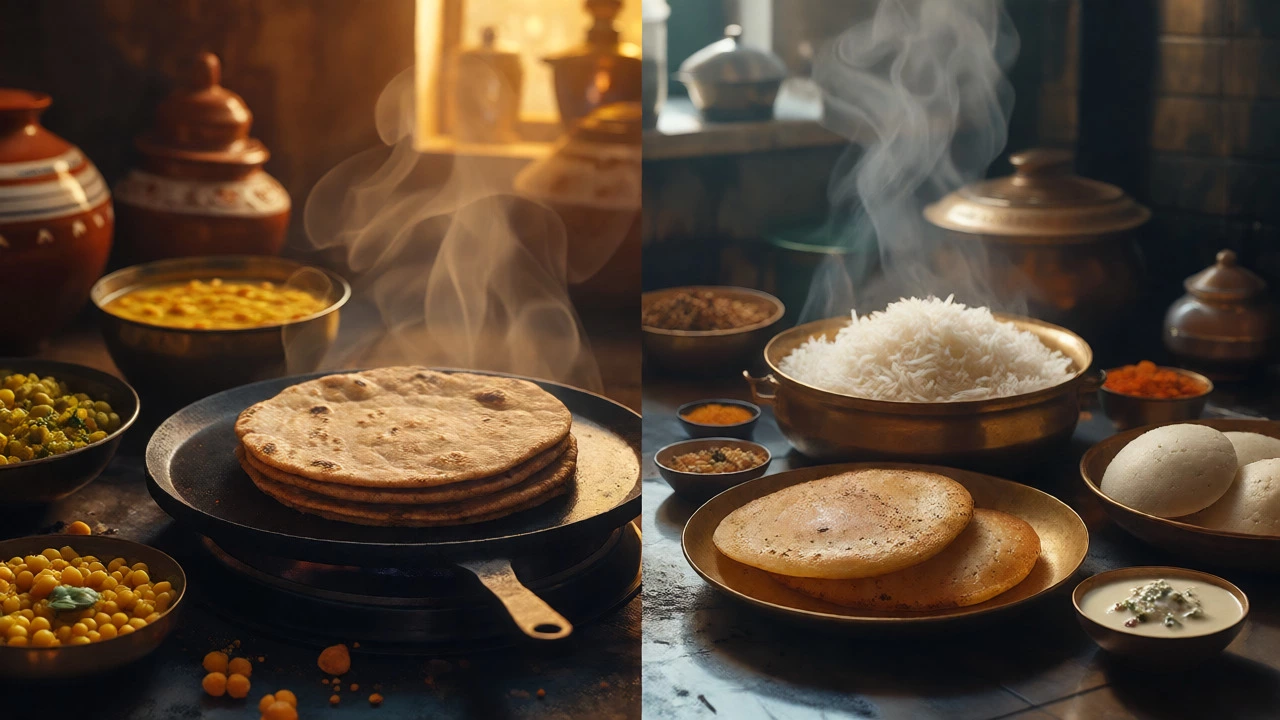
What is the Most Eaten Food in India? Rice, Roti, and Beyond
Discover what Indians really eat every day. It's not just Biryani! Learn about the North-South divide between Wheat and Rice, the importance of Dal, and why street food like Chai and Samosas define daily snacking habits.
Read More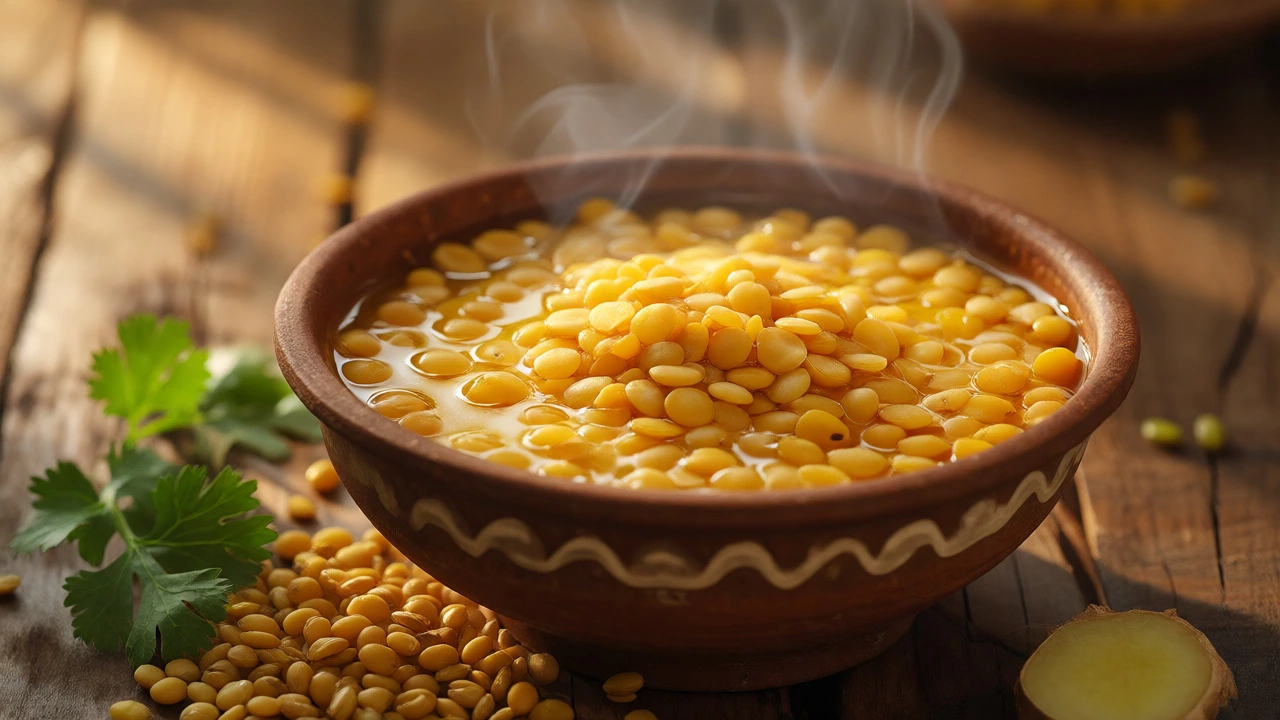
Is Dal Anti-Inflammatory? The Science Behind Your Favorite Comfort Food
Discover if dal is truly anti-inflammatory. We explore the science behind lentils, turmeric, and gut health to explain how this Indian staple fights chronic inflammation.
Read More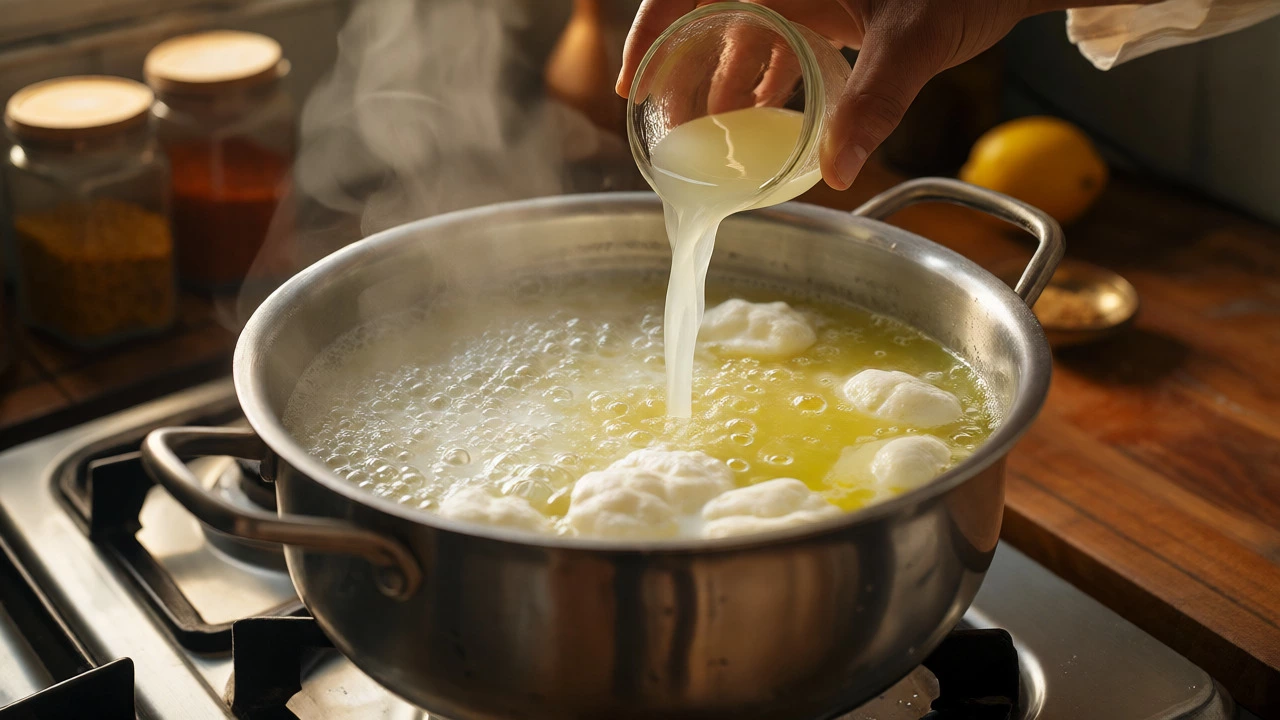
Is Paneer Just Ricotta? Key Differences Explained
Discover why paneer and ricotta are not interchangeable despite both being fresh cheeses. Learn about their distinct production methods, textures, and culinary uses.
Read More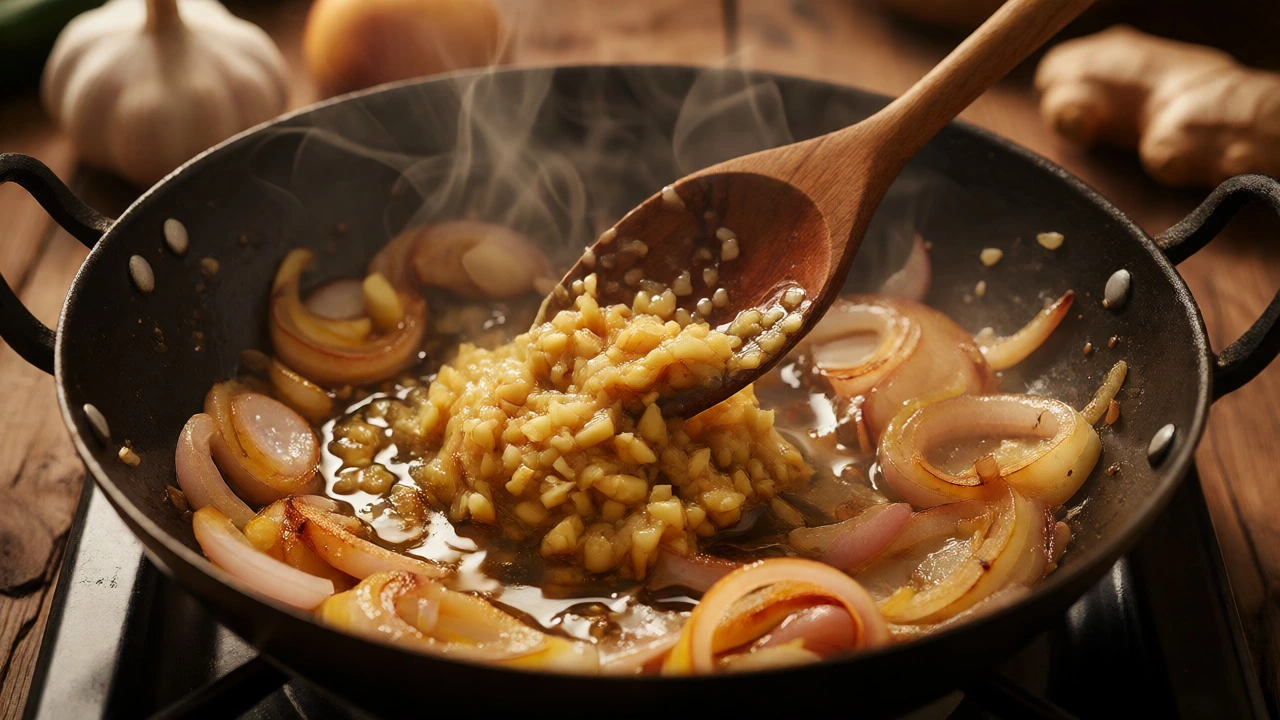
When to Add Garlic and Ginger to Curry: Timing Tips for Chicken Recipes
Stop ruining your chicken curry! Learn the exact timing for adding garlic and ginger to avoid bitterness and maximize flavor depth in your Indian cooking.
Read More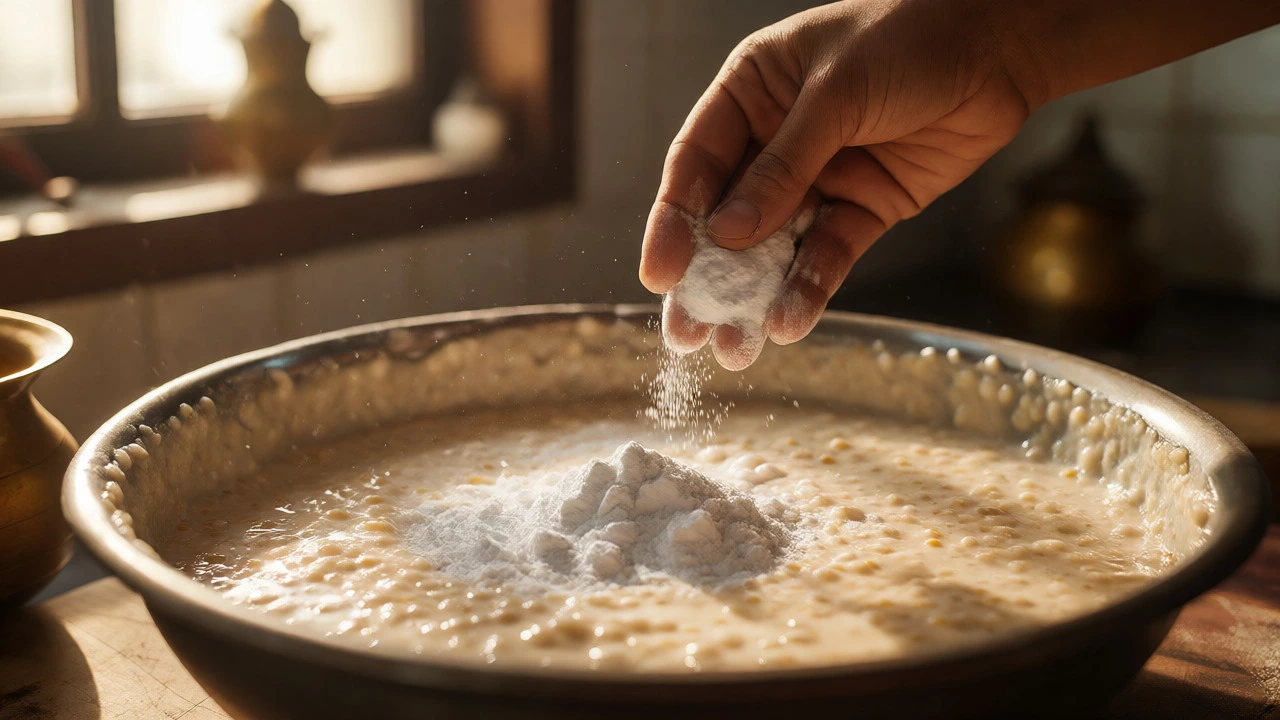
Why Do We Add Soda to Dosa Batter? The Science of Crispy Dosas
Discover why soda is added to dosa batter, comparing its effects on texture versus natural fermentation. Learn the correct timing, quantities, and alternatives like Eno or yeast to achieve either crispy or fluffy dosas every time.
Read More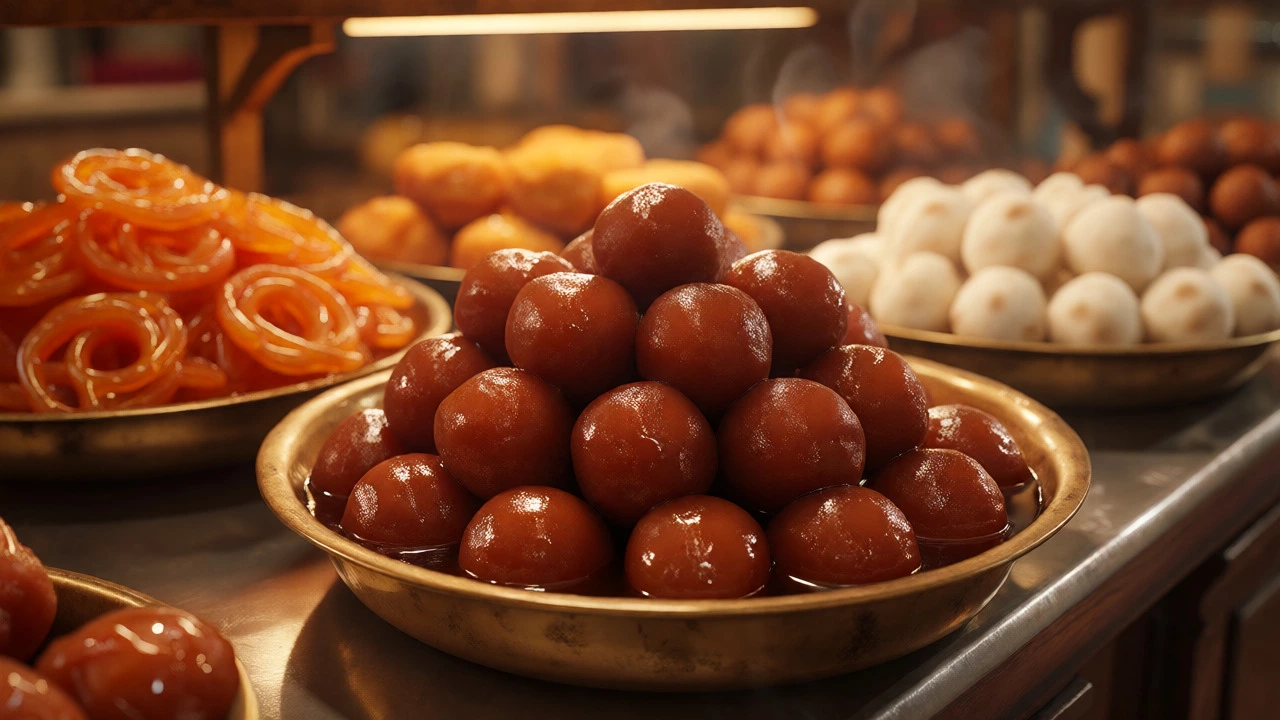
What is India's Number One Famous Food? A Guide to Iconic Indian Sweets
Discover why Gulab Jamun is widely considered India's number one famous food. We compare it with Rasgulla and Jalebi, explain its cultural significance, and provide tips for making authentic sweets at home.
Read More
Can You Eat Chutney By Itself? A Guide to Solo Snacking
Discover if eating chutney by itself is healthy. We compare sweet vs. savory options, highlight hidden sugars, and share tips for enjoying this Indian condiment as a solo snack.
Read More
What is the National Sweet of India? The Truth Behind Gulab Jamun
Discover the truth behind India's national sweet. Learn why Gulab Jamun, Rasgulla, and Laddu compete for the title and explore regional delicacies.
Read More
What is the Main Ingredient in Most Indian Sweets? The Secret to Khoya
Discover why khoya (milk solids) is the secret ingredient in most Indian sweets. Learn the difference between khoya, mawa, and paneer, plus tips for making authentic mithai.
Read More
Are Apples in India Safe to Eat? Pesticides, Wax & Washing Tips
Worried about pesticides on apples in India? Learn the truth about wax, residue limits, and effective washing techniques to keep your fruit safe.
Read More