Tandoor Oven Seasoning Calculator
How Often Should You Season?
This tool calculates when you should season your tandoor oven based on your usage frequency and oven condition.
Total time required
When to season
When it comes to making authentic tandoor oven a traditional clay oven used for high-heat cooking in Indian and South Asian cuisine dishes like tandoori chicken, the tandoor oven seasoning process is everything. A properly seasoned tandoor oven doesn’t just cook food-it transforms it. Without proper seasoning, your oven might crack, smoke excessively, or fail to reach the right temperature. Let’s walk through exactly how to do it right.
Why Seasoning Your Tandoor Oven Matters
Think of seasoning like breaking in a new pair of shoes. You wouldn’t wear them for a marathon on day one. A tandoor oven made of clay needs time to adjust to intense heat. If you skip seasoning, the sudden temperature change can cause cracks. Worse, unseasoned clay absorbs moisture from food, making your tandoori chicken dry and unevenly cooked. Proper seasoning creates a protective layer that seals the clay, improves heat retention, and prevents smoke or off-flavors. For home cooks, this means restaurant-quality results without professional equipment.
What You’ll Need
Don’t overcomplicate this. You only need three things:
- mustard oil a high-smoke-point oil traditionally used for seasoning tandoor ovens (about 1 cup)
- Water (for cleaning)
- Cotton cloth or old T-shirt (for applying oil)
No fancy tools required. Avoid vegetable oils-they burn too easily at high temperatures. Mustard oil is the gold standard because it has a high smoke point (around 400°F/204°C) and creates a durable coating. If you can’t find mustard oil, coconut oil works as a second choice, but it won’t last as long.
Step-by-Step Seasoning Process
Follow these steps carefully. Rushing this will ruin your oven.
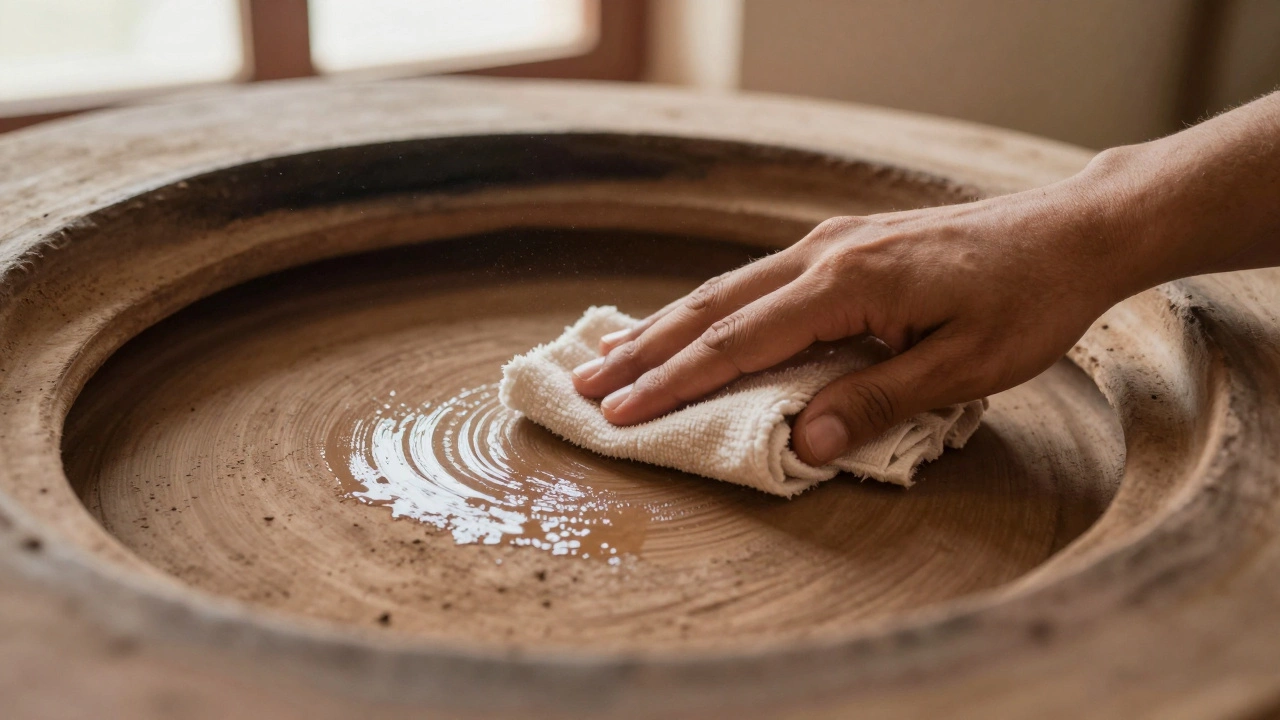
- Clean the oven-Wipe the inside with a damp cloth to remove dust or debris. Never use soap. Clay is porous and absorbs chemicals.
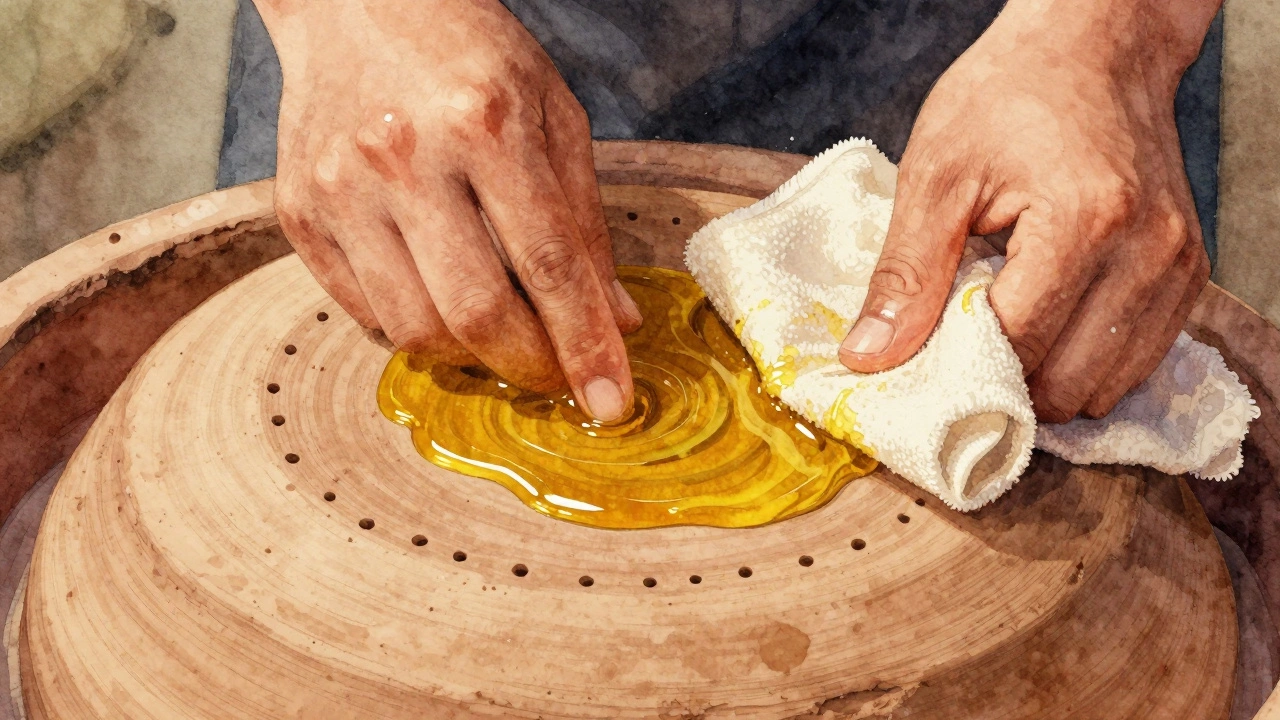
- Apply mustard oil-Soak the cloth in mustard oil. Rub it generously inside the oven, covering every surface. Pay extra attention to cracks or rough spots.
- Let it sit-Wait 2 hours for the oil to soak in. This step is non-negotiable. Skipping it means the oil won’t penetrate the clay properly.
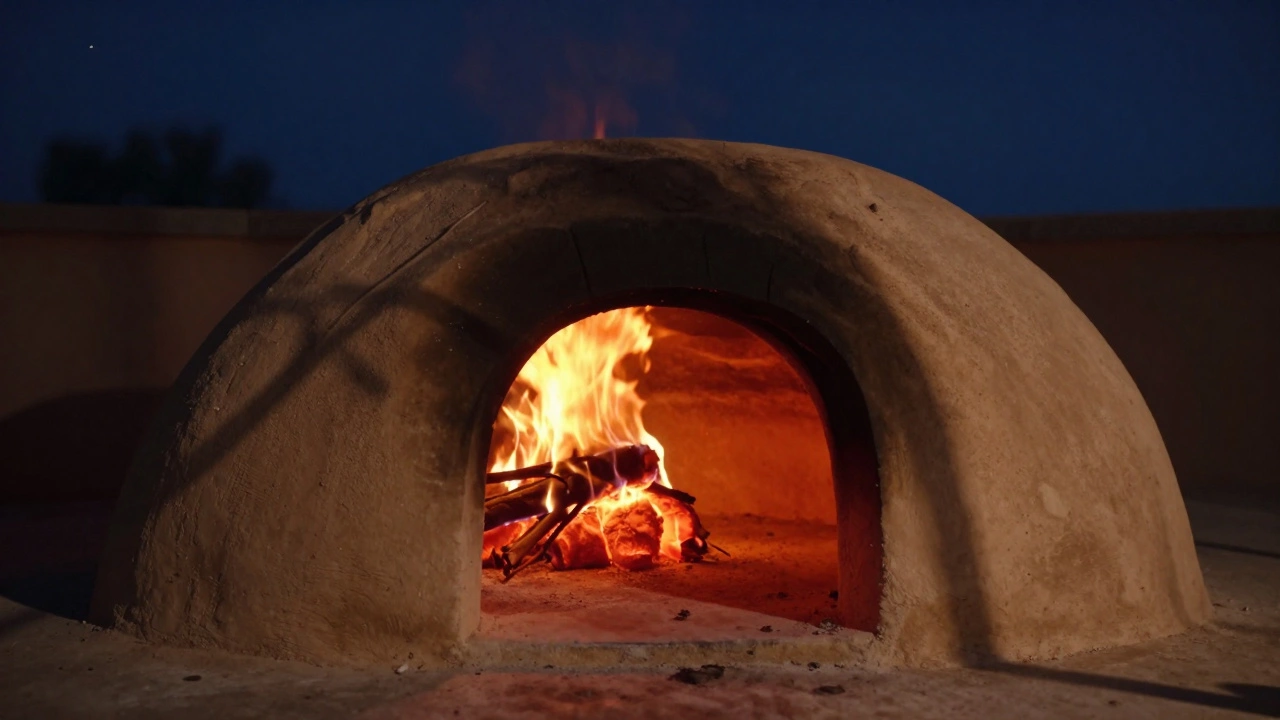
- Low-heat cure-Light a small fire using dry twigs or charcoal. Keep the temperature below 250°F (121°C) for 1 hour. This slowly dries the oil into the clay without stressing it.
- Medium-heat cure-Increase the heat to 350°F (177°C) for another hour. You should see light smoke, which is normal. This hardens the oil layer.
- Cool completely-Let the oven cool to room temperature before using. This takes 6-8 hours. Never rush cooling-sudden temperature changes cause cracks.
How Often to Season Your Tandoor Oven
You don’t need to season it every time you cook. But here’s when to do it:
- Before first use (always)
- After every 10-15 uses
- If you notice cracking or excessive smoking
- After cleaning with water (if the oven got wet)
For home cooks who use their tandoor weekly, a monthly seasoning keeps it in top shape. Commercial kitchens might need it more often due to constant use. Always check the oven’s condition-cracks or sticky residue are clear signs it’s time to reseason.
Common Mistakes to Avoid
Even experienced cooks mess up seasoning. Here’s what to watch for:
- Using soap or chemicals-This damages the clay’s porous structure. Only use water for cleaning.
- Skipping the slow-cure phase-Jumping straight to high heat causes cracks. Patience is key.
- Using the wrong oil-Olive oil or canola oil burns at tandoor temperatures, leaving a sticky residue.
- Not letting it cool fully-Using the oven while still warm stresses the clay and leads to cracks.
One pro tip: After seasoning, store the oven covered with a dry cloth. Moisture from the air can weaken the seal over time.
Troubleshooting Common Issues
Even with care, problems can happen. Here’s how to fix them:
- Cracks-Small hairline cracks are normal and can be sealed by reseasoning. For larger cracks, mix clay powder with water into a paste, apply it to the crack, then reseason the entire oven.
- Excessive smoking-This means the oil layer isn’t fully cured. Repeat the low-heat phase (250°F for 1 hour) before moving to higher heat.
- Food sticking-A poorly seasoned oven will cause this. Reapply mustard oil and go through the curing process again.
Remember: Tandoor ovens are durable. With proper care, they last decades. Don’t panic over small issues-most can be fixed with a quick reseason.
How often should I season my tandoor oven?
Season before first use, after every 10-15 cooking sessions, or whenever you see cracks or smoke. For home cooks using it weekly, once a month is ideal. Always check the oven’s condition-smoke or sticking food means it’s time to reseason.
Can I use vegetable oil instead of mustard oil?
Avoid vegetable oils like canola or soybean. They burn at tandoor temperatures (above 400°F/204°C), leaving sticky residue that ruins the oven’s surface. Mustard oil is ideal because it has a high smoke point and creates a durable seal. Coconut oil is a backup option but won’t last as long.
What if my tandoor oven cracks during seasoning?
Small hairline cracks are normal and can be sealed by reseasoning. For larger cracks, mix clay powder with water into a paste, apply it to the crack, then go through the full seasoning process again. Never use glue or epoxy-this will contaminate your food.
How long does the seasoning process take?
The entire process takes about 10-12 hours. This includes 2 hours for oil soaking, 2 hours of heating (1 hour at low heat, 1 hour at medium heat), and 6-8 hours for cooling. Rushing any step risks cracks or poor performance.
Is seasoning necessary for new tandoor ovens?
Yes! New clay ovens are extremely fragile. They absorb moisture from the air and food, which causes cracking when heated. Seasoning creates a protective layer that prevents this. Skipping it will ruin your oven before you even cook your first dish.
Can I use the oven immediately after seasoning?
No. After the final heating phase, let the oven cool completely to room temperature-this takes 6-8 hours. Using it while warm stresses the clay and causes cracks. Patience is critical for long-term durability.
What temperature should I use for seasoning?
Start at 250°F (121°C) for the first hour to slowly dry the oil into the clay. Then increase to 350°F (177°C) for the second hour. Never exceed 400°F (204°C) during seasoning-this is when oils burn and cracks form. Always use a thermometer to monitor the temperature.
How do I know if the seasoning is complete?
After cooling, wipe the inside with a dry cloth. If the surface feels smooth and doesn’t leave oil residue, it’s ready. Test it by heating the oven empty for 15 minutes. If there’s no smoke or odd smells, the seasoning is successful. For tandoori chicken, the first cook should have even browning without sticking.