Roti Dough Hydration Calculator
Input Parameters
Key Insights
Water should feel like a warm bath - not hot enough to burn
Resting time is critical - never skip this step!
Results
Ever made roti that turned out tough, cracked, or stuck to the rolling pin? You’re not alone. Most people think it’s about the flour or the heat of the tawa-but the real secret to soft dough isn’t in the pan or the flame. It’s in the water. Not just any water. The right amount, at the right temperature, mixed with patience.
It’s Not About the Flour
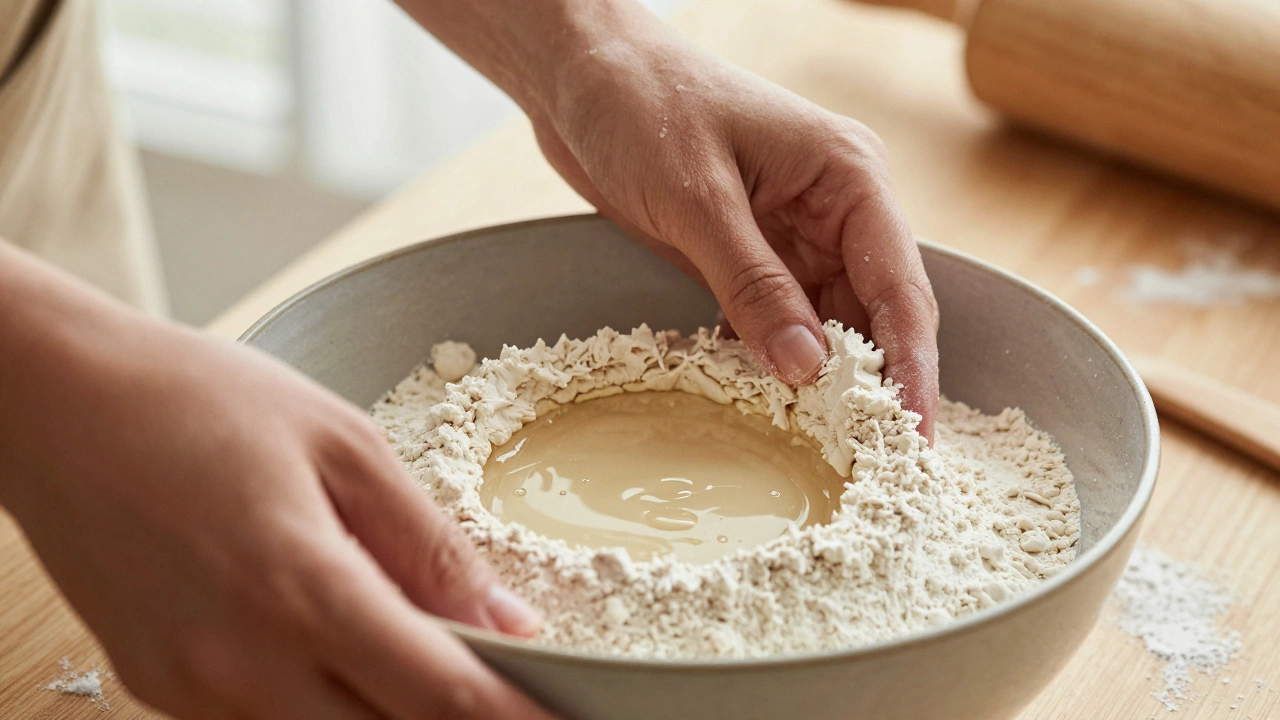
You don’t need atta labeled ‘premium’ or ‘roti-specific.’ Regular whole wheat flour works fine. What matters is how you treat it. The protein in whole wheat flour-gluten-needs water to activate. Too little water, and the dough stays crumbly. Too much, and it turns sticky and impossible to roll. The magic number? About 1 cup of water for every 2 cups of flour. But that’s just a starting point.
Flour absorbs water differently based on humidity, storage, and age. If your flour sat in a dry kitchen for months, it might need a splash more. If it was stored in a humid pantry, cut back. Always add water gradually. Stop when the dough starts to come together in a shaggy mass. Don’t force it. Let it rest for 20 minutes. That’s when the flour fully hydrates. You’ll see the difference: the dough goes from rough to smooth, like soft clay.
The Warm Water Trick
Using cold water is the most common mistake. Cold water slows gluten development. Warm water-around 35°C to 40°C (95°F to 105°F)-helps the starches and proteins absorb moisture faster. It also makes the dough more pliable from the start. You don’t need to boil it. Just heat the water until it feels like a warm bath, not hot enough to burn your finger.
Try this: mix 1/4 cup warm water with a pinch of sugar and let it sit for 5 minutes. If it foams slightly, it’s perfect. That’s the same trick bakers use for yeast, but here, it’s not about rising-it’s about softness. Warm water activates enzymes in the flour that break down starches into sugars. Those sugars help retain moisture in the final roti, keeping it soft for hours.
Kneading Isn’t About Strength
You don’t need to knead like you’re punching a bag. Kneading for 10 minutes isn’t better than kneading for 5. What matters is consistency. Use the heel of your palm to push the dough away, then fold it back. Rotate it a quarter turn. Repeat. Do this for 5 minutes. You’ll know it’s ready when the dough springs back slightly when you press it with your finger. If it stays indented, keep going. If it tears, it’s too dry.
Some people add a teaspoon of oil or ghee while kneading. That helps. But it’s not the secret. The real benefit of oil is that it makes the dough easier to handle and prevents sticking. But if you skip it and use enough water and proper kneading, your roti will still be soft. Oil is a helper, not the hero.
Resting Is Non-Negotiable
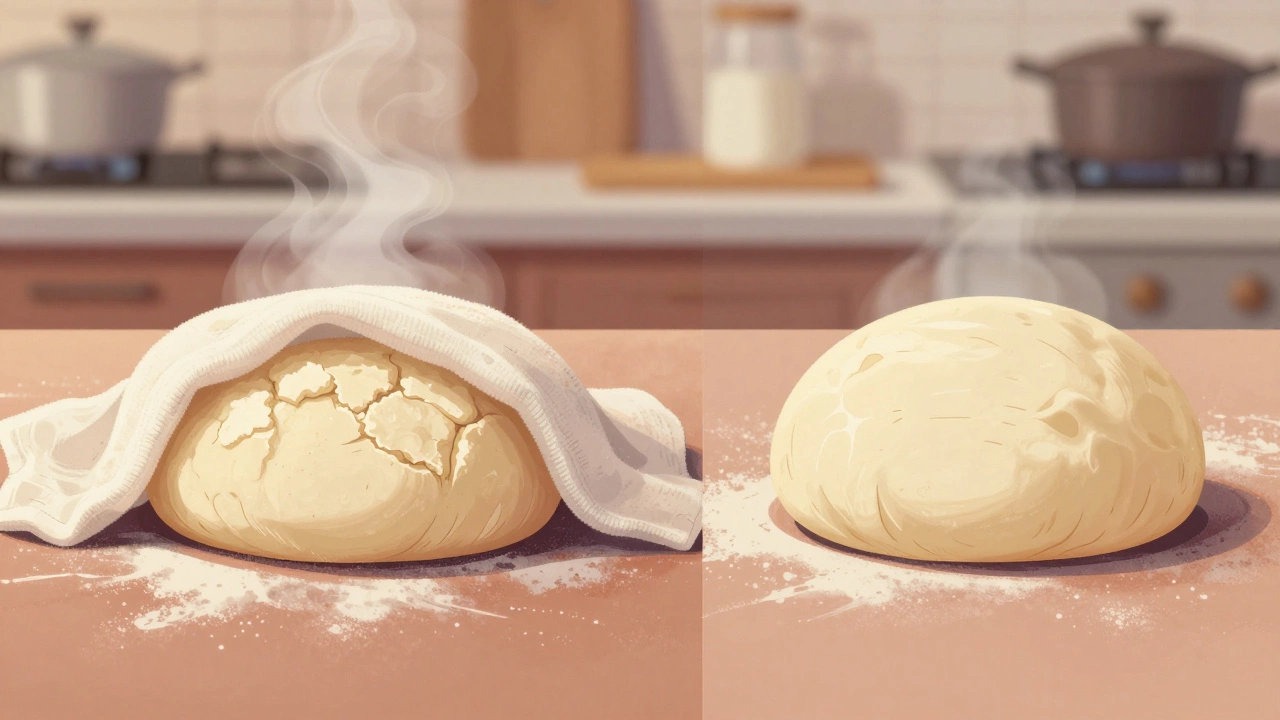
Here’s where most home cooks fail. They skip resting. They think, ‘I’m hungry, let’s roll now.’ But dough needs time. After kneading, cover it with a damp cloth and leave it for at least 30 minutes. In colder weather, 45 minutes is better. During this time, the gluten relaxes. The flour finishes absorbing water. The dough becomes elastic, not tight.
Try this test: roll a small ball of dough between your palms. If it stretches without cracking, you’re good. If it snaps back like a rubber band, it needs more rest. If you roll it too soon, the dough will shrink back as you roll, making thick, uneven rotis. Patience here saves you from frustration later.
Rolling Technique Matters Too
Soft dough doesn’t mean you can roll it thin like paper. Roti should be about 6-7 inches wide and 1-2 mm thick. Use a light dusting of flour on the board and rolling pin. Too much flour dries out the surface and makes the roti tough. A little is enough. Roll from the center out, rotating the dough a quarter turn after each roll. Don’t press down hard. Let the weight of the pin do the work.
One trick: roll the roti slightly thicker on the edges and thinner in the center. That helps it puff up evenly on the tawa. If it doesn’t puff, it’s not the heat-it’s the dough. Under-rested or under-hydrated dough won’t puff, no matter how hot the pan.
The Tawa Is Just the Final Step
A hot tawa is important, but it won’t fix bad dough. Preheat it on medium-high for 3-4 minutes. Place the roti on it. Wait for bubbles to form. Flip it. Press gently with a cloth or spatula. That’s when it puffs. If it doesn’t, the dough didn’t have enough moisture or rest. The tawa can’t add water back. That’s why soft dough starts before the pan even heats up.
Some people brush the roti with ghee right after cooking. That keeps it soft longer. But again, that’s a finisher. The base-soft, well-hydrated, rested dough-is what makes the difference.

Common Mistakes and Quick Fixes
- Dough too dry? Sprinkle 1 teaspoon of warm water over it, cover, and wait 10 minutes. Knead again lightly.
- Dough too sticky? Add flour, a teaspoon at a time, while kneading. Don’t dump it in.
- Roti cracks when rolling? Rest longer. It’s not ready.
- Roti hard after cooling? Store in a cloth-lined container, not plastic. Plastic traps steam and makes it soggy. Cloth lets it breathe but keeps moisture in.
Why This Works Every Time
The secret isn’t a trick. It’s science. Whole wheat flour has more fiber and bran than white flour. These particles cut through gluten strands, making the dough naturally less elastic. To compensate, you need more hydration, more time, and gentler handling. The warm water helps the bran soften. The rest time lets the gluten network relax. The kneading builds structure without tearing.
Compare this to store-bought roti. They often contain additives like emulsifiers or preservatives to stay soft. Homemade roti doesn’t need them. Just water, flour, time, and patience. That’s the real secret.
Pro Tip: Make a Big Batch
Make double the dough. Divide it into 8-10 balls after kneading. Cover them with a damp cloth. You can store them in the fridge for up to 12 hours. Take one out, let it sit at room temperature for 15 minutes, then roll and cook. The dough stays soft, and you get fresh roti in under 5 minutes. No more last-minute panic before dinner.
Soft roti isn’t luck. It’s a rhythm. Water. Knead. Rest. Roll. Cook. Do it right, and every roti will puff like a cloud-light, warm, and tender. No fancy tools. No expensive ingredients. Just the quiet discipline of letting the dough do what it needs to do.