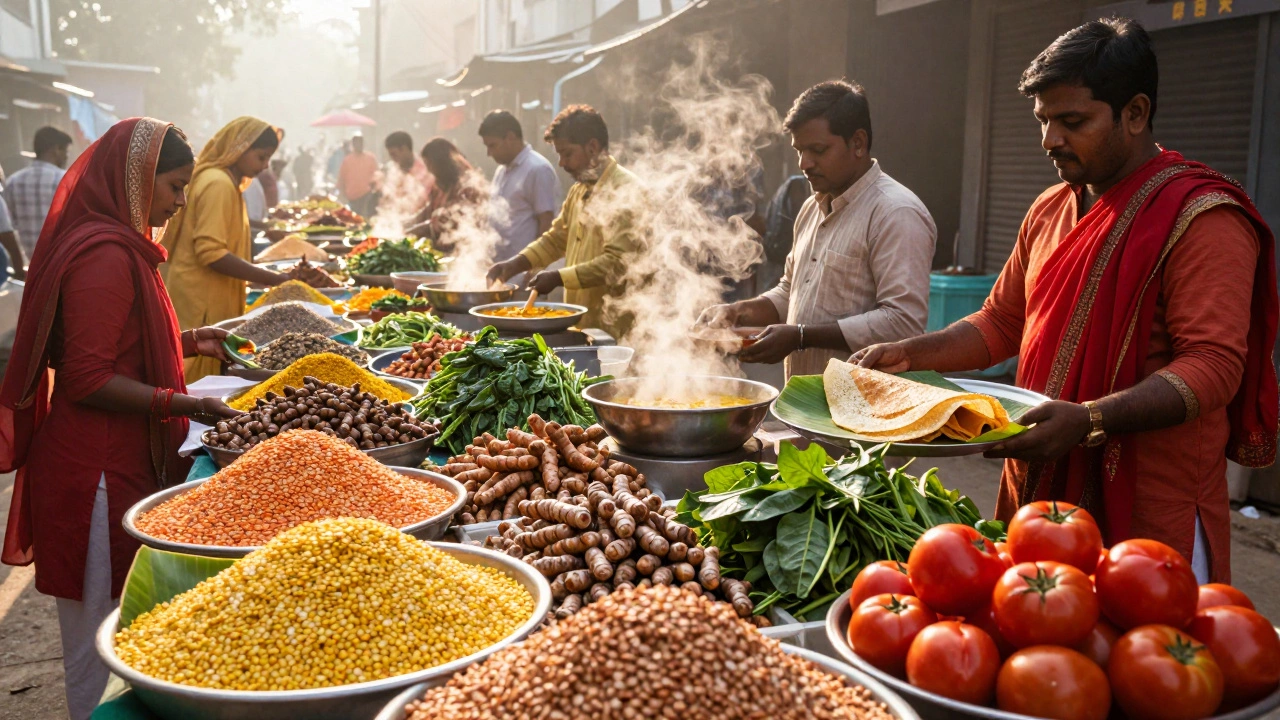
Ask anyone who’s ever eaten a vegetarian meal in India, and they’ll tell you the same thing: this isn’t just a country that accommodates vegetarians-it’s a place where vegetarianism isn’t an exception, it’s the rule. Walk into any home, street stall, or five-star hotel in India, and you’ll find more vegetarian options than meat ones. No need to ask for special requests. No awkward translations. Just plate after plate of flavorful, nourishing food made without a single drop of animal flesh.
Why India Stands Alone
India isn’t just the largest vegetarian population in the world-it’s the only country where over 38% of its 1.4 billion people eat no meat, fish, or eggs. That’s more than 500 million vegetarians, according to the 2021 Global Vegetarian Index. Compare that to the next highest country, Italy, where only 10% of people identify as vegetarian. India doesn’t just have vegetarian food. It has vegetarian culture.
This isn’t just about religion, though that plays a big part. Hinduism, Jainism, and Buddhism all emphasize non-violence toward living beings. But even outside religious circles, vegetarianism is normal. In rural villages, families cook with lentils, vegetables, and dairy because it’s affordable, sustainable, and deeply rooted in tradition. In cities, young professionals choose plant-based meals because they’re fresh, filling, and better for the environment.
The Food That Makes It Real
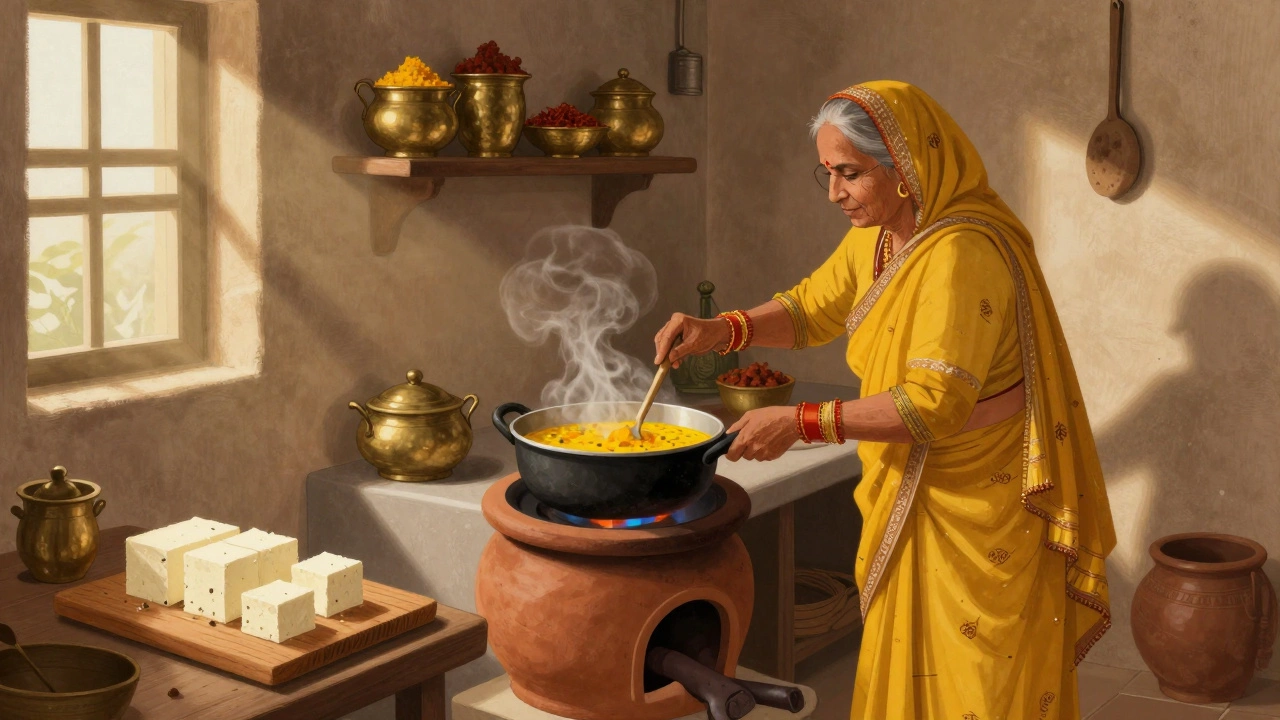
What do you actually eat? It’s not just salads and tofu. Indian vegetarian cuisine is rich, layered, and endlessly inventive. Think creamy paneer simmered in spiced tomato gravy. Thick, golden dal made from red lentils, cooked with cumin and garlic until it’s spoonable silk. Crispy dosa batter fermented overnight, then fried until golden and served with coconut chutney that tastes like sunshine.
Then there’s the street food. In Mumbai, you’ll find vada pav-spicy potato fritters stuffed in a soft bun, dipped in tangy green chutney. In Delhi, you’ll stumble upon chole bhature: chickpeas cooked with cloves and cardamom, paired with deep-fried bread that puffs up like a cloud. In Chennai, idli and sambar are breakfast staples-steamed rice cakes with a lentil stew that’s sour, sweet, and spicy all at once.
Even desserts are plant-based. Gulab jamun, made from milk solids fried and soaked in syrup. Kheer, rice pudding slow-cooked with cardamom and saffron. Jalebi, those crispy orange swirls soaked in sugar syrup. None of them need eggs or butter. And they’re all better than anything you’ll find in a vegan bakery in London or Berlin.
It’s Not Just About the Food
What makes India different isn’t just the dishes-it’s the attitude. In most countries, vegetarianism is a choice, often treated as a limitation. In India, it’s the default. When you say you’re vegetarian, people don’t pause. They don’t say, “Oh, that’s tough.” They just nod and bring you another plate.
Restaurant menus often list vegetarian dishes first. Many restaurants are entirely meat-free. Even in cities like Bangalore or Hyderabad, where meat-eating is common, you’ll find entire neighborhoods where every eatery serves only vegetarian food. In Varanasi, you won’t find a single non-vegetarian stall on the ghats. In Jaipur, the local market sells over 20 types of chutney-all plant-based, all handmade.
And it’s not just about avoiding meat. It’s about celebrating plants. Turmeric, cumin, coriander, fenugreek, asafoetida-these aren’t just spices. They’re medicine, flavor, and tradition rolled into one. Indian cooking treats vegetables like heroes. Cauliflower isn’t an afterthought-it’s roasted with mustard seeds until caramelized. Eggplant isn’t a side-it’s stuffed with spiced lentils and baked until tender.
Traveling as a Vegetarian in India
If you’re planning a trip, here’s what you need to know: you won’t need to search for vegetarian options. You’ll need to decide what to try first. Pack light. Your stomach will thank you.
Ordering is easy. Just say “main vegetarian hoon” (I am vegetarian). Most people will understand. If you want to be extra clear, say “no egg, no meat, no chicken, no fish.” You won’t get a confused look-you’ll get a smile and a fresh plate of rajma chawal (red kidney beans with rice).
Don’t skip the breakfasts. In North India, parathas stuffed with potatoes or spinach are served with yogurt and pickles. In South India, pongal-rice and lentils cooked with black pepper and cashews-is a daily ritual. In the Himalayas, momos filled with cabbage and carrots are steamed to perfection.
And yes, the dairy is everywhere. But if you’re vegan, don’t worry. Coconut milk is common in the south. Cashew cream thickens curries. And in places like Kerala, you’ll find vegan versions of traditional sweets made with jaggery and sesame.
What About Nutritional Balance?
Some people assume vegetarian diets in India are heavy on carbs and low on protein. That’s a myth. Lentils alone give you 18 grams of protein per cup. Paneer, made from milk curds, has 14 grams per 100 grams. Chickpeas, soy, and nuts are everywhere. In fact, the average Indian vegetarian consumes more plant-based protein than the average American omnivore.
Iron comes from spinach, lentils, and dried fruits. Calcium from yogurt, sesame seeds, and leafy greens. Vitamin B12? It’s trickier-but most Indians get it from dairy and fermented foods like idli and dosa batter. If you’re traveling long-term, a simple B12 supplement is all you need.
Why Other Countries Don’t Compare
People talk about Israel, Taiwan, or Germany as vegetarian havens. And yes, they have great options. But they’re exceptions. In Israel, you’ll find hummus and falafel, but meat still dominates the mainstream. In Germany, you’ll find vegan sausages, but they’re expensive and niche. In Taiwan, Buddhist temples serve amazing tofu dishes-but outside of them, meat is everywhere.
India is the only country where vegetarianism isn’t a trend. It’s a way of life. You don’t have to convince anyone. You don’t have to explain yourself. You just show up, sit down, and eat.
Final Thoughts
If you’re looking for a place where vegetarian food isn’t a compromise-it’s a celebration-India is it. Not because it’s trendy. Not because it’s marketed. But because it’s lived. Every day. In every home. In every village. In every market.
There’s no other country where you can eat a different vegetarian dish every day for a month and still not run out of options. Where the food is cheap, fresh, and full of flavor. Where the people don’t treat your diet like a problem-they treat it like normal.
So if someone asks you which country is heaven for vegetarians, don’t overthink it. Just say India. Then grab a plate of dal makhani and eat like you mean it.
Is India the only country with a majority vegetarian population?
Yes. India is the only country where over 38% of the population-more than 500 million people-follow a strict vegetarian diet. No other country comes close. Even countries often cited as vegetarian-friendly, like Israel or Taiwan, have vegetarian populations under 15%.
Are Indian vegetarian dishes healthy?
Most are. Indian vegetarian meals rely on whole grains, legumes, vegetables, and spices. Lentils and beans provide protein, turmeric reduces inflammation, and fermented foods like idli improve gut health. The real issue isn’t the food-it’s how it’s prepared. Fried snacks like samosas or sugary sweets like jalebi can be unhealthy, but they’re not the norm. Everyday meals are balanced and nutrient-rich.
Can vegans eat well in India?
Absolutely. While dairy is common, many traditional dishes are naturally vegan: dal, chana masala, vegetable biryani, dosa with coconut chutney, and rice with sambar. In southern India, coconut milk replaces cream, and jaggery replaces honey. Major cities have vegan restaurants, and even small towns often serve vegan meals without you having to ask.
Do Indian restaurants outside India serve authentic vegetarian food?
Many don’t. Outside India, Indian restaurants often adapt to local tastes by adding cream, butter, or cheese to dishes like paneer tikka or korma. To get authentic vegetarian food, look for places that label dishes as "traditional" or "home-style." Ask if the dish uses ghee or dairy-many will say yes, but some will make it vegan on request. The best options are often South Indian or Gujarati restaurants.
What’s the most underrated vegetarian dish in India?
Kadhi. It’s a yogurt-based curry thickened with chickpea flour, flavored with fenugreek and curry leaves, and often served with rice. It’s tangy, comforting, and packed with protein. Most tourists skip it because it looks simple, but it’s one of the most balanced, traditional vegetarian meals in the country.