Jain Food Checker
Check if a food is Jain-friendly based on Jain dietary principles of non-violence (ahimsa). Jains avoid root vegetables and foods that cause harm to microorganisms and plants.
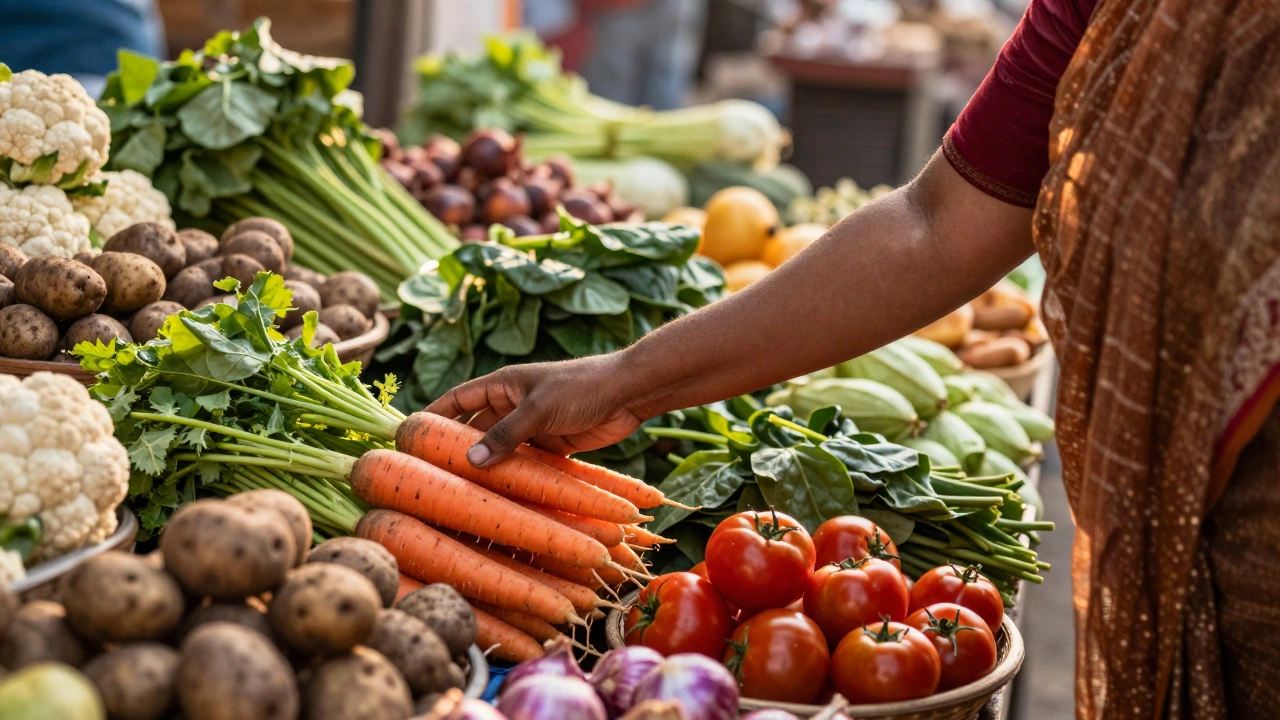
Have you ever seen a Jain person at a buffet and noticed them carefully picking through vegetables-passing over carrots, potatoes, onions, and garlic? It’s not a preference. It’s a deeply held belief rooted in centuries of spiritual practice. The question isn’t just about carrots. It’s about how one person’s food choices can reflect an entire philosophy of non-harm.
What makes a carrot off-limits for Jains?
Jains don’t eat carrots because they grow underground. That might sound strange, but it’s not about dirt or hygiene. It’s about ahimsa-the principle of non-violence that’s central to Jainism. Carrots, potatoes, beets, radishes, and other root vegetables are pulled from the soil, and in doing so, they kill the entire plant. More than that, they destroy countless tiny life forms living in and around the root system-microorganisms, insects, worms, and even unseen bacteria.
Unlike leafy greens or fruits that can be harvested without killing the plant, root vegetables are uprooted. That means the plant dies. In Jain belief, every living being, no matter how small, has a soul. Destroying a plant that could live for years, or wiping out a whole ecosystem of microorganisms, is seen as a violent act. Even if you can’t see them, Jains believe these lives matter.
It’s not just carrots-it’s the whole root family
Carrots are just one example. The list of forbidden root vegetables includes:
- Potatoes
- Onions
- Garlic
- Radishes
- Turnips
- Beets
- Groundnuts (peanuts)
These are all avoided because they grow below the surface. Even ginger and turmeric, which are technically rhizomes, are often avoided by strict Jains. Some communities allow turmeric because it’s dried and processed, but others don’t. There’s no single rulebook-it’s passed down through family, temple teachings, and personal commitment.
What’s interesting is that Jains eat plenty of other vegetables. Spinach, cauliflower, peas, beans, tomatoes, and eggplants are all fine. Fruits like apples, mangoes, and bananas are encouraged. Dairy is allowed, as long as it’s obtained without harming animals. The line isn’t drawn at meat-it’s drawn at any food that causes unnecessary harm to life forms, visible or invisible.
Why does this matter beyond food?
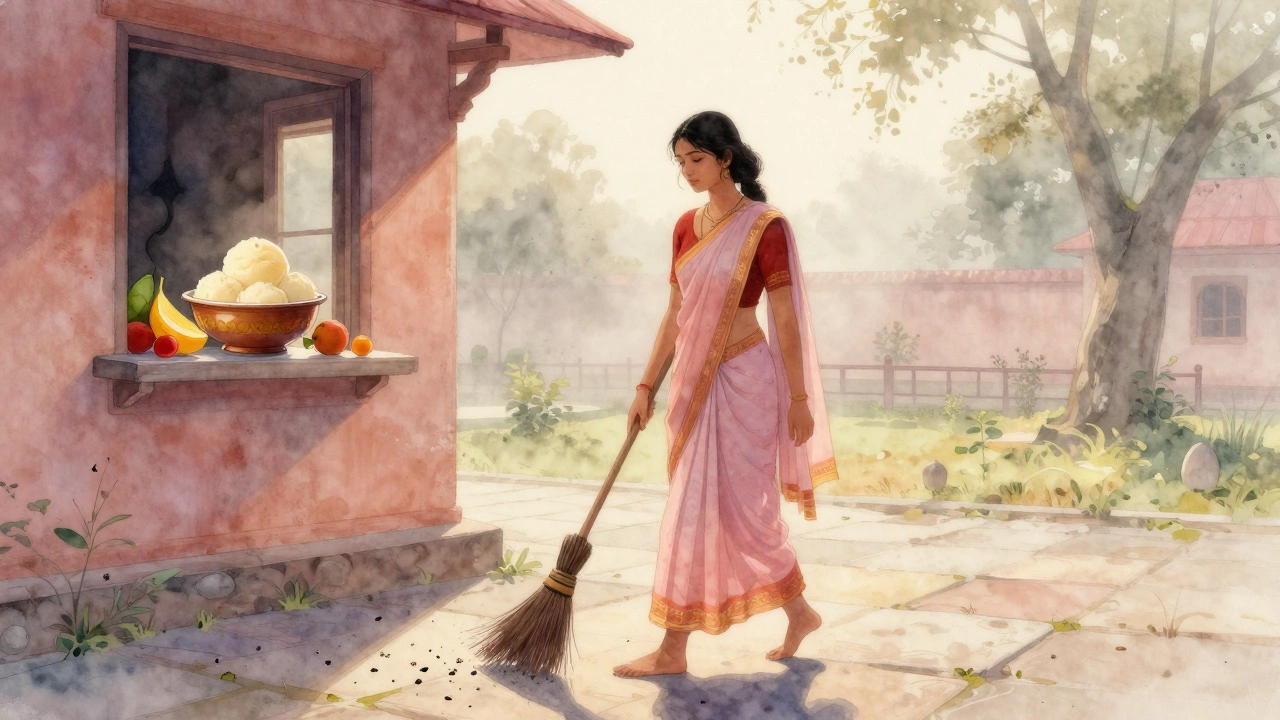
For Jains, food isn’t just fuel. It’s a daily spiritual practice. Every meal is an opportunity to practice non-violence. Choosing a tomato over a potato isn’t about taste or nutrition-it’s about minimizing harm. This extends to how food is prepared. Many Jains filter water before drinking to avoid swallowing microorganisms. They sweep the ground before walking to avoid stepping on insects. They avoid eating after sunset because insects might be attracted to the light and accidentally end up in the food.
This level of mindfulness isn’t about being extreme. It’s about consistency. Jains believe that every action, no matter how small, has karmic consequences. Eating a carrot might seem harmless to someone else, but to a Jain, it’s a chain reaction: one act of harm leads to more suffering, which adds to the soul’s burden. The goal is to live in a way that reduces this burden as much as possible.
How do Jains get enough nutrition without root vegetables?
People often assume that avoiding root vegetables means missing out on essential nutrients. But Jain diets are surprisingly balanced. They rely heavily on:
- Legumes like lentils and chickpeas for protein
- Leafy greens for iron and calcium
- Dairy products like yogurt and paneer for protein and fat
- Fruits for vitamins and natural sugars
- Grains like rice, wheat, and millet for energy
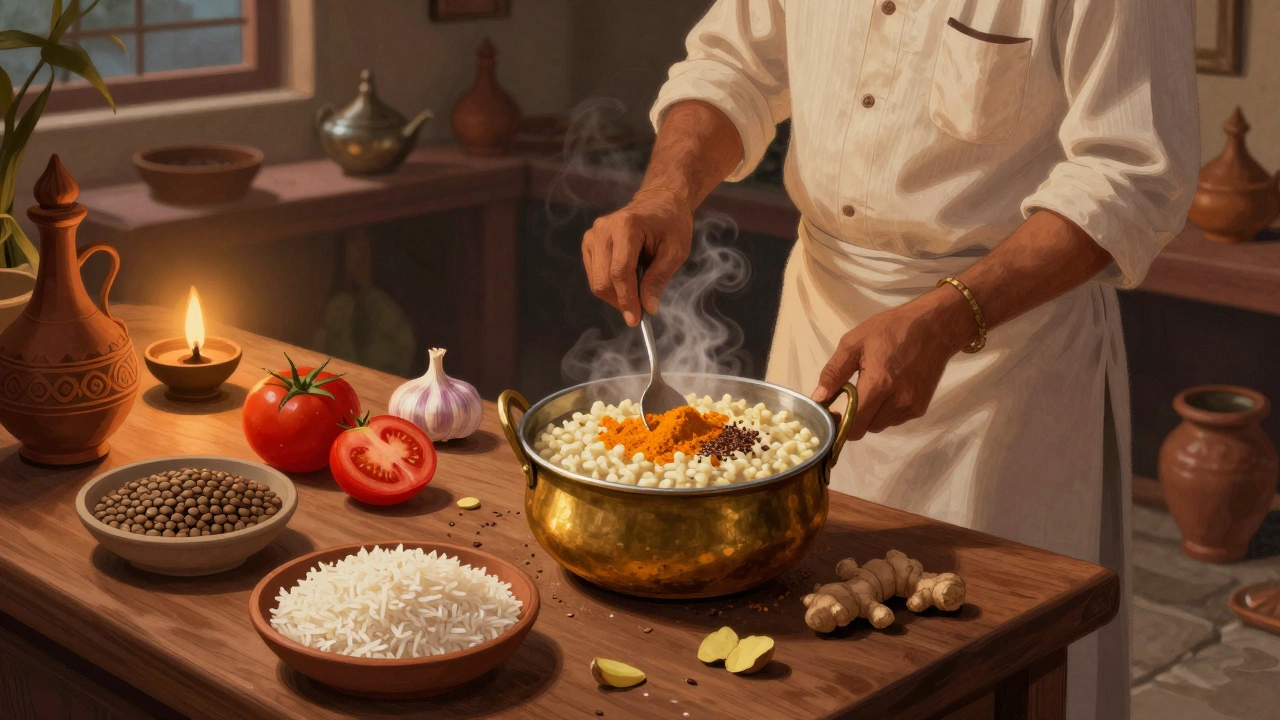
Many traditional Jain recipes use spices like cumin, coriander, turmeric, and asafoetida to add depth and flavor without onions or garlic. A simple dal made with toor dal, tomatoes, and ginger is a staple. Stir-fried cauliflower with cumin and chili is common. Even desserts like shrikhand (strained yogurt with cardamom and saffron) are naturally free of root vegetables.
Studies have shown that Jain diets are among the most nutrient-dense vegetarian diets in the world. A 2020 analysis of dietary patterns in Gujarat found that Jains had higher intakes of fiber, antioxidants, and plant-based protein than other vegetarian groups in India. They also had lower rates of obesity and hypertension-not because they avoided meat, but because they avoided processed foods and focused on whole, unprocessed plant foods.
Is this practice still relevant today?
In cities like Mumbai, London, or even Bristol, where Jains live alongside people with different beliefs, this diet can feel isolating. Grocery stores don’t label root vegetables as “Jain-safe.” Restaurants don’t offer Jain-specific menus. But many Jains adapt without compromising their values.
Some cook at home using recipes passed down for generations. Others carry their own snacks when traveling. A few restaurants in India now offer “Jain-friendly” sections on their menus, avoiding root vegetables and even onion-garlic pastes. In the UK, Jain communities in Leicester and London have started small food cooperatives that supply lentils, dried fruits, and spices without contamination.
Younger Jains are also rethinking tradition. Some still avoid root vegetables but use garlic powder or onion extract for flavor, arguing that the harm is minimal. Others are choosing to eat root vegetables, believing modern farming and cleaning methods reduce harm. These debates are alive and ongoing. What’s constant is the intention: to live with awareness, not perfection.
What can others learn from Jain dietary rules?
You don’t have to be Jain to appreciate the thought behind this practice. It asks a simple but powerful question: What are we willing to sacrifice to avoid harming others?
Most people don’t think about where their food comes from. Jains think about every step-the soil, the insects, the plant’s life, the water used, the energy spent. Their diet isn’t about restriction. It’s about reverence. It’s a reminder that food isn’t just something we consume. It’s something that once lived.
If you’ve ever felt guilty eating meat, or wondered if organic produce is truly better, Jain practices offer a different lens. It’s not about being the most ethical person. It’s about being the most aware one. Even small choices-like choosing a tomato over a carrot-can carry meaning.
Common misconceptions about Jain food
People often misunderstand Jain eating habits. Here are a few myths and the truth behind them:
- Myth: Jains don’t eat any vegetables. Truth: They eat many vegetables-just not the ones that grow underground.
- Myth: Jain food is bland. Truth: Jain cuisine uses spices, herbs, and fermentation to create rich, complex flavors without onion or garlic.
- Myth: This is just superstition. Truth: It’s a spiritual discipline backed by centuries of observation and ethical reasoning, not blind belief.
- Myth: Only older Jains follow this. Truth: Many young Jains, even those living abroad, continue the practice as part of their cultural identity.
Do Jains eat honey?
Most Jains avoid honey because it’s made by bees, and harvesting it is seen as exploiting or harming them. Some Jains use maple syrup or date syrup as alternatives, but traditional honey is not part of the diet.
Can Jains eat fermented foods like idli or dosa?
Yes, many Jains eat fermented foods. Fermentation involves microorganisms, but because these microbes are naturally occurring and not intentionally killed during preparation, they’re generally accepted. The key is whether the process involves deliberate harm, which it doesn’t.
Why do Jains avoid eating after sunset?
Jains avoid eating after sunset because insects are more likely to be attracted to light and accidentally fall into food. Also, it’s harder to see and avoid tiny life forms in low light. This rule helps reduce unintentional harm, especially during nighttime hours when visibility is low.
Are there Jain restaurants outside India?
Yes, especially in cities with large Jain communities like London, Leicester, and New York. Some Indian restaurants now offer Jain options upon request. It’s still rare, but growing. Many Jains rely on home cooking or bring their own food to gatherings.
Can a non-Jain follow a Jain diet?
Absolutely. Many people adopt parts of the Jain diet for health or ethical reasons. Avoiding root vegetables and focusing on whole, plant-based foods can be a healthy choice. You don’t need to be religious to appreciate the mindfulness behind it.
What to try if you want to explore Jain cuisine
If you’re curious about Jain food, here are a few simple dishes to start with:
- Khichdi - Rice and lentils cooked with turmeric, cumin, and ginger. No onions, no garlic.
- Shakarkandi ki Sabzi - Sweet potato stir-fry with cumin and chili. Wait-sweet potato is a root vegetable? Yes, but some Jains allow it because it’s less likely to harbor microorganisms. It’s a gray area-ask before assuming.
- Paneer Tikka - Grilled cottage cheese with bell peppers and tomatoes. Always confirm no onion or garlic marinade.
- Coconut Chutney - Made with fresh coconut, green chili, and roasted lentils. No garlic, no onion.
- Shrikhand - Thick, sweetened yogurt flavored with cardamom and saffron. A perfect dessert.
These dishes aren’t just about what’s missing. They’re about what’s present: flavor, care, and intention.