Biryani Quality Estimator
Adjust the sliders below based on how you prepared your biryani. The tool will estimate your "Restaurant Authenticity Score" and provide specific tips to improve it.
Estimating...
Analysis & Tips
You follow the recipe exactly. You buy the same brand of Basmati Rice is a long-grain aromatic rice variety primarily grown in India and Pakistan, known for its nutty flavor and fluffy texture when cooked.. You use the exact spices listed. Yet, your homemade biryani tastes… fine. It’s good, sure. But it lacks that explosive, layered punch you get at places like Paradise or Bawarchi. Why does restaurant biryani taste different? It isn’t magic. It isn’t even always about having a secret ingredient. It’s about physics, chemistry, and specific techniques that most home cooks skip because they are time-consuming or require equipment we don’t typically own.
The Heat Factor: Industrial Burners vs. Home Stoves
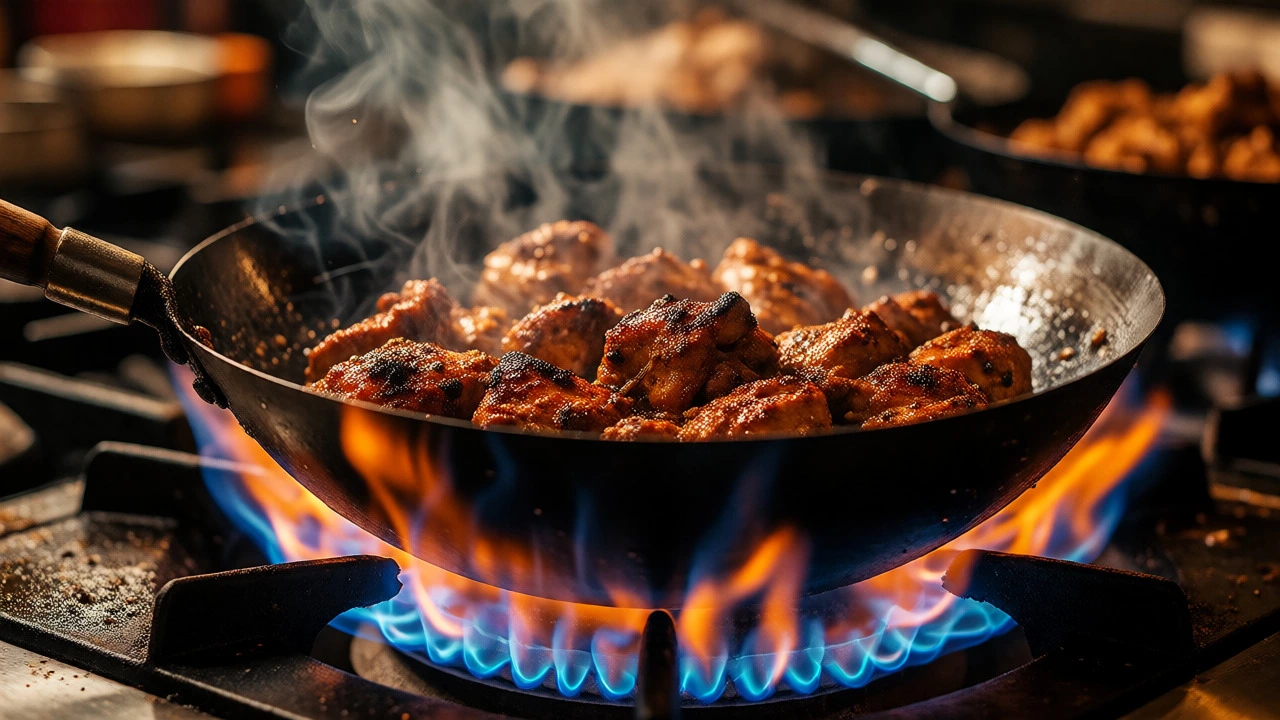
Let’s start with the biggest difference: heat. A professional kitchen burner can output 30,000 to 50,000 BTUs per hour. Your average home gas stove maxes out around 12,000 to 15,000 BTUs. This gap changes everything. In a restaurant, the chef sears the meat at blistering temperatures, triggering the Maillard reaction instantly. This creates complex flavor compounds that simply cannot form on a gentle home simmer.
When you try to replicate this at home, you often end up steaming the meat rather than searing it. The result? The meat tastes boiled, not roasted. To fix this, you need to work in batches. Don’t crowd the pan. If you dump all the chicken into one pot, the temperature drops, moisture releases, and you steam the protein. Instead, fry small portions until deeply browned, then remove them. Yes, it takes longer. But that deep brown crust holds flavors that define the "restaurant" profile.
Rice Quality and Preparation: The Basmati Difference
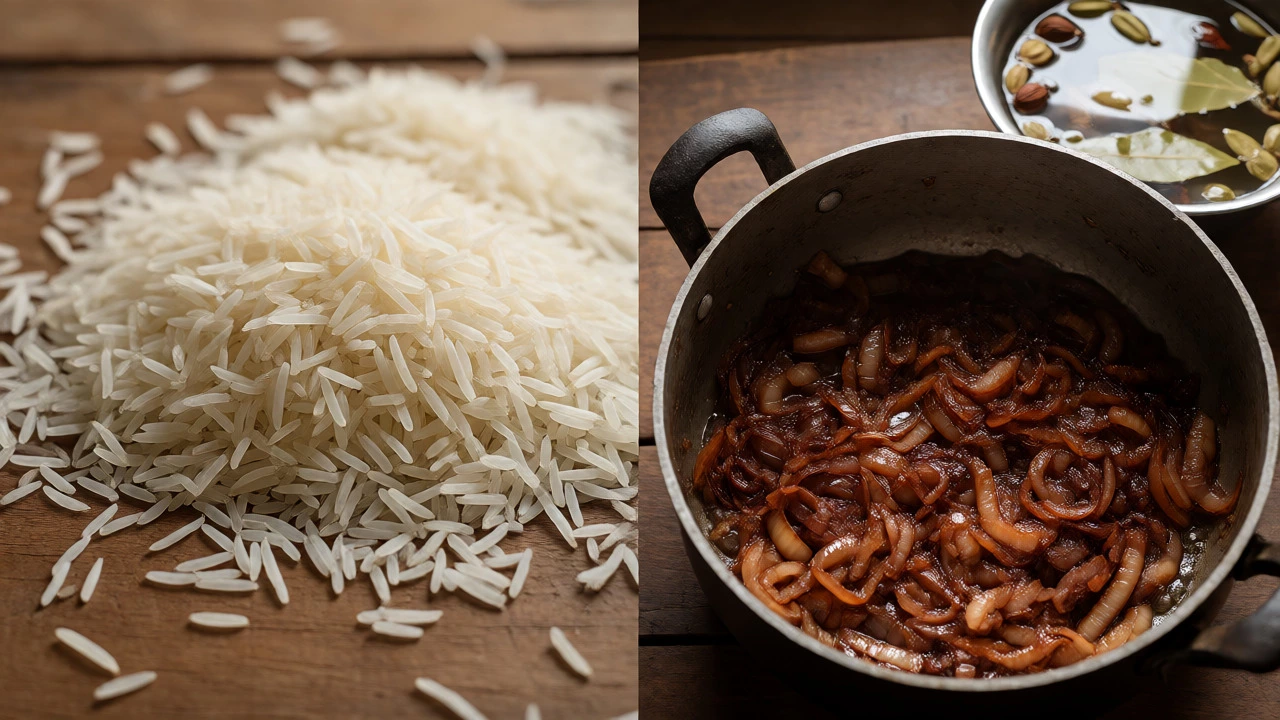
Not all Basmati is created equal. Restaurants often use aged Basmati rice, which has been stored for 12 to 24 months. Aging reduces the moisture content and hardens the starch granules. When you cook aged rice, the grains stay separate and elongate significantly. Fresh rice tends to break and become sticky.
Check the grain length before buying. High-quality aged Basmati should be at least 7mm long when dry. After soaking and cooking, it should double in length without breaking. Here is a quick comparison of what to look for:
| Feature | Typical Home Rice | Restaurant Grade Rice |
|---|---|---|
| Aging Period | Fresh (less than 6 months) | Aged (1-2 years) |
| Grain Length (Dry) | 6-6.5 mm | 7+ mm |
| Starch Content | Higher amylopectin (stickier) | Balanced amylose (fluffier) |
| Cooking Result | Soft, clumping | Distinct, non-sticky |
Another critical step restaurants take is par-boiling the rice with whole spices. They add salt, bay leaves, cloves, and cardamom pods to the boiling water. This infuses the core of the grain with aroma from the inside out. Most home recipes tell you to just boil rice in plain water. That’s why your rice tastes bland while the gravy is spicy. Season the water aggressively-like pasta water-but with aromatics.
The Masala Base: Oil vs. Ghee and Caramelization
Flavor lives in fat. Restaurants use generous amounts of oil or ghee to fry onions and tomatoes. At home, we tend to be health-conscious or cautious about splattering oil, so we use less. This limits flavor extraction. Spices are fat-soluble. If you don’t have enough fat, the essential oils from cumin, coriander, and turmeric don’t dissolve properly; they remain gritty and raw-tasting.
Then there is the onion factor. Restaurant biryani gets its sweet, deep color from onions fried until dark brown. This process, called caramelization, takes 20 to 30 minutes of slow stirring. Many home cooks rush this, frying onions only until translucent. Translucent onions give a sharp, sulfurous bite. Dark brown onions provide sweetness and body. If you want that rich, reddish-brown gravy, you must invest the time. Do not turn up the heat to speed it up; you will burn them instead of caramelizing them.
The Dum Technique: Sealing the Pot
Dum is a Persian word meaning "to breathe under steam." It involves cooking the layered rice and meat in a sealed container over low heat. Restaurants use heavy-bottomed handis (clay pots) with tight-fitting lids sealed with dough. This creates a high-pressure, moist environment that forces steam back into the food.
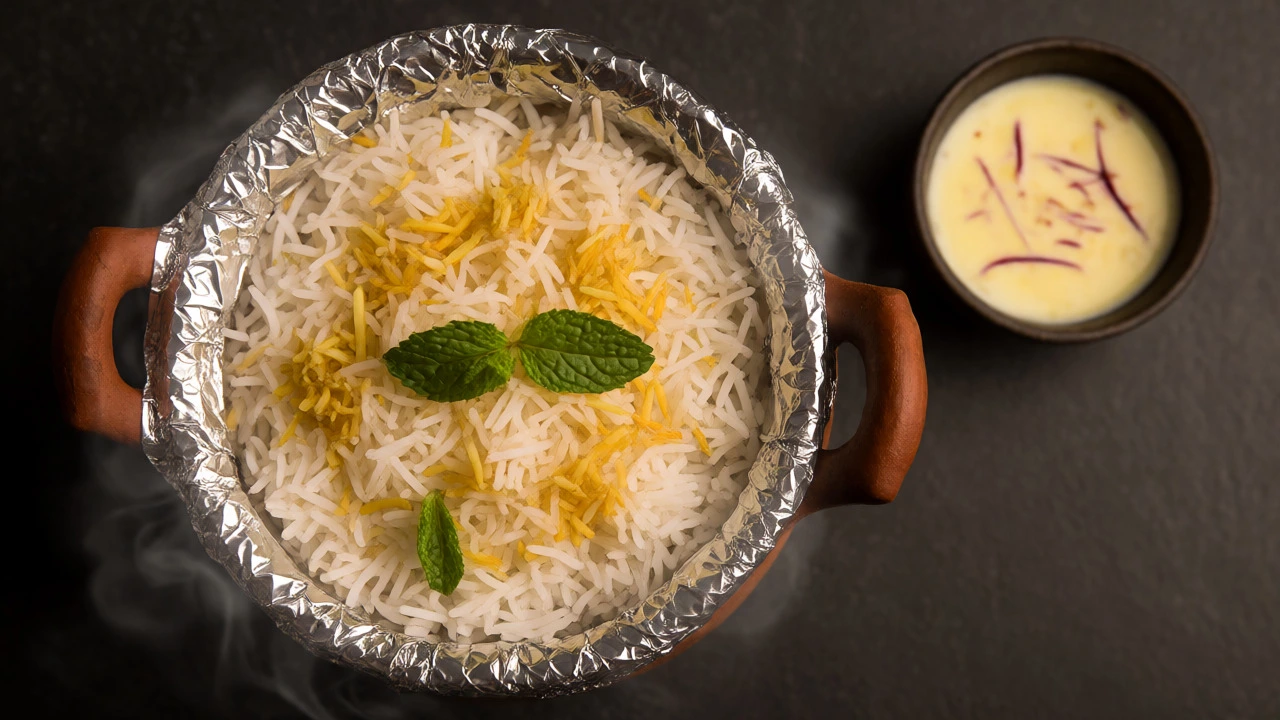
Your home oven or stovetop setup rarely seals perfectly. Steam escapes, drying out the top layer of rice. To mimic this, use a Dutch oven or a heavy steel pot. If you don’t have a lid that fits tightly, cover the pot with aluminum foil first, then place the lid on top. Press the foil down the sides to create an airtight seal. This traps the steam, allowing the rice to finish cooking gently without burning the bottom or drying out the top. The trapped steam also helps meld the flavors between the layers, creating that unified "biryani" taste rather than "spicy meat served with plain rice."
Layering and Resting: The Architecture of Flavor
Here is where many people go wrong: mixing everything together. Restaurant biryani is layered. Bottom layer: marinated meat. Middle layer: partially cooked rice. Top layer: saffron milk, fried onions, mint, and cilantro. This structure allows each component to retain its identity while sharing aromas during the final cook.
Furthermore, resting is non-negotiable. Chefs let the biryani sit off the heat for 10 to 15 minutes after cooking. This allows the starches in the rice to set slightly and the juices in the meat to redistribute. If you scoop it immediately, the rice turns mushy and the meat loses its succulence. Patience here pays off in texture.
Water Quality and Salt Balance
This sounds minor, but it matters. Tap water in many cities contains chlorine or high mineral content, which can alter the taste of delicate dishes like biryani. Restaurants often use filtered water. Chlorine reacts with organic compounds in the food, sometimes leaving a metallic aftertaste. Try using filtered or bottled water for the rice boiling stage. Notice if the brightness of the dish improves.
Salt levels also differ. Restaurant food is heavily salted because cold food tastes blander, and they serve large volumes where consistency is key. However, they also balance salt with acidity. A splash of lemon juice or yogurt in the marinade cuts through the richness. If your biryani tastes flat, it might not need more spice; it might need acid. Add a squeeze of lime at the very end, just before serving, to lift the heavy flavors.
Spice Blends: Freshly Ground vs. Pre-Packaged
Pre-packaged biryani masalas are convenient, but they lose potency quickly. Spice oils evaporate over time. A jar sitting on your shelf for six months is half as potent as fresh powder. Restaurants grind their own masalas or buy them weekly from local mills.
To boost freshness, toast your whole spices lightly before grinding them yourself. Or, if you must use store-bought powder, bloom it in hot oil for 30 seconds before adding liquids. This reactivates the volatile oils. Never throw raw spice powder directly into wet gravy; it tastes dusty and raw. Fry it in the oil/ghee base first. This step, known as tempering or tadka within the masala, is crucial for depth.
Common Pitfalls to Avoid
- Overcooking the Rice: Always undercook the rice by 70%. It finishes in the dum phase. Fully cooked rice becomes mush.
- Skip the Marinade Time: Yogurt-based marinades tenderize meat. Minimum 2 hours, preferably overnight. Acid breaks down proteins.
- Ignoring Saffron: Real saffron costs money, but it provides the distinct aroma and yellow streaks. Use real threads soaked in warm milk, not artificial coloring.
- Lack of Acid: Remember the lemon or tomato balance. Without acid, the dish feels heavy and greasy.
Conclusion: It’s About Control, Not Just Ingredients
So, why does restaurant biryani taste different? Because they control variables you leave to chance. They control the heat intensity, the aging of the rice, the caramelization level of onions, and the sealing of steam. You can achieve 90% of that restaurant quality at home by adjusting these technical factors. Buy better rice, fry your onions slowly, seal your pot, and rest the dish. Once you master these mechanics, your homemade biryani won’t just taste good-it will taste professional.
Why is my homemade biryani rice sticky?
Sticky rice usually results from using fresh (non-aged) Basmati rice, washing the rice insufficiently to remove surface starch, or overcooking the rice during the initial boiling stage. Ensure you soak the rice for 30 minutes, rinse it until the water runs clear, and boil it only until it is 70% done before layering.
Can I make restaurant-style biryani without a clay pot?
Yes. Use a heavy-bottomed stainless steel pot or a Dutch oven. The key is to create a tight seal. Cover the pot with a sheet of aluminum foil pressed against the rim, then place the lid on top. This mimics the steam-trapping effect of a sealed handi.
How do I make my biryani smell authentic?
Authentic aroma comes from three sources: blooming whole spices in hot oil, using aged Basmati rice, and adding fresh herbs (mint/cilantro) and saffron-infused milk at the end. Do not skip the step of frying onions until dark brown, as this provides the foundational sweet aroma.
Is ghee necessary for biryani?
While not strictly mandatory, ghee contributes a distinct nutty flavor and rich mouthfeel that vegetable oil cannot replicate. Restaurants often mix oil and ghee. If you prefer a lighter version, use oil for frying onions and ghee for the final drizzle and rice coating.
Why does my meat taste tough?
Tough meat usually indicates insufficient marination or incorrect cooking time. Yogurt and acidic ingredients in the marinade help tenderize the protein. Ensure the meat is marinated for at least 2-4 hours. Additionally, if using lean cuts like chicken breast, avoid overcooking during the dum phase, as they dry out faster than bone-in thighs.