Chutney Cooking Technique Advisor
Technique Guide
Complete the steps to see your personalized cooking instructions.
There is a specific moment in every home cook’s journey when the pot of simmering sauce starts to look wrong. It’s too watery. It’s too thick. Or worse, it has turned into a dark, bitter sludge that tastes nothing like the fresh ingredients you started with. If you are making chutney is a versatile condiment from South Asian cuisine made by grinding or cooking herbs, spices, and fruits., this panic usually stems from one simple decision: did you leave the lid on or take it off?
The question "Do you cook chutney covered or uncovered?" sounds basic, but it holds the key to mastering texture, color, and shelf life. There is no single yes-or-no answer because different types of chutneys behave differently. Some need a tight seal to steam; others need wide-open exposure to evaporate water. Getting this wrong can turn a vibrant green coriander dip into a swampy mess or a sweet mango relish into a sticky brick.
The Science of Steam vs. Evaporation
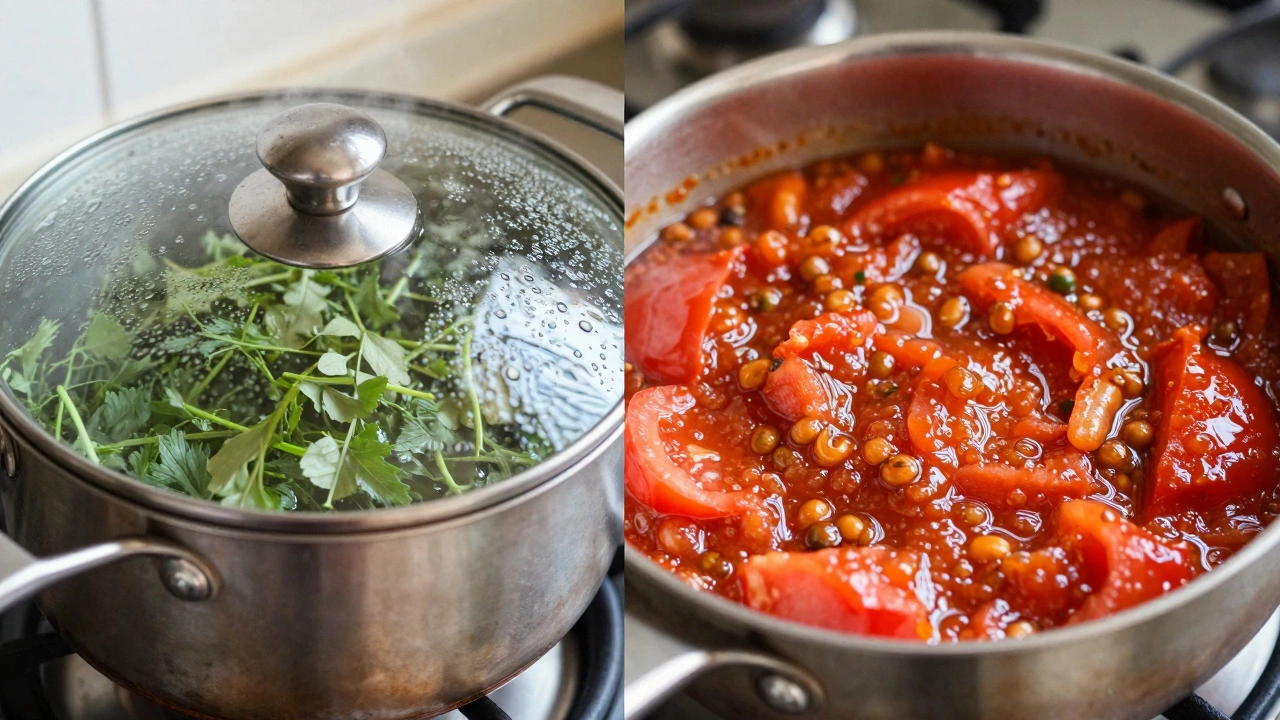
To understand why the lid matters, you have to look at what happens inside the pan. When you cover a pot, you trap heat and moisture. The steam rises, hits the cool surface of the lid, condenses, and falls back into the food. This creates a closed-loop system where very little liquid actually leaves the pot. The food essentially steams in its own juices.
When you remove the lid, you break that loop. Heat escapes rapidly, and moisture evaporates into the air. This process, known as reduction, concentrates flavors and thickens the consistency. For chutneys, which are often high in water content (especially those based on tomatoes, cucumbers, or leafy greens), evaporation is usually your best friend.
If your goal is a thick, spreadable paste that clings to dosa or idli, you generally want to encourage evaporation. If you keep the lid on, the water stays in the pan, and you end up with a soup rather than a chutney. However, there are exceptions where trapping steam helps soften tough ingredients without burning them. Knowing when to switch between these two states is the core skill here.
Green Chutneys: The Battle Against Browning
Let's talk about the most common household chutney: the green blend of cilantro, mint, green chilies, and tamarind. Many people make the mistake of cooking this for too long or covering it incorrectly, leading to that dreaded brown discoloration. Chlorophyll, the pigment that gives plants their green color, is sensitive to heat and acid. Prolonged cooking breaks it down, turning bright emerald green into an unappetizing olive-brown.
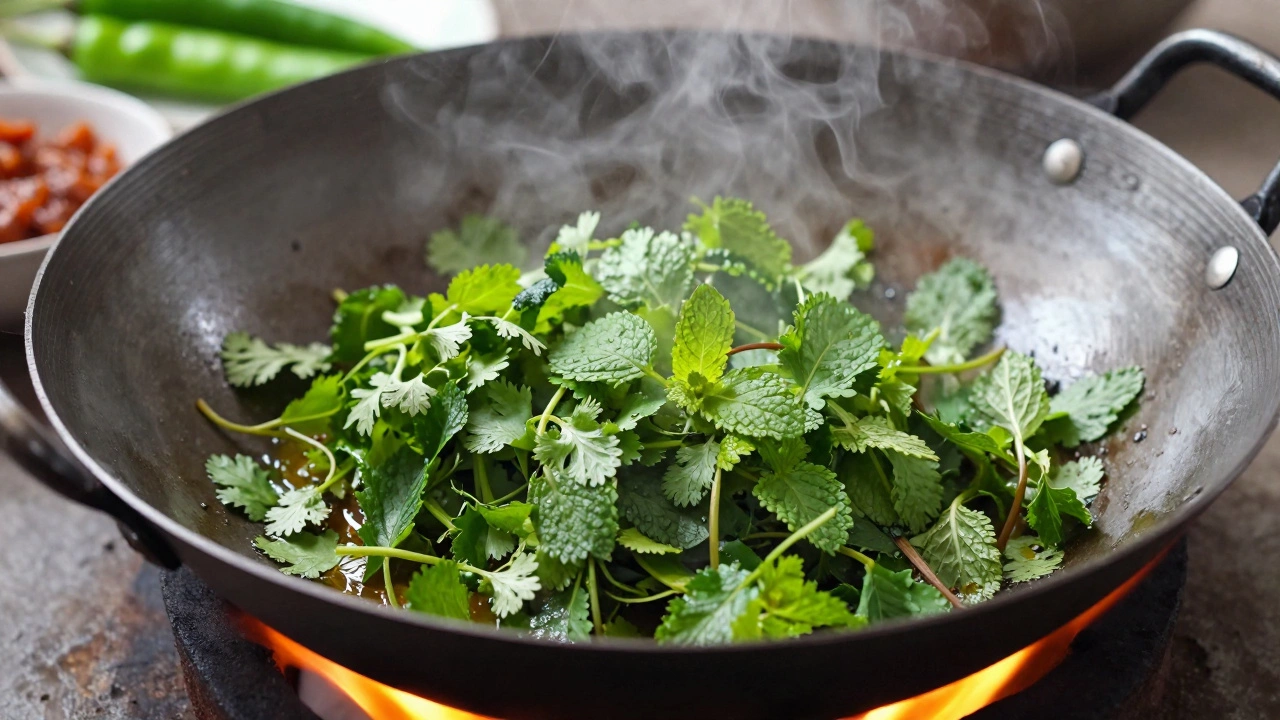
For raw green chutneys, you don't cook them at all. You grind them fresh. But if you are making a cooked version-perhaps to extend shelf life or tame the raw pungency of garlic and onion-the technique changes. You should sauté the aromatics (onions, ginger, garlic) uncovered until they are soft and translucent. This removes excess moisture early on.
Once you add the green herbs and liquids, you might be tempted to cover the pot to speed up the softening process. Resist this urge. Covering a green chutney traps acidic vapors and heat, accelerating the oxidation process. Instead, cook it on medium-low heat, uncovered, stirring frequently. You want to drive off the water quickly while keeping the temperature controlled enough to preserve the color. If you must cover it briefly to wilt large quantities of spinach or fenugreek, do so for no more than thirty seconds before removing the lid to let the steam escape.
Tomato and Tamarind Chutneys: The Art of Reduction
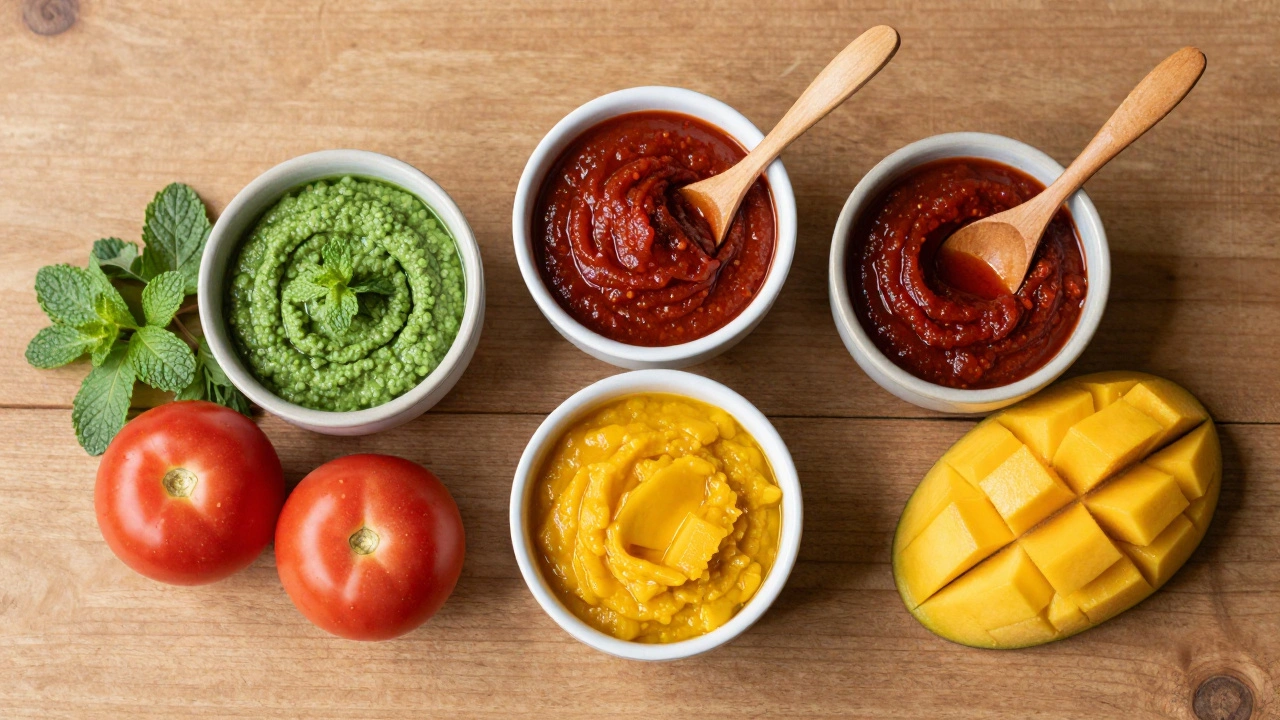
Tomato chutney is a staple accompaniment in South Indian meals, characterized by its tangy-sweet profile and deep red color. relies heavily on the natural pectin and acidity of the fruit. Tomatoes are roughly 94% water. To get that rich, jammy consistency that pairs perfectly with vada or samosa, you need to remove a significant amount of that water.
Start by cooking the onions and tomatoes uncovered. This allows the initial burst of moisture to evaporate. Once the tomatoes break down and release their seeds, the mixture will look watery. This is normal. Keep the lid off. Stirring occasionally prevents the bottom from scorching, which can happen easily due to the sugars in the tomatoes caramelizing.
Where the lid comes into play is during the final stages of tempering. After the chutney has reached the desired thickness and you have added your spices (mustard seeds, curry leaves, dried red chilies), you might cover the pot for just one minute. This isn't to thicken it further, but to allow the aromatic oils from the spices to infuse deeply into the base. Then, uncover immediately to serve. Leaving it covered longer would re-introduce moisture and dilute the flavor concentration you worked hard to achieve.
Fruit and Sweet Chutneys: Managing Sugar Content
Sweet chutneys, such as those made with mango, pineapple, or apple, introduce sugar into the equation. Sugar raises the boiling point of water, meaning these mixtures take longer to reduce. They also burn much faster than savory counterparts.
When cooking fruit chutneys, start with the lid on only if the fruit is very firm and needs to soften without losing all its shape. For example, if you are making a chunky mango chutney, covering the pot for the first ten minutes helps the fruit steam and soften evenly. Once the fruit yields to a fork, remove the lid. From this point on, you are managing sugar concentration. Cooking uncovered allows the syrup to thicken into a glaze-like consistency. If you keep the lid on now, the sugar solution remains thin and watery, failing to coat the fruit properly.
A pro tip for sweet chutneys: watch the foam. As the water evaporates and sugar concentrates, foam may rise around the edges. Skim this off if you want a clear, glossy finish. Covering the pot traps this foam, making it difficult to manage and potentially causing overflow.
Storage and Shelf Life Implications
Your cooking method directly impacts how long your chutney lasts in the refrigerator. A chutney cooked thoroughly uncovered, with all excess water driven off, has less free water available for bacterial growth. This means it will last longer-typically 5 to 7 days in an airtight container in the fridge.
Conversely, a chutney that retains too much moisture because it was cooked covered or not reduced enough will ferment or spoil within 2 to 3 days. You can tell it has gone bad by a sour smell distinct from the original vinegar or tamarind tang, or by visible mold spots. Always store chutneys in clean, dry jars. Introducing wet spoons into the jar introduces bacteria, shortening its life regardless of how well you cooked it.
| Chutney Type | Lid Position During Main Cooking | Goal | Common Mistake |
|---|---|---|---|
| Green (Cilantro/Mint) | Uncovered | Preserve color, reduce water | Cooking too long causes browning |
| Tomato/Tamarind | Uncovered | Thicken via reduction | Leaving lid on keeps it watery |
| Fruit/Sweet | Covered initially, then Uncovered | Soften fruit, then concentrate sugar | Burning sugar at the bottom |
| Onion/Garlic Base | Uncovered | Remove raw smell and moisture | Steaming instead of sautéing |
Troubleshooting Common Textures
Even with the right lid technique, things can go sideways. Here is how to fix the most frequent issues.
It’s too runny: Don’t panic. Remove the lid, increase the heat slightly, and stir constantly. If it’s still too thin after five minutes, you can add a teaspoon of rice flour slurry (rice flour mixed with cold water) or a tablespoon of peanut powder to absorb excess moisture. Never add thickener while the lid is on.
It’s too thick: This is easier to fix. Add hot water or stock, one tablespoon at a time, while whisking. If you added salt early, remember that adding water will dilute the seasoning, so taste and adjust.
It’s separated/oily: This usually happens with coconut or nut-based chutneys. If the oil separates, the chutney is either overcooked or under-blended. For cooked versions, ensure you didn’t boil the coconut milk too vigorously. For raw ground chutneys, add a splash of warm water while blending to help emulsify the fats.
Final Thoughts on Technique
The rule of thumb is simple: if you want to remove water, take the lid off. If you want to soften tough fibers without losing volume, put the lid on briefly. Most traditional Indian chutneys benefit from the open-pot method because we value concentrated flavor and thick texture. Trust your eyes and nose more than a timer. If the sizzle slows down and the spoon leaves a trail in the pan, you are done.
Why does my green chutney turn brown?
Green chutney turns brown due to oxidation and prolonged heat exposure. Chlorophyll breaks down when heated for too long or when exposed to acidic environments in a sealed, hot environment. To prevent this, cook uncovered on low heat for the shortest time possible, or use raw herbs blended with ice-cold water.
Can I cook chutney in a pressure cooker?
Yes, but only for the initial softening of hard ingredients like tomatoes, onions, or lentils. Pressure cooking speeds up the breakdown of fibers. However, you must transfer the contents to an open pan afterward to reduce the water and thicken the chutney. You cannot achieve the right consistency solely in a pressure cooker.
How do I know when chutney is fully cooked?
A good sign is when the oil begins to separate from the sides of the mixture, indicating that the water has evaporated and the masala is fried. Additionally, if you draw a spoon through the center, the tracks should remain visible for a few seconds before closing up. The aroma should also shift from raw to fragrant.
Should I add salt before or after cooking?
Add salt at the beginning. Salt helps draw out moisture from vegetables like tomatoes and onions, aiding in the cooking and reduction process. If you add it at the end, the ingredients may remain watery, requiring longer cooking times which can affect flavor and color.
How long does homemade chutney last in the fridge?
Properly cooked and cooled chutney stored in a clean, airtight glass jar can last 5 to 7 days in the refrigerator. Raw chutneys without preservatives like lemon juice or vinegar may only last 2 to 3 days. Always check for off-odors or mold before consuming.