Paneer vs. Ricotta Substitution Checker
Select a recipe scenario to see if swapping Paneer for Ricotta (or vice versa) will work, or if it requires modification.
Verdict & Explanation
Direct Swap Possible
Please select a scenario and cheese type to see detailed advice.
Quick Reference: Why They Differ
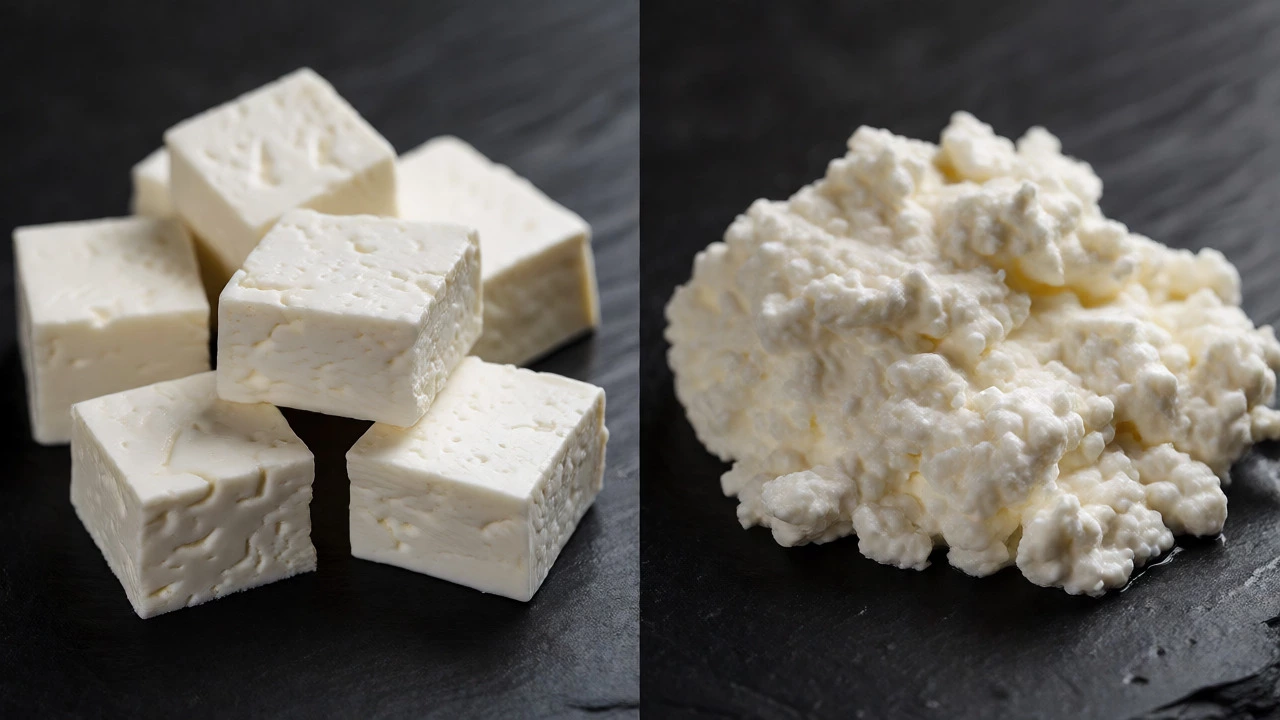
- Paneer: Acid-set, pressed hard, high fat/protein, does not melt, firm texture.
- Ricotta: Heat-set from whey, lightly drained, moist/grainy, melts/softens easily, milder/sweeter.
You’ve probably stood in the grocery aisle, holding a block of Paneer, looking at the price tag, and wondering if you could just grab that tub of Italian Ricotta instead. After all, both are white, soft, and made from milk. It’s a logical question. But here is the harsh truth: they are not interchangeable. If you swap them in a curry, your dish will likely fall apart or taste completely wrong.
The confusion stems from their shared origin-milk curds. However, the journey from milk to final product differs significantly in technique, chemistry, and culinary purpose. This guide breaks down exactly why these two cheeses behave differently on your stove, so you never ruin another Palak Paneer again.
The Core Difference: Acid vs. Heat
To understand why paneer isn’t ricotta, you have to look at how each one is made. The process dictates the texture, which dictates the use case.
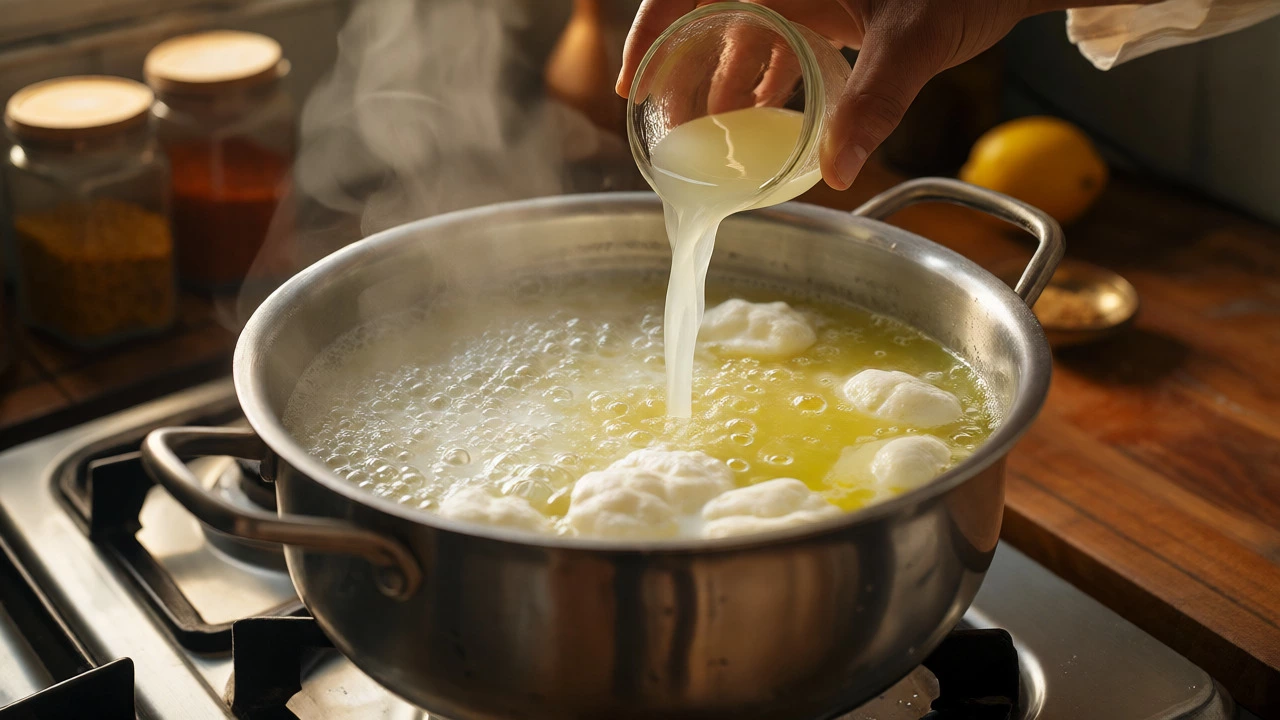
Paneer is an acid-set fresh cheese. You take whole milk, bring it to a boil, and add an acid like lemon juice or vinegar. The acid causes the casein proteins to coagulate (clump together). You then strain this curd through cheesecloth and press it under heavy weight for several hours. This pressing removes almost all the whey (liquid) and fuses the curds into a dense, non-melting solid.
Ricotta is different. Traditionally, it’s made by reheating the whey left over from making other cheeses (like mozzarella or provolone). Sometimes, whole milk is added back in. The residual heat and acidity cause remaining proteins to coagulate. Crucially, ricotta is not pressed. It is drained lightly, retaining a significant amount of moisture. This results in a grainy, creamy, spreadable texture rather than a solid block.
| Attribute | Paneer | Ricotta |
|---|---|---|
| Primary Coagulant | Acid (Lemon/Vinegar) | Heat + Residual Acid |
| Milk Source | Whole Milk (High Fat) | Whey + Milk (Variable Fat) |
| Processing | Strained & Pressed Hard | Drained Lightly |
| Texture | Firm, Dense, Cubical | Soft, Grainy, Creamy |
| Melting Point | Does Not Melt | Softens/Melts Easily |
| Flavor Profile | Milky, Mild, Slightly Tangy | Sweet, Milky, Delicate |
Why Texture Matters in Cooking
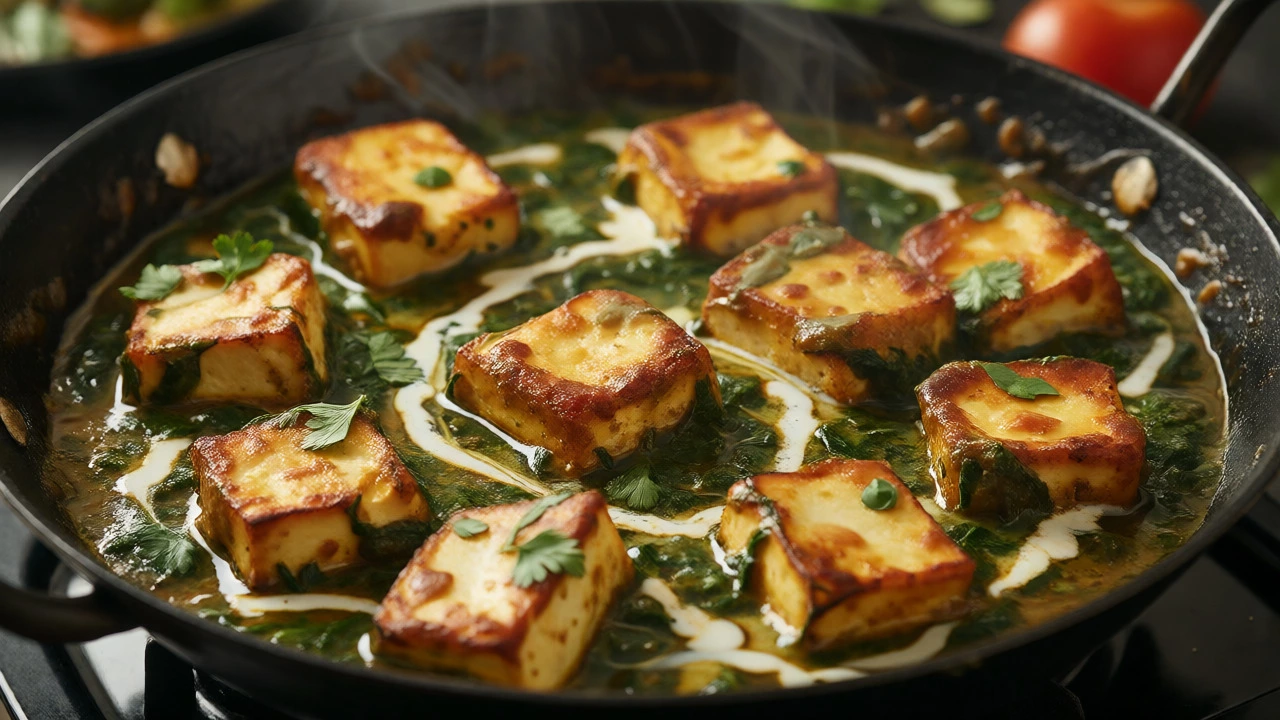
If you try to make a classic North Indian curry like Shahi Paneer using ricotta, you’ll face immediate structural failure. Ricotta has high moisture content and low protein bonding strength. When you drop ricotta into a simmering gravy, it dissolves. It turns into a cloudy, milky soup rather than distinct cubes. You lose the textural contrast that makes paneer dishes satisfying-the bite of the solid cheese against the smooth sauce.
Conversely, paneer’s density allows it to absorb flavors without disintegrating. Because it is pressed, it acts like a sponge. In Paneer Tikka, the firm structure holds up against high-heat grilling or baking. It chars on the outside while staying soft inside. Ricotta would simply melt off the skewer and burn onto the grill grate.
This difference extends to frying. You can shallow-fry paneer cubes until they are golden brown. They retain their shape. Ricotta cannot be fried as a standalone cube; it requires binding agents like eggs or flour to hold its form, turning it more into a fritter than a piece of cheese.
Flavor Profiles: Sweetness vs. Tang
Taste is subjective, but there are objective chemical differences. Ricotta is traditionally sweeter. Why? Because it’s often made from sweet whey, which contains lactose that hasn’t been fully broken down. Even when made from whole milk, the lack of aggressive acidification leaves a mild, dairy-sweet profile. This is why ricotta shines in desserts like Cannoli or Lasagna Fritters.
Paneer, however, carries a subtle tanginess. This comes from the direct addition of strong acids (lemon/vinegar) during coagulation. While rinsing the curds reduces this tang, some lingers. This slight acidity cuts through rich, creamy gravies and spicy masalas, providing balance. If you used sweet ricotta in a spicy Vindaloo-style paneer dish, the sweetness would clash with the heat, creating a muddy flavor profile.
Nutritional Breakdown: Which Is Healthier?
Many people assume fresh cheese is automatically healthy. It depends on what you’re tracking. Here is the general breakdown per 100g serving (values vary by brand and milk source):
- Calories: Paneer (~265 kcal) is generally higher in calories than part-skim Ricotta (~138 kcal), but comparable to whole-milk Ricotta (~174 kcal).
- Protein: Paneer is a protein powerhouse, offering ~18-20g per 100g. Ricotta offers ~11g. If you are vegetarian and relying on cheese for protein, paneer wins.
- Fat: Paneer is typically full-fat, containing ~20g fat. Ricotta varies wildly; part-skim versions have ~5g fat. Whole-milk ricotta has ~13g.
- Calcium: Both are good sources, but paneer often has slightly higher calcium density due to the concentration of milk solids during pressing.
If you are watching calories, part-skim ricotta is lighter. But remember, you need less volume of paneer to feel full because of its density and protein satiety factor.
Can You Substitute One for the Other?
Strictly speaking? No. But in a pinch, yes-if you modify the recipe.
Using Ricotta instead of Paneer: You must drain it aggressively. Put ricotta in cheesecloth and weigh it down for at least 4-6 hours. This removes moisture. Then, mix it with a binder like cornstarch, gram flour (besan), or egg whites. Form it into blocks, chill until firm, and cut into cubes. This mimics paneer’s structure but won’t fry well. It works better in baked dishes where the cheese is enclosed, like stuffed peppers or lasagna rolls.
Using Paneer instead of Ricotta: This rarely works for traditional Italian recipes. Paneer lacks the creaminess and graininess of ricotta. To approximate it, blend paneer with a little milk or cream until smooth. This creates a paste that can fill cannoli shells, though the texture will be smoother and less granular than authentic ricotta.
How to Make Perfect Homemade Paneer
Since store-bought paneer can sometimes be rubbery or stale, making it at home is surprisingly easy. Here is the foolproof method:
- Boil the Milk: Bring 2 liters of full-fat cow’s milk to a rolling boil. Stir occasionally to prevent scorching.
- Add Acid: Turn off the heat. Slowly stir in 4-5 tablespoons of lemon juice or white vinegar. Stop adding once the milk separates clearly into greenish-yellow whey and white curds. Do not over-acidify, or the paneer becomes sour.
- Strain: Pour the mixture through a muslin cloth or cheesecloth set over a colander. Rinse the curds under cold water immediately. This stops the cooking process and washes away excess acid.
- Knead: Gather the corners of the cloth and twist gently. Knead the warm curds into a smooth dough-like consistency. This ensures no crumbly edges later.
- Press: Shape the dough into a flat square. Place it on a plate, cover with another plate, and place a heavy weight (like a mortar or cans) on top. Let it sit for 2-3 hours. Longer pressing yields firmer paneer for frying; shorter pressing yields softer paneer for curries.
Common Mistakes to Avoid
Even with homemade paneer, errors happen. Here are the big ones:
- Using Low-Fat Milk: Skim milk produces very little yield and results in dry, chalky paneer. Always use whole milk (full cream).
- Skipping the Cold Rinse: If you don’t rinse the curds, the residual heat continues to cook them, making the paneer tough and rubbery. The cold shock sets the texture.
- Over-Pressing: Pressing for 24 hours turns paneer into a brick. It becomes difficult to chew and doesn’t absorb gravy well. Stick to 2-4 hours for standard culinary use.
- Storing Incorrectly: Never store paneer in air. It dries out and cracks. Keep it submerged in water in an airtight container in the fridge. Change the water every 2 days.
The Verdict
Is paneer just ricotta? Absolutely not. They are cousins, not twins. Paneer is a pressed, acid-set, non-melting cheese built for savory, high-heat, and structural integrity in Indian cuisine. Ricotta is a soft, moist, heat-coagulated cheese designed for spreading, filling, and blending in Italian dishes.
Understanding this distinction saves you money and frustration. Next time you see a recipe calling for paneer, trust the process: buy or make the real thing. Your palate-and your guests-will thank you.
Why does my homemade paneer turn out rubbery?
Rubbery paneer is usually caused by overcooking the curds or using too much acid. Once the milk splits, remove it from heat immediately. Also, ensure you rinse the curds with cold water quickly to stop the cooking process. Using low-fat milk can also contribute to a tougher texture.
Can I freeze paneer to make it last longer?
Yes, you can freeze paneer. Cut it into cubes, blanch them briefly in boiling salted water for 1 minute, then plunge into ice water. Dry them thoroughly before freezing in an airtight bag. Frozen paneer lasts up to 3 months. Note that frozen paneer becomes slightly spongier and absorbs marinades better, making it ideal for tikka.
What is the best substitute for paneer if I can't find it?
Halloumi is the closest substitute in terms of texture and non-melting properties, though it is saltier and squeakier. Firm tofu is another option for vegans, but it lacks the dairy flavor. For a closer match, you can press extra-firm tofu and marinate it heavily to mimic paneer's ability to absorb spices.
Is paneer healthier than chicken?
It depends on your goals. Paneer has similar protein content to chicken breast but significantly higher saturated fat and calories. Chicken is leaner. However, paneer provides calcium and probiotics (if fermented properly, though fresh paneer has few). For weight loss, chicken is often preferred; for bone health and vegetarian protein, paneer is excellent in moderation.
Why is my paneer crumbling?
Crumbling happens if the curds were not kneaded enough after straining. Kneading aligns the protein strands, creating a cohesive matrix. If you skip this step, the cheese remains granular and falls apart when cut. Additionally, insufficient pressing time can lead to loose structures that crumble easily.