Curry Timing & Texture Planner
Select vegetables from the left to see when to add them.
There is a specific kind of heartbreak that comes from biting into a piece of cauliflower in your curry only to find it has turned into mush. Or worse, you get a raw, crunchy carrot when everything else is perfectly tender. If you have ever wondered why restaurant curries always have that perfect balance of textures while your home-cooked version feels either too watery or unevenly cooked, the answer usually lies not in the spices, but in the vegetables you choose-and when you put them in.
We often think of vegetables as just "fillers" in a dish like Chicken Curry, which is a popular savory dish featuring chicken pieces simmered in a spiced sauce. But they are actually structural components. They thicken the gravy, absorb the masala, and provide contrast to the meat. Choosing the right mix isn't about picking whatever is on sale; it is about understanding how different plant cells react to heat and liquid.
The Foundation: Root Vegetables That Hold Their Shape
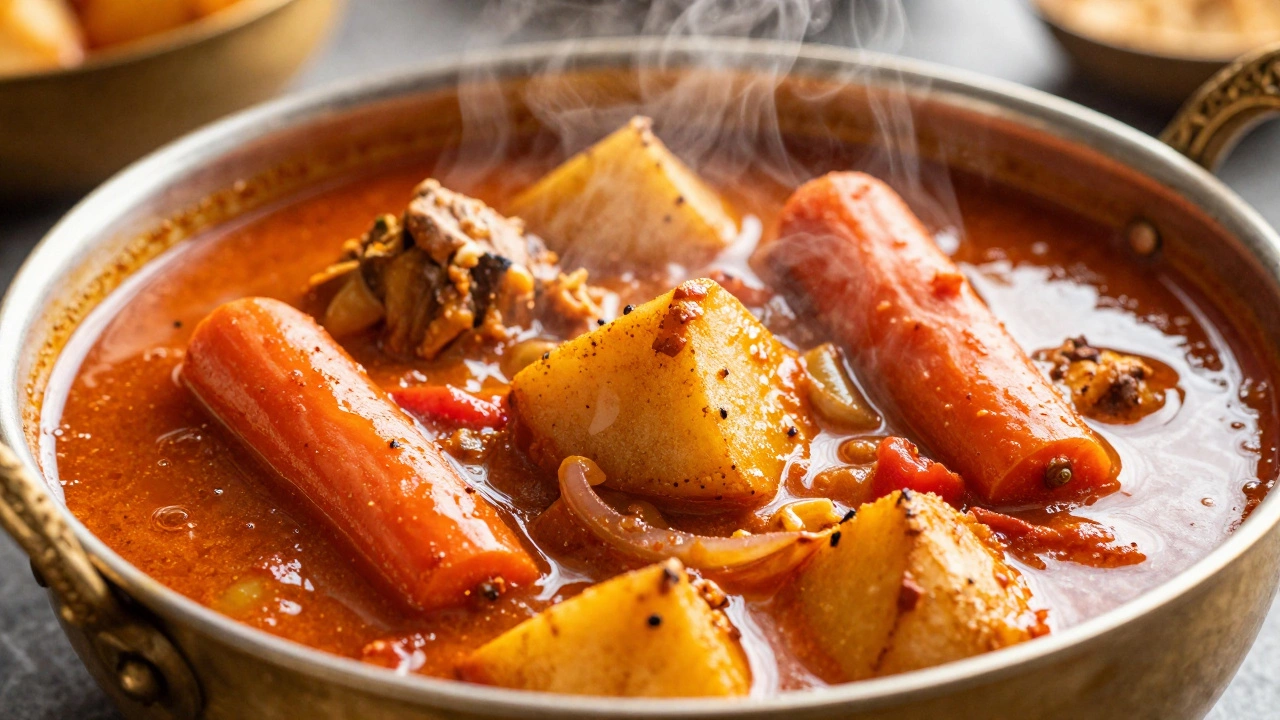
If you want your curry to feel substantial, you need root vegetables. These are the workhorses of any Indian-style curry. They take longer to cook than leafy greens or soft squashes, so they withstand the simmering process without disintegrating.
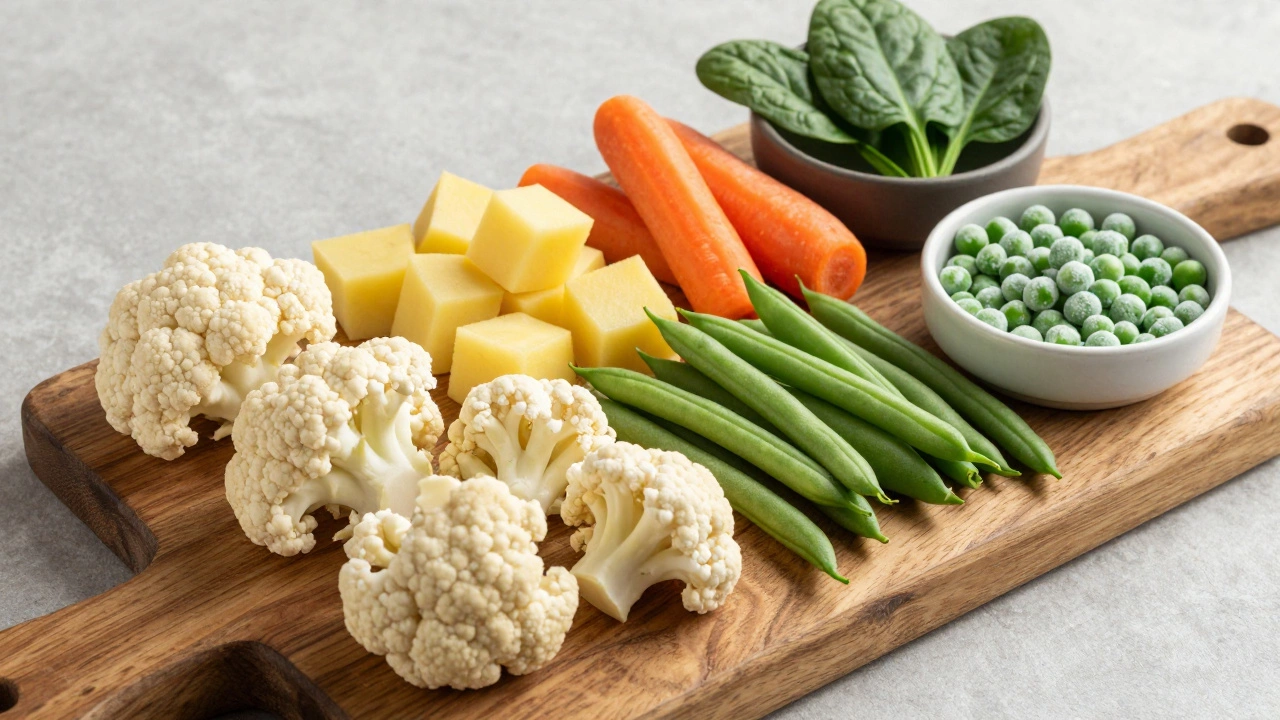
Potatoes (Aloo) are arguably the most important vegetable in a curry pantry. In India, potatoes are rarely eaten alone; they are almost always paired with something else. For a chicken curry, cubed potatoes act as sponges. As the chicken releases its juices and the oil separates from the tomato-onion base, the potatoes soak up that rich, spiced liquid. The trick here is size. Cut your potatoes into uniform 1-inch cubes. If they are too small, they will dissolve into the gravy, making it starchy and cloudy. If they are too large, the outside will be overcooked before the center is tender. Parboiling them for five minutes before adding them to the curry can also help ensure they hold their shape during the final simmer.
Carrots are another essential root vegetable, but they require a different approach. Unlike potatoes, carrots do not break down easily. To make them palatable in a curry, you should cut them diagonally into coins or batons rather than large chunks. This increases the surface area, allowing more spice to adhere to them. Sweet potatoes are a fantastic alternative if you want a sweeter, creamier texture. They soften faster than regular potatoes, so add them about ten minutes after you add the regular potatoes or chicken.
The Textural Contrast: Cruciferous and Firm Greens
A curry made entirely of soft roots can feel heavy and monotonous. You need vegetables that offer a slight crunch or a distinct bite. This is where cruciferous vegetables come in. However, these are tricky because they contain water and can release bitterness if overcooked.
Cauliflower is a classic choice, but it is prone to becoming soggy. The secret is to separate the florets and keep them whole if possible. Do not chop them into tiny bits. Add cauliflower towards the end of the cooking process-usually the last 10-15 minutes. If you add them at the beginning with the onions, they will turn gray and lose their flavor. Broccoli works similarly but cooks even faster. It adds a nice earthy note that pairs well with turmeric and cumin.
Green beans (or French beans) are excellent for adding a fresh, crisp element. Snap them in half and add them midway through the cooking process. They retain a pleasant snap even after simmering in hot gravy. If you enjoy peas, remember that frozen peas are actually superior to fresh ones for curries because they are blanched immediately after harvest, locking in their sweetness and color. Stir them in during the last two minutes of cooking. If you cook peas for more than five minutes, they turn dull green and lose their sweet pop.
The Gravy Builders: Soft Vegetables and Aromatics
While roots and greens provide body, some vegetables are there to transform the sauce itself. Onions and tomatoes are technically vegetables, and they form the base of almost every North Indian curry. But beyond the base, there are other soft vegetables that contribute significantly to the consistency.
Mushrooms are underrated in curry. They have a meaty texture that mimics chicken, making them an excellent addition even when meat is present. Button mushrooms or cremini mushrooms work best. Slice them thickly so they don't shrink away completely. They absorb the masala incredibly well and add a deep, umami richness to the broth. Add them with the chicken so they can brown slightly before the liquid is added.
Spinach and other leafy greens like kale or mustard greens should never be boiled for long periods in a curry. They wilt instantly. Chop them roughly and stir them in just before you turn off the heat. The residual warmth of the curry will cook them perfectly, keeping their vibrant green color and iron content intact. If you boil spinach for twenty minutes, it turns into a slimy mess that no amount of spice can fix.
Timing Is Everything: When to Add What
The biggest mistake home cooks make is throwing all the vegetables into the pot at once. Different vegetables have different cellular structures and water contents, meaning they cook at vastly different rates. Here is a simple timeline for a standard chicken curry:
- Stage 1 (The Base): Onions, ginger, garlic, and tomatoes. These go in first to create the masala paste. Cook until the oil separates from the mixture.
- Stage 2 (The Hard Workers): Potatoes, carrots, and sweet potatoes. Add these along with the chicken. They need 20-30 minutes to become tender.
- Stage 3 (The Middle Ground): Green beans, cauliflower, broccoli, and mushrooms. Add these after the hard vegetables have cooked for about 15 minutes. They need 10-15 minutes.
- Stage 4 (The Finishers): Peas, spinach, bell peppers, and zucchini. Add these in the last 2-5 minutes. Bell peppers, in particular, lose their bright flavor and color if overcooked.
This staggered approach ensures that every ingredient reaches its peak tenderness at the same time. Your potato won't be dust, and your pea won't be raw.
Vegetables to Avoid (Or Use With Caution)
Not every vegetable belongs in a curry. Some have flavors or textures that clash with the traditional spice profile or the cooking method. Cucumber, for example, is mostly water and will turn your rich gravy into a watery soup. Radishes can become unpleasantly spicy and bitter when slow-cooked in heavy sauces. Zucchini and summer squash cook extremely fast and release a lot of water; if you use them, add them at the very end and drain excess liquid if necessary.
Bell peppers are a love-it-or-hate-it ingredient. While they add color, their raw, grassy flavor can sometimes overpower delicate chicken curry spices. If you use them, roast them separately first to deepen their flavor, or add them only at the very end for a fresh crunch.
| Vegetable | Texture Profile | When to Add | Prep Tip |
|---|---|---|---|
| Potatoes | Soft, creamy | With chicken (Start) | Cut into uniform 1-inch cubes |
| Carrots | Firm, sweet | With chicken (Start) | Slice diagonally for better absorption |
| Cauliflower | Crunchy-tender | Last 15 minutes | Keep florets whole to prevent mushiness |
| Green Beans | Crisp | Last 10 minutes | Trim ends and snap in half |
| Peas | Pop, sweet | Last 2 minutes | Use frozen for consistent sweetness |
| Spinach | Soft, leafy | Last 1 minute | Stir in off-heat to retain color |
Pro Tips for Better Vegetable Curries
One common issue is vegetables turning out bland. This happens when they are dropped into boiling liquid without a chance to sear. Try to sauté your harder vegetables (potatoes, carrots) briefly in the spiced onion-tomato base before adding water or stock. This coats them in flavor and creates a slight crust that helps them hold together.
Another tip is to adjust your salt. Vegetables draw out moisture, which dilutes the seasoning. Taste your curry after the vegetables are cooked, not just before. You may need a pinch more salt and a squeeze of lemon juice to brighten the flavors that have mellowed during cooking.
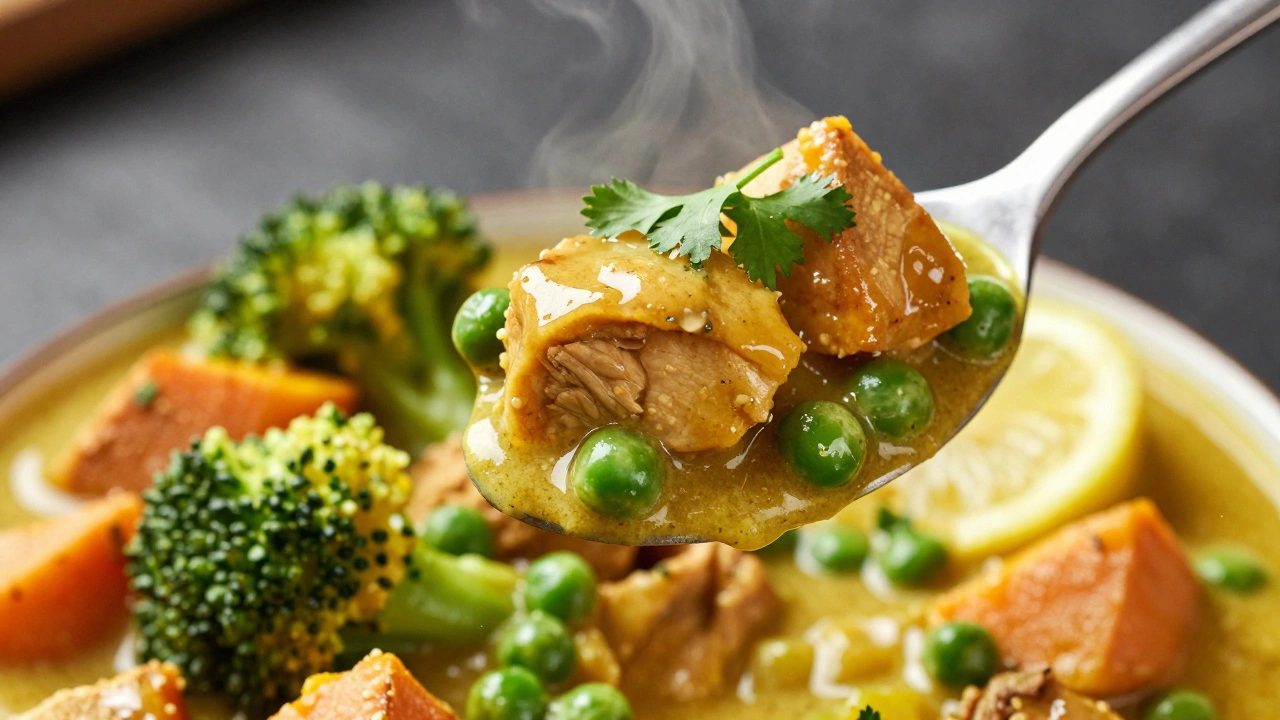
Finally, consider the color palette. A curry with only white potatoes and yellow chicken looks pale. Add red bell peppers, orange carrots, and green peas or spinach. Visual appeal stimulates appetite, and a colorful curry feels fresher and more appetizing than a monochromatic one.
Can I use frozen vegetables in curry?
Yes, absolutely. Frozen peas, corn, and mixed vegetables are often better than fresh because they are flash-frozen at peak ripeness. Just add them at the very end of cooking so they don't become mushy. Avoid using frozen broccoli or cauliflower unless you are okay with a softer texture, as freezing breaks down their cell walls.
Why did my curry turn out watery?
Watery curry is usually caused by high-water-content vegetables like zucchini, spinach, or tomatoes releasing too much liquid. To fix this, cook the curry uncovered for the last 10 minutes to allow evaporation. Alternatively, mash a few potatoes against the side of the pot to thicken the gravy naturally.
Do I need to peel the vegetables?
It depends on the vegetable and your preference. Potatoes and carrots can be left unpeeled for extra fiber and rustic texture, but ensure they are scrubbed clean. Cauliflower stems are edible and delicious; just peel the tough outer layer. Leaving skins on adds visual interest and nutrients.
What is the best vegetable for a thick curry gravy?
Potatoes are the best natural thickener. As they cook, they release starch into the liquid. Blending a portion of the cooked potatoes and onions back into the curry is a common technique to achieve a rich, velvety consistency without using cream or flour.
Can I make a curry with just one type of vegetable?
Yes, single-vegetable curries like Aloo Gobi (potato and cauliflower) or Bhindi Masala (okra) are classics. However, for chicken curry, combining at least two types of vegetables-one root and one green-provides a better balance of texture and flavor complexity.