Find Your Perfect Indian Entree
Select your preferences above
Based on regional styles and flavor profiles described in the article.
There is No Single Winner
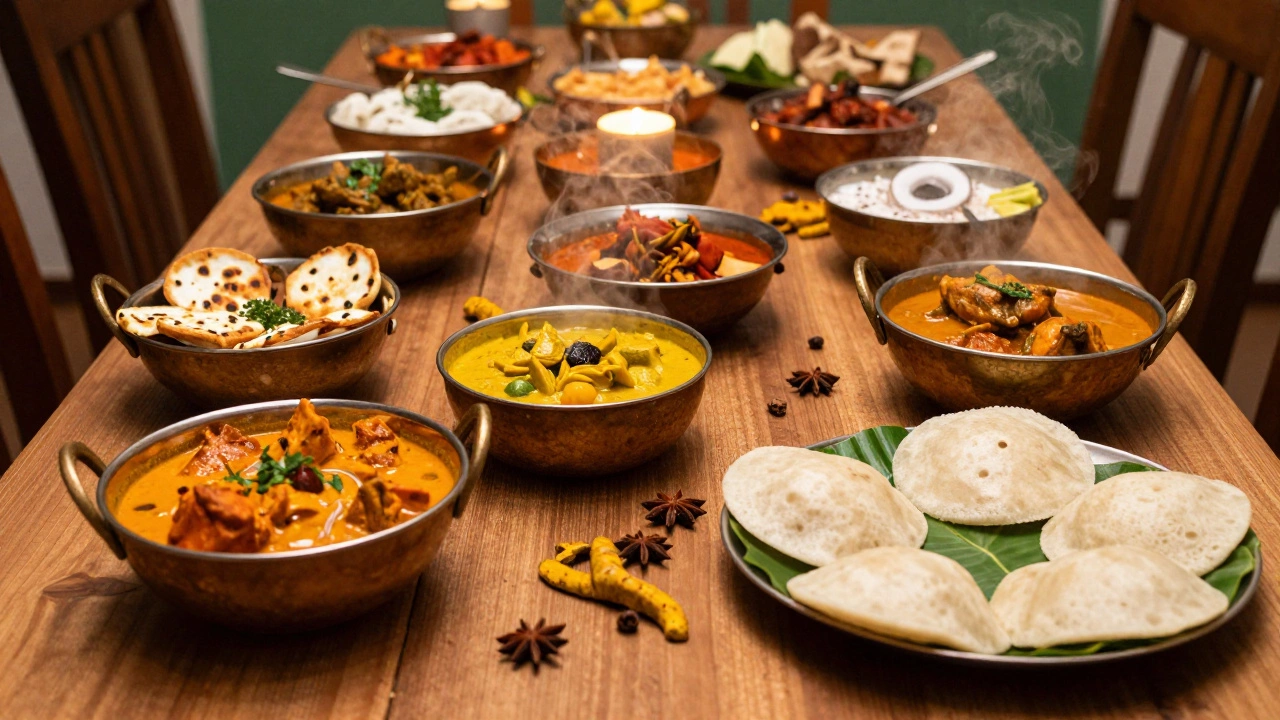
If you ask ten Indians what the best entree is, you will get ten completely different answers. This isn't just a matter of opinion; it is a reflection of a culinary tradition that spans thousands of years and covers massive geographical distances. An entree, in the context of an Indian Meal a structured dining experience centered around grains, lentils, meats, or vegetables, usually accompanied by yogurt and chutney, needs to carry weight. It must satisfy hunger and provide comfort. For many living outside of India, particularly here in the UK, the term "entree" often gets confused with appetizers. In our kitchens, however, the main event is the star. It is the centerpiece around which the rice or bread orbits.
So, does a definitive champion exist? Not really. A spicy Chettinad Chicken a fiery meat dish from Tamil Nadu known for using unique spice blends and fresh coconut milk from the south will blow away a mild, saffron-infused Kashmiri Rogan Josh a lamb curry cooked slowly with aromatic spices like fennel and cinnamon. Both are incredible, but they serve different moods. Instead of hunting for the mythical "perfect" dish, we should focus on understanding the contenders and how they fit your specific needs, ingredients, and taste buds.
The Heavyweight Champions
When people ask for the "best," they usually mean the most iconic. These are the dishes that define the cuisine globally. They have stood the test of time because their flavor profiles are deep, complex, and universally appealing when prepared correctly.
- Mutter Malai: For vegetarians, this creamy spinach and potato dish offers a mild, comforting warmth that balances heavy starches perfectly.
- Butter Chicken (Murgh Makhani): Originating in Delhi, this tomato-based gravy simmers with butter and cream. It is forgiving enough for beginners but rich enough for connoisseurs.
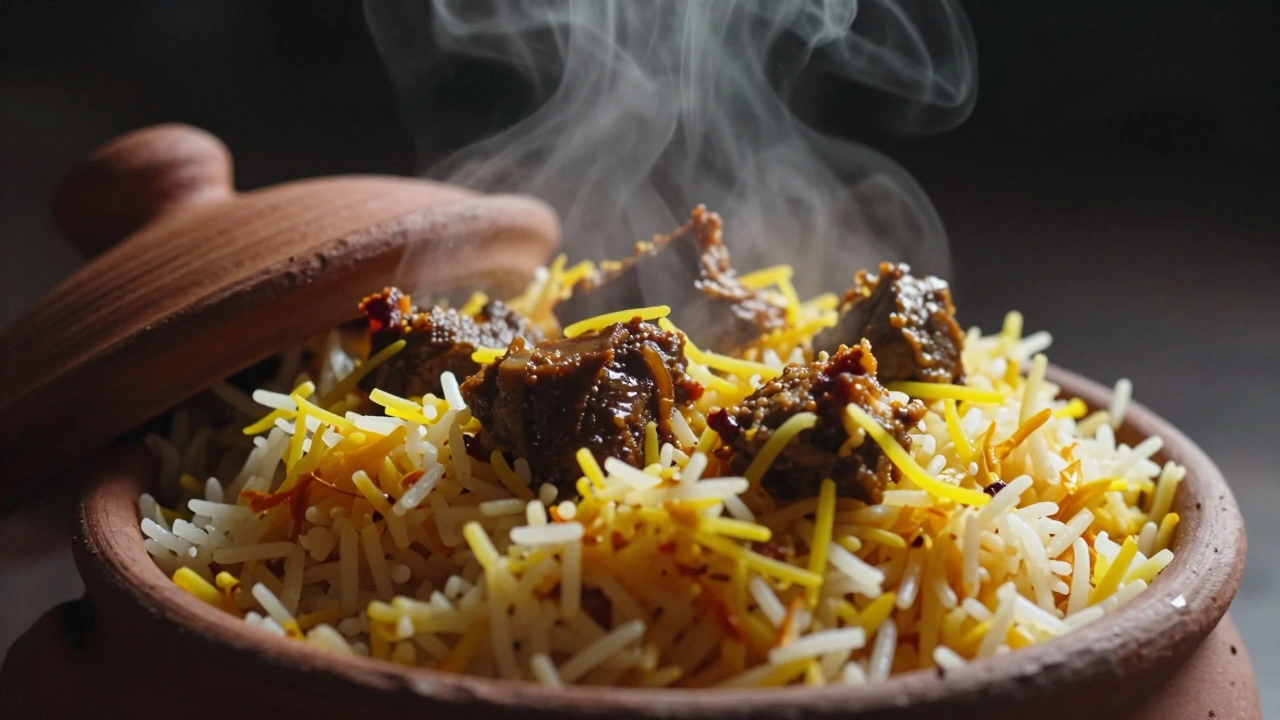
- Biryani: Technically a rice dish, but functionally a complete entree. The Hyderabadi Dum Biryani a slow-cooked rice and meat dish sealed in a clay pot to retain moisture and aroma uses layering techniques to infuse the basmati rice with meat juices.
- Palak Paneer: Spinach curried with fresh cheese cubes. It is nutrient-dense and visually striking, making it a frequent crowd-pleaser.
- Lamb Curry (Keema): Minced lamb cooked with peas and potatoes. The texture of the minced meat mimics the mouthfeel of whole cuts while absorbing spices rapidly.
Why Texture Matters More Than Flavor
We often talk about "spiciness," but the real secret to a great Indian entree lies in texture. A good main course needs contrast. You cannot have a soft, mushy stew served on soft naan without it feeling unbalanced. That is why the best Indian entrees play with textures. Think of the crunch in a vegetable korma versus the tenderness of slow-cooked legumes.
Take Aloo Gobi a dry curry made with potatoes, cauliflower, and turmeric, common in North Indian households as an example. When done right, the cauliflower florets stay firm, resisting the boil, providing a satisfying snap against the soft potatoes. If everything is soft, the palate gets tired. This textural variety extends to the proteins too. Marinated tandoori pieces offer a chewy, smoky bite, whereas lentil dal (Dal Tadka) provides a smooth, velvety coating that clings to the tongue. Selecting your entree depends heavily on what kind of texture mood you are in. Do you want something to gnaw on like a grilled kebab, or something silky to spoon over rice?
Regional Divides: North vs. South
You cannot discuss the best entree without acknowledging that India is two different kitchen worlds. The divide runs roughly through the Deccan Plateau. Understanding this split helps you decide which direction to lean for your dinner table.
In the North, dairy and wheat rule. You will see heavy use of ghee, cream, paneer, and naan. Gravies are often thicker, relying on a paste of onions and tomatoes cooked until the oil separates. This technique is called tadka or tempering. The flavors are robust, sometimes sweet (like in Korma) due to nuts and caramelized sugar, or savory with cumin and coriander.
The South is a different story. Here, the climate is tropical, so preservation is key. You get a lot of mustard seeds, black pepper, dried red chilies, and coconut. The gravies are thinner, often based on coconut milk or water. Rice is the primary carb, not bread. An authentic Kerala fish curry will taste nothing like a Punjab kadhai chicken. The "best" for a South Indian family might be Sambar a lentil-based vegetable stew seasoned with tangy tamarind and whole spices with steamed idlis, while the North prefers their roti with a rich chicken tikka masala. Your choice should depend on your pantry staples. Do you have access to high-quality frozen fish and fresh coconuts? Or do you prefer the accessibility of dried onion powder and block paneer?
The Case for Lentils (Dal)
I would be remiss if I didn't mention that the "best" entree might just be the simplest. Many expats and home cooks underestimate Dal. In India, dal is a daily entree. It is the backbone of the meal. It is packed with protein, fiber, and probiotics if left to ferment slightly.
A simple Toor Dal (Pigeon Peas) tempered with garlic, cumin, and chili flakes beats a fancy, complicated sauce that takes hours to prep. Why? Because Dal pairs with everything. It goes with white rice, brown rice, parathas, and even just salted lemon water. It is versatile. When buying pre-packaged lentils in Bristol supermarkets, you get a head start. Rinsed yellow split peas can be boiled in 20 minutes. Adding a teaspoon of ghee at the end transforms it from "bland porridge" to "luxury dinner."
| Dish Type | Prep Time | Difficulty | Primary Carb Pairing | Flavor Profile |
|---|---|---|---|---|
| Butter Chicken | 45 mins | Medium | Tandoori Roti | Creamy, Tomatoy |
| Palak Paneer | 30 mins | Easy | Naan or Chapati | Earthy, Mild |
| Vindaloo | 90 mins | Hard | Saltine or Steamed Rice | Tangy, Spicy |
| Dal Makhani | 4 hrs | Easy (Slow) | Basmati Rice | Rich, Smoky |
| Biryani | 60 mins | High | Sides/Raita | Fragrant, Savory |
Evaluating Ease and Accessibility
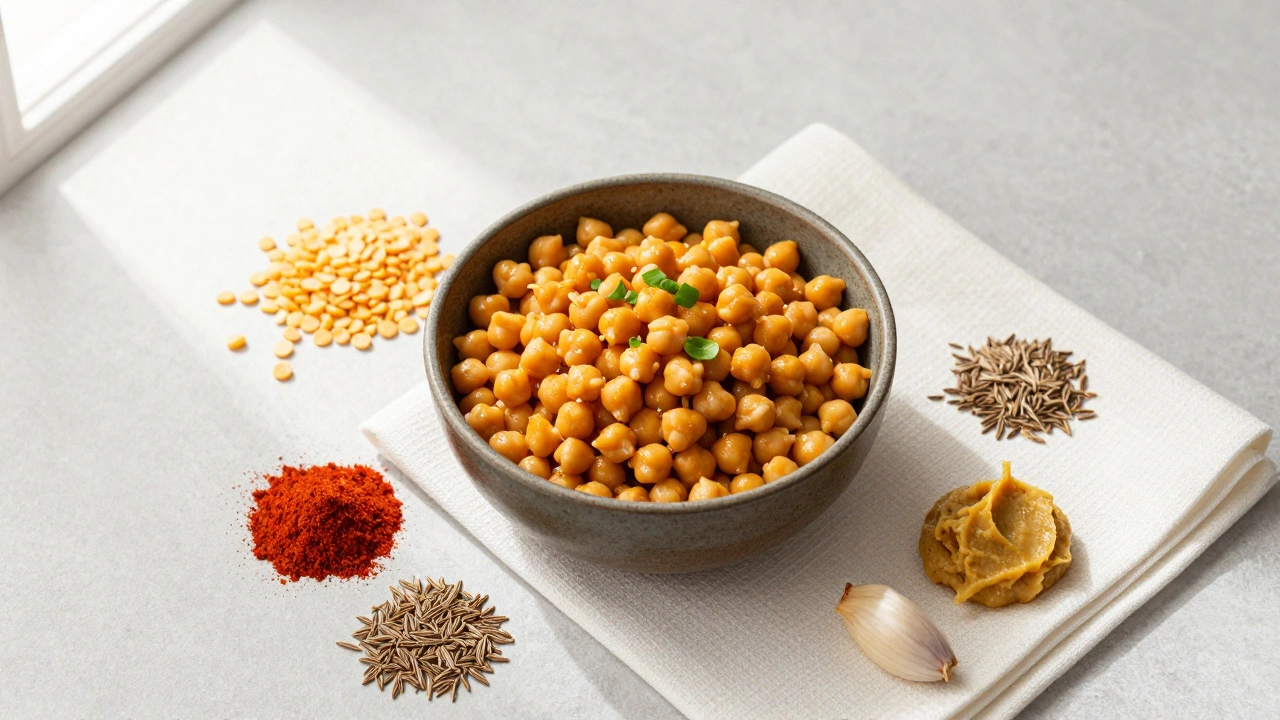
If you are new to cooking Indian food, complexity is your enemy. You can't make a restaurant-quality Biryani in your first week. You need a reliable, fail-safe entree. I recommend starting with a Chickpea Curry (Chana Masala). Chickpeas are shelf-stable, cheap, and available everywhere. You can buy them canned for speed, or soak them overnight for authenticity. The recipe involves frying onions until golden, adding ginger-garlic paste, tomatoes, and a blend of turmeric, coriander, cumin, and garam masala. It yields a thick sauce that coats the chickpeas.
Another beginner-friendly option is Shahi Paneer a royal-style paneer curry cooked in a nut-and-milk based white gravy with saffron. Fresh paneer can be a bit tricky to find locally compared to tofu, but once you get it, you cut it into cubes and shallow fry until golden. Then toss it in a cashew cream sauce. The beauty here is that there is no boiling required for the sauce, reducing the risk of burning the pan. Both Chana Masala and Shahi Paneer teach you the fundamental rhythm of Indian cooking: Onions, then Spices, then Tomato Base.
Pairing Your Entree
A great entree stands alone, but it shines when paired correctly. Don't just pile it onto rice. Consider the balance.
- Gravy-heavy dishes: Serve with plain basmati rice or naan. The grain acts as a sponge.
- Dry dishes (Jhinga Bhaja or dry kebabs): These go with Jeera Rice long-grain basmati rice lightly sautéed with cumin seeds or mint chutney. The lack of sauce allows the seasoning on the meat to shine.
- Spicy dishes: Always serve with yogurt-based raita or papadum to cool the palate.
Sometimes the "best" entree isn't about the cooking but about the sides. A humble bowl of plain rice becomes gourmet when topped with a spicy potato masala and a scoop of tangy yogurt. Think about the color palette on your plate. Green spinach, red tomatoes, yellow turmeric, white rice-it all contributes to the appetite.
Conclusion on the "Best" Choice
The truth is, the best Indian entree is the one that fills your kitchen with the smell of roasting spices when you walk in the door. It is the dish you feel confident serving guests and the one you crave after a long day. For pure versatility, Chana Masala wins. For richness, Dal Makhani takes the crown. If you want to impress, go for a slow-simmered Lamb Curry. Cooking Indian food is about experimentation. You adjust the heat, the salt, and the acidity until it suits your mouth. That personalization is what makes it the ultimate meal.
What is the easiest Indian entree for a beginner?
Chana Masala (chickpea curry) is widely considered the easiest starter. You can use canned chickpeas to reduce prep time, and the cooking process is straightforward: sauté onions, add spices, simmer with tomatoes, and combine. It teaches basic spice layering without complex techniques.
Can I make an Indian entree with just one pan?
Yes, absolutely. Most Indian curries require only one large pot or deep skillet. You caramelize onions, add your aromatics and spices, then add your liquid and main ingredient. Slow cookers also work very well for dishes like Dal Makhani or Rogan Josh.
Is an entree always spicy?
Not necessarily. While chili peppers are common, "heat" is optional. Many classic dishes like Shahi Paneer or Korma rely on sweetness from cream, cashews, or raisins to balance the spices. You can easily control the heat by removing the seeds from green chilies before frying.
Which rice works best with Indian entrees?
Long-grain Basmati rice is the gold standard. It cooks fluffy and separate, unlike short-grain rice which tends to clump together. Wash the rice thoroughly before cooking to remove excess starch. You can also try Jeera Rice (cumin rice) for extra flavor.
How do I store leftover Indian curries?
Most curries reheat better than they taste fresh. Store them in an airtight container in the fridge for up to three days. Allow the curry to cool completely before sealing to prevent condensation. Add a splash of water when reheating to loosen the thickened gravy.