Tandoori Chicken Color & Marinade Calculator
Struggling to get that vibrant orange-red glow? Use this tool to calculate your spice ratios and check if your technique matches the science behind authentic tandoori chicken.
Your Tandoori Plan
Key Success Factors:
Walk into any authentic Indian restaurant in Bristol or Mumbai, and you’ll see it: that vibrant, fiery orange-red glow of tandoori chicken. It’s impossible to ignore. But have you ever stopped to wonder why it looks like a sunset? Is it just a lot of regular chili powder? Or is there some secret dye involved?
If you’ve tried making tandoori chicken at home and ended up with pale, greyish meat, you’re not alone. The color isn’t accidental; it’s a specific culinary technique passed down through generations. Getting that signature hue requires understanding the interplay between heat, fat, and specific spices. Let’s break down exactly what creates that iconic look and how you can achieve it without turning your kitchen into a hazard zone.
The Real Secret: Kashmiri Red Chili Powder
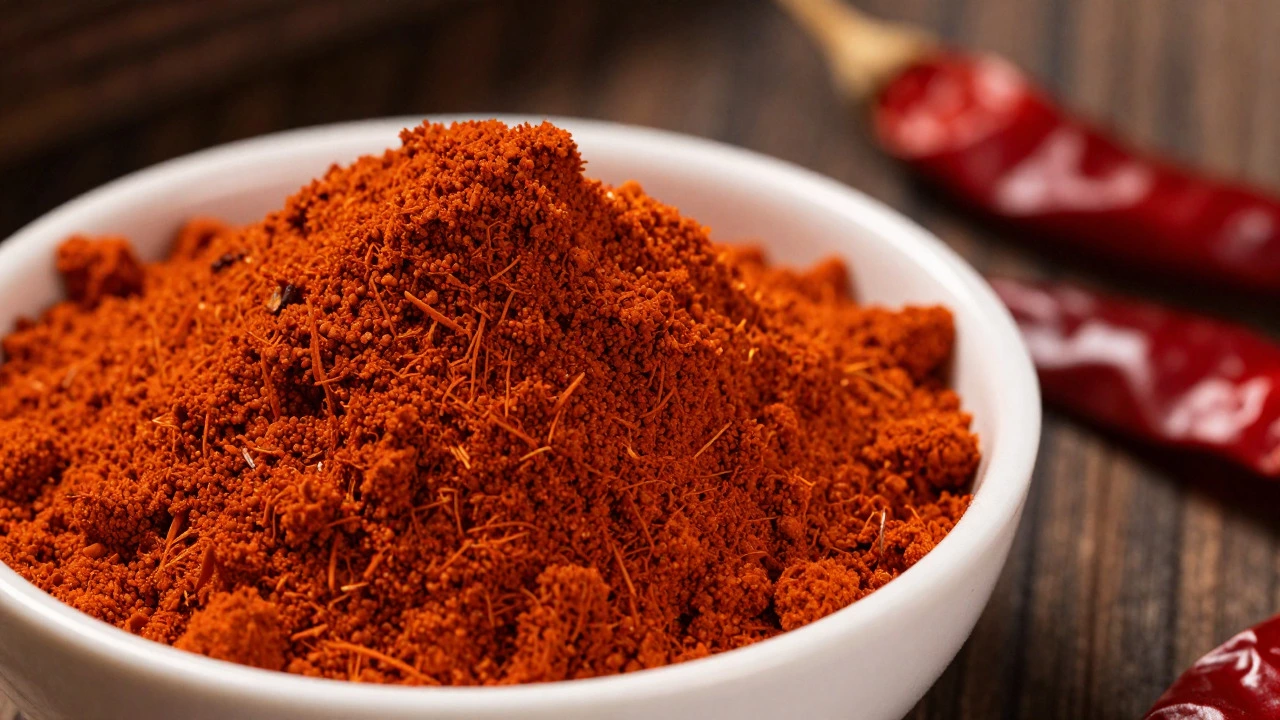
The primary reason tandoori chicken is orange comes down to one specific ingredient: Kashmiri red chili powder is a variety of dried chili from the Kashmir region known for its intense red color and mild heat level. Unlike standard cayenne pepper or generic paprika, which are chosen primarily for their spice kick, Kashmiri chilies are grown and processed specifically for their pigment.
This chili powder contains high levels of carotenoids, natural pigments that give many fruits and vegetables their red and orange hues. When you coat chicken in this powder, you aren’t just adding flavor; you’re applying a natural food coloring agent. The beauty of using Kashmiri chili is that it delivers the visual impact of deep red without burning your tongue. You can use a generous amount to get that rich color while keeping the dish moderately spicy. If you rely on hot chili flakes instead, you’d have to eat fire to get the same shade of orange.
The Role of Yogurt and Acid
Spice alone doesn’t make the color stick. That’s where the marinade base comes in. Traditional tandoori recipes use thick, full-fat yogurt as the vehicle for the spices. Why yogurt? It serves two critical purposes beyond tenderizing the meat.
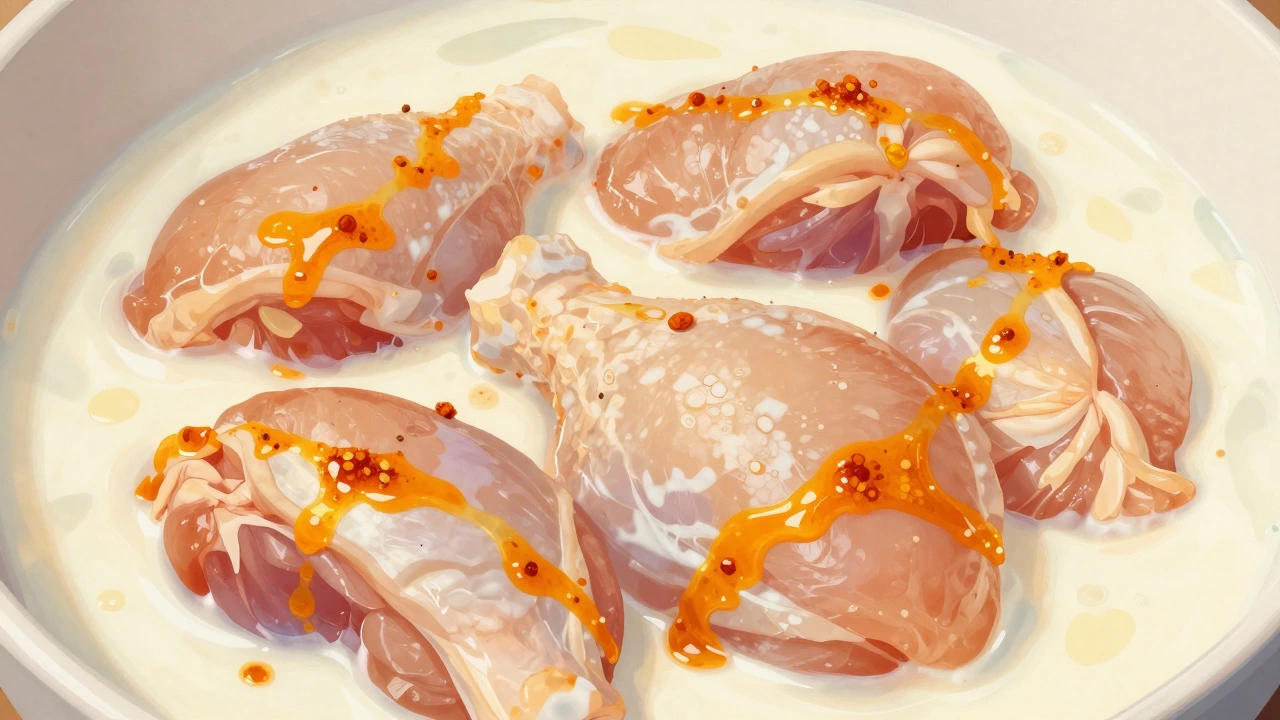
First, yogurt contains lactic acid, which helps break down the proteins in the chicken, allowing the marinade to penetrate deeper. Second, and more importantly for the color, the fats and proteins in the yogurt bind with the oil-soluble pigments in the chili powder. When the chicken hits the heat, these pigments set into the surface of the meat. If you skip the yogurt or use a low-fat version, the spices tend to slide off or burn away, leaving you with dry, pale chicken. The fat content acts as a glue, holding that beautiful orange layer onto the skin.
Heat Source Matters: Charcoal vs. Oven
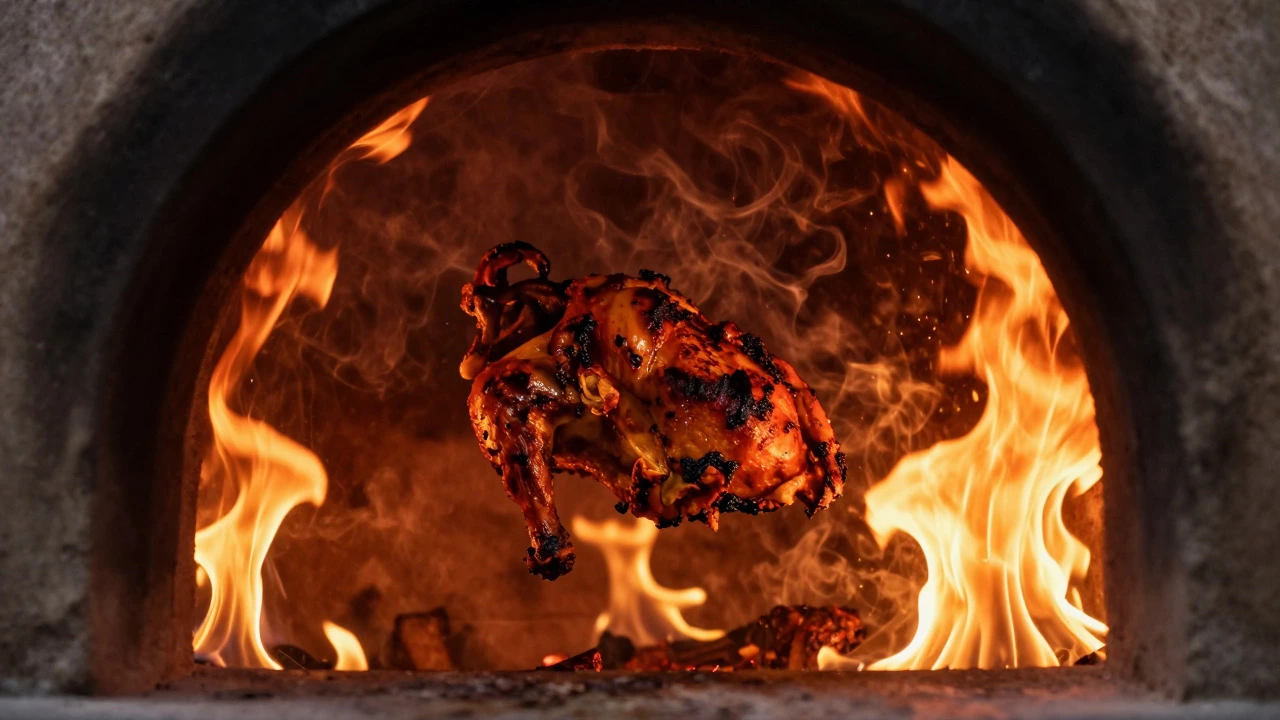
You might be wondering why restaurant tandoori chicken looks so much more vivid than your home oven attempts. The answer lies in the cooking method. Authentic tandoori chicken is cooked in a tandoor is a cylindrical clay or metal oven used in South Asian cuisine that reaches extremely high temperatures. These ovens often burn charcoal or wood, reaching temperatures upwards of 900°F (480°C).
This intense, direct heat causes rapid caramelization and charring on the exterior of the chicken. The smoke from the charcoal infuses the meat with a smoky aroma and adds a subtle darkening effect that enhances the red tones. In a standard home oven, you’re dealing with indirect, drier heat. Without the searing power of a tandoor, the chili powder can sometimes fade or turn brown rather than staying bright orange. To mimic this at home, chefs often recommend using a broiler or grill to get that final char, which locks in the color and adds depth.
Food Coloring: The Modern Shortcut
Let’s address the elephant in the room: artificial food coloring. In many commercial settings, especially outside of India, restaurants add a drop or two of red food coloring to the marinade. This ensures consistency. No matter how fresh the chilies are or how hot the oven gets, the color will always be that perfect, uniform neon-orange.
Is this cheating? Not necessarily. It’s a practical solution for high-volume kitchens where lighting conditions vary and customer expectations are high. However, if you’re cooking at home, you likely don’t need it. Relying solely on natural ingredients gives you a more nuanced, appetizing color that shifts slightly from piece to piece, indicating real cooking rather than industrial processing. If you do choose to use food coloring, start with a tiny amount. A little goes a long way, and too much can result in an unnatural, plastic-looking finish that screams "processed" rather than "homemade."
Other Ingredients That Influence Color
While Kashmiri chili is the star, other ingredients play supporting roles in achieving the right shade. Turmeric, for instance, is a staple in Indian cooking, but it’s yellow, not red. Adding too much turmeric can mute the orange-red tones, turning the chicken a muddy brownish-yellow. Use it sparingly for flavor, not for color.
Ginger-garlic paste also contributes. While primarily aromatic, the enzymes in ginger help further tenderize the meat, ensuring the marinade adheres properly. Additionally, some recipes include a splash of lemon juice or vinegar. The acidity helps brighten the overall profile, but excessive acid can cause the chili pigments to degrade over time if the chicken sits in the marinade for too long. Aim for a balance where the acid tenderizes without breaking down the color compounds.
| Ingredient | Color Contribution | Heat Level | Best Use Case |
|---|---|---|---|
| Kashmiri Chili Powder | Deep Orange-Red | Mild | Primary colorant and flavor |
| Cayenne Pepper | Bright Red | High | Adding heat, not color |
| Paprika | Dull Red/Brown | Low | Western-style marinades |
| Red Food Coloring | Neon Orange | None | Commercial consistency |
| Turmeric | Yellow | None | Flavor enhancement only |
How to Get the Perfect Color at Home
Ready to try it yourself? Here’s a simple approach to getting that restaurant-quality orange glow without a tandoor.
- Choose the Right Chicken: Bone-in, skin-on thighs work best. The skin holds the marinade better than breast meat, which tends to dry out and lose color quickly.
- Make a Thick Marinade: Mix full-fat Greek yogurt with Kashmiri chili powder, ginger-garlic paste, salt, and a touch of oil. The oil helps spread the fat-soluble pigments evenly.
- Marinate Overnight: Give it at least 6 hours, preferably overnight. This allows the acids to tenderize and the colors to set into the fibers.
- Use High Heat: Preheat your oven to the highest setting (usually 500°F/260°C) or use a grill pan. Place the chicken close to the heat source to encourage charring.
- Finish with Butter: Brushing with melted butter during the last few minutes of cooking adds shine and helps the color pop under the light.
Common Mistakes to Avoid
One common error is overcrowding the pan. When chicken pieces touch, they steam instead of roast. Steaming washes away the surface marinade, leading to pale spots. Leave space between each piece. Another mistake is using old chili powder. Spices lose their potency and color over time. If your Kashmiri chili powder has been sitting in your cupboard for two years, it’s probably brown, not red. Buy fresh spices for the best results.
Also, avoid adding sugar to the marinade unless you’re careful. Sugar burns quickly at high temperatures. While a hint of sweetness balances the heat, too much will create blackened, bitter patches that ruin the visual appeal. Stick to the natural sweetness of the yogurt and the earthiness of the spices.
Health Considerations
Is all that red color good for you? Generally, yes. Kashmiri chilies are rich in antioxidants and vitamins. The yogurt provides probiotics and protein. However, watch out for sodium levels in store-bought mixes, which often contain preservatives and excess salt. Making your own marinade lets you control the ingredients and ensure you’re getting the health benefits without the hidden additives.
Remember, the goal of tandoori chicken is balance. The color should be appetizing, not alarming. If it looks like a traffic cone, you might have gone too heavy on the artificial coloring. Aim for a warm, inviting orange-red that hints at the smoky, spicy flavors within.
Can I use paprika instead of Kashmiri chili powder?
Yes, but the result will differ significantly. Paprika lacks the intense red pigment of Kashmiri chilies and often turns brown when cooked. You would need to use a large amount to get any color, which can alter the flavor profile. For the authentic orange-red hue, Kashmiri chili powder is essential.
Why did my tandoori chicken turn brown instead of orange?
This usually happens due to insufficient heat or using the wrong type of chili. Standard chili powders burn easily and turn brown. Ensure you are using Kashmiri chili powder and cook at a high temperature to caramelize the sugars in the yogurt without burning the spices.
Do I need a tandoor oven to make tandoori chicken?
No, a traditional tandoor is not necessary. You can achieve similar results using a conventional oven set to its highest temperature, a grill, or a broiler. The key is high, direct heat to char the exterior and lock in the color.
Is the red color in tandoori chicken artificial?
Not necessarily. Authentic recipes rely on Kashmiri red chili powder for color. However, some restaurants may add a small amount of red food coloring for consistency. At home, you can achieve the color naturally without artificial additives.
How long should I marinate the chicken for the best color?
For the best color penetration and flavor, marinate the chicken for at least 6 hours, ideally overnight. This allows the yogurt and spices to fully absorb into the meat, ensuring the color stays vibrant even after cooking.