Perfect Paneer Texture Checker
Select the option that best describes how you made your paneer to find out if it will be soft or rubbery.
Full-Fat Cow's Milk
Fresh pasteurized, high fat content.
Buffalo Milk
Rich, dense, naturally harder texture.
Low-Fat / Skimmed Milk
Reduced fat, often chalky results.
Gentle Simmer (85°C)
Small bubbles, skin formed on top.
Rolling Boil
Violent bubbling, splashing sides.
Added Acid Too Early
Milk wasn't hot enough when acid added.
Lemon Juice (Slowly)
Added tbsp by tbsp until separation.
Vinegar (Dumped In)
Sharp acid, added all at once.
Whey Turned Yellow/Cloudy
Added too much acid, over-coagulated.
Hung for 15-20 Mins
No squeezing, gravity drainage only.
Light Weight Press
Pressed gently for firmness.
Squeezed Hard
Wringed out like a wet sponge.
You’ve spent twenty minutes watching the milk boil, added the lemon juice with precision, and strained the curds. You expect a soft, crumbly block of paneer, which is a fresh, non-aged Indian cottage cheese known for its mild flavor and spongy texture. Instead, you get a hard, elastic brick that squeaks when you chew it. It’s frustrating, especially when you need it for a delicate dish like Palak Paneer. But don’t throw it away yet. This issue is incredibly common among home cooks, and the good news is that it’s almost always fixable. The secret lies not in luck, but in understanding the chemistry of heat and acidity.
The Chemistry Behind Rubberiness
To stop the rubber effect, we first need to understand why it happens. Milk is an emulsion of fat, water, and proteins. The two main proteins are casein and whey. When you add acid-like lemon juice or vinegar-to hot milk, the pH level drops. This causes the casein proteins to unfold and clump together, forming solid curds while leaving the liquid whey behind. This process is called coagulation.
Rubberiness occurs when these protein bonds become too tight and dense. Imagine a loose net versus a tightly woven rope. Soft paneer has a loose, open structure that holds moisture. Rubbery paneer has squeezed out all its water and formed a dense, elastic network. This usually happens due to three specific mistakes: overheating the milk, using too much acid, or squeezing the curds too aggressively during straining.
Mistake #1: Boiling Too Hard
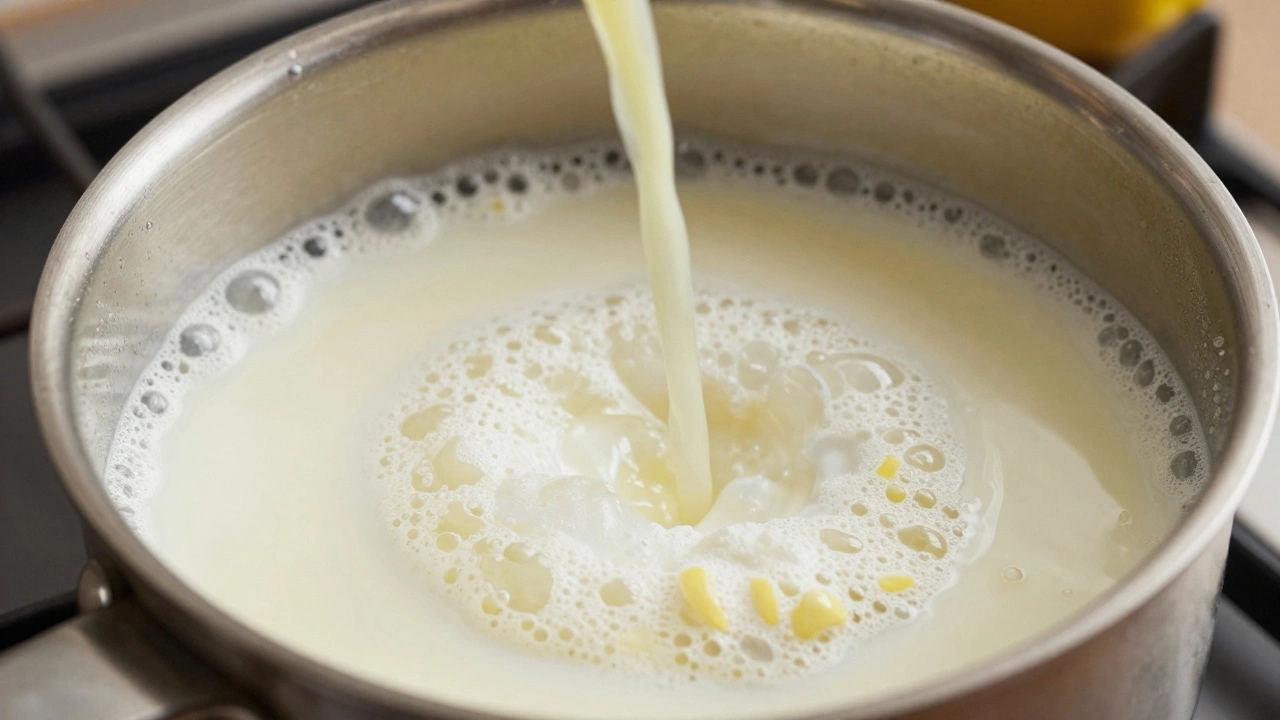
This is the number one culprit. Many recipes say "bring to a boil," but they don't specify how vigorous that boil should be. If your milk is rolling violently, the temperature spikes above the ideal range for gentle coagulation. High heat forces the proteins to contract rapidly, squeezing out moisture before the curds even fully form. This creates a tough exterior that seals in a dense interior.
The Fix: Aim for a simmer, not a storm. Once the milk reaches a boil, reduce the heat immediately. You want small bubbles gently breaking the surface, not large waves splashing against the sides. Keep the temperature around 85°C (185°F). If you don't have a thermometer, look for the skin forming on top of the milk-that’s your sign it’s ready. Remove the pan from the heat entirely before adding the acid. Letting it sit off the flame for 30 seconds ensures the acid reacts gently rather than aggressively.
Mistake #2: The Acid Ratio and Type
Not all acids are created equal, and the amount you use matters more than you might think. Vinegar is sharper and acts faster than lemon juice. If you use too much vinegar, or if you dump it all in at once, you shock the milk. The proteins snap shut instantly, trapping less water and creating a harder texture. Lemon juice is gentler because it contains citric acid along with other compounds that slow down the reaction slightly, allowing for a softer set.
The Fix: Use lemon juice over vinegar for the softest results. Add it slowly, one tablespoon at a time, stirring gently after each addition. Stop adding acid as soon as you see the greenish-white whey separating from the white curds. You’ll know you’ve gone too far if the whey turns cloudy or yellowish; this means you’ve added excess acid, which continues to tighten the protein structure. A general rule of thumb is about 2-3 tablespoons of lemon juice per liter of full-fat milk.
Mistake #3: Over-Squeezing and Cooling
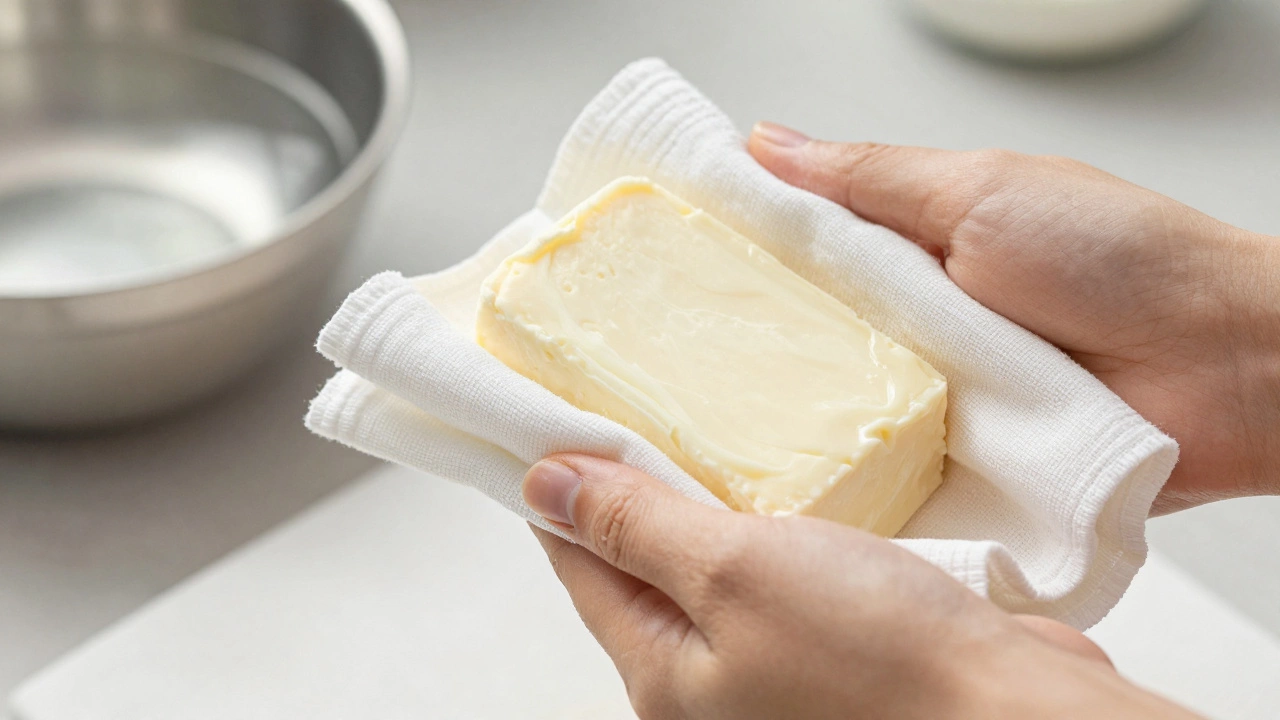
Even if you curdle the milk perfectly, you can ruin the texture in the final steps. After straining, the curds are still warm and fragile. Many people rush to squeeze them into a neat block to remove excess water. While removing whey is necessary, aggressive squeezing compresses the protein matrix. Think of it like wringing out a wet sponge vs. pressing it lightly. Wringing it dry makes it stiff and unyielding.
Cooling also plays a role. If you press the paneer under a heavy weight while it’s still hot, it becomes dense. Conversely, letting it cool completely in the fridge without any pressure keeps it crumbly but potentially too moist for frying. The balance is key.
The Fix: Drain the whey through a muslin cloth or cheesecloth. Gather the corners and tie them loosely. Let it hang for 15-20 minutes at room temperature. Do not squeeze the bundle. For most dishes, this light drainage is enough. If you’re making Paneer Tikka where you need firmer cubes, wrap it in a clean kitchen towel and place a light weight (like a plate with a bowl of water) on top for 30 minutes. Never exceed an hour of pressing, and never use extreme force.
The Role of Milk Quality
You can perfect your technique, but if your starting ingredient is wrong, the result will suffer. Not all milk creates good paneer. Skimmed or low-fat milk lacks the fat globules that cushion the protein structure, leading to a dry, chalky, or rubbery outcome. Powdered milk reconstituted with water often fails because the protein structure is already denatured during processing.
The Fix: Always use full-fat cow’s milk. Buffalo milk works too but yields a denser, richer paneer that is naturally harder to make ultra-soft. Avoid UHT (Ultra-High Temperature) milk if possible, as the high-heat treatment alters the proteins, making them less responsive to acid coagulation. Fresh pasteurized milk is the gold standard for homemade paneer.
| Factor | Resulting Texture | Ideal Action |
|---|---|---|
| High Heat (>90°C) | Rubbery, Tough | Simmer gently at 85°C |
| Excess Acid | Dry, Crumbly, Hard | Add acid gradually until separation |
| Aggressive Squeezing | Dense, Elastic | Drain naturally for 15-20 mins |
| Low-Fat Milk | Chalky, Dry | Use full-fat cow's milk |
| Vinegar vs Lemon | Vinegar = Firmer; Lemon = Softer | Use lemon juice for softness |
Rescuing Already Rubbery Paneer
Did you already make a batch that turned out like a shoe sole? Don’t despair. You can salvage it. The texture is compromised, but the flavor remains. The goal now is to reintroduce moisture and break up the dense protein structure.
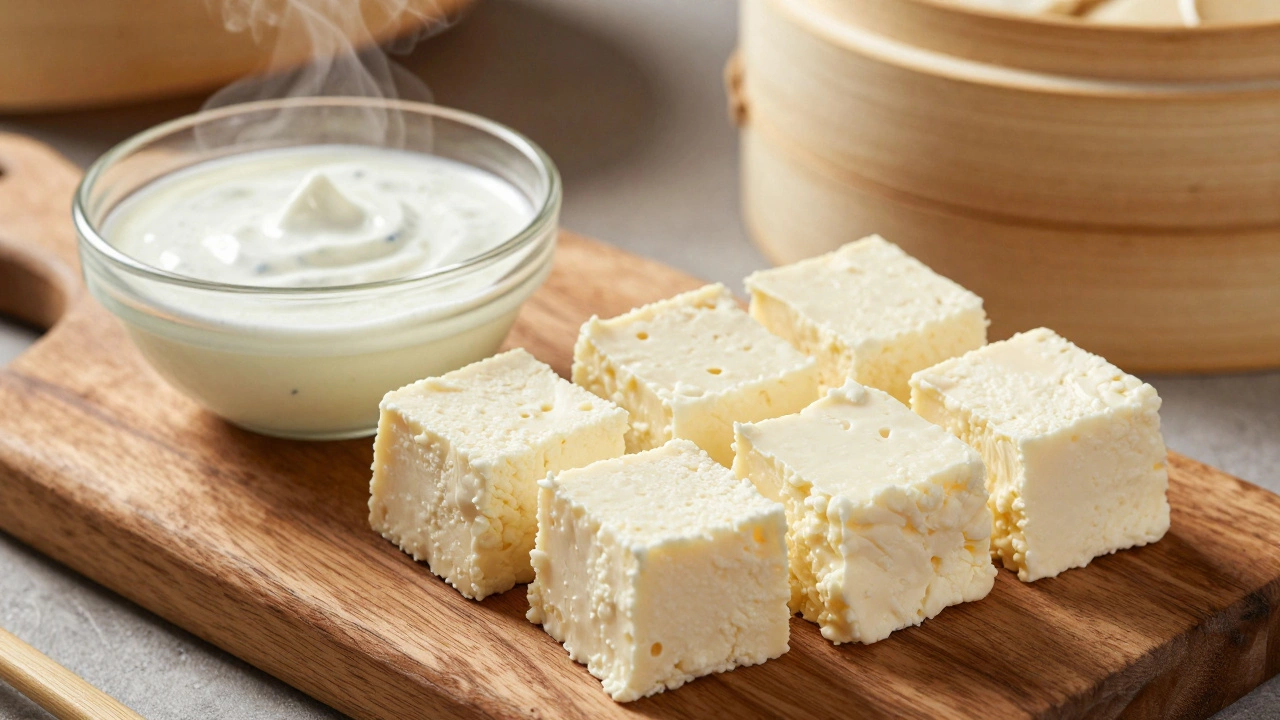
Method 1: The Steam Trick. Cut the rubbery paneer into cubes. Place them in a steamer basket over boiling water for 5-7 minutes. The steam penetrates the cheese, relaxing the proteins and making it tender again. This works best for gravies where the paneer will absorb sauce.
Method 2: The Marinade Soak. If you’re making tikkas, soak the cubes in a mixture of yogurt, cream, and a pinch of baking soda for 30 minutes. The lactic acid in yogurt helps tenderize, while the baking soda raises the pH slightly, loosening the tight protein bonds. This doesn’t make it as soft as fresh-made paneer, but it eliminates the rubbery chew.
Method 3: Grate and Mix. If the paneer is too hard to eat as chunks, grate it finely. Mix it into spiced potatoes for a filling, or blend it into a dough for snacks like Koftas. In these applications, the texture becomes irrelevant because it’s distributed throughout another ingredient.
Pro Tips for Consistent Results
Consistency comes from controlling variables. Here are a few habits that will ensure your next batch is perfect:
- Weigh Your Milk: Volume measurements can vary. Using a scale ensures you know exactly how much acid to add relative to the milk quantity.
- Pre-Chill Your Strainer: Placing the muslin cloth in the fridge for 10 minutes before straining helps shock the curds gently, setting them faster without needing excessive pressure.
- Test Small First: Before adding all your acid, take a spoonful of hot milk into a small cup and add a drop of lemon juice. If it curdles cleanly, you’re ready. If it stays milky, the milk isn’t hot enough. If it turns yellow instantly, you’re using too much acid.
- Don’t Rush the Resting Time: After cutting the paneer block, let it rest in the fridge for at least an hour before cooking. This allows the internal moisture to redistribute evenly, preventing crumbling or hardness.
Making paneer is less about following a recipe and more about respecting the ingredients. By lowering the heat, moderating the acid, and handling the curds with care, you transform a potential kitchen disaster into a culinary triumph. Your next batch won’t just be edible; it will be the star of the dish.
Can I use buttermilk instead of lemon juice to make paneer?
Yes, buttermilk (chaach) works well and produces a very soft, mild-flavored paneer. However, it takes longer to curdle than lemon juice or vinegar. You may need to let the milk sit for 15-20 minutes after adding the buttermilk before straining. Ensure the buttermilk is sour enough; fresh buttermilk might not have sufficient acidity.
Why does my paneer turn yellow when I add too much lemon?
The yellow color indicates that you have added excess acid, which begins to dissolve some of the curd proteins back into the whey. This results in a loss of yield and a tougher, more rubbery texture. To prevent this, add acid slowly and stop as soon as clear greenish whey separates from the white curds.
Does salt affect the texture of homemade paneer?
Adding salt directly to the milk before curdling can interfere with the coagulation process, sometimes resulting in a grainier or harder texture. It is better to season the paneer after it has been formed and cut, either by marinating it or adding salt to the gravy it is cooked in.
Can I freeze homemade paneer to keep it soft?
Freezing changes the texture of paneer significantly, making it more crumbly and porous upon thawing. It does not stay soft. If you must freeze it, store it submerged in water in an airtight container to minimize air exposure. Thaw it in the refrigerator overnight and use it only in dishes where a crumbly texture is acceptable, like stuffed parathas.
Is it normal for paneer to shrink when fried?
Slight shrinking is normal as moisture evaporates during cooking. However, significant shrinkage or hardening suggests the paneer was over-pressed or made with skimmed milk. Properly made, softly pressed paneer will hold its shape well with minimal size reduction when pan-fried or grilled.