Dhokla Health & Calorie Calculator
Dhokla is often perceived as a light snack, but sugar syrup, oil tempering, and coconut chutney can significantly increase its calorie count. Use this tool to see how your specific plate stacks up.
Your Plate Configuration
Enter your preferences and click "Analyze My Snack" to see the results.
Why This Matters
- Base Dhokla: ~150 kcal per 100g. Low fat, moderate protein.
- The Sugar Trap: Traditional recipes pour sugar syrup over the steamed cake. This adds pure simple carbs that spike blood sugar quickly.
- Tempering Oil: One tablespoon of oil adds ~120 calories. Street vendors often use more for flavor.
- Pro Tip: Pair with yogurt or nuts to lower the Glycemic Load of the meal.
You’ve probably grabbed a plate of Dhokla at a tea stall or during a festive gathering and wondered: is this actually good for me? It looks light. It’s steamed, not fried. It smells like fermented batter and spices. But does that translate to actual health benefits, or are we just fooling ourselves with the "steamed" label?
The short answer is yes, but with a major caveat. Dhokla is one of the healthier options in the Indian snack repertoire, especially when compared to its fried cousins like samosas or pakoras. However, its nutritional profile depends heavily on what it’s made from. Traditional Khaman Dhokla, made from refined gram flour (besan), has a different impact on your blood sugar than Rava Dhokla or those made with whole wheat or millet flours. Let’s break down exactly what goes into this spongy yellow cube so you can decide if it belongs in your diet.
What Exactly Is Dhokla?
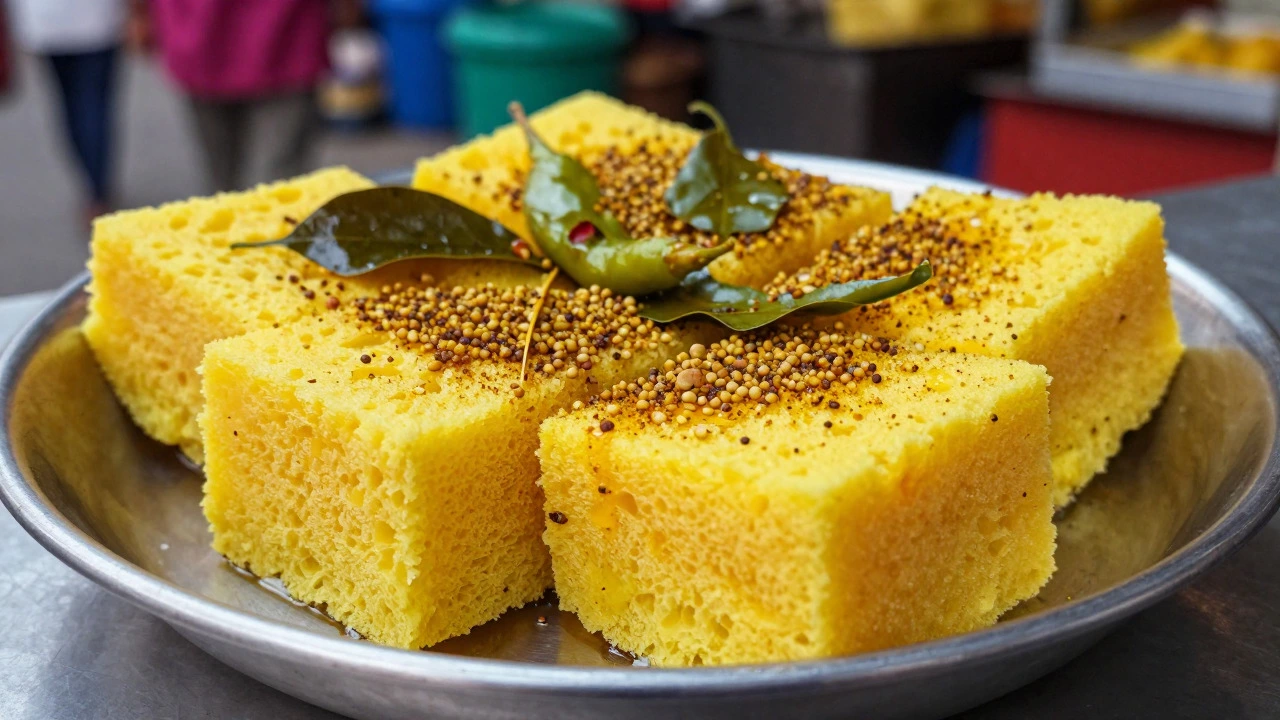
Dhokla is a vegetarian food item that originates from the western Indian state of Gujarat. It is typically made from a fermented batter derived from rice and lentils (gram flour) or semolina. The most common variety, Khaman Dhokla, uses only gram flour, which gives it its characteristic yellow color and soft, porous texture. Unlike many other Indian snacks, dhokla is cooked by steaming rather than frying. This single cooking method changes everything about its calorie count and fat content.
Because it relies on fermentation, dhokla contains probiotics-good bacteria that aid digestion. The process also breaks down some of the complex carbohydrates, making them easier to digest for many people. If you’re looking for a snack that doesn’t leave you feeling heavy or sluggish, this is why dhokla often wins over deep-fried alternatives.
Nutritional Breakdown: What’s Inside?
To understand if dhokla is healthy, we need to look at the numbers. A standard piece of Khaman Dhokla (about 50 grams) generally provides the following nutrients:
| Nutrient | Amount | Why It Matters |
|---|---|---|
| Calories | ~150 kcal | Low density; good for weight management if portioned correctly. |
| Carbohydrates | ~20-25 g | Primary energy source; high glycemic index if using refined besan. |
| Protein | ~4-6 g | Decent plant-based protein, but incomplete amino acid profile. |
| Fat | ~3-5 g | Very low, mostly from oil used in tempering (tadka). |
| Fiber | ~1-2 g | Low fiber content unless whole grains are added. |
| Sodium | Variable | Can be high depending on salt added to batter and chutney. |
Notice the protein content. While 4-6 grams isn’t negligible, it’s not enough to make dhokla a complete meal on its own. Gram flour is a decent source of plant protein, but it lacks certain essential amino acids found in higher quantities in animal products or combined legume-grain dishes. This means if you eat three pieces of dhokla as a full lunch, you might feel hungry again an hour later because your body didn’t get enough sustained fuel.
The Glycemic Index Trap
Here is where things get tricky for diabetics or anyone watching their blood sugar. Most commercial and homemade Khaman Dhokla is made from refined gram flour. Refining removes the bran and germ, stripping away much of the fiber. Without fiber to slow down absorption, the carbohydrates in dhokla spike your blood glucose levels relatively quickly.
If you have insulin resistance or type 2 diabetes, plain Khaman Dhokla might cause a sharper sugar crash than you expect. The solution? Pair it wisely. Eating dhokla alone is risky. Eating it with a side of yogurt, a handful of nuts, or a salad adds fat, protein, and fiber, which blunts that glucose spike. Never eat dhokla naked-always dress it up with nutrient-dense sides.
Hidden Calories: The Tempering and Chutney Factor
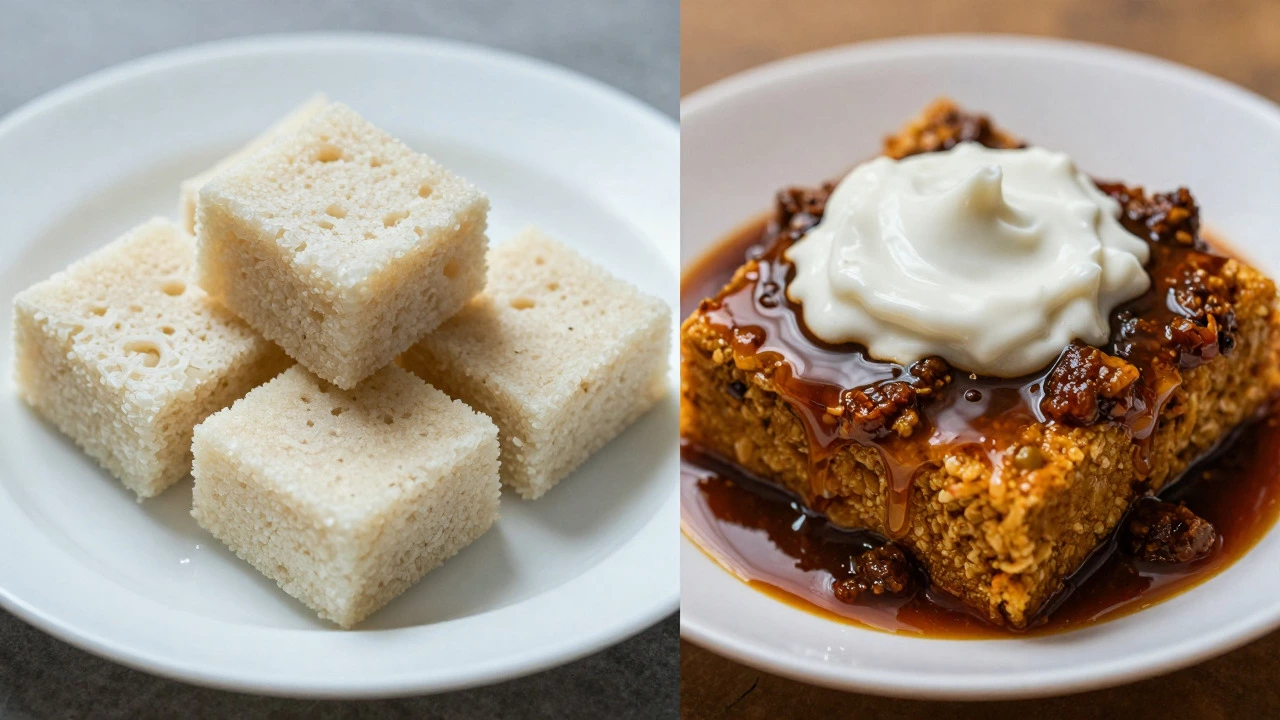
We often blame the main ingredient, but in Indian cooking, the garnish holds the power. Dhokla itself is low-fat. But then comes the tadka (tempering). You heat oil, add mustard seeds, curry leaves, green chilies, and sometimes garlic. Then, you pour a generous amount of sugar syrup over the steamed cake. Finally, you serve it with sweet coconut chutney and spicy tamarind chutney.
Let’s do the math on the extras:
- Oil in Tadka: One tablespoon of oil adds ~120 calories. Many street vendors use more than one tablespoon for flavor.
- Sugar Syrup: That glossy shine comes from sugar. Two tablespoons of syrup can add another 100+ calories and pure simple carbs.
- Coconut Chutney: Coconut is healthy fat, but it’s calorie-dense. A small bowl can easily add 80-100 calories.
A plate of four pieces of dhokla with chutneys can easily hit 400-500 calories. That’s equivalent to a small meal, not a light snack. If you’re trying to lose weight, skipping the sugary drizzle and going easy on the coconut chutney makes a massive difference.
Dhokla vs. Other Popular Snacks
How does dhokla stack up against other go-to Indian snacks? When you compare it directly to fried items, the win is obvious. But how does it compare to other steamed foods like Idli?
| Snack | Cooking Method | Main Ingredient | Health Verdict |
|---|---|---|---|
| Dhokla | Steamed | Gram Flour (Refined) | Good, but watch the sugar/oil toppings. |
| Idli | Steamed | Rice & Urad Dal Batter | Excellent. Lower glycemic impact due to fermentation balance. |
| Samosa | Deep Fried | Maida (Refined Wheat) & Potato | Poor. High trans fats and empty calories. |
| Pakora | Deep Fried | Onion/Veg & Besan | Moderate/Poor. Oil absorption is significant. |
| Vada Pav | Deep Fried | Potato & Maida Bun | Poor. Carb-heavy with poor quality fats. |
Idli often beats Dhokla slightly in terms of metabolic health because the traditional idli batter uses a mix of rice and black gram dal. The fermentation process in idlis creates a better balance of proteins and carbs, and they usually don’t come with a sugar syrup coating. Dhokla is still a top-tier choice compared to anything fried, but it’s not the absolute king of steamed snacks.
How to Make Dhokla Healthier
You don’t have to give up your favorite snack. You just need to tweak the recipe. Here is how to upgrade your dhokla game:
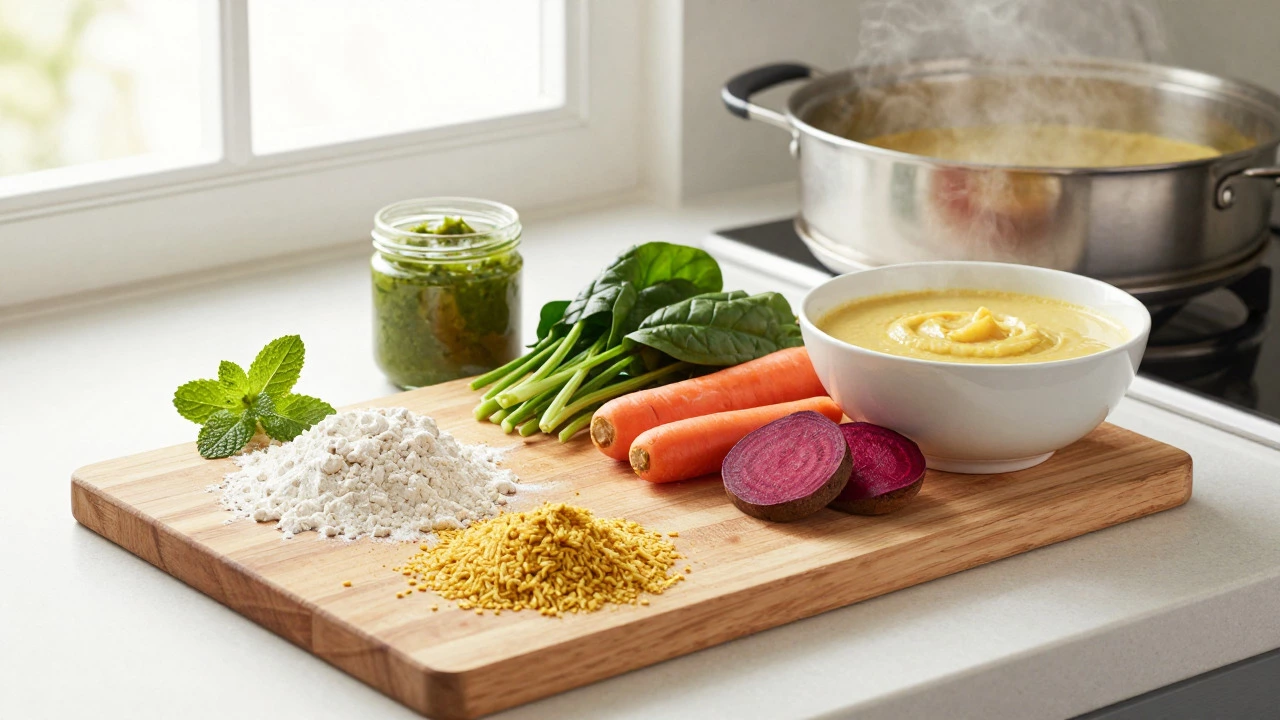
- Swap the Flour: Try mixing half the refined gram flour with whole wheat flour, ragi (finger millet), or oats. This instantly boosts the fiber content and lowers the glycemic index.
- Add Veggies: Fold chopped spinach, carrots, or beetroot into the batter before steaming. You won’t taste them strongly, but you’ll get extra vitamins and volume without extra calories.
- Cut the Sugar: Reduce the sugar in the syrup by half or skip it entirely. Use lemon juice and green chilies for the tang instead. Your taste buds will adjust within a week.
- Watch the Oil: Use a non-stick pan for tempering and measure your oil. One teaspoon is plenty for flavor.
- Pair with Protein: Serve with mint-coriander chutney (low calorie) instead of coconut chutney. Or pair it with a cup of unsweetened chai or black coffee.
Who Should Be Careful?
While dhokla is generally safe, specific groups should approach it with caution:
- Diabetics: Stick to Rava Dhokla or Millet Dhokla. Avoid Khaman if possible, or strictly limit portions to two pieces with no sugar syrup.
- Gluten Sensitivity: Pure Khaman Dhokla is naturally gluten-free since it’s made from chickpea flour. However, cross-contamination in factories is common. Always check labels if you have Celiac disease.
- Hypertension: Street-side dhokla can be salty. The baking soda used for rising also contains sodium. Homemade versions let you control the salt intake.
Frequently Asked Questions
Is Dhokla good for weight loss?
Yes, Dhokla can be part of a weight-loss diet because it is steamed and lower in fat than fried snacks. However, portion control is critical. Three pieces with minimal toppings is a reasonable snack. Adding excessive sugar syrup and oily tempering can turn it into a calorie bomb.
Which is healthier, Idli or Dhokla?
Idli is generally considered slightly healthier due to its balanced fermentation of rice and urad dal, which offers a better amino acid profile and often a lower glycemic response. Additionally, Idlis are rarely served with sugar syrup, whereas Dhokla almost always is, adding unnecessary simple sugars.
Is Dhokla gluten-free?
Traditional Khaman Dhokla made from 100% gram flour (besan) is naturally gluten-free. However, some recipes may add a pinch of wheat flour or maida for texture. Always verify the ingredients list if you are avoiding gluten strictly.
Does Dhokla cause bloating?
For some people, the fermentation process and the baking soda used in quick versions can cause mild bloating or gas. If you have a sensitive stomach, try eating smaller portions or opting for well-fermented traditional batter versions rather than instant mixes.
Can I eat Dhokla at night?
Yes, Dhokla is a light snack suitable for evening hours. Since it is steamed, it is easier to digest than fried foods. Just avoid heavy coconut chutneys late at night, as the high fat content might disrupt sleep for some individuals.