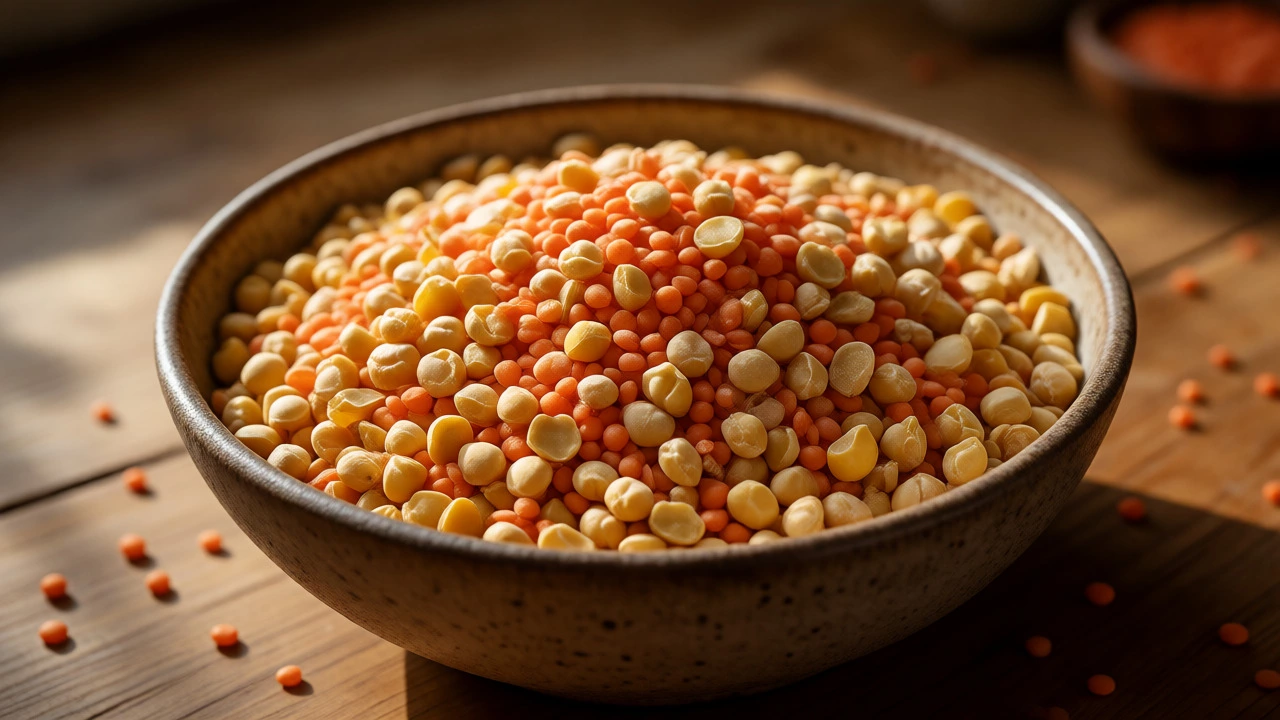
Dal Soaking Guide & Timer
Select your type of Dal to see recommended soaking times and tips. Use the timer below if you are using the Quick-Soak method.
Masoor Dal
Red Lentils
Moong Dal
Mung Beans (Split)
Toor Dal
Pigeon Peas
Chana Dal
Split Chickpeas
Urad Dal
Black Gram (Split)
Select a Dal Type
Ideal Soak Time:
Notes:
Tip: Always rinse before soaking and discard the soaking water.
Quick-Soak Timer
Use boiling water + salt for 30-45 mins if short on time.You’re standing in your kitchen, staring at a bag of yellow split peas or red lentils. You know they need soaking. But for how long? Ten minutes? Two hours? Overnight? The internet gives you conflicting advice, some saying it’s essential, others calling it a waste of time. Here’s the truth: soaking dal isn’t just about softening beans; it’s about chemistry, digestion, and flavor. Get it wrong, and you might end up with mushy lentils that taste flat, or worse, cause uncomfortable bloating later. Get it right, and you’ll have creamy, perfectly cooked dal every single time.
The central concept here is Dal, which is a term used in South Asian cuisine to refer to dried split pulses (lentils, peas, or beans) that are usually soaked and then cooked into a stew-like dish. While often confused with whole pulses, dal specifically refers to the hulled and split version, making them cook faster but also more susceptible to texture issues if mishandled during preparation.
Why Bother Soaking At All?
It feels like an extra step when you’re hungry, right? But skipping it has real consequences. Dried pulses contain anti-nutrients like phytates and tannins. These compounds bind to minerals like iron and zinc, preventing your body from absorbing them properly. They can also irritate your gut lining, leading to gas and bloating-something many people blame on "bean intolerance" when it’s actually poor preparation.
Soaking starts the germination process. This activates enzymes that break down these stubborn anti-nutrients. It also rehydrates the starches inside the lentil. If you throw dry dal straight into boiling water, the outside cooks quickly while the inside remains hard. By the time the center is soft, the outside has often disintegrated into a gluey mess. Soaking ensures even hydration, leading to uniform cooking and a smoother texture.
Not All Dals Are Created Equal
This is where most guides fail you. They treat all lentils the same. They aren’t. Your soaking time depends entirely on the type of pulse. Let’s break down the common varieties found in British supermarkets and Indian grocers.
| Dal Type | Common Name | Ideal Soak Time | Notes |
|---|---|---|---|
| Masoor Dal | Red Lentils | 15-30 mins (or none) | Cooks very fast. Soaking optional but helps reduce grittiness. |
| Moong Dal | Mung Beans (Split) | 30-60 mins | Lightweight. Over-soaking makes them turn to paste too quickly. |
| Chana Dal | Split Chickpeas | 2-4 hours | Denser. Needs significant hydration to soften evenly. |
| Toor Dal | Pigeon Peas | 1-2 hours | Standard soak. Essential for digestibility. |
| Urad Dal | Black Gram (Split) | 4-8 hours | Very dense. Often used for idli/dosa batter, needs long soak. |
The Quick-Soak Method for Busy Weeknights
You don’t always have four hours. If you forgot to plan ahead, don’t panic. You can use the hot water method. Rinse your dal thoroughly first-that’s non-negotiable to remove dust and debris. Then, place it in a heat-proof bowl and cover it with boiling water from your kettle. Add a pinch of salt. Let it sit for 30 to 45 minutes. The heat accelerates the absorption rate significantly compared to cold water.
Is this as good as a slow soak? Not quite. The enzymatic breakdown of phytates is less complete. But for a quick Tuesday night dinner, it’s far better than throwing dry lentils into the pot. Just be aware that the texture might be slightly firmer. Adjust your cooking time accordingly.
What Happens If You Over-Soak?
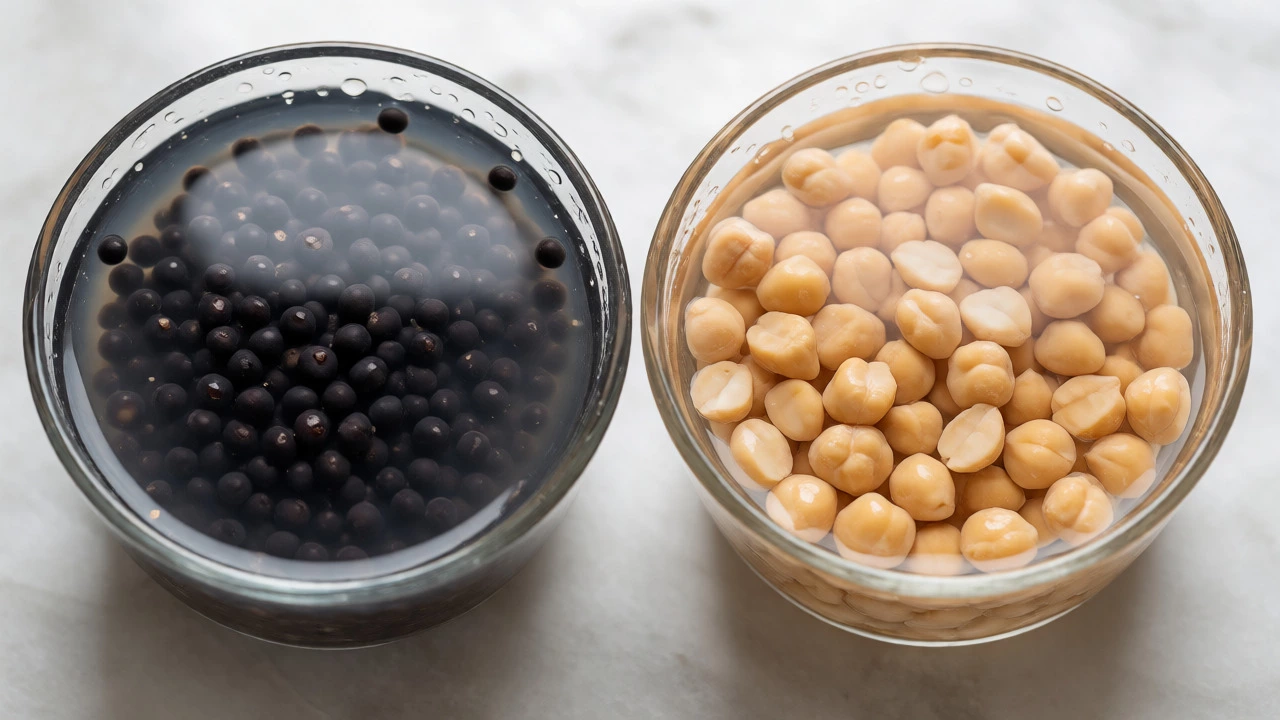
Yes, you can ruin dal by soaking it too long. If you leave delicate dals like Masoor or Moong out overnight, they start to ferment prematurely. You’ll notice a sour smell or slimy texture. When you cook them, they disintegrate completely before you’ve even added spices. You lose the distinct grain structure, ending up with a thick, gluey soup rather than a cohesive stew.
For denser dals like Urad or Chana, over-soaking is less risky but still problematic. After 12 hours, especially in warm climates, bacterial growth begins. In Bristol, our temperatures are mild, so an overnight soak (8-10 hours) is generally safe for heavy dals. But if your kitchen is warm, stick to the fridge or shorter times. Always discard the soaking water. It contains the leached-out anti-nutrients and dirt. Do not cook in it unless you want a bitter taste.
The Role of Temperature and Water Quality
Tap water in the UK is generally soft, which is great for cooking pulses. Hard water, rich in calcium and magnesium, can toughen the skins of legumes, making them take longer to cook. If you live in a hard water area, consider using filtered water for soaking. It won’t change the taste much, but it will help the dal soften more efficiently.
Temperature matters too. Cold water slows down the process. Room temperature water is ideal. Never use ice-cold water if you’re short on time; it shocks the lentils and slows absorption. Conversely, extremely hot water can start cooking the outer layer, creating a barrier that prevents further water intake. Warm to hot (not boiling) is the sweet spot for quick results.
Signs Your Dal Is Properly Soaked
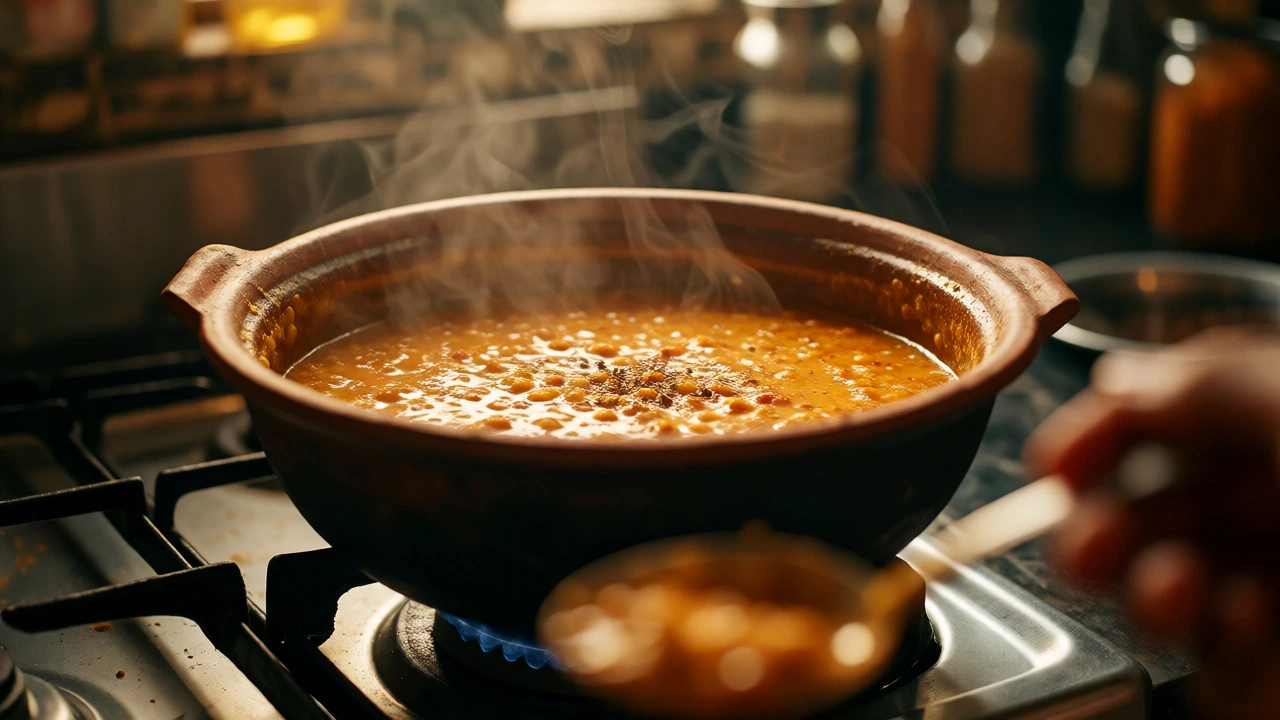
How do you know when it’s ready? Don’t just watch the clock. Look at the lentils. They should appear plump and swollen. The color might lighten slightly. The most reliable test: squeeze one between your fingers. It should crush easily without resistance. If there’s a hard core remaining, give it another 15 minutes. Under-soaked dal will remain gritty no matter how long you simmer it. Over-soaked dal will feel mushy and fall apart when touched gently.
Beyond the Pot: Digestive Benefits
If you struggle with bloating after eating Indian food, your soaking technique is likely the culprit. Phytates and oligosaccharides (complex sugars) are the main offenders. Soaking reduces oligosaccharides by up to 50%. Adding a splash of acid-like lemon juice or vinegar-to the soaking water can further aid this breakdown. However, be cautious with acidic ingredients during the actual cooking phase, as they can prevent softening. Use acid only in the soak or at the very end of cooking.
Rinsing after soaking is critical. That cloudy water is full of the compounds you wanted to remove. Pour it down the drain. Rinse the dal under fresh running water until it runs clear. This simple step significantly improves digestibility and cleans up the final flavor profile.
Troubleshooting Common Mistakes
- Skip Rinsing: Many people skip rinsing before soaking. Dust and small stones can hide in split lentils. Always rinse first.
- Using Old Stock: Pulses older than two years become harder and take longer to soak and cook. Buy from stores with high turnover.
- Ignoring Water Ratio: Lentils expand. Use at least three times their volume in water for soaking to ensure they stay submerged.
- Adding Salt Too Early: Some chefs argue salt toughens skins. If you find your dal stays hard, try adding salt only after the lentils have softened.
Mastering the soak transforms dal from a basic staple into a culinary delight. It’s a small effort that pays off in texture, taste, and comfort. Next time you grab that bag of Toor Dal, check the clock, set a timer, and give your lentils the head start they deserve. Your stomach-and your taste buds-will thank you.
Can I soak dal overnight?
Yes, for dense dals like Chana Dal (split chickpeas) and Urad Dal (black gram), an overnight soak of 8-12 hours is ideal. For lighter dals like Masoor (red lentils) or Moong (mung beans), overnight soaking can make them too soft and prone to turning into paste. If you must soak light dals overnight, keep them in the refrigerator to slow down fermentation.
Do I really need to soak red lentils?
Technically, no. Red lentils (Masoor Dal) cook very quickly, often in 15-20 minutes without soaking. However, a brief 15-minute soak helps remove dust and reduces any potential bitterness or grittiness. It also aids in reducing phytates, though the impact is less significant than with larger pulses. If you are short on time, skipping the soak for red lentils is acceptable.
Should I discard the soaking water?
Yes, always discard the soaking water. It contains dissolved anti-nutrients like phytates and tannins, as well as dust and impurities removed during rinsing. Cooking in this water can result in a bitter taste and reduced mineral absorption. Rinse the dal thoroughly with fresh water before cooking.
Does soaking dal reduce cooking time?
Absolutely. Soaking hydrates the lentils, meaning they spend less energy absorbing water during the cooking phase. For dense pulses like Chana Dal, soaking can cut cooking time by half. For softer dals, it ensures even cooking and prevents the exterior from breaking down before the interior is done.
Why does my dal smell bad after soaking?
A slight earthy smell is normal. However, a strong sour or yeasty odor indicates fermentation has begun. This happens if the dal was soaked too long, especially in warm temperatures. If it smells sour, discard it. Fermented dal may spoil quickly and affect the taste of your dish. To prevent this, shorten the soak time or refrigerate the bowl.