Dosa Batter Leavening Calculator
Optimize your dosa texture by calculating the precise amount of leavening agent needed. Choose between natural fermentation, baking soda, or Eno fruit salt.
0 tsp
0 grams
You’ve probably seen it happen at your local South Indian restaurant or maybe even in your own kitchen. A pinch of white powder goes into the fermented rice and lentil batter right before you pour it onto the hot tawa. Some people swear by it for that perfect golden crispness; others say it’s a cheat code that ruins the authentic taste. So, why do we add soda to dosa batter? Is it actually necessary, or is it just a myth passed down through generations of home cooks?
The short answer is: it depends on what kind of dosa you want. If you are aiming for the thick, fluffy, sponge-like texture of an Idli-Dosa hybrid (often called Set Dosa), soda is your best friend. But if you want that classic, paper-thin, shatteringly crisp Masala Dosa, adding too much soda can actually work against you. Let’s break down the chemistry, the technique, and the alternatives so you never have to guess again.
The Chemistry Behind the Bubble
To understand why soda works, you first need to understand what makes dosa rise in the first place. Traditional dosa batter relies on wild yeast and lactic acid bacteria found naturally on the urad dal and rice grains. These microbes consume sugars and produce carbon dioxide gas, which gets trapped in the gluten-like structure of the batter, causing it to ferment and rise. This natural process takes time-usually 8 to 12 hours depending on the temperature.
Baking soda (sodium bicarbonate) is a chemical leavening agent. Unlike biological fermentation, which is slow and dependent on living organisms, baking soda reacts instantly when it meets moisture and heat. When you mix baking soda into your batter, it begins to release carbon dioxide immediately. However, the real magic happens when you combine it with an acidic component.
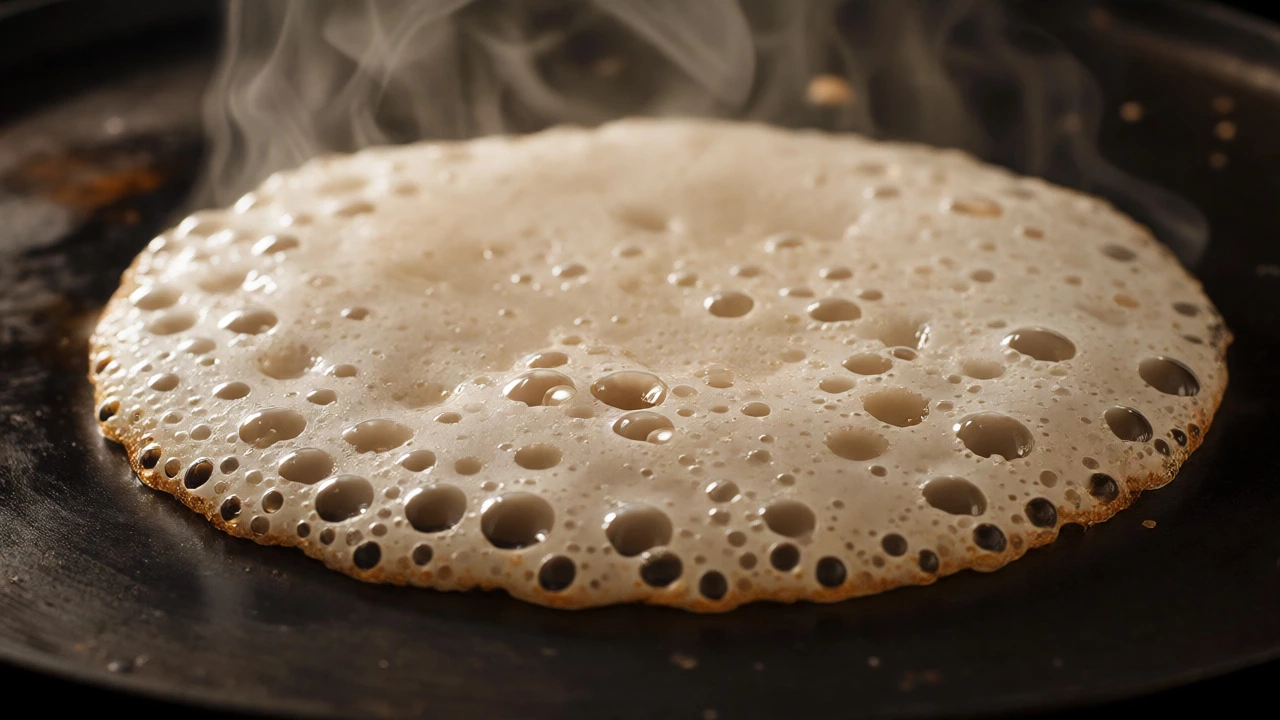
In many traditional recipes, the batter itself is slightly acidic due to the lactic acid produced during fermentation. When baking soda hits this acidic environment, it triggers a rapid chemical reaction that produces a significant amount of CO2 bubbles. These bubbles expand quickly in the hot pan, pushing the batter outward and upward, creating air pockets. This is why dosas made with soda tend to be thicker, softer, and more porous than those made purely through long fermentation.
Crispy vs. Fluffy: Choosing Your Texture
Not all dosas are created equal, and neither are their ingredients. The decision to use soda should be driven entirely by the texture you desire. Here is how the presence of baking soda changes the final product:
- The Classic Crisp Dosa: This style relies on a thin, watery batter that has been well-fermented. The goal here is minimal rising and maximum browning. Adding soda here can make the dosa too soft or spongy, preventing it from achieving that signature crunch. If you must use soda, use a tiny pinch-less than 1/4 teaspoon per cup of batter-and ensure it is mixed thoroughly to avoid bitter spots.
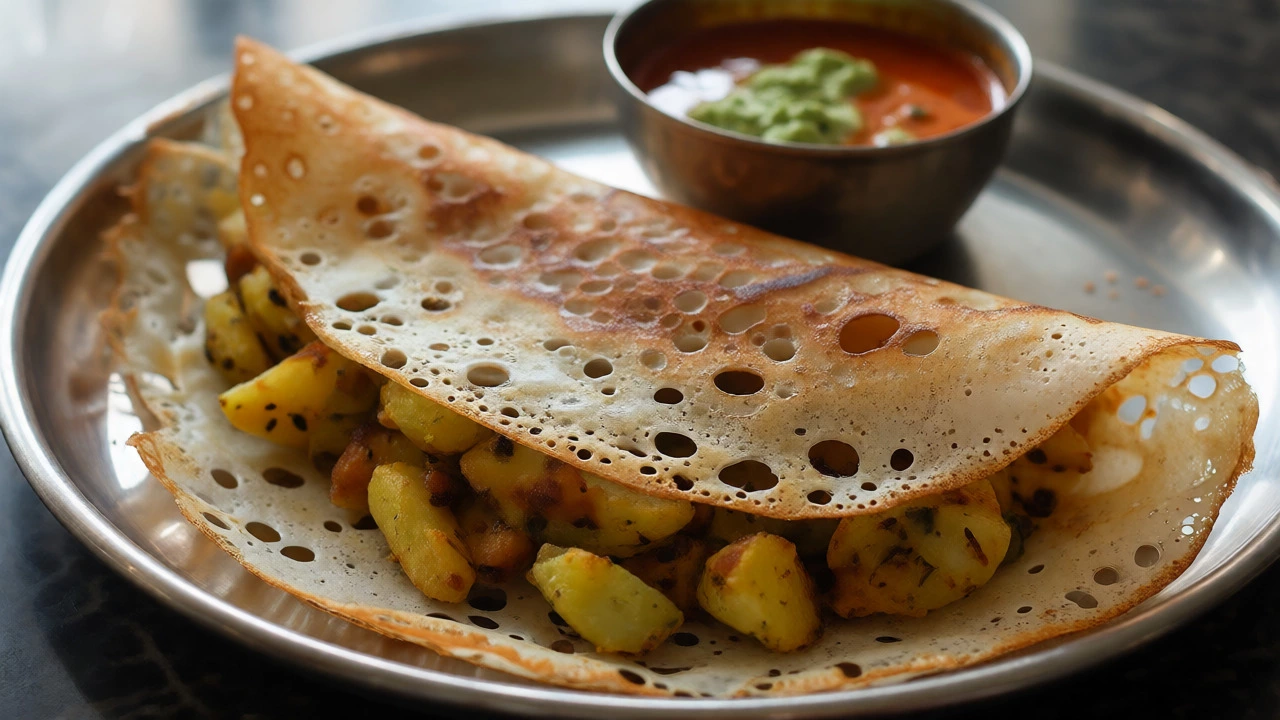
- The Soft & Spongy Dosa (Set Dosa): Think of the dosas served in Mumbai street stalls. They are thick, round, and incredibly soft. Baking soda is essential here. It creates large air pockets that trap steam, keeping the interior moist while the exterior browns. Without soda, getting that specific thickness without overcooking the outside is difficult.
- The Quick Fix: If you forgot to soak your lentils overnight and need breakfast in two hours, soda is a lifesaver. It provides immediate lift that mimics the effects of long fermentation, allowing you to cook decent dosas without waiting 10 hours.
| Feature | Natural Fermentation | With Baking Soda |
|---|---|---|
| Preparation Time | 8-12 hours | Instant (after soaking/grinding) |
| Texture | Thin, crisp, tangy | Thick, soft, neutral taste |
| Flavor Profile | Sour, complex, umami-rich | Milder, less sour |
| Shelf Life | Improves with age (up to 3 days) | Best used immediately |
| Digestibility | Probiotics aid digestion | May cause bloating in sensitive individuals |
The Golden Rule: Timing Matters More Than Quantity
Here is the biggest mistake home cooks make: they add baking soda to the entire batch of batter the night before. Don’t do this. Baking soda starts reacting as soon as it touches water. If you add it to your main container of batter and leave it in the fridge overnight, the gas will escape, and the chemical reaction will finish long before you start cooking. You’ll end up with flat, dense dosas that still carry a metallic aftertaste.
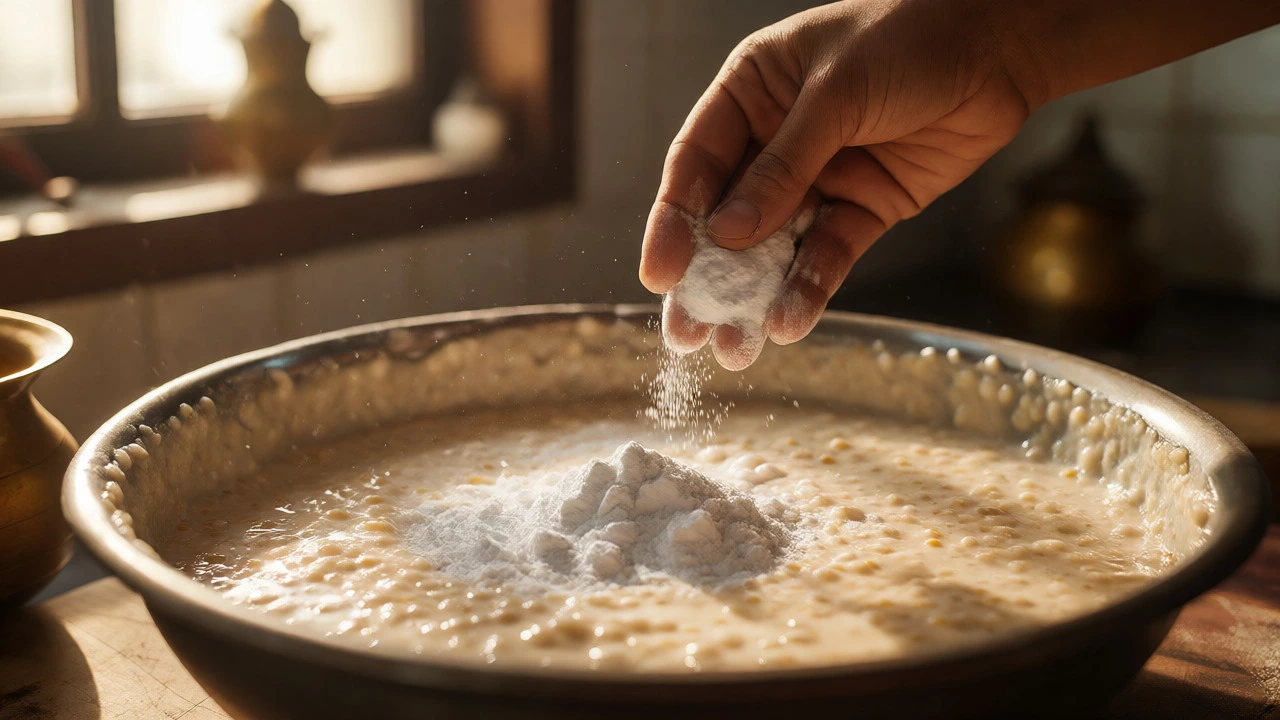
Instead, treat baking soda like a finishing salt. Keep your main batter in the refrigerator. When you are ready to cook, scoop out only the portion you plan to eat within the next 20 minutes. Whisk in your pinch of baking soda right then. This ensures that the maximum amount of CO2 is generated exactly when the batter hits the hot tawa. The heat accelerates the reaction, giving you that instant puffiness.
Another critical factor is consistency. Soda works best in slightly thicker batters. If your batter is very runny, the gas bubbles may escape too easily before the batter sets. For a spongy dosa, aim for a batter that pours slowly off the spoon but isn’t stiff. For a crisp dosa, keep it thinner and skip the soda or use it sparingly.
Alternatives to Baking Soda
If you dislike the taste of baking soda or want to avoid processed additives, there are other ways to achieve lift. Understanding these alternatives helps you troubleshoot when things go wrong.
Eno Fruit Salt: Popular in commercial kitchens, Eno contains sodium bicarbonate, citric acid, and sodium carbonate. It reacts faster and more aggressively than plain baking soda because it includes its own acid source. Many street vendors prefer it because it guarantees a consistent rise regardless of the batter’s natural acidity levels. Use half the amount of Eno compared to baking soda, as it is more potent.
Fresh Yeast: If you want a middle ground between natural fermentation and chemical speed, try adding a small cube of fresh yeast to your soaked lentils before grinding. This boosts the microbial population, speeding up fermentation to about 4-6 hours instead of 12. The result is a batter that rises significantly but retains the complex flavor profile of natural fermentation. It won’t give you the same instant puffiness as soda, but it will create a lighter, airier dosa than standard methods.
Egg Whites: For a non-traditional twist, fold whipped egg whites into the batter just before cooking. This adds protein structure and air pockets, resulting in a soufflé-like texture. This method is great for kids who might find the sour taste of fermented batter unpleasant.
Troubleshooting Common Soda Mistakes
Even with the right intent, using soda can go wrong. Here are the most common issues and how to fix them:
- Bitter Aftertaste: This usually means you added too much soda or didn’t mix it well. Undissolved clumps of sodium bicarbonate create concentrated pockets of bitterness. Always dissolve the soda in a teaspoon of water before adding it to the batter to ensure even distribution.
- Soapy Flavor: Similar to bitterness, this indicates an excess of alkaline residue. Stick to 1/4 teaspoon per liter of batter. Less is always more.
- Sticky Interior: If the outside is brown but the inside feels gummy, your heat might be too high, or the batter was too thick. Lower the flame slightly and let the dosa cook longer on one side before flipping. Ensure your batter isn’t overly thickened by excessive flour additions.
- No Rise: Check the expiration date of your baking soda. Old soda loses its potency. Test it by dropping a pinch into vinegar-if it doesn’t fizz vigorously, throw it away.
Health Implications: Is Soda Bad for You?
A common concern among health-conscious eaters is whether the sodium in baking soda contributes to high blood pressure. While baking soda is indeed high in sodium, the amount used in dosa batter is negligible. A typical serving of dosa might contain only 50-100mg of additional sodium from the soda, which is a fraction of the recommended daily limit. For most people, this is not a health risk.
However, the bigger issue is often what accompanies the soda. Commercial dosa makers sometimes use soda to mask poor-quality ingredients or rushed fermentation processes. By relying on chemicals rather than time, they lose the probiotic benefits of natural fermentation. Lactic acid bacteria help gut health and improve nutrient absorption. If you prioritize health, stick to long-fermented batters and use soda only occasionally for texture variation.
Pro Tips for Perfect Dosas Every Time
Whether you choose soda or pure fermentation, these universal techniques will elevate your game:
- Temperature Control: Cold batter spreads poorly. Take your batter out of the fridge 15 minutes before cooking. Room-temperature batter flows better and ferments more actively.
- The Tawa Test: Sprinkle a few drops of water on your griddle. If they sizzle and evaporate instantly, it’s ready. If they bead up and roll around, it’s too hot. If they sit there, it’s too cold.
- Oil Distribution: Use a cut potato dipped in oil to spread fat evenly across the tawa. This creates a non-stick surface without pooling oil, which can make the dosa greasy.
- Don’t Overcrowd: Cook one dosa at a time if you’re new to this. Trying to manage multiple pans leads to uneven heating and inconsistent results.
Ultimately, the choice to add soda comes down to personal preference and context. There is no single "correct" way to make dosa. In Bristol, where I live, I often experiment with different ratios to suit my mood. On lazy weekends, I love the quick satisfaction of a soda-assisted set dosa with coconut chutney. On weekdays, I prefer the deep, tangy complexity of a naturally fermented crisp dosa. Both are delicious; they just serve different cravings.
Next time you stand in front of your stove, ask yourself: Do I want speed and fluffiness, or depth and crunch? Once you decide, you’ll know exactly whether that little white powder belongs in your bowl.
Can I use baking powder instead of baking soda for dosa?
Yes, but with caution. Baking powder contains both baking soda and an acid, plus a starch filler. Because it already has acid, it doesn't rely on the batter's natural acidity to react. This can lead to a milder taste but might lack the sharp 'lift' provided by pure soda in acidic batters. Use it in double the quantity of baking soda, but be aware it may alter the flavor profile slightly towards a generic baked-good taste.
Does adding soda make dosa unhealthy?
Not significantly for most people. The sodium content added is minimal. However, frequent consumption of chemically leavened foods may miss out on the probiotic benefits of natural fermentation. If you have hypertension, monitor your overall sodium intake, but the soda in dosa is rarely the primary culprit.
Why does my dosa turn yellow when I add soda?
This is a normal chemical reaction. Baking soda raises the pH level of the batter, making it more alkaline. Alkaline environments accelerate the Maillard reaction (browning) and can also affect pigments in turmeric or other spices, leading to a deeper yellow or orange hue. It is safe to eat and indicates the soda is working.
How much baking soda should I add to 1 kg of dosa batter?
Start with 1/4 to 1/2 teaspoon per kilogram of dry ingredients (rice + dal). If you are making thick Set Dosas, you can go up to 1 teaspoon, but mix it into individual portions right before cooking. Never add the full amount to the bulk storage container.
My dosa batter didn't rise even with soda. What went wrong?
Check three things: 1) Is your baking soda expired? Test it with vinegar. 2) Was the batter too cold? Cold slows down chemical reactions. 3) Did you add too much liquid? Very thin batter allows gas to escape before setting. Try reducing water slightly and ensuring the soda is fresh.