Indian Food Fat Swap Tool
Select a high-fat dish below to see its primary fat source and a heart-healthy alternative you can try instead!
Samosa
Butter Chicken
Paneer Makhani
Gulab Jamun
Quick Guide: Fat-Heavy Indian Foods
- Fried Snacks: Samosas, Pakoras, and Kachoris.
- Rich Curries: Butter Chicken, Paneer Makhani, and Malai Kofta.
- Sweet Treats: Gulab Jamun and Jalebi (deep-fried and soaked in syrup).
- Cooking Fats: Excessive use of Ghee and Vanaspati.
If you are trying to eat cleaner, knowing which dishes to limit is the first step. But don't worry-you don't have to give up the flavors you love. It's all about understanding where the fat comes from and how to manage it.
The Deep-Fry Trap: Popular High-Fat Snacks
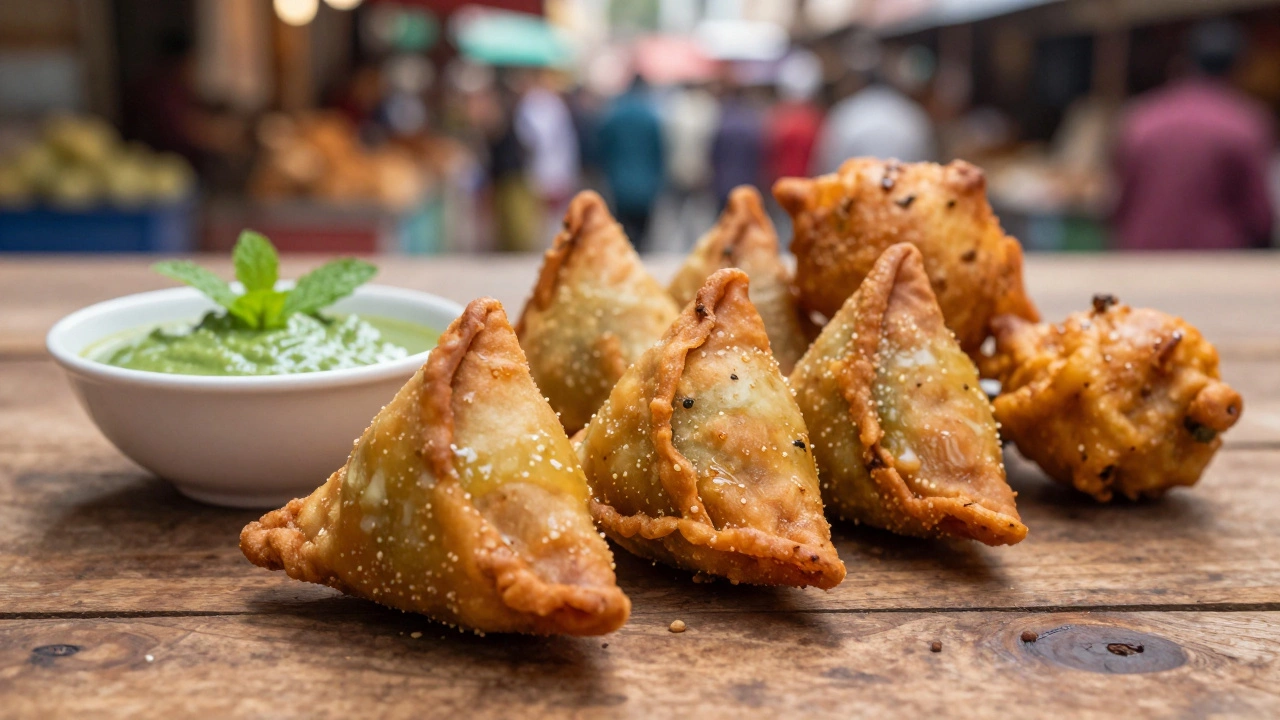
When we think of Indian street food, we usually think of things that are golden-brown and crispy. Unfortunately, that crispiness comes from Deep-Frying is a cooking method where food is submerged in hot oil, often leading to the absorption of high amounts of saturated and trans fats . Take the Samosa, for example. A single medium-sized samosa can contain around 15 to 20 grams of fat because the dough is fried and the potato filling is often sautéed in oil. If you eat three of them with a side of chutney, you've likely hit a huge chunk of your daily fat limit before dinner even starts.
Then there are Pakoras. Since these are essentially battered vegetables dropped into a vat of oil, they act like sponges. Depending on the oil used, especially if it's reused multiple times (which is common at street stalls), you're consuming oxidized fats that can lead to inflammation. Similarly, Kachoris are even denser, with a flaky crust that requires a significant amount of shortening or ghee to achieve that specific texture.
Creamy Curries and the Hidden Calories
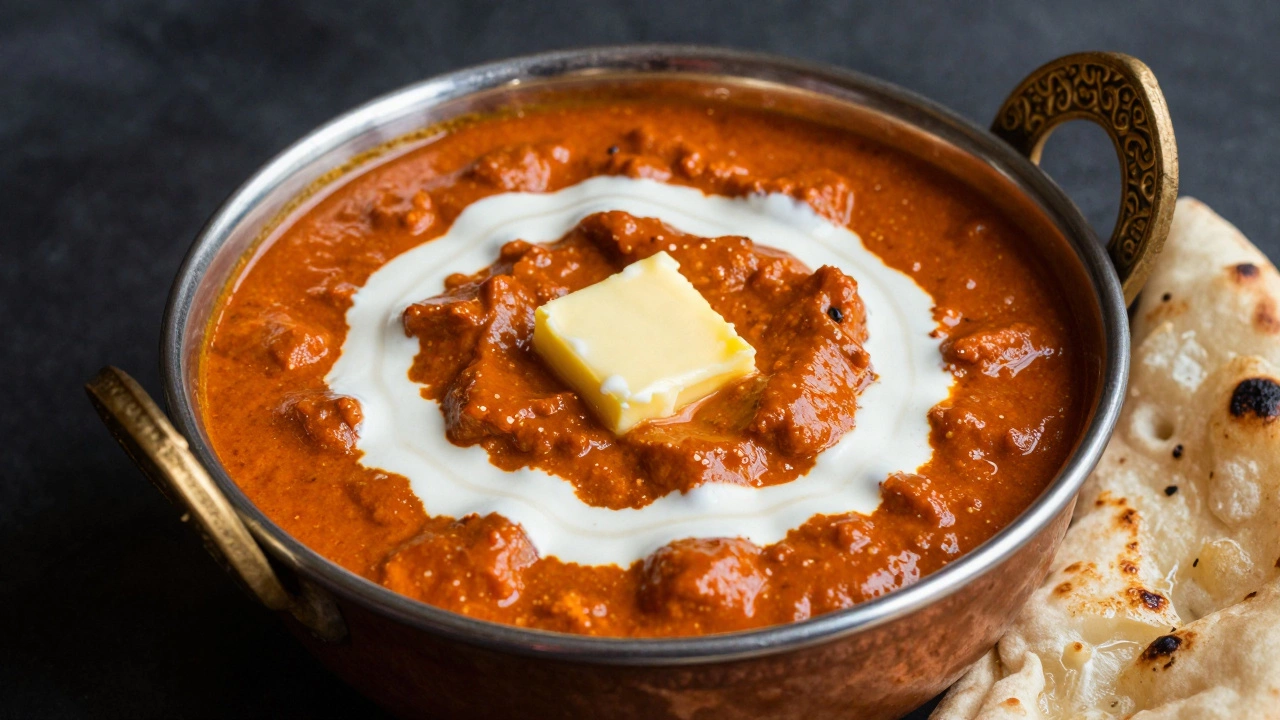
It's not just the fried stuff. Some of the most beloved main courses are calorie bombs. Butter Chicken (Murgh Makhani) lives up to its name. The base consists of butter, heavy cream, and cashew paste. While it tastes heavenly, a single serving can easily exceed 40 grams of fat. The cream adds a velvety texture but also packs a heavy load of saturated fats.
The same goes for Paneer dishes. Paneer itself is a fresh cheese high in fat, but when it's cooked in a "Makhani" or "Kadhai" style, the fat is doubled. Paneer Makhani uses a base of butter and cream, making it one of the most calorie-dense vegetarian options on any Indian menu. Even Malai Kofta-where fried potato and paneer balls are simmered in a creamy gravy-is a double-whammy of frying and cream.
| Dish | Primary Fat Source | Estimated Fat Level | Healthier Alternative |
|---|---|---|---|
| Samosa (1 pc) | Vegetable Oil (Frying) | High (15-20g) | Air-fried or Baked Samosa |
| Butter Chicken (1 bowl) | Butter, Heavy Cream | Very High (30-40g) | Tandoori Chicken |
| Paneer Makhani (1 bowl) | Cream, Butter, Paneer | Very High (30-35g) | Palak Paneer (minimal cream) |
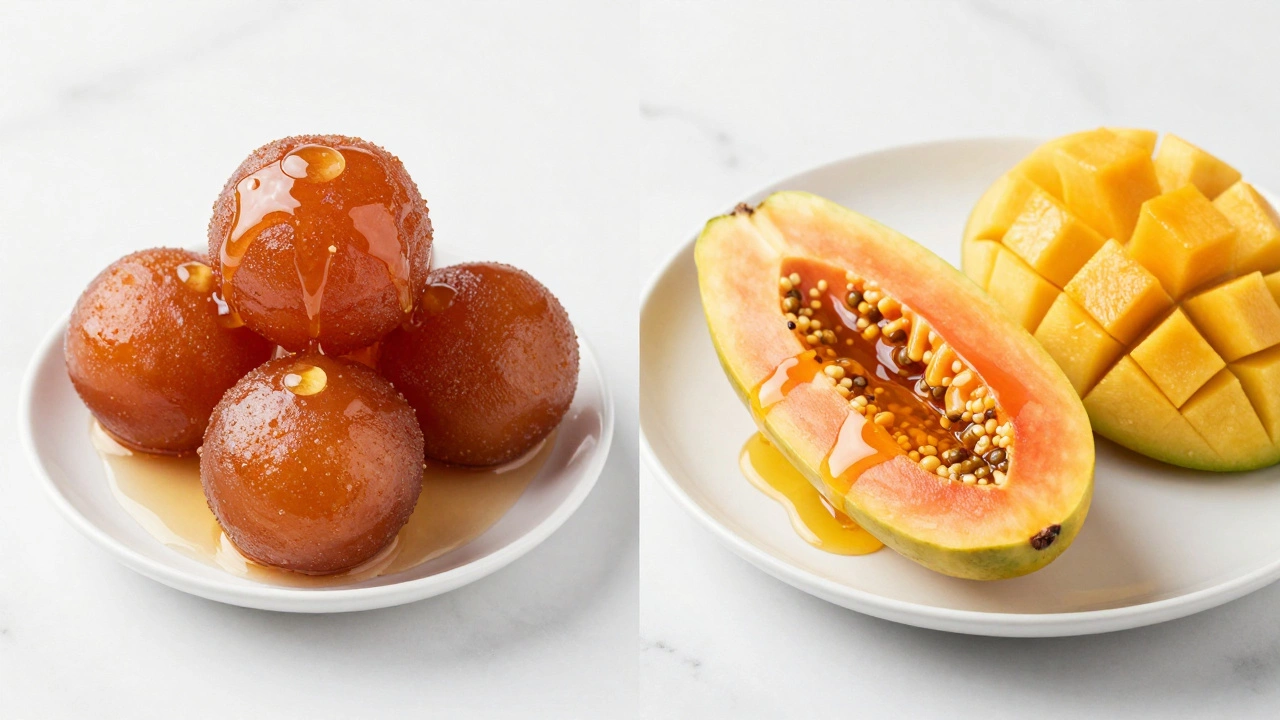
| Gulab Jamun (2 pcs) | Ghee, Oil, Sugar Syrup | High (15-25g) | Fresh Fruit with Honey |
| Masala Dosa (1 large) | Oil/Ghee (Griddle) | Medium (10-15g) | Ragi Dosa (low oil) |
The Role of Ghee and Cooking Oils
We can't talk about fat in Indian food without mentioning Ghee, which is clarified butter common in Indian cooking, valued for its high smoke point and rich flavor . While ghee contains vitamins and is generally preferred over processed vegetable oils, it is still pure fat. A single tablespoon contains about 13 grams of saturated fat. When a cook "tempers" a dish with a generous dollop of ghee or brushes it over a hot naan, those calories add up fast.
Another concern is the use of Vanaspati or hydrogenated vegetable oils. Often found in commercial sweets and cheap street snacks, these are the primary source of trans fats. Trans fats are particularly dangerous because they raise bad cholesterol (LDL) and lower good cholesterol (HDL), increasing the risk of heart disease far more than natural fats do.
Sweets: The Sugar and Fat Duo
Indian desserts are often a masterclass in caloric density. Gulab Jamun consists of milk solids (khoya) that are shaped into balls, deep-fried in ghee, and then soaked in a heavy sugar syrup. This combination of frying and sugar creates a high-glycemic, high-fat snack that spikes insulin and adds significant fat stores to the body.
Similarly, Jalebi is a fermented batter deep-fried in oil and then drenched in syrup. The oil used for frying jalebis is often reused for hours, leading to the formation of harmful compounds. When you combine these with the creamy nature of Kulfi or Rasmalai, you have a dessert profile that is heavily skewed toward saturated fats and refined sugars.
How to Enjoy Indian Flavors Without the Fat
You don't have to stop eating Indian food to be healthy. The secret is in the high fat indian food substitutions. Instead of deep-frying, try using an air fryer or oven-baking your snacks. A baked samosa tastes remarkably similar but uses 80% less oil. When cooking curries, replace heavy cream with a paste of soaked cashews or a bit of Greek yogurt. You get the same creaminess without the heavy saturated fat load.
Switch your cooking oil to heart-healthy options like mustard oil or olive oil in moderation. If you love the smell of ghee, use it for flavor (a tiny bit at the end) rather than as the primary cooking medium. Also, lean toward grilled items. Tandoori dishes, like Tandoori Chicken or Paneer Tikka, are marinated in yogurt and spices and then roasted, making them significantly leaner than their curry counterparts.
Practical Tips for Dining Out
When you're at a restaurant, the kitchen often adds extra butter to make the food taste "richer." You can easily control this by requesting your food with "minimal oil or butter." Ask for grilled or steamed options instead of fried ones. If you're ordering a curry, choose those based on tomato and onion (like Jalfrezi or Rogan Josh) rather than those based on cream or cashew paste.
Another pro tip: start your meal with a fresh salad or a clear soup. This fills you up with fiber, making you less likely to overeat the heavy, fat-rich mains. Pair your meal with a whole-wheat roti or brown rice instead of butter naan, which is often brushed with more fat than the actual curry contains.
Is all fat in Indian food bad?
No, not all fat is bad. Healthy fats from nuts, seeds, and limited amounts of ghee are essential for brain health and absorbing vitamins. The problem arises with "trans fats" from reused frying oil and the excessive amount of saturated fats in heavy creams and butter.
Which is healthier: Paneer or Tofu in Indian dishes?
Tofu is generally lower in saturated fat and calories than paneer. If you are watching your fat intake, swapping paneer for tofu in a palak (spinach) gravy is an excellent way to reduce calories while keeping the protein high.
How can I tell if a street food snack is too oily?
Look at the oil in the frying vat. If it's very dark or thick, it has been reused too many times, which increases the presence of trans fats. Also, if the snack leaves a heavy grease residue on your fingers or the paper it's served in, it's a sign of excessive oil absorption.
Are roasted nuts a better high-fat snack than fried ones?
Yes. Roasted almonds or walnuts provide unsaturated fats (omega-3s), which are heart-healthy, unlike the saturated and trans fats found in deep-fried snacks like pakoras.
Can I replace butter in recipes with something else?
You can use avocado oil or a small amount of olive oil for sautéing. For the creamy texture in curries, blended cauliflower or a mix of yogurt and cornstarch can mimic the thickness of butter/cream with far fewer calories.