India Food Safety Risk Calculator
Select What You Plan to Eat or Drink
Click on items to add them to your meal plan. The tool will analyze risks based on common preparation methods.
Water & Beverages
Vegetables & Fruits
Meat, Dairy & Street Food
Risk Assessment Complete
⚠️ High Risk Items Selected
- No high risk items selected.
⚡ Medium Risk Items Selected
- No medium risk items selected.
Pro Tip
When in doubt, stick to cooked foods served piping hot and sealed beverages.
You have the perfect itinerary mapped out. You’ve booked the heritage hotel in Jaipur, reserved your seat on the overnight train to Varanasi, and you are ready to dive into the vibrant chaos of Indian cuisine, which is a diverse culinary tradition known for its extensive use of herbs, spices, and regional ingredients. But there is one thing that can ruin a trip faster than a missed flight or lost luggage: getting sick from what you eat. It happens more often than you think, and it usually comes down to a few simple mistakes regarding water, hygiene, and specific high-risk foods.
I have spent years navigating the bustling markets of Delhi and the quiet coastal towns of Kerala. Living in Bristol now, I miss the intensity of those flavors, but I also remember the stomachaches that came with learning the ropes. The goal isn’t to scare you away from the incredible food culture; it is to help you enjoy it safely. Here is exactly what you should avoid when traveling in India to keep your gut happy and your vacation on track.
The Golden Rule: Tap Water and Ice
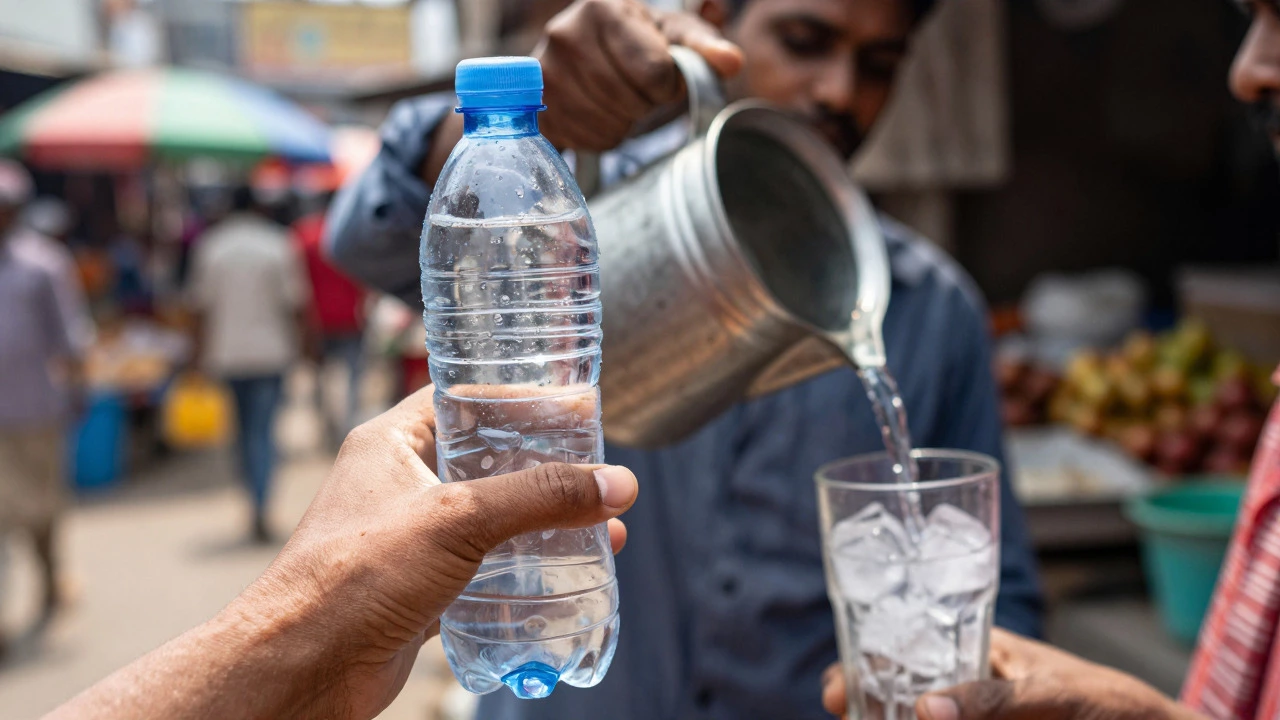
If you take only one thing away from this guide, let it be this: never trust tap water in India. While locals may drink it without issue because their bodies have adapted over decades, your immune system has not. The microbial load in untreated tap water includes bacteria like E. coli, which is a common bacterium found in intestines that causes severe gastrointestinal distress in travelers. and parasites such as Giardia.
This rule extends beyond just drinking water. You need to watch out for ice cubes. Many small cafes and roadside stalls use ice made from filtered or even unfiltered water. If you order a cold drink, ask for it "no ice" unless you see the ice being made from sealed bottled water. Even brushing your teeth with tap water can pose a risk if you swallow any. Stick to sealed bottles of brands like Bisleri or Kinley, and check that the seal is intact before opening.
Raw Vegetables and Salads
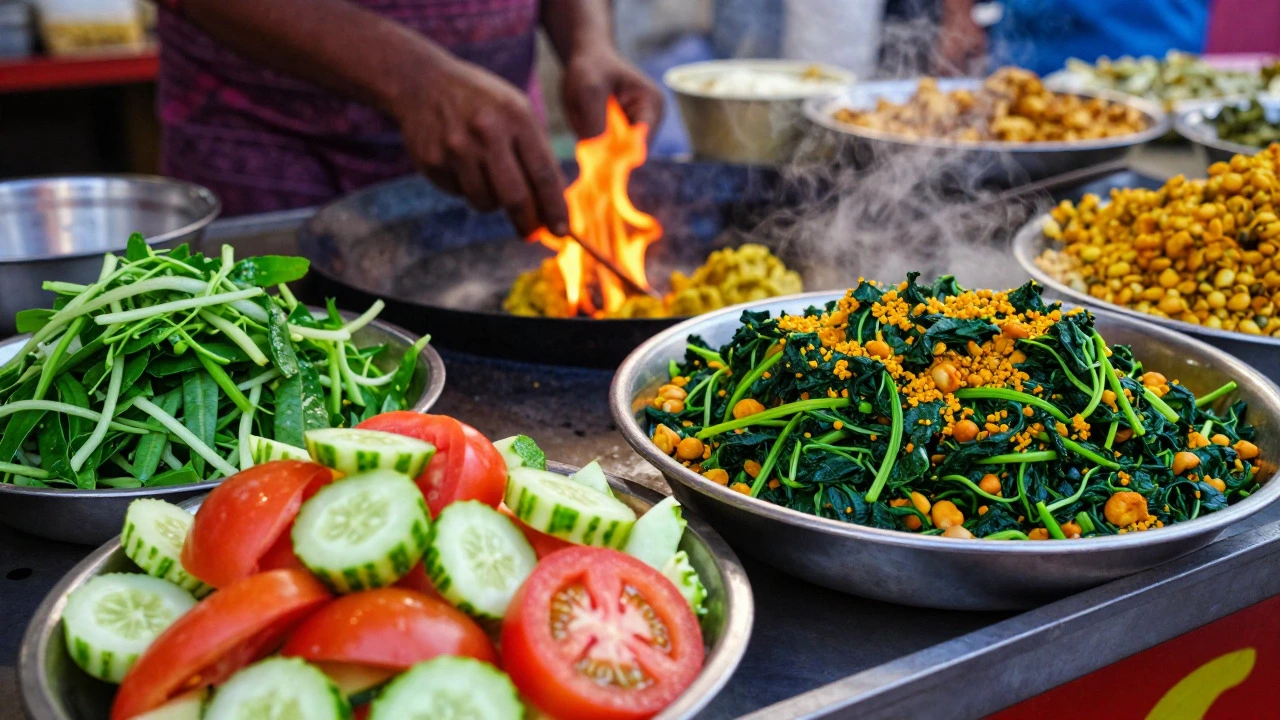
Fresh salads look inviting, especially on a hot day. However, raw vegetables are a major vector for illness. Why? Because they are often washed in tap water right before serving. Think about a cucumber salad or a plate of sliced tomatoes at a street stall. That crispness comes at a cost. The surface area of raw produce holds onto contaminants easily.
To stay safe, opt for cooked vegetables instead. Indian cuisine excels at sautéed greens, stir-fried okra, and lentil dishes where heat kills off pathogens. If you really crave something fresh, stick to fruits that you peel yourself, like bananas, oranges, or mangoes. Avoid pre-cut fruit platters served by vendors who handle them with bare hands and wash them with questionable water sources.
Street Food Risks: What to Skip
Let’s address the elephant in the room: street food. It is delicious, cheap, and an essential part of the experience. But not all street food is created equal. You want to avoid anything that sits out in the open for hours without reheating. This includes pre-cooked meats displayed under glass counters at busy intersections. These items have been sitting at room temperature, allowing bacteria to multiply rapidly.
Another red flag is chutneys and sauces left uncovered. Tamarind chutney or mint chutney is delicious, but if it is sitting in an open bowl on a dusty sidewalk, flies have likely visited. Look for vendors who prepare food fresh in front of you. Watch for cleanliness: does the vendor wear gloves? Do they use clean utensils? Is the cooking surface visibly dirty? If the answer to any of these is no, walk away. High-heat cooking methods like frying or grilling are safer because the intense heat sterilizes the food.
Dairy Products and Raw Milk
Dairy is central to Indian cooking, from creamy curries to rich desserts. However, unpasteurized milk and dairy products can carry Listeria, which is a type of bacteria that causes listeriosis, a serious infection caused by eating food contaminated with the bacteria. and other harmful pathogens. In rural areas, farmers may sell fresh cow or buffalo milk directly. While it tastes incredibly sweet and fresh, it has not undergone pasteurization to kill bacteria.
Avoid buying raw milk from local vendors unless you plan to boil it thoroughly before consumption. Similarly, be cautious with homemade yogurt (curd) sold by street vendors. While yogurt contains probiotics that can help digestion, the preparation environment matters. If the yogurt is stored in clean containers and kept cool, it is generally safer. But if it looks separated or smells off, skip it. Packaged dairy products from reputable brands are much safer bets for travelers.
Undercooked Meat and Seafood
India has a vast array of meat and seafood dishes, but cross-contamination and undercooking are real risks. Avoid rare steaks or medium-rare burgers unless you are dining at a high-end restaurant with strict hygiene standards. Street-side kebabs can be risky if the meat was marinated in water that wasn't boiled or if the skewers were reused without proper cleaning.
Seafood poses another challenge. Fresh fish is abundant along the coast, but if it has been sitting out in the sun, it spoils quickly. Avoid any seafood that smells overly fishy or has a slimy texture. Fried fish is safer than grilled fish in many cases because the batter creates a barrier and the oil reaches high temperatures. Always ensure your meat is piping hot when served. Cold meat left out for service is a gamble you don’t need to take.

Beverages Beyond Water
Your drink choices matter just as much as your food. Avoid juices sold by street vendors that are squeezed to order using tap water for rinsing the fruit. Mango lassi and fruit chaat drinks are popular, but if the base liquid is tap water or unpasteurized milk, they become health hazards. Stick to bottled beverages, canned sodas, or tea and coffee that are freshly brewed with boiling water.
Alcohol can also lower your inhibitions and make you less aware of hygiene practices. Beer bought from sealed cans is safe, but cocktails mixed with ice or garnishes washed in tap water are risky. When in doubt, choose spirits mixed with sealed mixers or simply stick to dry wine from reputable establishments.
| Food Category | Risky Options (Avoid) | Safer Alternatives |
|---|---|---|
| Vegetables | Raw salads, pre-cut fruit platters | Cooked vegetables, peeled fruits (bananas, oranges) |
| Liquids | Tap water, ice cubes, fresh-squeezed juice | Sealed bottled water, hot tea/coffee, canned drinks |
| Meat/Seafood | Rare meat, cold displayed meats, raw shellfish | Fully cooked, piping hot dishes, fried seafood |
| Dairy | Unpasteurized milk, open-container yogurt | Packaged milk, boiled milk, sealed yogurt cups |
Hygiene Habits to Adopt
Beyond what you eat, how you handle food matters. Carry hand sanitizer with at least 60% alcohol content. Wash your hands before every meal, especially if soap and water aren't available. Use tissues or napkins to handle food rather than bare hands when possible. Observe how locals eat; if they peel their own fruit or cook their own meals, follow suit.
Don’t forget about your cutlery. At smaller eateries, silverware might not be sterilized properly. Wiping your fork or spoon with a hot napkin can help, though it is not foolproof. Eating with your hands, as is traditional in many parts of India, can actually be safer if you wash your hands thoroughly beforehand, as you avoid shared utensils entirely.
What to Do If You Get Sick
Despite your best efforts, sometimes things go wrong. Traveler’s diarrhea is common and usually resolves on its own within a few days. Stay hydrated with oral rehydration solutions (ORS), which you can buy at any pharmacy. Brands like Electral are widely available and effective. Avoid anti-diarrheal medications like Imodium unless necessary, as they can trap bacteria in your system. Instead, focus on resting and replenishing electrolytes.
If symptoms persist for more than two days, include fever, blood in stool, or signs of dehydration, seek medical attention immediately. Hospitals in major cities like Mumbai, Delhi, and Bangalore have excellent international wings with English-speaking staff. Keep a copy of your travel insurance details handy. Prevention is key, but knowing how to react reduces panic and ensures a quicker recovery.
Can I drink chai from street vendors?
Yes, chai is generally safe because it is boiled vigorously during preparation. The high temperature kills most bacteria. Just ensure the cup or glass is clean and dry before receiving your drink. Avoid adding ice or unpasteurized milk if possible.
Is it safe to eat at tourist restaurants?
Tourist-oriented restaurants often cater to foreign palates and may use stricter hygiene practices, but they are not immune to issues. Always observe the cleanliness of the kitchen and dining area. Check online reviews specifically mentioning hygiene and recent experiences from other travelers.
Should I avoid spicy food?
Spicy food itself doesn’t cause food poisoning, but it can irritate an already sensitive stomach. If you are prone to acid reflux or have a delicate digestive system, start mild and gradually increase spice levels. Spices like turmeric and cumin actually have antimicrobial properties.
Are packaged snacks safe?
Yes, sealed packets of chips, biscuits, and namkeen (savory snacks) from reputable brands are very safe. They are processed in controlled environments and sealed tightly. Just check the expiration date and ensure the packaging is not damaged or swollen.
How long does traveler’s diarrhea last?
Most cases resolve within 3 to 7 days with proper hydration and rest. If symptoms worsen or persist beyond a week, consult a doctor. Antibiotics may be prescribed for severe bacterial infections, but they are not always necessary.