
Paneer Yield Calculator
Enter your milk details above to see the estimated paneer yield.
You just bought a gallon of whole milk, excited to make fresh paneer for your weekend curry. You heat it up, add the lemon juice, watch the curds form, strain them, and press them into a block. But when you unwrap that cloth, there’s way less cheese than you expected. Did you do something wrong? Is your milk bad? Or is this just how it works?
Here is the straight answer: From one US gallon (3.78 liters) of standard full-fat cow’s milk, you will typically get about 1 pound (450-500 grams) of paneer. That’s roughly 16 ounces. If you are using buffalo milk, which has more fat and protein, you might squeeze out closer to 1.2 pounds (550 grams). If you are using low-fat or skim milk, expect significantly less-maybe only 0.75 pounds (340 grams)-and the texture will be rubbery.
Why such a wide range? Because paneer isn’t magic; it’s just milk solids left behind after you remove the water. The amount of solids in your milk determines the final weight. Let’s break down exactly what affects that number so you stop guessing and start cooking with confidence.
The Science Behind the Yield
To understand why you get 1 pound from a gallon, you have to look at what milk actually is. Milk is an emulsion, not a solution. It’s mostly water (about 87%), but the remaining 13% consists of fats, proteins (casein and whey), lactose, and minerals. When you make paneer, you aren’t turning all of that into cheese. You are specifically targeting the casein proteins and some of the fat.
The process relies on acid coagulation. When you lower the pH of hot milk using lemon juice, vinegar, or citric acid, the casein proteins lose their negative charge and clump together. These clumps trap fat globules and some water. Everything else-the whey, most of the lactose, and the bulk of the water-drains away. Since casein makes up only about 2.6% to 3% of cow’s milk by weight, and fat adds another 3.5% to 4%, your theoretical maximum yield is around 6-7% of the liquid volume. However, you never capture 100% of these solids. Some casein stays dissolved, some fat remains in the whey, and moisture remains trapped in the curds. Hence, the practical yield settles around 12-14% of the initial liquid weight if you count water content, but since we measure the final product dry-ish, 1 lb per gallon is the industry standard home benchmark.
Milk Type Matters More Than Technique
If you want more paneer, change your milk before you even turn on the stove. Not all milks are created equal. Here is how different types affect your final weight:
| Milk Type | Fat Content | Protein Content | Expected Paneer Weight | Texture Profile |
|---|---|---|---|---|
| Whole Cow Milk | ~3.5% | ~3.2% | 1.0 - 1.1 lbs (450-500g) | Soft, creamy, moist |
| Buffalo Milk | ~7-8% | ~4.5% | 1.2 - 1.4 lbs (550-650g) | Dense, firm, high yield |
| Low-Fat (2%) Milk | ~2% | ~3.3% | 0.8 - 0.9 lbs (360-400g) | Slightly drier, less rich |
| Skim Milk | <0.5% | ~3.4% | 0.7 - 0.8 lbs (320-360g) | Rubbery, crumbly, bland |
| Goat Milk | ~3.5% | ~3.2% | 0.9 - 1.0 lbs (400-450g) | Delicate, distinct flavor |
Notice the big jump with buffalo milk. In India, where paneer originated, buffalo milk is often preferred because it yields nearly 30-40% more cheese per liter than cow’s milk. If you can find it, use it. If you’re stuck with standard supermarket whole milk, you’re fine, but don’t expect miracles. Skim milk is technically possible but usually disappointing for curries because it lacks the fat needed to keep the cubes soft during cooking.
Techniques That Boost Your Yield
Once you’ve picked the right milk, your method decides whether you get 0.9 lbs or 1.1 lbs. Small mistakes drain precious solids into the sink.
1. Don’t Boil Too Hard
Bring the milk to a gentle simmer, not a rolling boil. A violent boil can denature proteins differently and cause scorching, which tastes bitter and wastes milk. Once it reaches 180°F-190°F (82°C-88°C), turn off the heat. Adding acid to boiling milk can sometimes cause the curds to become too hard and expel too much fat.
2. Use the Right Acid Ratio
For a gallon of milk, you need about 4-6 tablespoons of lemon juice or white vinegar. Too little acid means the milk won’t separate fully, leaving you with cloudy whey and lost solids. Too much acid doesn’t hurt yield much, but it can make the paneer taste sour. Stir gently as you add the acid. Stop stirring once the curds clearly separate from the greenish-yellow whey. If the whey is still milky white, add a teaspoon more acid.
3. Rinse the Curds
This step seems counterintuitive for yield, but it’s crucial for quality. Pour the contents into a cheesecloth-lined strainer. Rinse the curds under cold running water. This stops the cooking process and washes away excess acid. Without rinsing, the paneer keeps cooking in its own residual heat, becoming hard and shrinking further. Rinsed paneer holds more moisture, weighing slightly more and tasting better.
4. Press With Care
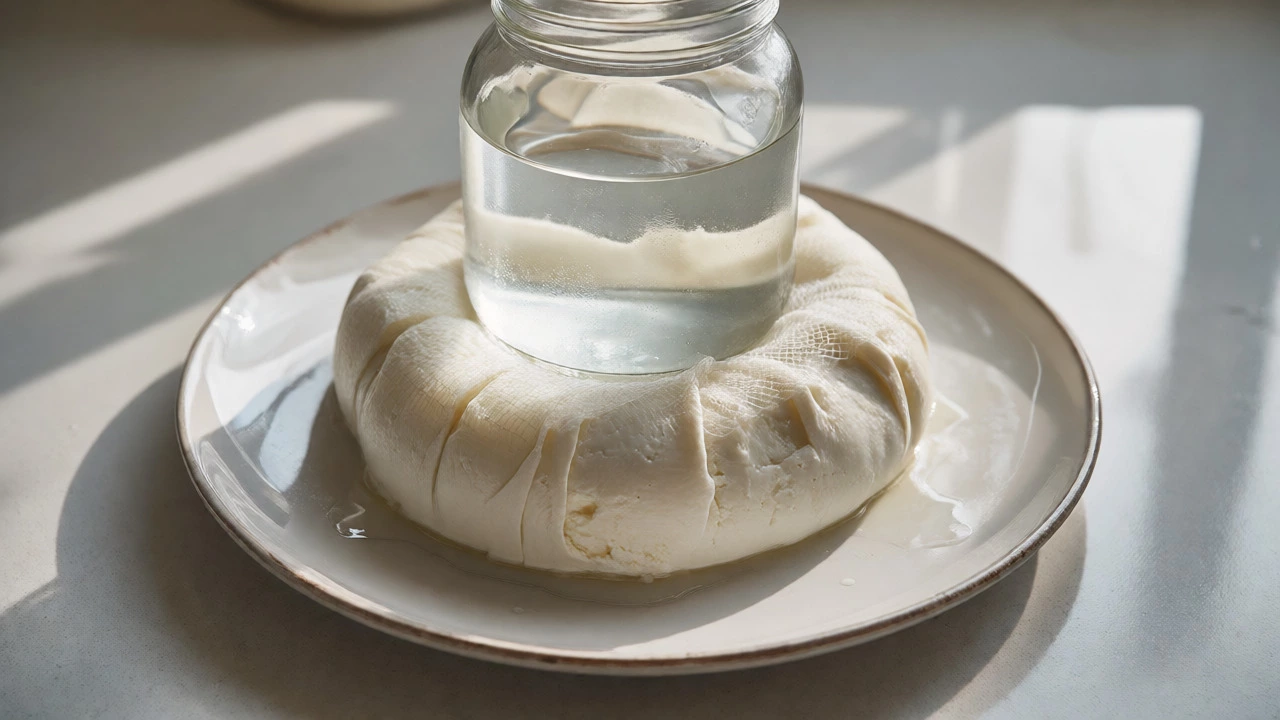
Twist the cheesecloth to remove surface water. Then place it on a plate and put a heavy object on top-a cutting board with a few cans of beans works great. How long you press matters. For soft paneer (good for bhurji or salads), press for 15-20 minutes. For firm paneer (good for tikka or deep-frying), press for 1-2 hours. Every hour of pressing squeezes out more water, reducing weight. If you want maximum weight, press lightly. If you want culinary performance, accept the slight weight loss.
What To Do With The Whey
You’ll end up with about 3 quarts of leftover liquid called whey. Don’t pour it down the drain! This liquid contains lactose, vitamins B2 and B12, and soluble proteins. While it doesn’t contain the casein that became paneer, it’s nutritious. Use it to knead dough for chapatis or naan; the acidity tenderizes the gluten. Use it instead of water when cooking rice or lentils. Drink it chilled with a pinch of salt and black pepper for hydration. It’s free nutrition you paid for.
Troubleshooting Common Yield Issues
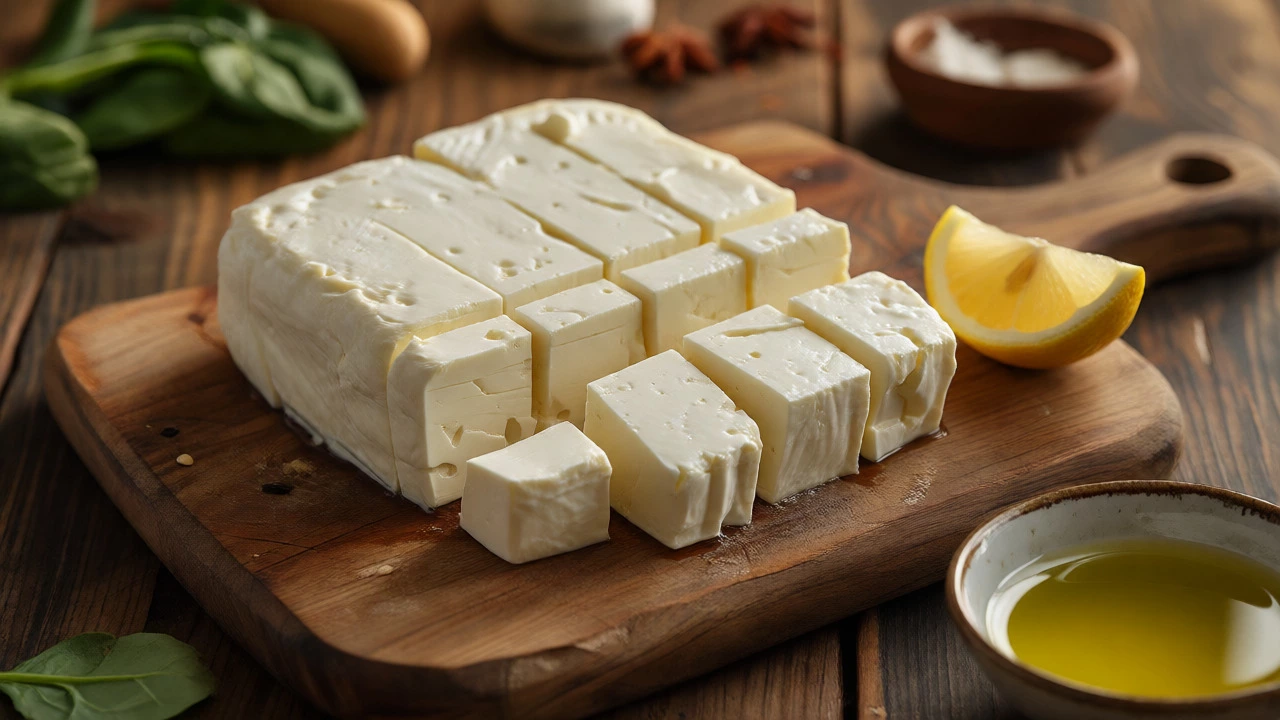
My paneer is tiny and hard. You likely overcooked it or pressed it too long. Next time, turn off the heat earlier and reduce pressing time. Also, ensure you didn’t let the milk boil vigorously.
The milk didn’t separate. Your milk might have been ultra-pasteurized (UHT). UHT processing alters protein structures, making them resistant to acid coagulation. If you must use UHT milk, add more acid and wait longer, or stir in a bit of yogurt starter culture. Fresh pasteurized milk always works best.
It tastes sour. You used too much acid or didn’t rinse the curds enough. Always rinse thoroughly under cold water until the smell of vinegar or lemon disappears.
I got less than 0.8 lbs from whole milk. Check your milk label. Some brands dilute milk or have lower butterfat content due to seasonal variations. Also, did you discard any curds while straining? Even small losses add up.
Storing Your Homemade Paneer
Fresh paneer lasts only 2-3 days in the fridge. To extend its life, submerge the block in fresh water in an airtight container and change the water daily. This keeps it soft. For longer storage, freeze it. Cut it into cubes first, blanch them in boiling salted water for 2 minutes, cool rapidly, and freeze in a ziplock bag. Frozen paneer lasts 2 months. Note that freezing changes the texture-it becomes spongier, which is actually great for absorbing gravies in dishes like Palak Paneer.
Making paneer at home gives you control over freshness and fat content that store-bought versions can’t match. Yes, it takes an hour. But knowing exactly what went into your cheese-and getting that satisfying pound of solid food from a simple gallon of milk-is worth the effort.
Can I make paneer from non-dairy milk?
Not traditional paneer. Soy milk can be coagulated with nigari (magnesium chloride) to make tofu, which is similar in texture but different in flavor. Almond, oat, and coconut milks generally do not contain enough casein-like proteins to form a cohesive curd block with acid alone. They may split, but they won't set into a sliceable cheese.
Why is my store-bought paneer cheaper than making it myself?
Store-bought paneer often uses industrial separators that extract higher yields and may mix milk powders or vegetable fats to increase volume. Home production captures natural solids without additives. Additionally, commercial producers buy milk in bulk at wholesale prices, whereas retail milk is more expensive per gallon.
Does the season affect how much paneer I get?
Yes. Milk composition varies by season. In winter, cows and buffaloes produce milk with higher fat and protein content due to metabolic changes and diet. Summer milk tends to be thinner with lower solids. You might notice a 5-10% drop in yield during peak summer months compared to winter.
Is homemade paneer healthier than store-bought?
Generally, yes. Homemade paneer contains no preservatives, stabilizers, or added starches often found in commercial packs. You also control the sodium level, as store-bought versions sometimes add salt for shelf life. However, the calorie count is similar unless you choose low-fat milk.
Can I reuse the whey to make more paneer?
No. The primary protein (casein) has already been extracted. The remaining whey contains mostly lactose and whey proteins (albumin/globulin), which do not coagulate easily with acid. You can use whey for ricotta-style cheeses by heating it to very high temperatures (near boiling) and adding acid again, but this yields a grainy, soft cheese, not firm paneer.