Indian Dietary Guide & Finder
Select a dietary profile to learn what is typically eaten, avoided, and the cultural or religious reasoning behind these choices.
Welcome!
Please select a dietary profile from the list to see the details.
Key Takeaways
- Religious beliefs like Ahimsa (non-violence) are the primary drivers.
- Economic factors made plant-based proteins more accessible for the masses.
- Caste systems historically influenced who ate what and why.
- Geography and climate provided an abundance of grains, legumes, and spices.
- Modern health trends are reinforcing these ancient dietary habits.
The Core Philosophy of Ahimsa
You can't talk about Indian diets without talking about Ahimsa. This is a Sanskrit term that basically means "non-harm." It's not just a suggestion; it's a fundamental pillar for several major religions. In Jainism, this is taken to the absolute limit. Some devout Jains won't even eat root vegetables like potatoes or carrots because pulling them from the ground kills the plant and potentially harms tiny organisms in the soil. That's some serious commitment to non-violence.
Then you have Hinduism. While not every Hindu is vegetarian, many follow the practice because they believe in the reincarnation of souls. If you believe a cow or a goat might have been your cousin in a past life, you're probably not going to put it on your dinner plate. The Cow specifically is revered as a maternal figure and a provider of life-sustaining milk, making the slaughter of cattle a massive taboo in most parts of the country.
Buddhism also played a huge role in spreading these ideas. By focusing on compassion for all sentient beings, the faith encouraged a shift away from hunting and meat-eating, which filtered down into the daily habits of millions of people over centuries.
Economics and the Practicality of Plants
Beyond the spiritual side, there's a very practical, financial reason why India leaned into vegetarianism. Let's be honest: raising livestock is expensive. It takes a lot of land, water, and time to grow a cow to size. For a farming family in a rural village, it made way more sense to grow lentils, chickpeas, and rice than to try and keep a herd of cattle for meat.
Think about the Pulse family. Lentils (dal) are incredibly cheap to produce and store. They provide the necessary protein to keep a laborer strong without requiring the massive investment that a pig or cow would. When you combine these legumes with a grain like rice or wheat, you get a complete protein. This "poor man's protein'" essentially fueled the Indian workforce for millennia.
| Source | Accessibility | Cost to Produce | Religious Status |
|---|---|---|---|
| Lentils/Beans | High | Low | Accepted by all |
| Dairy (Paneer/Ghee) | High | Medium | Highly revered |
| Meat (Goat/Chicken) | Moderate | High | Varies by caste/region |
| Root Veggies | High | Low | Avoided by Jains |

The Role of Social Hierarchy and Caste
It's impossible to discuss Indian food without mentioning the Caste System. Historically, dietary choices were used as a marker of social status. The highest castes, particularly the Brahmins (priests and scholars), adopted a strict vegetarian diet to signify their purity and spiritual detachment from the physical world. Eating meat was seen as "polluting" the body and mind.
Because the upper echelons of society set the standard for what was "pure," vegetarianism became a status symbol. Over time, this filtered down through various layers of society. While many lower castes continued to eat fish or goat (depending on their region), the cultural prestige associated with a meat-free diet pushed the entire country's culinary trajectory toward plants.
Geography and the Bounty of the Land
India has some of the most fertile soil on the planet, thanks to the Ganges River and the monsoon rains. When you have a climate that allows you to grow almost anything-from mangoes and coconut to mustard and spinach-you don't need to rely on animals for flavor or nutrients.
The abundance of spices is another critical factor. If you've ever had a bland steamed vegetable, you know why people crave meat-it's about the richness and the "umami." But Indian cooks mastered the art of using Spices like cumin, turmeric, and garam masala to create deep, complex flavors that make a cauliflower head taste just as satisfying as a piece of steak. This culinary ingenuity meant that going vegetarian didn't feel like a sacrifice; it felt like a feast.
Regional Variations: Not Everyone is Meat-Free
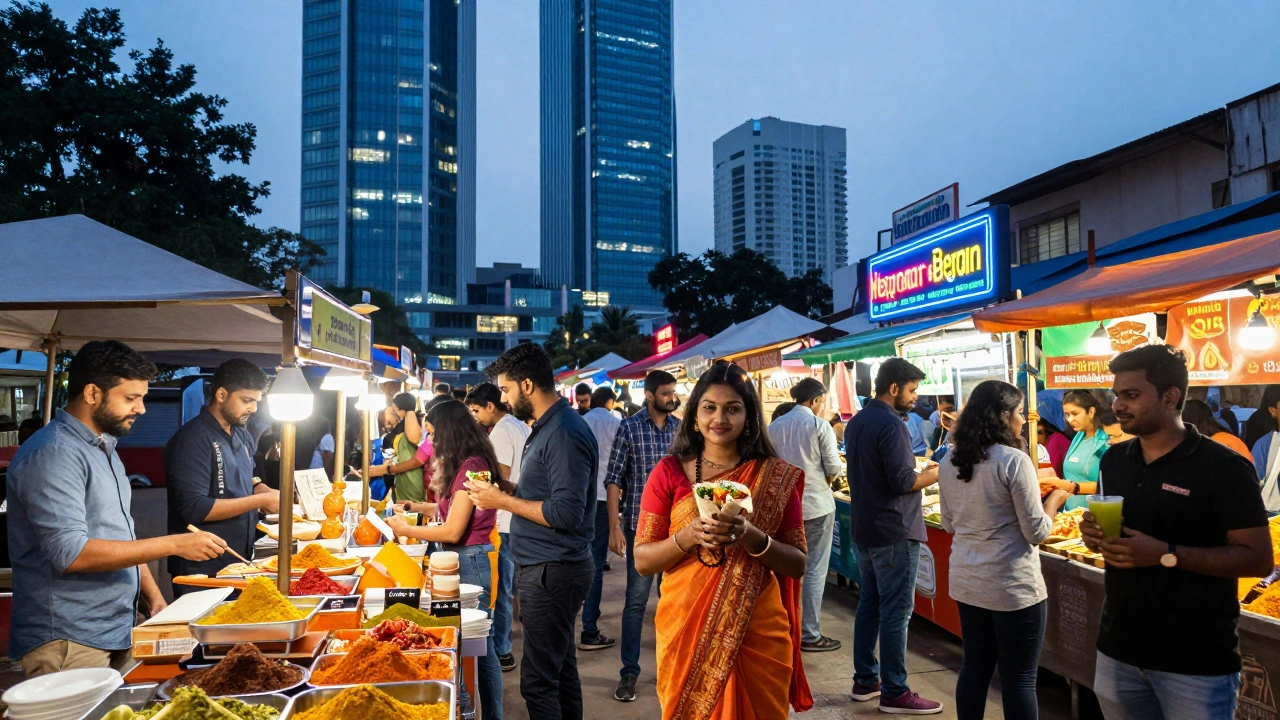
Now, let's clear up a common misconception: India isn't 100% vegetarian. If you go to West Bengal or Kerala, you'll find that fish is a staple. In these coastal regions, the proximity to the ocean made fish a primary protein source, and in many cases, it's viewed differently than "land meat." In some communities, fish is even referred to as "sea vegetable."
Similarly, in the Northwest, particularly in Punjab, there's a strong tradition of eating chicken and goat. The dietary map of India is a patchwork. The most strictly vegetarian areas tend to be in the West (Gujarat and Rajasthan) and the North, while the South and East have a more fluid relationship with meat and seafood.
How Modernity is Changing the Game
Interestingly, the world is now catching up to India. As the global population shifts toward Plant-Based Diets for environmental and health reasons, Indian cuisine is leading the way. People are discovering that the "ancient" way of eating-combining legumes and grains-is actually a scientific goldmine for heart health and weight management.
We're seeing a rise in "modern vegetarianism" in urban hubs like Mumbai and Bangalore. Here, it's not just about religion; it's about avoiding processed meats and reducing one's carbon footprint. The tradition of eating plant-based is evolving from a spiritual obligation into a conscious health choice for the Gen Z and Millennial populations.
Are all Indians vegetarian?
No, definitely not. While India has the highest percentage of vegetarians globally, millions of people eat meat, fish, and eggs. The prevalence depends heavily on the region, religion, and specific community.
What do Indian vegetarians eat for protein?
The main protein sources are lentils (dal), chickpeas (chana), kidney beans (rajma), soy, and various dairy products like paneer (cottage cheese), yogurt, and milk.
Why is the cow sacred in India?
In Hinduism, the cow is seen as a symbol of motherhood, non-violence, and generosity because it provides milk and fuel (dung) without asking for much in return. This has led to a cultural and religious prohibition against eating beef.
Is Jainism the reason for no onions or garlic in some dishes?
Yes. Many Jains avoid root vegetables, including onions and garlic, because harvesting them requires pulling the plant out of the earth, which can kill the plant and microorganisms living in the soil.
Do Indian vegetarians eat eggs?
It varies. Some identify as "lacto-vegetarians," meaning they eat dairy but avoid eggs. Others are "ovo-lacto vegetarians" who include eggs in their diet.
Next Steps for the Curious Eater
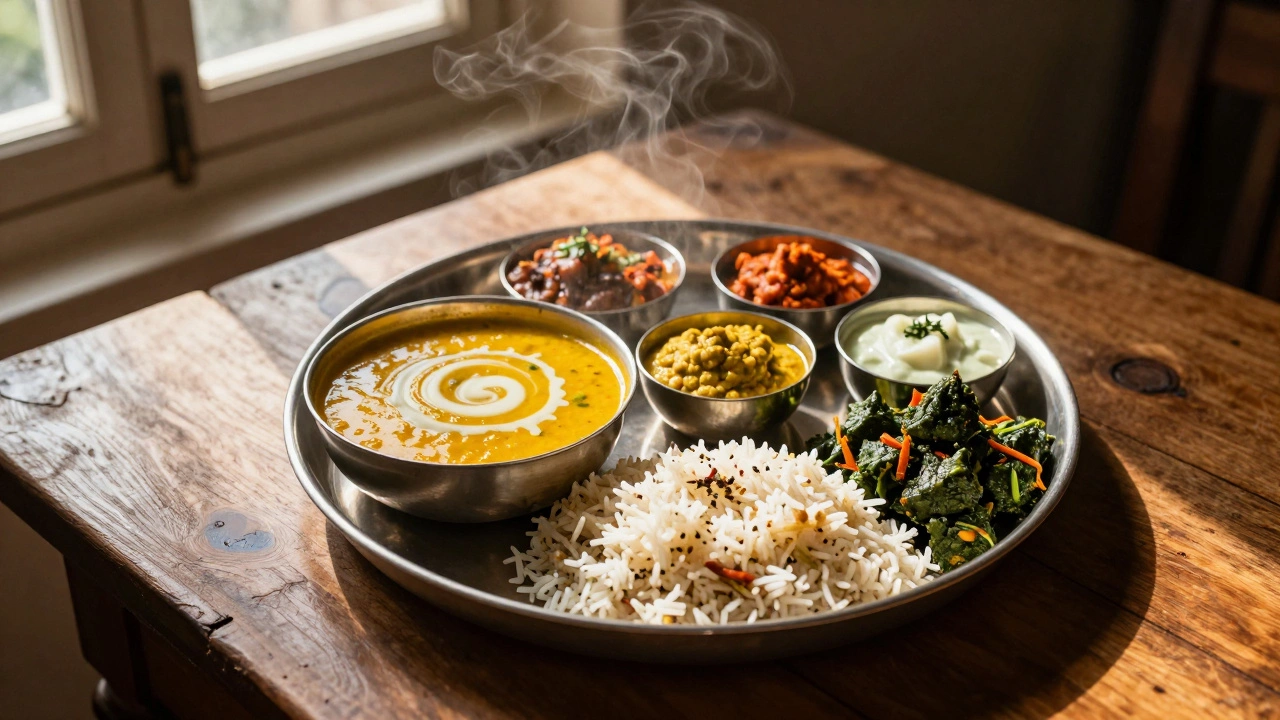
If you're looking to explore these flavors, start by trying a Dal Tadka (tempered lentils) paired with a simple Jeera Rice. It's the ultimate comfort food and a perfect example of how simple plant ingredients can taste incredibly rich. If you want something heartier, look for Palak Paneer, which combines iron-rich spinach with protein-packed cheese.
For those with strict dietary restrictions, always ask if a dish is "pure veg." In India, this specifically means no meat, no fish, and no eggs. If you're trying to avoid root vegetables, look for "Jain style" options on the menu, which will omit the onions and garlic.