Chutney Health Impact Calculator
Determine if your chutney choice is a nutritional powerhouse or a hidden sugar bomb based on the article's guidelines.
You’ve probably dipped your dosa into a vibrant green pool of mint chutney or spread a thick layer of tamarind sauce on your sandwich without thinking twice. It’s delicious, tangy, and adds that essential kick to Indian meals. But lately, you might have noticed the ingredient lists on store-bought jars: high fructose corn syrup, preservatives, and sometimes surprisingly high sodium levels. This raises a common question in kitchens across Bristol and beyond: is chutney good or bad for you?
The short answer is yes, but it depends entirely on what kind of chutney you are eating and how much you consume. Traditional, homemade chutneys are nutritional powerhouses packed with antioxidants, vitamins, and digestive aids. Commercially processed versions, however, can be sugar bombs that negate those benefits. Let’s break down the science behind these condiments so you can enjoy them guilt-free.
The Nutritional Profile of Traditional Chutneys
To understand whether chutney is healthy, we first need to look at its core ingredients. Unlike Western jams or jellies that rely heavily on fruit and sugar, traditional Indian chutneys use herbs, spices, legumes, and fermented bases. These components bring distinct health advantages.
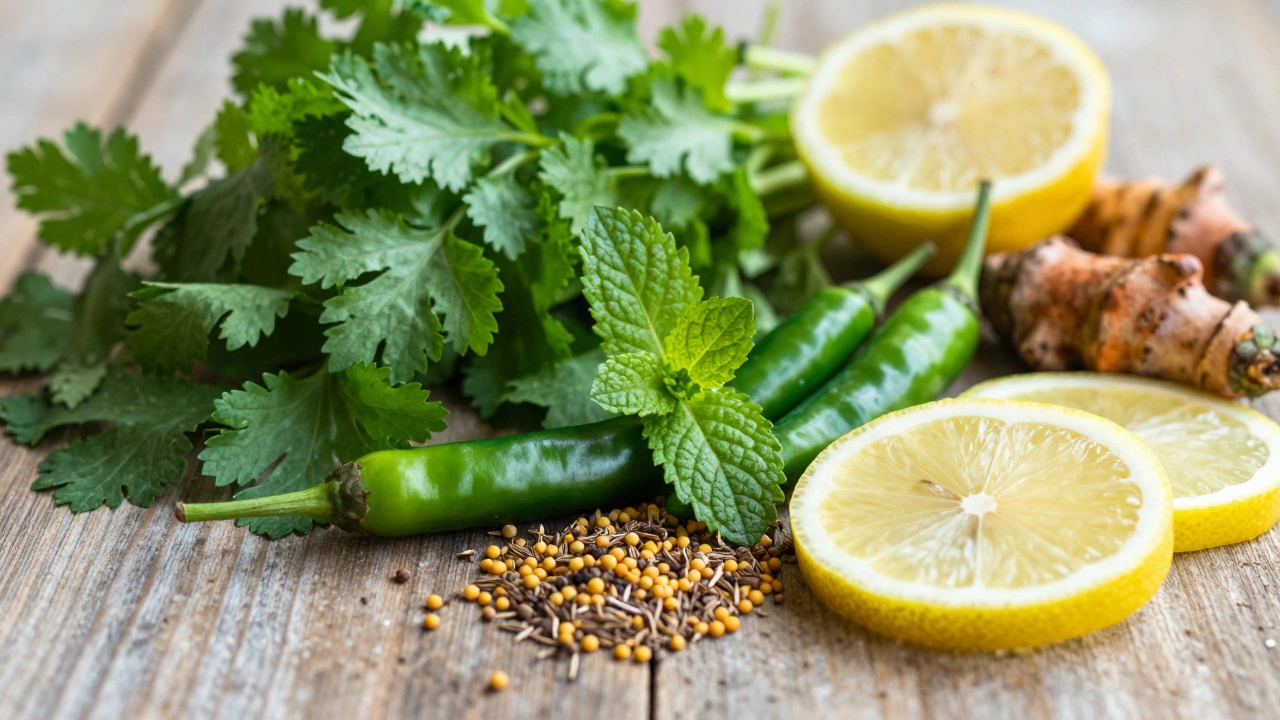
Coriander chutney, for example, is rich in Vitamin C and antioxidants like quercetin and kaempferol. These compounds help reduce inflammation in the body. Similarly, Mint chutney contains menthol, which aids digestion and soothes the stomach lining. If you suffer from bloating after a heavy meal, a spoonful of mint chutney isn’t just tasty; it’s functional medicine rooted in Ayurvedic tradition.
Then there are legume-based chutneys, such as those made from chickpeas or lentils. These provide plant-based protein and fiber, which help stabilize blood sugar levels. When you combine these nutrient-dense bases with spices like cumin, mustard seeds, and turmeric, you get a condiment that actively supports metabolic health rather than just adding flavor.
The Hidden Dangers: Sugar and Sodium
While fresh chutneys are beneficial, the commercial market has changed the game. Many shelf-stable chutneys found in supermarkets prioritize preservation over nutrition. To extend shelf life, manufacturers often add significant amounts of sugar and salt.
Sugar is the primary concern. A typical serving (about two tablespoons) of a sweetened mango or tamarind chutney can contain 10 to 15 grams of added sugar. That’s nearly half of the American Heart Association’s recommended daily limit for women. Regular consumption of these sugary condiments contributes to weight gain, insulin resistance, and increased risk of type 2 diabetes. If you are watching your sugar intake, reading the label is non-negotiable.
Sodium is another hidden culprit. Salt acts as a preservative, preventing bacterial growth in acidic environments. However, excessive sodium intake is linked to high blood pressure and cardiovascular issues. Some spicy red chutneys can contain up to 30% of your daily recommended sodium intake in a single serving. For individuals with hypertension, this is a serious consideration.
Homemade vs. Store-Bought: The Critical Difference
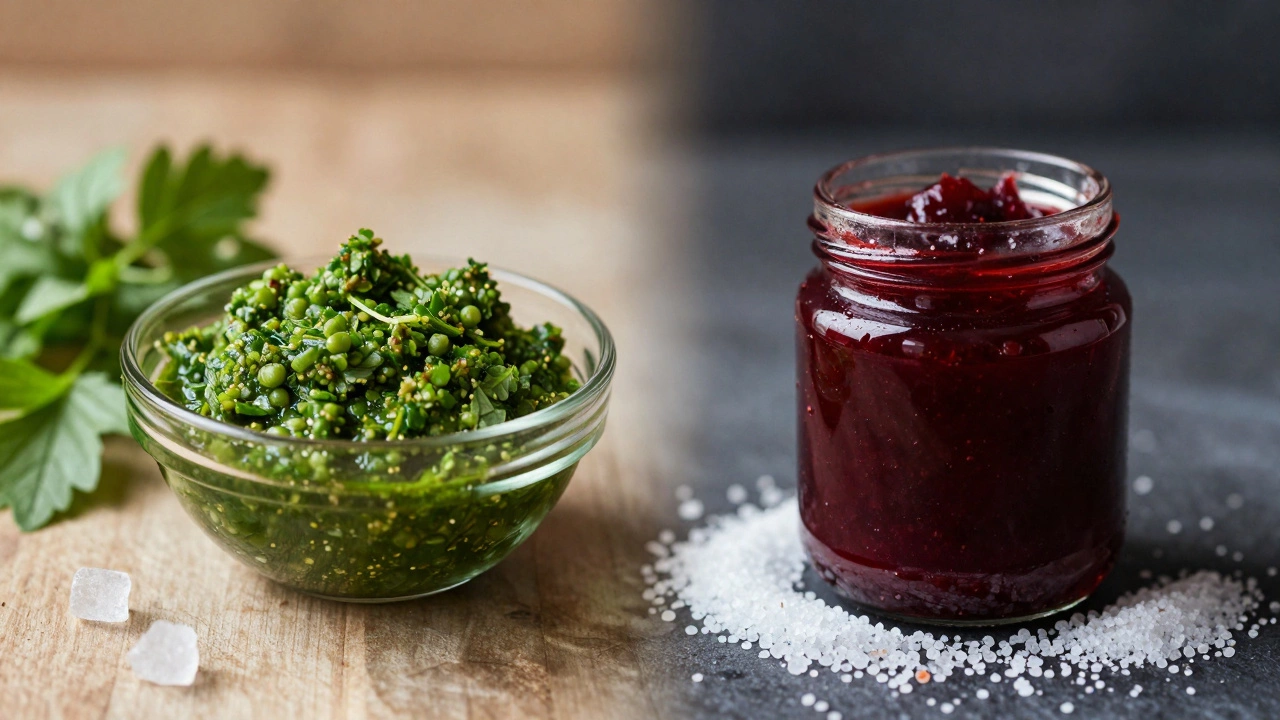
The biggest factor determining whether chutney is good or bad for you is its origin. Making chutney at home gives you complete control over the ingredients. You can eliminate added sugars, reduce salt, and ensure freshness.
| Feature | Homemade Chutney | Store-Bought Chutney |
|---|---|---|
| Shelf Life | 3-7 days (refrigerated) | 6-12 months (unopened) |
| Added Sugar | None or minimal (natural fruit sweetness) | High (often first ingredient) |
| Preservatives | None | Sodium benzoate, potassium sorbate |
| Nutrient Retention | High (fresh enzymes and vitamins) | Low (processing degrades nutrients) |
| Cost | Low ($1-2 per batch) | Medium-High ($4-8 per jar) |
When you blend fresh coriander leaves, green chilies, lemon juice, and a pinch of salt, you create a condiment that is virtually calorie-free yet bursting with flavor. In contrast, a jar of ready-to-eat chutney may taste consistent every time, but that consistency comes at the cost of artificial additives and refined sugars.
Specific Health Benefits by Type
Not all chutneys offer the same benefits. Understanding the specific properties of different types can help you choose the right one for your dietary needs.
- Mint and Coriander Chutney: Excellent for digestion. The chlorophyll in these greens helps detoxify the liver and improves gut health. They are also alkalizing, which helps balance the acidity from spicy foods.
- Tamarind Chutney: Tamarind is rich in tartaric acid, which aids in digestion and prevents constipation. It also contains polyphenols that have anti-inflammatory effects. However, because it is naturally sour, it is often balanced with large amounts of sugar in commercial products.
- Coconut Chutney: Provides healthy medium-chain triglycerides (MCTs). These fats are easily metabolized by the body and can provide quick energy. Coconut chutney is also lower in glycemic impact compared to fruit-based chutneys.
- Tomato Chutney: Rich in lycopene, a powerful antioxidant linked to reduced risk of heart disease and certain cancers. Cooking tomatoes (as in many chutney recipes) increases the bioavailability of lycopene.
How to Make Chutney Healthier
If you love the convenience of store-bought options but want to avoid the health pitfalls, here are some practical tips to make better choices or improve your homemade batches.
- Check the Label: Look for brands that list vegetables, fruits, or herbs as the first ingredient, not sugar or water. Avoid products with "high fructose corn syrup" or "modified food starch."
- Use Natural Sweeteners: If you are making sweet chutneys at home, use jaggery or dates instead of white sugar. Jaggery retains minerals like iron and magnesium, making it a slightly healthier alternative.
- Add Fat for Flavor: Instead of adding more salt or sugar, temper your chutney with mustard seeds, curry leaves, and a teaspoon of coconut oil or ghee. This enhances flavor without compromising health.
- Portion Control: Even healthy chutneys should be consumed in moderation. Treat them as a condiment, not a main dish. One to two tablespoons per meal is sufficient.
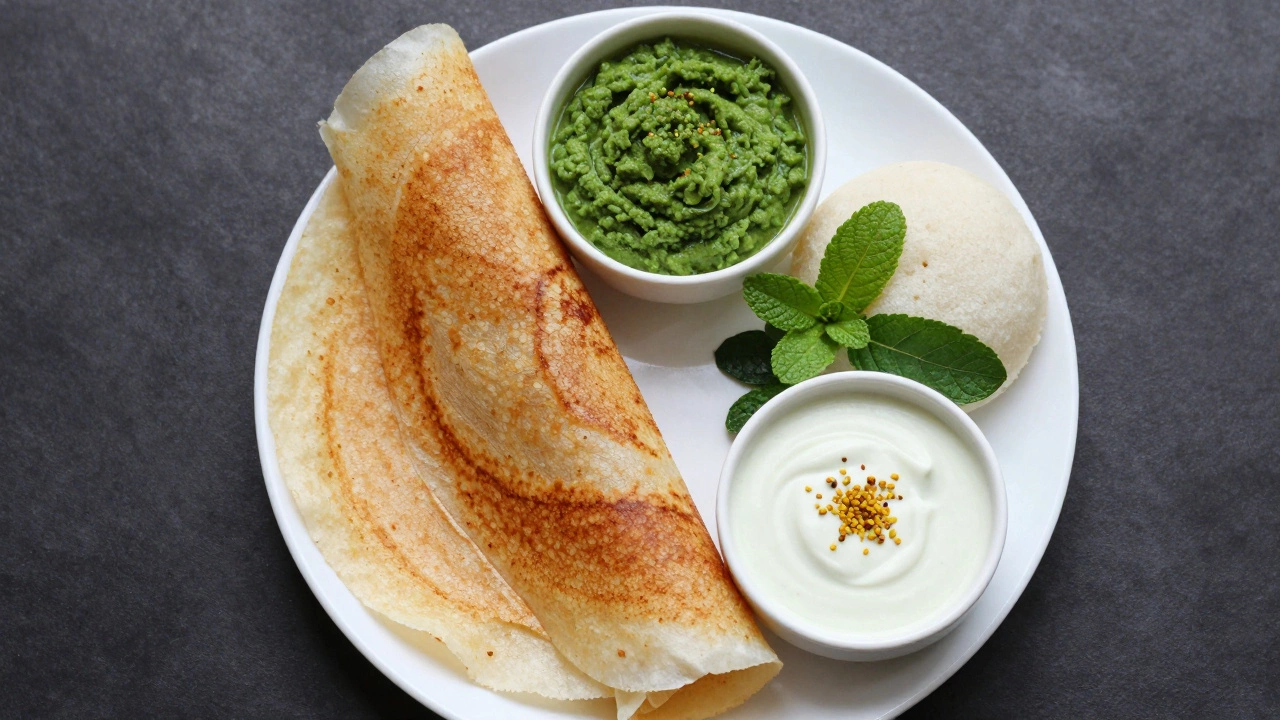
- Fermentation Boost: Consider trying fermented chutneys like Idli podi or yogurt-based sauces. Fermentation introduces probiotics that support gut microbiome health.
Who Should Be Cautious?
While chutney is generally safe, certain groups should exercise caution. People with kidney diseases need to monitor their potassium and sodium intake, so they should avoid salty tomato or onion chutneys. Individuals with acid reflux or GERD should steer clear of highly acidic tamarind or lemon-based chutneys, as these can trigger symptoms.
Pregnant women should avoid raw, uncooked chutneys if they contain sprouted legumes or unpasteurized dairy, due to the risk of Listeria or Salmonella. Always ensure ingredients are washed thoroughly and cooked properly if you fall into this category.
Conclusion: Balance is Key
So, is chutney good or bad for you? It is neither inherently good nor bad-it is a tool. In its pure, homemade form, chutney is a vehicle for delivering vitamins, antioxidants, and digestive aids. In its processed, commercial form, it can be a source of empty calories and excess sodium.
The best approach is to embrace the tradition of making chutney at home. It takes less than five minutes to blend fresh ingredients, and the health payoff is significant. By controlling what goes into your jar, you transform a simple condiment into a superfood that enhances both your meal and your well-being.
Is chutney high in calories?
Traditional herb-based chutneys like mint or coriander are very low in calories, often containing fewer than 10-20 calories per tablespoon. However, sweet chutneys made with jaggery, sugar, or dried fruits can be higher in calories, ranging from 50 to 100 calories per serving depending on the recipe.
Can I eat chutney every day?
Yes, you can eat homemade chutney daily as part of a balanced diet. It adds flavor without excessive calories and provides beneficial nutrients. Just be mindful of portion sizes and vary the types of chutney you consume to get a diverse range of vitamins and antioxidants.
Which chutney is best for weight loss?
Green chutneys made from mint, coriander, and green chilies are the best options for weight loss. They are low in calories, high in fiber, and aid digestion. Avoid sweet tamarind or mango chutneys if you are trying to cut down on sugar intake.
Does chutney cause acidity?
It depends on the type. Spicy chutneys with lots of green chilies or acidic ones with tamarind and lemon can trigger acidity in sensitive individuals. On the other hand, mild chutneys like coconut or yogurt-based ones can actually soothe the stomach and reduce acidity.
How long does homemade chutney last?
Homemade chutney typically lasts 3 to 5 days in the refrigerator if stored in an airtight glass container. Adding a little oil on top can help extend its shelf life by creating a barrier against air. Always use clean spoons to serve it to prevent contamination.