Indian Spice Level Explorer
Select a State
-- / 10 Heat IndexClick on a region above to see its spice profile, primary chili varieties, and signature dishes.
Survival Tip for this Region:
...
Walk into a restaurant in North India and ask for "medium" spice. You might get a mild dish that barely tingles your tongue. Now, do the exact same thing in a small town in Andhra Pradesh or Telangana. That "medium" plate will likely make you sweat within three bites, forcing you to reach for the nearest glass of buttermilk. If you have ever traveled across India’s culinary map, you know that "spicy" is not a universal setting. It is a local dialect.
So, which state actually eats the most spicy food in India? While opinions vary from Delhi to Mumbai, the data points consistently toward one region: Andhra Pradesh. But it is not just about slapping extra chilies on a curry. It is about culture, geography, and a specific type of heat that defines daily life there. Let’s break down why this southern state holds the title, how other contenders like Maharashtra and Punjab measure up, and what makes Indian street food so dangerously delicious.
The Undisputed Champion: Andhra Pradesh
If you are looking for the absolute ceiling of heat tolerance in India, look south. Andhra Pradesh (along with its neighboring state, Telangana) is widely recognized as the spiciest region in the country. This isn’t just anecdotal; it is backed by agricultural data. Andhra Pradesh is the largest producer of red chilies in India. The famous Guntur district alone produces millions of quintals of chilies annually, primarily the Guntur Sannam variety.
Why does this matter? Because when an ingredient is abundant and cheap, it becomes central to the diet. In Andhra households, green chilies are not an optional garnish; they are a staple vegetable. A typical meal includes rice, dal, a dry vegetable stir-fry, and often a side of pickled raw mangoes-all heavily seasoned with mustard seeds, curry leaves, and a generous handful of slit green chilies.
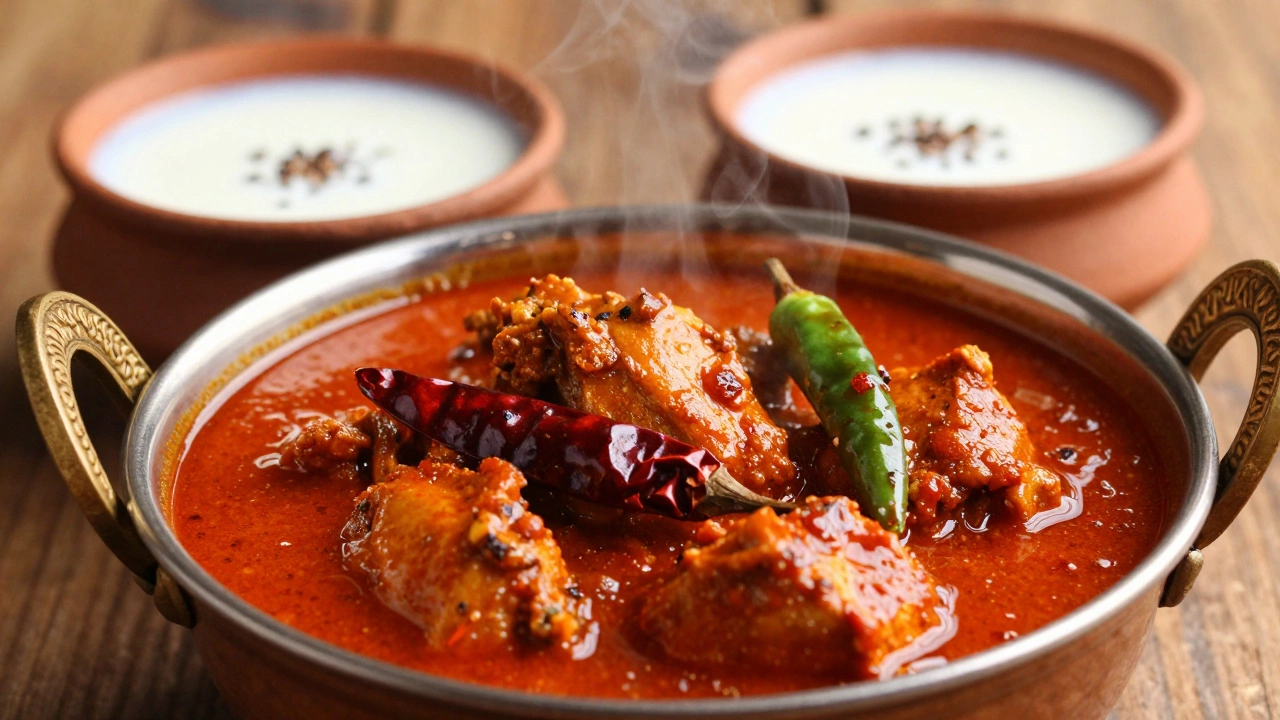
The signature dish here is the Andhra Chicken Curry. Unlike the creamy, tomato-based curries of the north, this dish is thin, oily, and intensely hot. The heat comes from freshly ground red chili powder and whole dried red chilies fried in oil until they darken. Even vegetarians in the region consume significant amounts of capsaicin through dishes like Gongura Pachadi, a sour and spicy chutney made from sorrel leaves, which is often served alongside every meal.
The Contenders: Who Else Loves the Burn?
While Andhra takes the crown, several other states have fierce claims to the throne. Each has a unique relationship with spice, driven by different ingredients and historical influences.
Maharashtra: The Bold Heat of Kolhapur
In western India, Maharashtra is known for its robust flavors. Specifically, the city of Kolhapur in southwestern Maharashtra is legendary for its spicy food. The Kolhapuri Chikki (a sweet brittle) is famous, but the Kolhapuri Mutton Curry is the real test of endurance. This curry uses a special blend of spices called Godhi Masala, which includes a high proportion of Kashmiri and Byadgi red chilies, along with coriander, cumin, and fenugreek. The result is a deep, earthy heat that lingers long after the meal is over.
Punjab: Richness Over Raw Heat
Punjab is often mistaken for being the spiciest state because of its bold flavors, but this is a misconception. Punjabi cuisine relies more on ghee, cream, yogurt, and dairy to balance spices. Dishes like Butter Chicken or Rajma Chawal are flavorful but rarely "hot" in the capsaicin sense. When Punjab gets spicy, it is usually through the use of fresh green chilies in tandoori marinades or in dishes like Chole Bhature, where the chickpea curry can be quite sharp. However, compared to the raw, unmitigated heat of the south, Punjab is relatively mild.
Tamil Nadu: Sour and Spicy
Southern neighbor Tamil Nadu offers a different kind of heat. Their cuisine is characterized by the combination of spice and sourness, often using tamarind, kokum, or raw mango. The iconic
Understanding Indian Spice Levels
To understand why some states eat hotter than others, we need to look at the science and the culture behind the spice. In India, "spice" refers to two things: aroma (from spices like cardamom, cinnamon, cloves) and heat (from chilies). Most foreigners confuse the two. You can have a highly aromatic dish that is completely mild, or a simple dish that is incredibly hot.
The primary source of heat in Indian cooking is the chili pepper, which was introduced to India by Portuguese traders in the 15th century. Before that, black pepper and long pepper provided the heat. Today, chilies are grown almost everywhere, but the varieties differ significantly.
| Chili Variety | Primary Region | Heat Level (Scoville) | Flavor Profile |
|---|---|---|---|
| Guntur Sannam | Andhra Pradesh / Telangana | Medium-High | Bright, fruity, intense heat |
| Kashmiri Mirchi | Jammu & Kashmir / North India | Low-Medium | Mild heat, vibrant red color, smoky |
| Byadgi | Karnataka / Maharashtra | Low | Mild, used for color rather than heat |
| Green Bird’s Eye | South India (General) | Very High | Pungent, sharp, immediate burn |
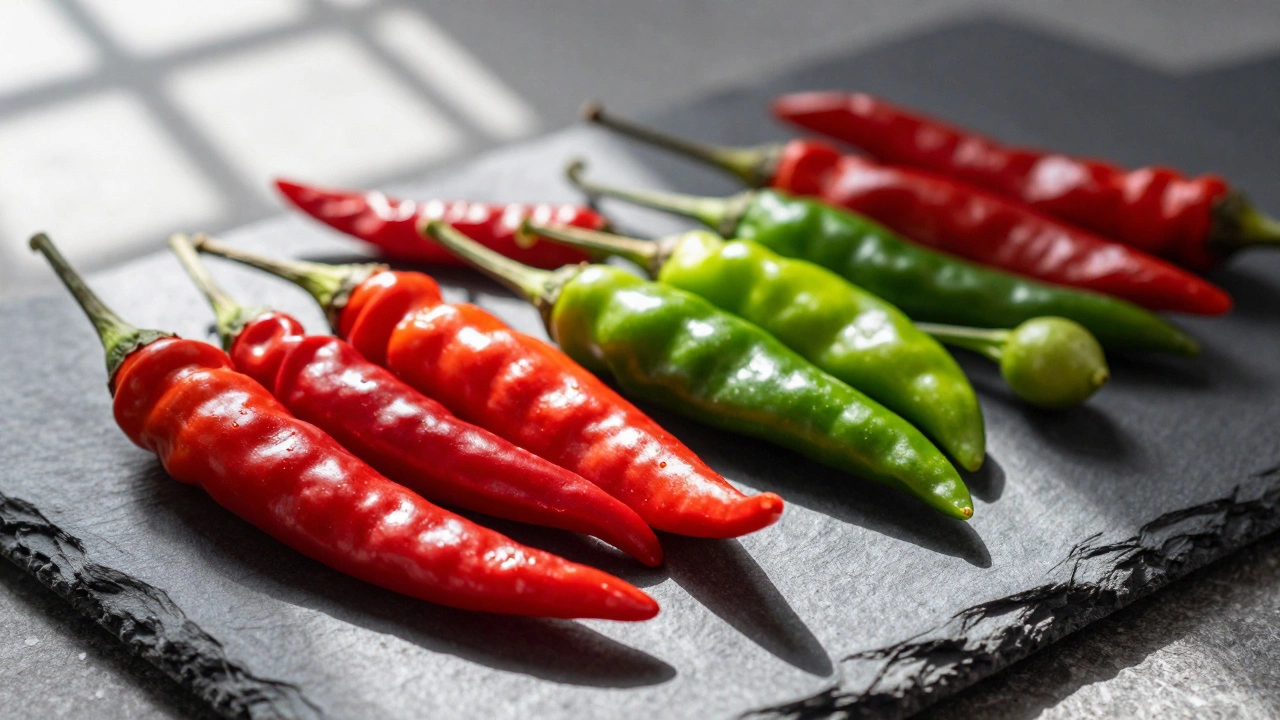
Notice the difference? Northern states prefer Kashmiri chilies because they add a beautiful red color without overwhelming the palate with heat. Southern states, particularly Andhra, use Guntur Sannam and fresh green bird’s eye chilies, which pack a much higher punch per gram. This agricultural preference directly shapes the eating habits of the population.
Street Food: Where the Heat Lives
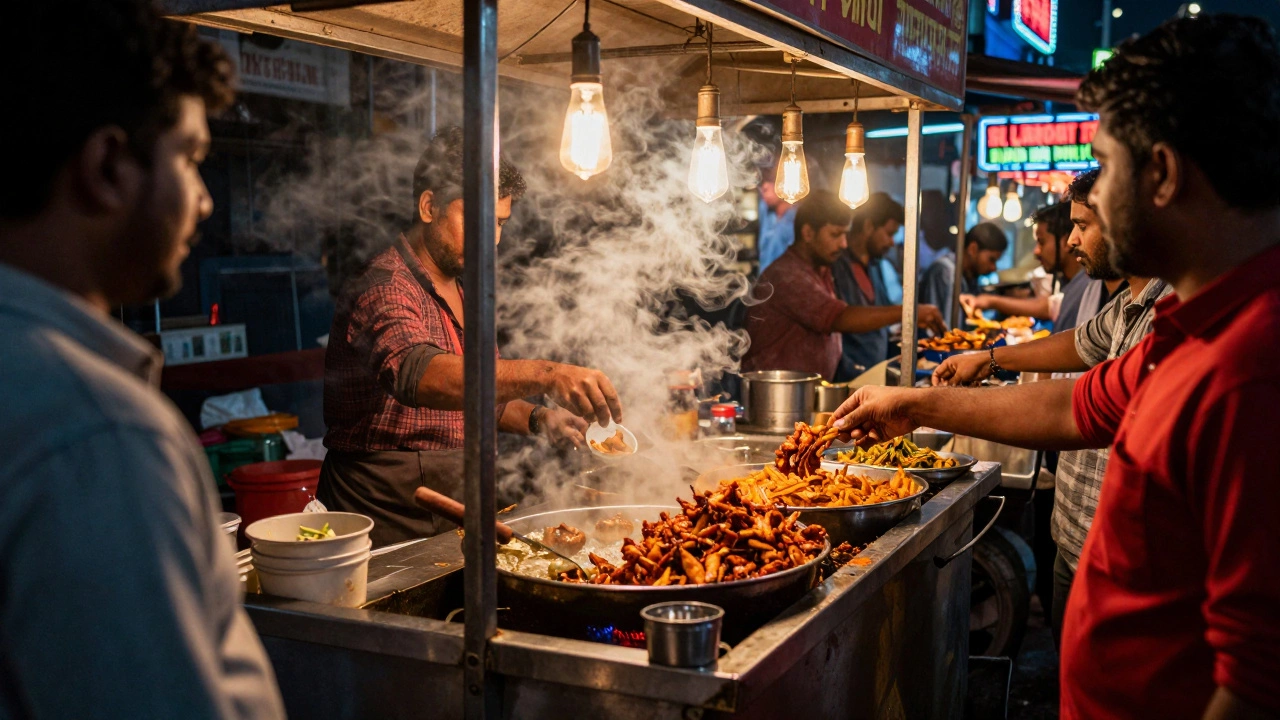
If home cooking is where spice traditions are preserved, street food is where they are amplified. Indian street vendors operate on speed and intensity. They need flavors that hit you instantly. Here is how the spiciest street foods compare across regions.
In Andhra Pradesh, try Bheja Fry (fried goat brain) or Chicken 65 (a deep-fried chicken dish marinated in coconut, vinegar, and lots of red chilies). These dishes are not meant to be eaten slowly. They are meant to be consumed quickly, often with hands, while the heat builds up. In Hyderabad, the Biriyani is cooked with saffron, fried onions, and a generous amount of green chilies tucked inside the meat pieces. One bite of a poorly placed chili can ruin-or enhance-your entire experience.
In Kolkata, West Bengal, the heat is subtler but present in Kathi Rolls. The egg or chicken filling is spiced with cumin, coriander, and green chilies, wrapped in a paratha. It is spicy, but balanced with the softness of the bread. In Mumbai, Maharashtra, the Vada Pav is dipped in a garlic-chili chutney that provides a sudden spike of heat against the bland potato patty.
The common thread? Street food in India is rarely "mild." Vendors assume their customers have a baseline tolerance for spice. If you are new to Indian street food, always start with a request for "less chili" or "no green chili," even if the menu says otherwise.
Why Do Indians Eat So Much Spice?
It is not just about taste buds. There are practical reasons why spicy food dominates the Indian diet, especially in warmer climates.
- Preservation: Historically, before refrigeration, spices like turmeric, cumin, and chili had antimicrobial properties. Cooking with heavy spices helped prevent foodborne illnesses in hot weather.
- Cooling Effect: It sounds counterintuitive, but sweating induced by spicy food helps cool the body down. In states like Andhra and Tamil Nadu, where temperatures regularly exceed 40°C (104°F), eating spicy food triggers perspiration, which acts as a natural air conditioning system.
- Digestion: Many spices used in Indian cooking, such as asafoetida (hing), cumin, and fennel, aid digestion. Heavy meals of rice and lentils are easier to digest when broken down by enzymatic activity stimulated by these spices.
- Appetite Stimulation: Capsaicin, the compound that makes chilies hot, stimulates nerve endings in the mouth, increasing saliva production and appetite. This is crucial in labor-intensive agricultural societies where workers need to eat large quantities of food.
How to Handle the Heat: Tips for Beginners
If you are planning to visit India or order authentic Indian food abroad, knowing how to manage the spice level is essential. Here are some practical tips:
- Ask for "Less Green Chili": Red chili powder adds color and background heat, but green chilies provide the sharp, biting pain. Removing them cuts the perceived heat by half.
- Pair with Dairy: Water does not wash away capsaicin because it is oil-soluble. Milk, yogurt (raita), or buttermilk (chaas) contain casein, a protein that binds to capsaicin and neutralizes it. Always keep a side of raita handy.
- Eat Rice First: Soaking your rice in the curry sauce dilutes the concentration of chili oil in each bite. Eating plain rice first also coats your stomach lining slightly, offering minor protection.
- Avoid Alcohol Initially: Alcohol can dissolve capsaicin and spread it around your mouth, making the burning sensation worse. Save the beer for after the meal.
- Know Your Limits: Indian spice levels increase exponentially, not linearly. A "medium" dish in one restaurant might be "hot" in another. Start small and build up your tolerance over weeks, not days.
The Cultural Significance of Spice
In India, asking someone "Did you eat?" is a common greeting, equivalent to "How are you?" Offering food is an act of love and hospitality. Serving spicy food is a way of sharing vitality and energy. To serve bland food can sometimes be seen as neglectful, implying that the host did not care enough to season the dish properly.
This cultural pressure means that even children in spicy states grow up eating heat. A five-year-old in Vijaywada might happily munch on a spicy papadum, while a child in London might find a mild salsa too strong. This early exposure rewires the palate, reducing sensitivity to capsaicin over time. The TRPV1 receptors in our mouths become desensitized with regular exposure, meaning that what feels like fire to a newcomer feels like warmth to a local.
Conclusion: Embrace the Fire
So, who eats the most spicy food in India? The evidence clearly points to Andhra Pradesh and Telangana as the leaders, followed closely by parts of Maharashtra and Tamil Nadu. But the real answer is that India is a land of diverse heat profiles. From the smoky mildness of the Himalayas to the fiery explosions of the Deccan Plateau, spice is the heartbeat of Indian cuisine.
Whether you are a heat seeker or a cautious eater, understanding these regional differences allows you to navigate Indian menus with confidence. Next time you order a curry, don’t just ask for "spicy." Ask for "Andhra style" if you want a challenge, or "Kashmiri style" if you want color without the pain. Either way, prepare yourself. Indian food doesn’t just feed you; it wakes you up.
Is Andhra Pradesh really the spiciest state in India?
Yes, Andhra Pradesh is widely considered the spiciest state due to its high consumption of Guntur Sannam red chilies and fresh green chilies in nearly every meal. Agricultural data shows it is the largest producer of red chilies in India, making spice a central part of the local diet.
What is the difference between North Indian and South Indian spice?
North Indian cuisine tends to use milder chilies like Kashmiri mirchi for color and flavor, balancing heat with dairy (cream, yogurt). South Indian cuisine, especially in Andhra and Tamil Nadu, uses hotter chilies and emphasizes raw heat combined with sour elements like tamarind, resulting in a sharper, more intense burn.
Why is Kolhapur famous for spicy food?
Kolhapur, a city in Maharashtra, is famous for its Godhi Masala, a proprietary spice blend rich in red chilies. Dishes like Kolhapuri Mutton Curry are known for their deep, lingering heat, distinguishing the region as a spicy hub in Western India.
How can I reduce the spiciness of Indian food?
To reduce spiciness, pair your meal with dairy products like yogurt, milk, or buttermilk, as casein neutralizes capsaicin. Avoid water, which spreads the oil. You can also mix the spicy dish with plain rice or bread to dilute the concentration of heat in each bite.
Is spicy food healthy?
In moderation, yes. Capsaicin has anti-inflammatory properties and can boost metabolism. Spices like turmeric and cumin aid digestion. However, excessive consumption can cause gastrointestinal distress, heartburn, or ulcers in sensitive individuals. It is important to listen to your body’s tolerance levels.