Tandoori Condiment Selector
Not sure which jar to grab? Tell us what you're making, and we'll recommend the best option.
Recommendation
Why this choice?
Explanation goes here.
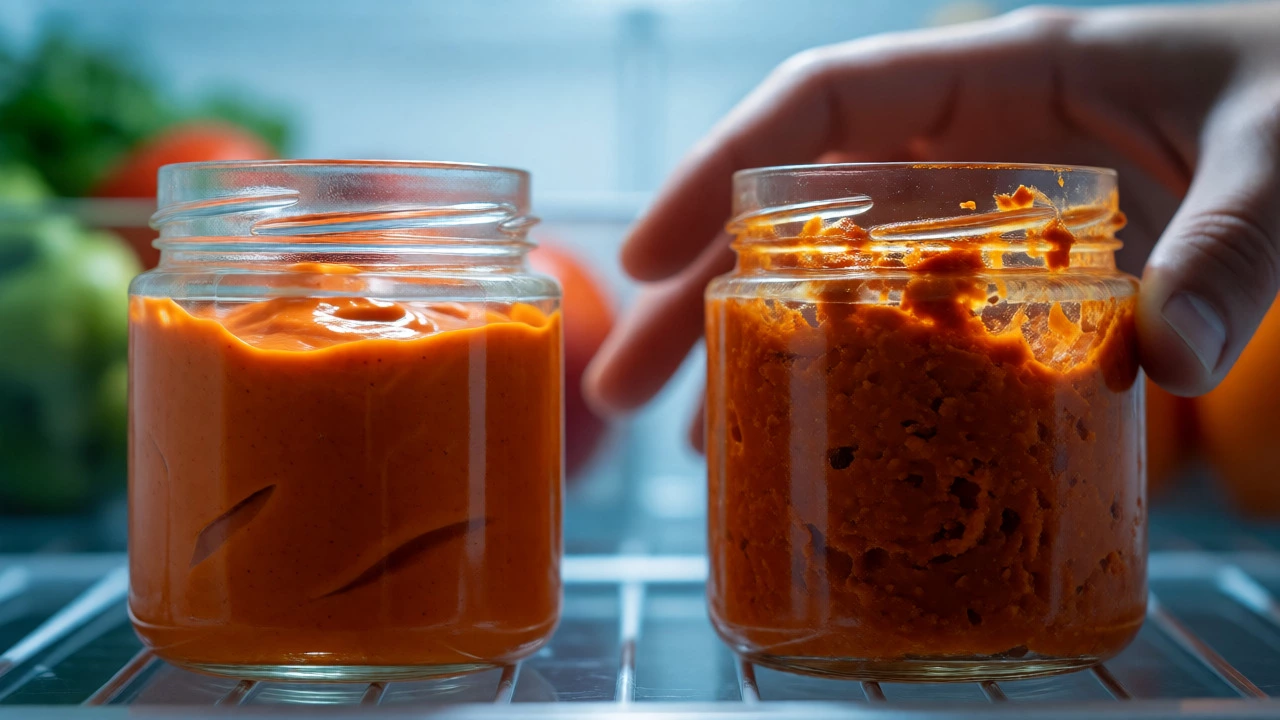
You’re standing in front of the fridge, holding two jars that look suspiciously similar. One says tandoori mayonnaise, the other says tandoori spread. You toss a chicken breast on the grill, grab a knife, and wonder: does it actually matter which one you slather on? Spoiler alert: yes, it does. But not for the reasons most people think.
It’s easy to assume these are just marketing tricks to sell you two products instead of one. After all, they both taste like smoky, spicy yogurt-marinated goodness. But if you’ve ever tried to dip crispy pakoras into a runny mayo or spread a thick paste onto delicate naan bread only to tear it apart, you know there’s a functional difference here. This isn’t just about flavor; it’s about texture, stability, and how the condiment behaves under heat and time.
The Core Difference: Emulsion vs. Suspension
To understand why these two don’t work interchangeably, you have to look at what holds them together. Tandoori Mayonnaise is an emulsion. It is a stable mixture of oil, egg yolk (or a vegan alternative), and acidic components like lemon juice or vinegar, flavored with tandoori spices. The magic happens when fat droplets are suspended in water-based liquids by lecithin from the egg yolk. This creates a creamy, smooth consistency that coats food evenly but remains relatively fluid.
Tandoori Spread, on the other hand, is typically a suspension or a thickened blend. It often relies on thickening agents like starches, gums, or reduced dairy bases (like hung curd or cream cheese) rather than a pure oil-egg emulsion. This results in a product that is denser, more viscous, and structurally stronger. It doesn’t drip off your spoon as easily, making it ideal for applications where gravity is your enemy.
Think of it this way: mayonnaise is designed to coat and cling lightly, while a spread is designed to sit and stay put. If you use a spread on a burger, it won’t soak into the bun immediately. If you use mayo, it might make the bottom bun soggy within minutes.
Ingredient Breakdown: What’s Inside?
Let’s crack open the labels. While brands vary, the foundational ingredients tell the true story. A standard commercial tandoori mayonnaise usually starts with a base of vegetable oil and egg yolks. To achieve that signature red-orange hue and smoky kick, manufacturers add paprika, smoked salt, and authentic tandoori masala blends-think cumin, coriander, garam masala, and dried fenugreek leaves. Crucially, it contains stabilizers like xanthan gum to prevent the oil and water phases from separating over time.
A tandoori spread often swaps out some of the oil for solid fats or dairy solids. You’ll frequently find ingredients like cream cheese, hung curd, or even butter in premium spreads. These additions increase the viscosity and provide a richer mouthfeel. Some budget-friendly versions might use modified corn starch to thicken a yogurt base without adding the calorie density of full-fat dairy. The spice profile is often more concentrated in spreads because the thicker medium carries the flavors differently, requiring less liquid acid to balance the palate.
| Attribute | Tandoori Mayonnaise | Tandoori Spread |
|---|---|---|
| Primary Base | Oil and Egg Yolk Emulsion | Dairy Solids, Starches, or Thickened Curd |
| Texture | Creamy, Smooth, Semi-Liquid | Thick, Dense, Paste-like |
| Heat Stability | Low (May split or become oily) | High (Holds shape better when heated) |
| Best For | Dipping, Dressings, Sandwich Filling | Marinating, Glazing, Toasting |
| Caloric Density | Very High (Pure Fat) | Moderate to High (Varies by dairy content) |
Culinary Applications: When to Use Which
Now that we know what they are, let’s talk about how to use them. Using the wrong one can ruin a dish. Here is the rule of thumb: if you want moisture and tang, go for the mayo. If you want structure and intense flavor concentration, go for the spread.
Use Tandoori Mayonnaise When:
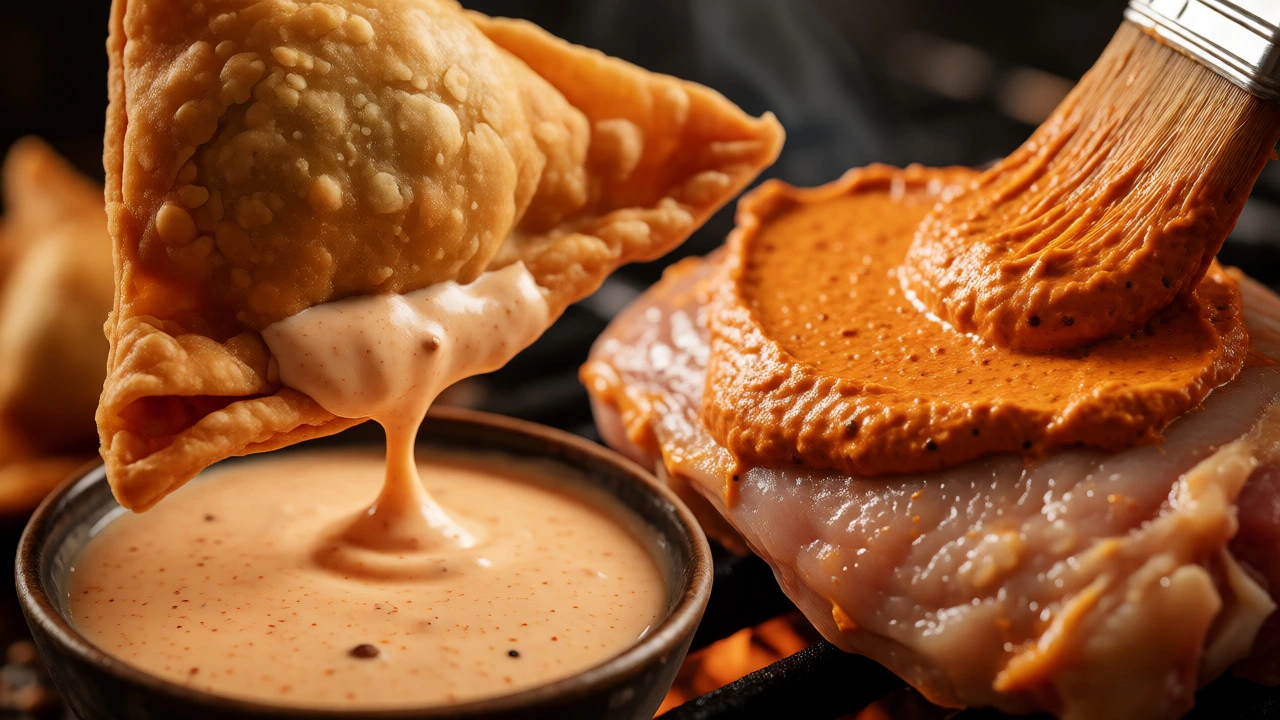
- Dipping Fried Snacks: Crispy samosas, onion bhajis, or pakoras need a sauce that clings to the rough surface without being too heavy. The emulsion sticks well but stays light enough to not overwhelm the crunch.
- Sandwich Fillings: Mix it with chopped cilantro and mint for a quick chutney-style filling. The liquidity helps bind the ingredients together inside a sandwich without making the bread soggy instantly.
- Salad Dressings: Thin it out with a little lemon juice or yogurt to create a dressing for cucumber raita salads or kale bowls. Its ability to disperse evenly makes it perfect for coating leafy greens.
Use Tandoori Spread When:
- Marinating Proteins: Because it’s thicker, it adheres to chicken thighs or paneer cubes better during marination. It forms a protective layer that locks in moisture while the spices penetrate the meat.
- Glazing Before Baking: Brush it on top of vegetables or chicken breasts before roasting. Unlike mayo, which might separate and leave you with a pool of oil, the spread caramelizes nicely and creates a flavorful crust.
- Spreading on Bread: Try it on toasted sourdough or naan. It won’t seep through the pores of the bread immediately, giving you a distinct layer of flavor in every bite.
DIY: Can You Make Them at Home?
Yes, and honestly, homemade versions often beat store-bought ones for freshness. Making tandoori mayonnaise requires a bit of technique. You need room-temperature egg yolks and neutral oil (like sunflower or grapeseed). Whisk the yolks with mustard powder and lemon juice, then slowly drizzle in the oil while whisking vigorously until it emulsifies. Once you have a stable mayo, fold in your tandoori masala, smoked paprika, and a pinch of sugar to balance the acidity.
Making a tandoori spread is easier. Start with thick Greek yogurt or hung curd. Mix it with softened cream cheese for richness. Stir in garlic paste, ginger paste, tandoori masala, and lime juice. If it’s too thin, let it sit in the fridge to firm up, or add a teaspoon of tahini for extra body and nuttiness. The key is achieving a consistency that holds its shape on a spoon.
Nutritional Nuances
If you’re watching your macros, pay attention to the label. Traditional tandoori mayonnaise is almost entirely fat. A tablespoon can pack around 90-100 calories, mostly from oil. It has negligible protein unless you count the trace amounts from the egg yolk.
Tandoori spreads made with dairy bases offer a different profile. They often contain calcium and some protein from the yogurt or cream cheese. However, watch out for added sugars in commercial spreads, which are used to counteract the sharpness of the vinegar and spices. Always check the ingredient list for hidden carbs if you are following a keto or low-carb diet. Homemade versions give you full control, allowing you to swap oils for healthier alternatives or adjust the dairy fat content.
Storage and Shelf Life
Both condiments require refrigeration after opening, but their longevity differs. Commercial tandoori mayonnaise, thanks to preservatives and high acidity, can last up to two months in the fridge. Homemade mayo, lacking those industrial stabilizers, should be consumed within a week. The raw egg risk is minimal with pasteurized eggs, but freshness matters for flavor.
Tandoori spreads, especially those with fresh dairy, have a shorter shelf life. Even commercial versions might only last three to four weeks once opened because dairy cultures can continue to ferment slightly, altering the taste. If you notice separation or a sour smell beyond the expected tang, discard it. Freezing is generally not recommended for either, as the emulsion breaks down and the texture becomes grainy upon thawing.
Final Verdict: Which Should You Buy?
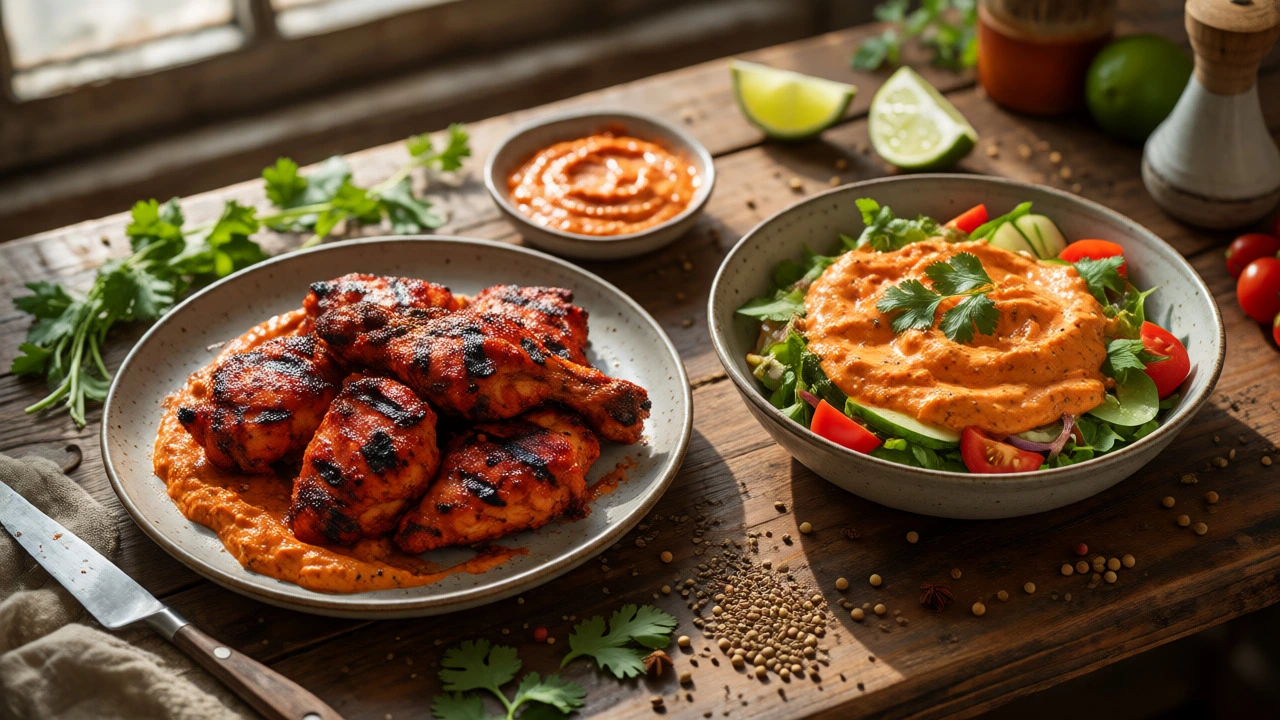
There is no single "better" option. It depends entirely on what you are cooking. If you love hosting parties and serving fried appetizers, keep a jar of tandoori mayonnaise in your door rack. It’s versatile, dips well, and doubles as a salad dressing base. If you spend more time grilling meats or making sandwiches where structural integrity matters, invest in a quality tandoori spread. It performs better under heat and provides a more substantial flavor experience.
For the ultimate kitchen setup? Keep both. They serve different roles in the culinary ecosystem. Think of them not as competitors, but as teammates in your Indian fusion arsenal.
Can I substitute tandoori spread for mayonnaise in recipes?
You can, but expect a change in texture. The spread will make dishes thicker and potentially drier if not balanced with additional liquid. It works best in cooked dishes like curries or marinades, but not in cold dressings where a smooth flow is required.
Is tandoori mayonnaise spicy?
It varies by brand, but generally, it has a mild to moderate heat level. The tandoori masala provides warmth rather than intense chili burn. Most commercial versions are balanced to appeal to a wide audience, so they are rarely extremely spicy unless labeled as "hot" or "extra spicy."
How do I fix separated homemade tandoori mayonnaise?
If your homemade mayo splits, start with a new egg yolk in a clean bowl. Slowly whisk the broken mixture into the new yolk drop by drop, just as you would with the original oil. The fresh lecithin will help re-emulsify the mixture.
Does tandoori spread contain gluten?
Most basic tandoori spreads are naturally gluten-free, relying on dairy and spices. However, always check the label for additives like modified food starch or soy sauce derivatives, which can sometimes introduce gluten. Pure spice blends and dairy bases are safe.
Which lasts longer after opening?
Commercial tandoori mayonnaise typically lasts longer due to higher acidity and preservatives. Dairy-based tandoori spreads spoil faster, usually within 3-4 weeks after opening, compared to 6-8 weeks for mayo.