Indian Sweet Personality Matcher
Your Perfect Match Is:
Pro Tip:
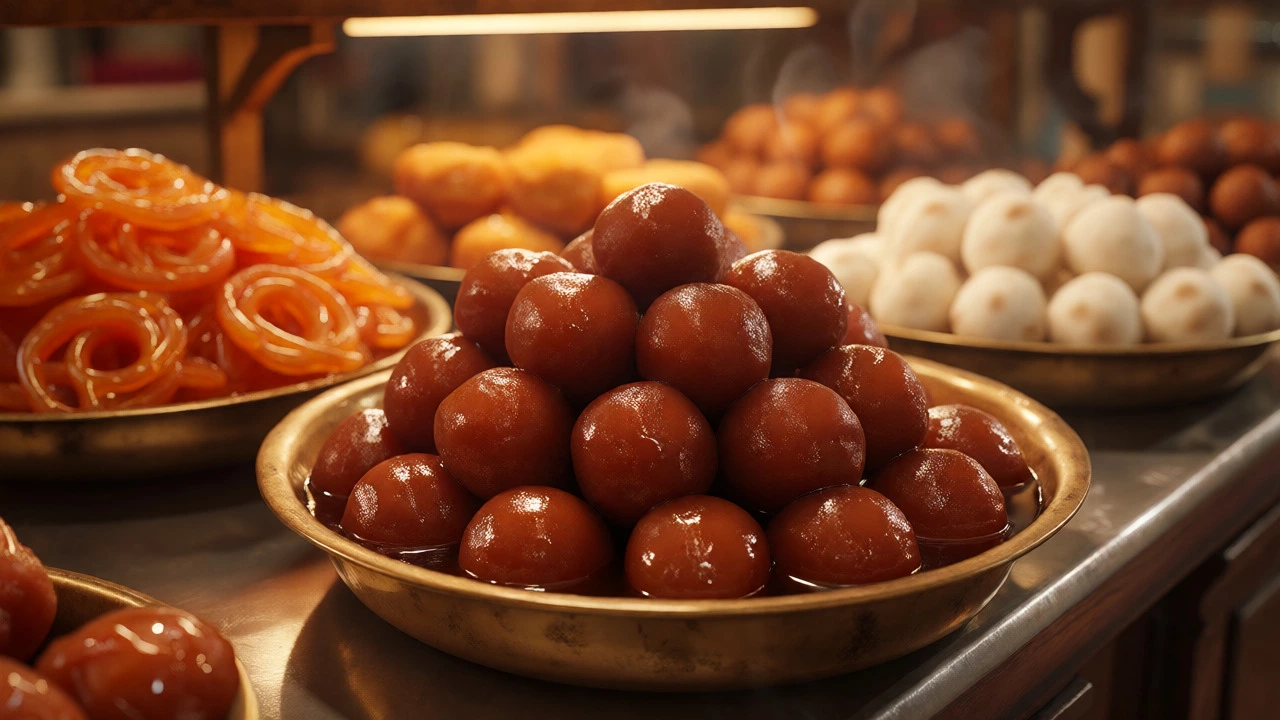
You ask what the single most famous food in India is, and you’re essentially asking a person from Mumbai to choose between their heart and their liver. It’s impossible. But if we look at sales data, cultural ubiquity, and the sheer number of times this specific item appears on plates across the subcontinent, one contender consistently rises above the rest: Gulab Jamun is a deep-fried milk-solid dumpling soaked in rose-scented sugar syrup. While Biryani often wins the savory crown, Gulab Jamun holds the throne for sweets. It is the universal dessert of celebration, the sweet ending to every wedding feast, and the comfort food that transcends regional borders.
But here is the twist: calling it "number one" ignores the massive rivalry with Rasgulla, which is a spongy cheese ball boiled in light sugar syrup. The debate between these two isn't just about taste; it’s a clash of textures, histories, and regional pride. To understand why Gulab Jamun takes the top spot in many metrics, we need to break down what makes it tick, how it differs from its competitors, and why your kitchen might be missing out if you haven’t mastered it yet.
Why Gulab Jamun Takes the Crown
Why does this brown, spherical treat dominate the landscape? It comes down to accessibility and emotional connection. Unlike complex layered pastries or labor-intensive confections, Gulab Jamun relies on a simple base: Mawa (also known as Khoya), which is dried evaporated milk solids used as the primary ingredient in many Indian desserts. When you mix Mawa with flour and baking soda, fry it, and soak it, you get a result that feels luxurious but requires minimal technical skill compared to French patisserie.
The flavor profile hits all the right notes for the Indian palate. It is intensely sweet, fragrant with cardamom and rose water, and has a soft, melt-in-the-mouth texture. This combination triggers nostalgia. For millions of people, the smell of frying dough and hot syrup signals festivals like Diwali, Eid, or family gatherings. That emotional weight pushes it ahead of trendier foods. You can find Gulab Jamun in high-end restaurants in London, street stalls in Delhi, and temple offerings in Varanasi. Its consistency across contexts is unmatched.
The Great Debate: Gulab Jamun vs. Rasgulla
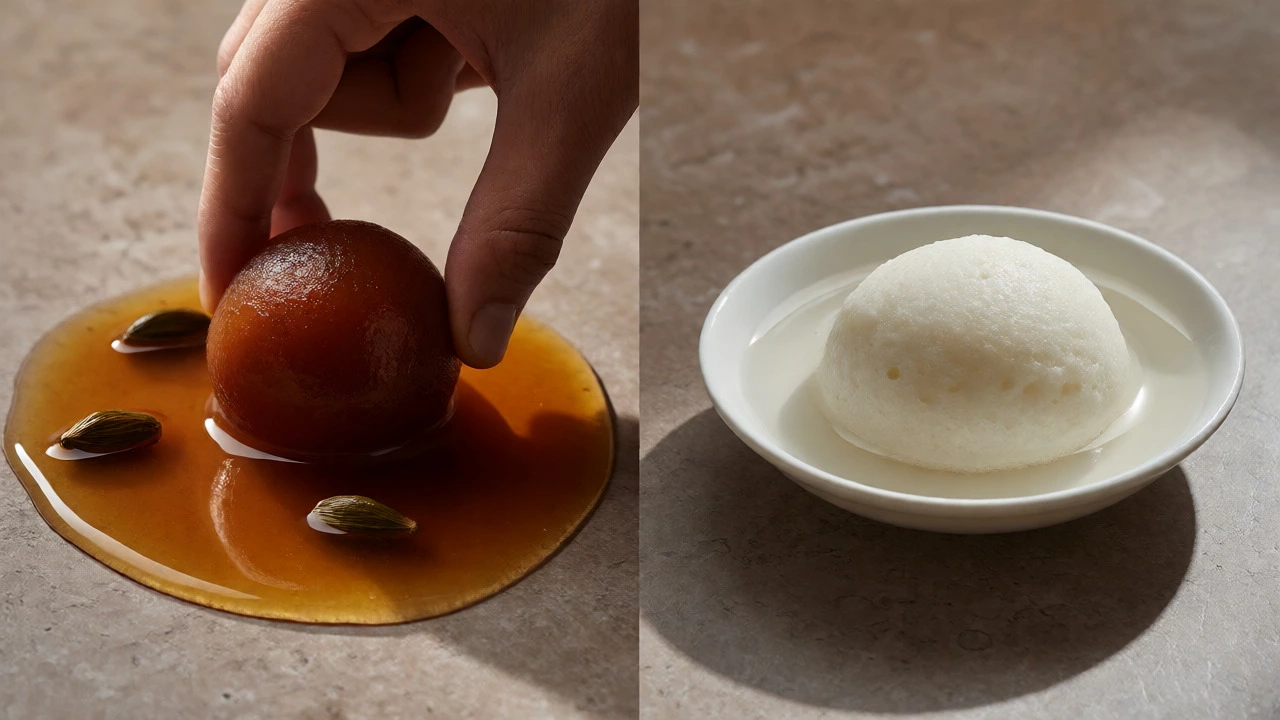
If you mention "famous Indian sweet," half the country will shout "Rasgulla!" Originating from Odisha and popularized globally by Kolkata, Rasgulla offers a completely different experience. Where Gulab Jamun is dense and rich, Rasgulla is airy and light. Let’s compare them directly so you can decide which deserves a place in your pantry.
| Feature | Gulab Jamun | Rasgulla |
|---|---|---|
| Primary Ingredient | Mawa (Dried Milk Solids) | Chhana (Fresh Cottage Cheese) |
| Cooking Method | Deep Frying | Boiling in Syrup |
| Texture | Dense, Soft, Moist | Spongy, Airy, Bouncy |
| Syrup Type | Thick, Rose/Cardamom Infused | Thin, Light Sugar Water |
| Regional Origin | North India / Pan-India | Odisha / West Bengal |
The choice often depends on what else you are eating. If you have a heavy meal like Butter Chicken or Dal Makhani, the richness of Gulab Jamun might feel overwhelming. In those cases, the lightness of Rasgulla cuts through the grease better. However, for standalone snacking or festive gifting, Gulab Jamun’s shelf life and robust structure make it more practical. It doesn’t collapse if left out for an hour, whereas Rasgulla can lose its shape if the syrup balance is off.
Other Contenders for the Title
While Gulab Jamun leads, it shares the spotlight with other heavy hitters. You cannot discuss famous Indian food without mentioning Jalebi, which is a spiral-shaped fried batter dipped in sugar syrup. Jalebi is arguably more visually iconic. Those bright orange coils are unmistakable. It is crispy on the outside and juicy on the inside. People love Jalebi for breakfast paired with hot milk, a tradition especially strong in North India during winter. If Gulab Jamun is the king of dinners, Jalebi is the emperor of mornings.
Then there is Ladoo, a broad category of round sweet balls made from various flours, nuts, or lentils. Besan Ladoo (gram flour) and Motichoor Ladoo (tiny fried gram flour pearls) are staples at religious ceremonies. They are dry, crumbly, and less messy than syrup-soaked treats. For people who dislike wet desserts, Ladoo is the go-to. But because "Ladoo" covers so many variations, it lacks the singular brand identity of Gulab Jamun.
We also have to acknowledge the southern influence. Mysore Pak is a porous sweet made from ghee, sugar, and gram flour. It melts instantly on the tongue and has a distinct nutty aroma. While beloved in Karnataka and beyond, it hasn’t achieved the same nationwide penetration as the northern dairy-based sweets. This geographic divide highlights why "number one" is tricky-India’s culinary map is fragmented.
How to Make Authentic Gulab Jamun at Home
Most store-bought versions are disappointing. They are often hard as rocks or too oily. Making them fresh changes everything. Here is the no-nonsense method to get that perfect soft texture.
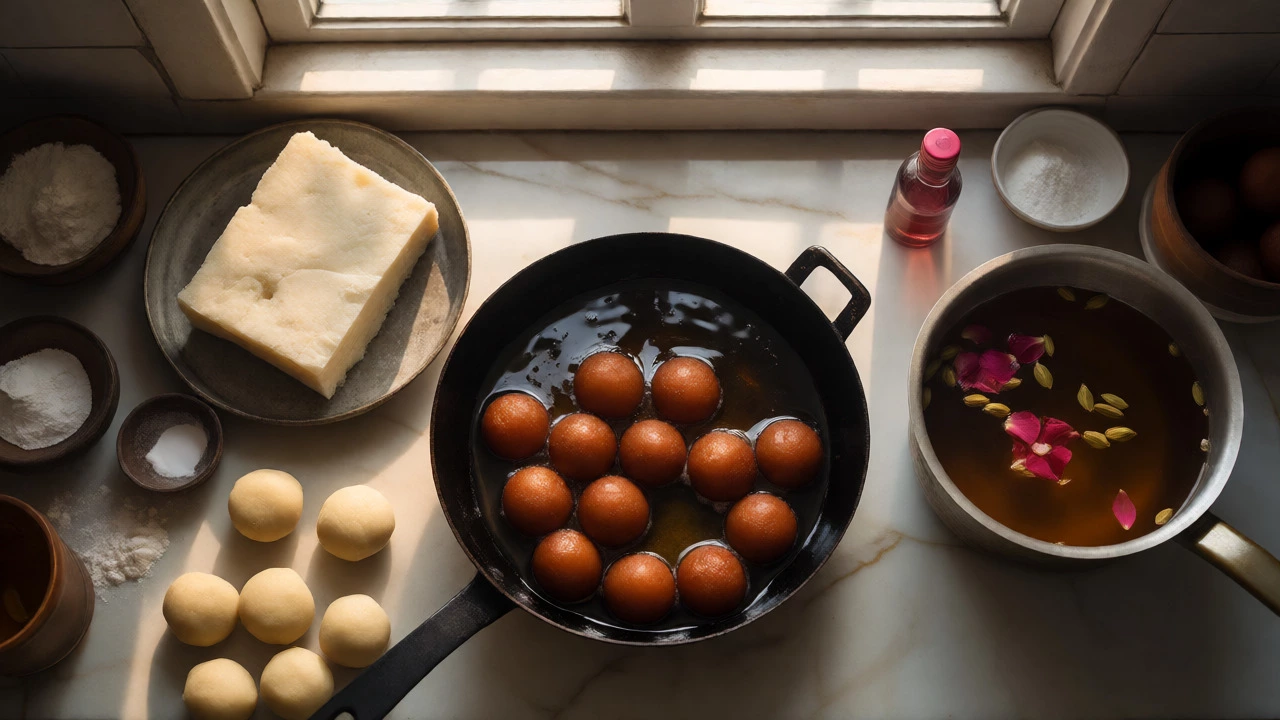
- Prepare the Dough: Take 1 cup of fresh Khoya (Mawa). Knead it well until it becomes smooth and pliable. Add 2 tablespoons of all-purpose flour and a pinch of baking soda. Do not over-knead, or the jamuns will become tough.
- Shape the Balls: Roll small portions into smooth balls. Check for cracks. If there are cracks, press them gently with your thumb. Cracks cause oil absorption and hardness.
- Fry Low and Slow: Heat ghee or oil on low heat. Drop the balls in. Fry them slowly, turning constantly, until they turn a uniform dark brown. High heat burns the outside while leaving the inside raw.
- Make the Syrup: Boil 1 cup of sugar with 1 cup of water. Once dissolved, add cardamom powder and a teaspoon of rose water. Keep it warm.
- Soak Immediately: Transfer hot jamuns directly into warm syrup. Let them sit for at least 4 hours. The longer they soak, the softer they get.
A common mistake is using cold syrup for hot jamuns. This shocks the dough and prevents proper absorption. Always keep both components warm. Another tip: if your Khoya is old, add a tablespoon of milk to the dough to restore moisture.
Where to Find the Best Versions
If you are in Bristol or elsewhere in the UK, finding good Indian sweets can be hit-or-miss. Look for shops that display their sweets openly rather than sealed in plastic containers. Freshness is key. In India, regions specialize. Kolkata is famous for its Rasgullas, particularly from established brands like Balaram Mullick & Radharaman Mullick. These are GI-tagged, meaning their origin and method are legally protected. Similarly, Jaipur is renowned for its Ghevar, and Hyderabad for Qubani Ka Meetha.
When buying Gulab Jamun, check the color. It should be a deep mahogany, not pale yellow. Pale jamuns usually indicate undercooking or poor quality Mawa. Also, squeeze one lightly. It should yield slightly under pressure. If it feels rock-hard, walk away. The best vendors rotate their stock frequently, ensuring the jamuns aren’t sitting in syrup for days.
The Cultural Impact of Sweetness
In India, offering sweets is synonymous with sharing joy. You don’t just eat them; you exchange them. Births, promotions, exams, and new homes are all marked by boxes of mithai (sweets). This social function elevates Gulab Jamun beyond mere food. It becomes a token of goodwill. Because it is universally liked, it is the safest gift. You rarely hear someone say they hate Gulab Jamun. Dislikes are rare; preferences lean towards homemade versus shop-bought.
This universality explains its ranking. Other foods might be more complex or gourmet, but few command such widespread acceptance. From the roadside stall serving ₹10 pieces to the five-star hotel charging ₹500, the core product remains recognizable. That consistency builds trust. When you order Gulab Jamun anywhere in the world, you know exactly what you are getting. That reliability cements its status as the number one famous Indian sweet.
Is Gulab Jamun healthier than chocolate?
Not really. Both are high in sugar and fat. Gulab Jamun uses ghee and milk solids, providing some protein and calcium, but the sugar syrup content is very high. Chocolate, depending on the type, may offer antioxidants. Moderation is key for both.
Why do my homemade Gulab Jamuns crack?
Cracking usually happens due to dry dough or high frying temperature. Ensure your Mawa is moist enough to hold together without crumbling. If it’s dry, add a little milk. Also, fry on low heat to allow even cooking without rapid expansion that breaks the surface.
Can I make Gulab Jamun vegan?
Yes, but it tastes different. Traditional recipes rely on dairy Mawa. Vegan versions use condensed coconut milk or soy-based khoya substitutes. The texture tends to be slightly grainier, and the flavor lacks the creamy depth of dairy, but it is a viable alternative for lactose-intolerant individuals.
How long do Gulab Jamuns last?
Stored in their syrup in the refrigerator, they last up to a week. At room temperature, they are best consumed within 24-48 hours, especially in warmer climates. Freezing them without syrup extends their life to several months, though texture may soften upon thawing.
What is the difference between Rasgulla and Rasmalai?
Both start with Chhana (cheese) balls. Rasgulla is served in clear sugar syrup. Rasmalai involves flattening the cheese balls and soaking them in thickened, flavored milk (Malai). Rasmalai is richer and creamier, while Rasgulla is lighter and juicier.