Dal Digestibility Calculator
Select the steps you followed when preparing your lentils to see how gas-friendly your meal is.
Digestibility Score
Start Selecting Steps
Check the boxes on the left to calculate your gas-free potential.
You cook a pot of creamy, comforting dal, but instead of feeling nourished, you end up feeling bloated, gassy, and uncomfortable. It’s a frustrating experience that happens to even the most experienced home cooks. Lentils are packed with protein and fiber, which is great for your health, but they also contain complex carbohydrates called oligosaccharides that our bodies struggle to break down completely. When these reach the large intestine, bacteria ferment them, producing gas as a byproduct.
The good news? You don’t have to give up your favorite legumes. With a few simple adjustments in how you prep, soak, and season your lentils, you can significantly reduce-or even eliminate-that uncomfortable bloat. I’ve tested these methods extensively in my kitchen here in Bristol, adapting traditional Indian techniques to ensure every bowl of dal is light on the stomach and heavy on flavor.
Why Do Lentils Cause Gas?
To fix the problem, it helps to understand what’s happening inside your body. Lentils belong to a family of foods known as FODMAPs (Fermentable Oligosaccharides, Disaccharides, Monosaccharides, and Polyols). Specifically, they are high in raffinose and stachyose. Humans lack the enzyme alpha-galactosidase needed to digest these sugars in the small intestine. So, they pass undigested into the colon, where gut bacteria feast on them, releasing hydrogen, methane, and carbon dioxide.
This isn’t just about “bad digestion.” It’s a chemical reaction. The type of lentil matters too. Whole red lentils (masoor dal) tend to be easier to digest than whole green or brown varieties because their skins are removed during processing, reducing the fiber content that traps gas-producing compounds. However, even red lentils can cause issues if not prepared correctly.
The Power of Soaking: Your First Line of Defense
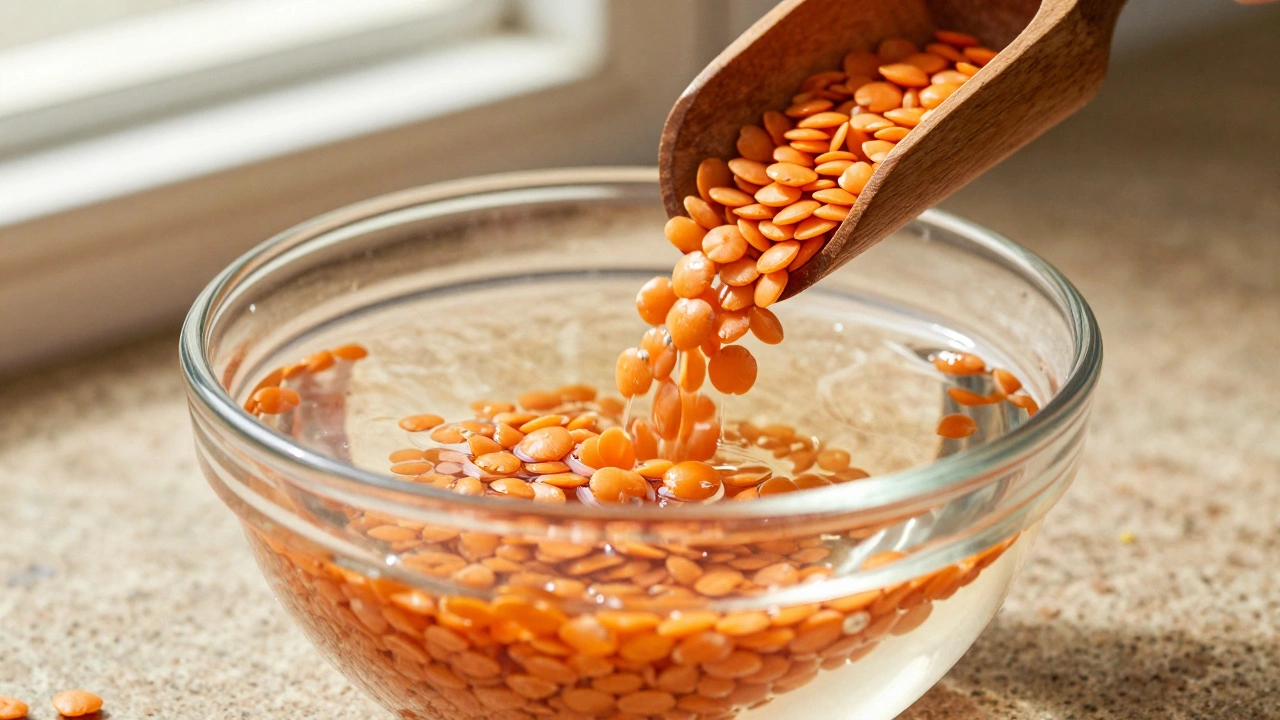
If you only do one thing to make your dal more digestible, let it be this: soak your lentils. Soaking isn’t just about reducing cooking time; it’s a crucial step for breaking down those hard-to-digest sugars.
- Soak for at least 4-6 hours: Place your dry lentils in a large bowl and cover them with plenty of water. For overnight soaking, use an even larger container since lentils expand significantly.
- Discard the soaking water: This is non-negotiable. The water now contains leached-out oligosaccharides and phytic acids. Pour it out and rinse the lentils thoroughly under fresh running water.
- Use fresh water for cooking: Always start with clean, fresh water when boiling your soaked lentils.
For quicker results, try the “quick soak” method. Bring lentils and water to a boil for 5 minutes, then turn off the heat, cover, and let them sit for an hour. Drain and rinse. While not as effective as long soaking, it still removes a significant amount of gas-causing compounds.
Spices That Aid Digestion
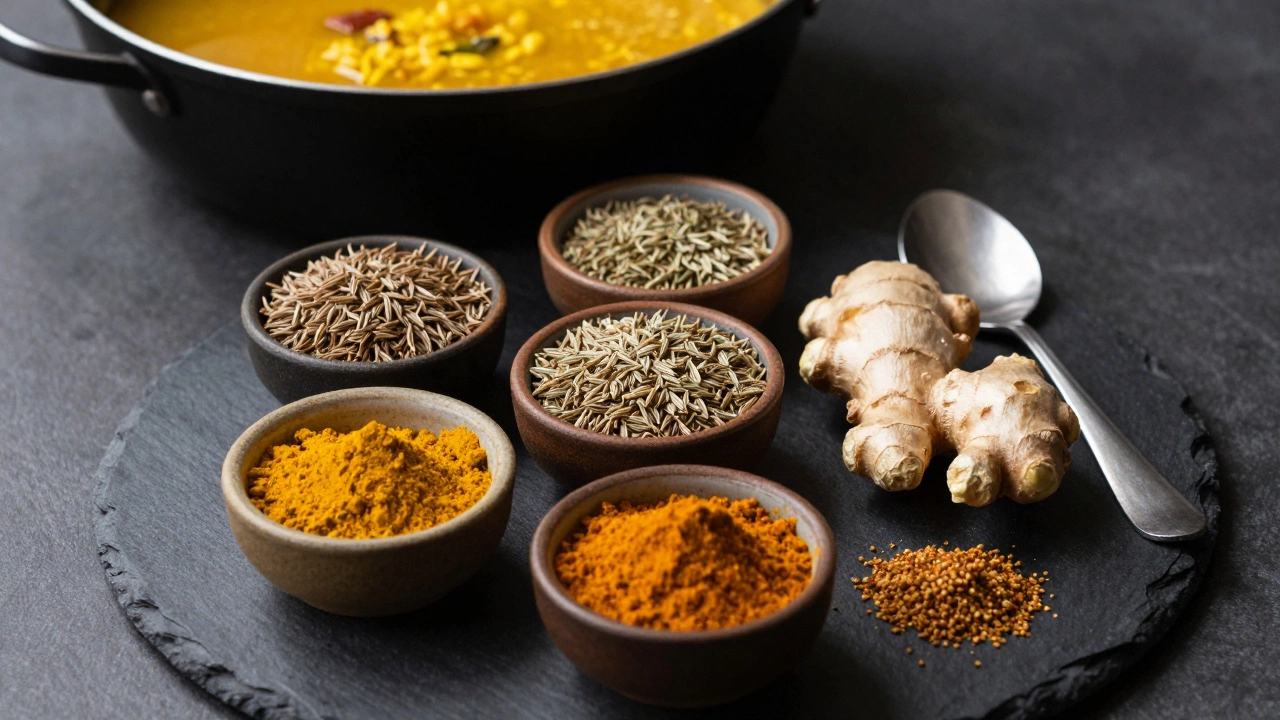
In Indian cuisine, spices aren’t just for flavor-they’re functional ingredients designed to aid digestion. Adding specific spices to your dal creates a synergistic effect that calms the gut and reduces fermentation.
- Cumin seeds (jeera): Cumin stimulates bile production, which helps break down fats and proteins. It has carminative properties, meaning it prevents gas formation and relieves cramping.
- Fennel seeds (saunf): A classic post-meal remedy in India, fennel relaxes the digestive tract muscles and reduces spasms. Add a teaspoon of crushed fennel seeds while tempering.
- Ginger: Fresh ginger accelerates gastric emptying, moving food through the stomach faster so it doesn’t sit and ferment. Grate half an inch of fresh ginger into your dal tadka.
- Asafoetida (hing): This is the secret weapon against gas. Hing contains sulfur compounds that inhibit gas-producing bacteria. Just a pinch (yes, a pinch-it’s potent) added to hot oil before sautéing onions can make a world of difference.
- Turmeric: Known for its anti-inflammatory properties, turmeric soothes the intestinal lining and improves overall gut health.
Avoid overloading your dal with heavy cream or excessive butter if you’re sensitive to dairy, as lactose can compound gas issues. Stick to light oils like mustard or coconut oil for tempering.
Cooking Methods That Reduce Bloating
How you cook your lentils matters almost as much as how you prep them. Pressure cooking is efficient, but it can sometimes trap gases if not vented properly. Here’s how to optimize your cooking process:
| Method | Gas Reduction Effectiveness | Best For |
|---|---|---|
| Pressure Cooker | High (if drained once) | Busy weeknights, whole lentils |
| Stovetop Boiling | Moderate to High | Red lentils, controlling texture |
| Instant Pot / Electric Pressure Cooker | High | Set-and-forget convenience |
The Double-Boil Technique: If you’re particularly sensitive, try boiling your soaked lentils in water, draining that water completely, and then re-boiling them in fresh water until tender. This second boil washes away remaining indigestible sugars. It takes longer, but the result is incredibly gentle on the stomach.
Don’t Overcook: Mushy lentils can be harder to digest than slightly firm ones. Aim for a creamy but distinct texture. Overcooking breaks down the structure too much, potentially increasing the rate of fermentation in the gut.
A Simple, Digestible Dal Recipe
Here’s a tried-and-tested recipe for a light, easy-to-digest Masoor Dal that incorporates all the tips above. This is my go-to meal when I want comfort without the consequences.
- Ingredients:
-
- 1 cup red lentils (masoor dal), rinsed well
- 3 cups water
- 1/2 tsp turmeric powder
- 1/2 tsp salt
- 1 tbsp ghee or oil
- 1/2 tsp cumin seeds
- 1/4 tsp asafoetida (hing)
- 1 small onion, finely chopped
- 1 tomato, grated
- 1 inch ginger, grated
- 1 green chili, slit (optional)
- Fresh cilantro for garnish
- Prep: Rinse the red lentils until the water runs clear. No need to soak red lentils for long, but a 30-minute soak helps.
- Boil: In a pot, combine lentils, water, turmeric, and salt. Bring to a boil, then simmer covered for 15-20 minutes until soft and mushy. Mash lightly with a spoon.
- Temper: In a small pan, heat ghee. Add cumin seeds and let them splutter. Add asafoetida immediately (it burns easily).
- Sauté: Add onions and cook until translucent. Add ginger, green chili, and grated tomato. Cook until the raw smell disappears and the mixture turns oily.
- Combine: Pour the tempering into the boiled dal. Stir well. Simmer for 5 more minutes.
- Serve: Garnish with fresh cilantro. Serve warm with rice or rotis.

Dietary Adjustments for Sensitive Stomachs
If you’re new to eating lentils or have Irritable Bowel Syndrome (IBS), introduce them slowly. Start with small portions-maybe 2-3 tablespoons per day-and gradually increase as your gut bacteria adapt. Pairing lentils with fermented foods like yogurt or kimchi can also help balance gut flora and improve digestion over time.
Avoid combining heavy amounts of lentils with other high-FODMAP foods like garlic, onions (in large quantities), or certain fruits in the same meal if you know you’re sensitive. Instead, focus on single-legume meals with easily digestible sides like steamed vegetables or white rice.
Common Mistakes to Avoid
Even with the best intentions, some habits can undo your efforts to make dal gas-free. Don’t skip the rinsing step-dust and debris on lentils can irritate the gut. Don’t reuse the soaking water; it’s full of the very compounds causing your discomfort. And avoid adding too much spice early in the cooking process; add delicate herbs and aromatics at the end to preserve their digestive enzymes.
Also, be mindful of portion sizes. Even perfectly prepared lentils can cause bloating if eaten in excess. Listen to your body. If a particular type of lentil consistently causes issues, switch to a different variety. Yellow split peas (chana dal) or mung beans (moong dal) are often gentler alternatives.
Which lentil is least likely to cause gas?
Mung beans (moong dal) are generally considered the easiest lentil to digest. They are lighter, smaller, and have thinner skins compared to chickpeas or kidney beans. Red lentils (masoor dal) are also a good option because their skins are removed during processing, making them less fibrous and easier for the gut to handle.
Does soaking lentils overnight really help reduce gas?
Yes, absolutely. Soaking activates enzymes that begin breaking down complex carbohydrates and phytic acids. More importantly, it leaches out the oligosaccharides responsible for gas into the water. As long as you discard the soaking water and rinse the lentils thoroughly, overnight soaking is one of the most effective ways to prepare lentils for sensitive stomachs.
What is asafoetida (hing) and why does it help with gas?
Asafoetida, or hing, is a resinous gum extracted from the roots of ferula plants. It has strong carminative properties, meaning it prevents the formation of gas in the intestinal tract and helps expel existing gas. It also has antispasmodic effects that relax the gut muscles. A tiny pinch added to hot oil during tempering is enough to neutralize gas-producing potential in lentils.
Can I eat lentils every day if I have a sensitive stomach?
You can, but moderation is key. Start with small servings and see how your body reacts. Incorporating digestive spices like cumin, fennel, and ginger daily will help your system adapt. If you notice persistent bloating, consider rotating lentils with other protein sources like tofu, eggs, or chicken to give your gut a break.
Should I pressure cook lentils to make them more digestible?
Pressure cooking makes lentils softer and easier to chew, which aids mechanical digestion. However, it doesn’t remove the gas-causing sugars. To maximize digestibility, soak and rinse your lentils first, then pressure cook them. Some people find that stovetop simmering allows for better control over texture and prevents over-mashing, which can sometimes lead to faster fermentation in the gut.