Paneer Substitute Finder
Select the dish type and preference above, then click the recommended cheese below to see how to prepare it.
Pro Tip:
You’re halfway through making a rich, creamy palak paneer or a spicy chana masala when you realize your fridge is empty of paneer, the fresh Indian cottage cheese that defines these dishes. Panic sets in. You can’t just grab any block of cheddar or gouda from the dairy aisle; those aged cheeses will melt into a greasy mess and overpower the delicate spices. So, what is the closest cheese to Indian paneer? The answer depends entirely on whether you care more about texture, flavor, or the ability to hold its shape in hot gravy.
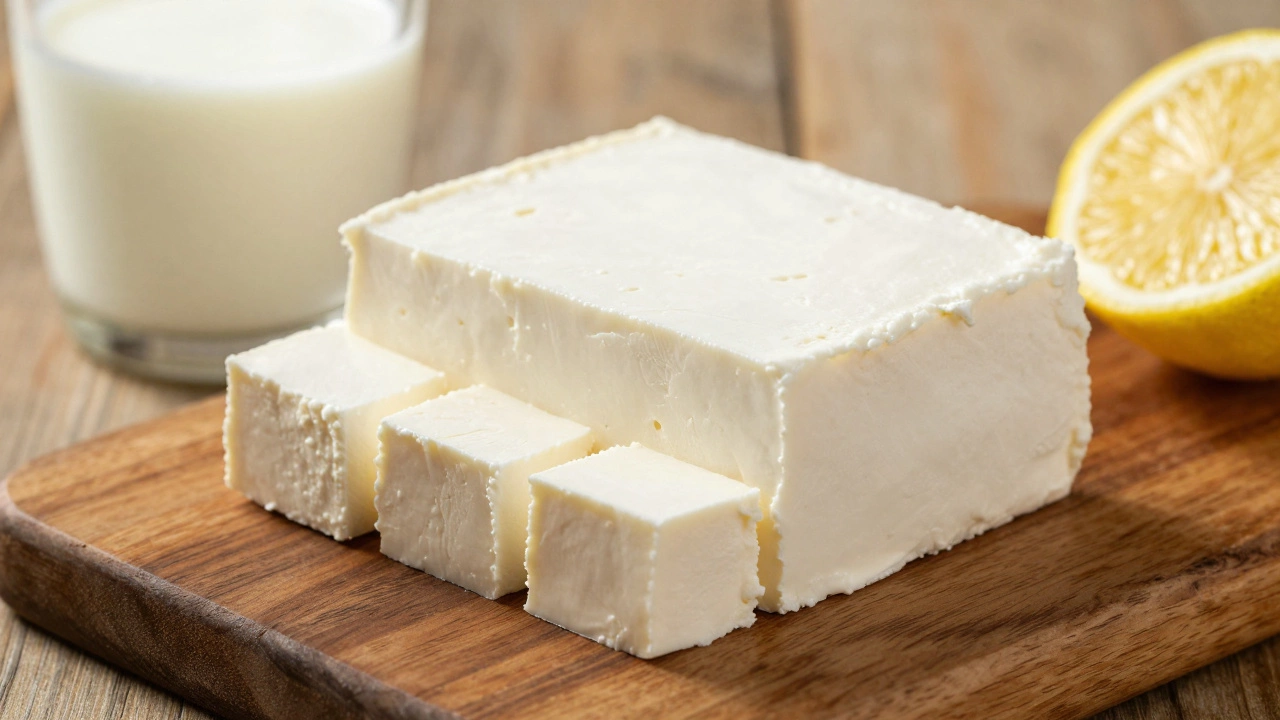
Paneer is unique because it is an unripened, non-melting cheese made by curdling milk with an acid like lemon juice or vinegar. It has a mild, milky taste and a soft yet firm texture that absorbs marinades beautifully without dissolving. Finding a true replacement is tricky because most Western cheeses are designed to melt. However, there are several excellent stand-ins depending on what dish you are preparing.
The Gold Standard: Fresh Mozzarella (Low-Moisture)
If you need a substitute that behaves similarly in cooked dishes, low-moisture fresh mozzarella is often the best bet. Unlike the wet balls found in pizza kits, look for blocks of mozzarella labeled as "low moisture" or "part-skim." This variety has less water content, meaning it won’t release excessive liquid into your curry.
While mozzarella does have a slight tendency to soften when heated, it holds its cubic shape far better than cheddar or Swiss. In a dish like palak paneer (spinach with cheese), cubes of low-moisture mozzarella will absorb some of the spinach puree’s color and spice, mimicking the experience of eating paneer. The flavor profile is also close-both are mild, slightly sweet, and milky. Just be gentle when stirring; treat the mozzarella cubes like fragile eggs rather than sturdy bricks.
| Cheese/Substitute | Melt Factor | Flavor Profile | Best Used For |
|---|---|---|---|
| Paneer (Original) | None | Mild, Milky | All Indian curries, grilling |
| Low-Moisture Mozzarella | Softens slightly | Mild, Sweet | Palak Paneer, Tikka Masala |
| Firm Tofu | None | Neutral | Stir-frys, Korma, Grilling |
| Halloumi | Softens but holds shape | Salty, Tangy | Grilling, Frying, Salads |
| Queso Fresco | Crumbles easily | Lightly Tangy | Tacos, Salads, Cold Dishes |
The Non-Dairy Champion: Firm Tofu
For many home cooks, especially those avoiding dairy, firm tofu is the ultimate paneer alternative. Structurally, they are nearly identical. Both are pressed solids with a porous interior that acts like a sponge for sauces. If you press a block of extra-firm tofu for 20 minutes to remove excess water, then cut it into cubes, it will behave almost exactly like paneer in a hot curry.
The main difference lies in flavor. Paneer has a distinct dairy richness, while tofu is neutral. To bridge this gap, marinate your tofu cubes in a mixture of yogurt, turmeric, and ginger-garlic paste before adding them to the pan. This technique, common in Indian cooking, infuses the tofu with the necessary depth of flavor. In dishes like chana masala or vegetable korma, most diners cannot tell the difference between tofu and paneer once the spices kick in.
When You Want to Grill: Halloumi
If your recipe calls for grilled or fried paneer, such as in a tandoori platter or a salad topping, halloumi is a fantastic option. This Cypriot cheese is famous for its high melting point. You can slice it, sear it in a pan until golden brown, and it will remain firm enough to pick up with a fork.
However, halloumi comes with a caveat: it is significantly saltier than paneer. Paneer is virtually salt-free until you season it during cooking. Halloumi is brined, so you must reduce the salt in your overall recipe to avoid over-salting the dish. Use halloumi when you want a chewy, satisfying bite that stands up to bold spices, but skip it if you are making a delicate, creamy sauce where the cheese should blend in seamlessly.
For Cold Dishes: Queso Fresco or Ricotta
Not all paneer recipes involve heat. In salads or as a crumbled topping, you need a cheese that is soft and crumbly. Here, Mexican queso fresco or Italian ricotta salata work wonders. Queso fresco has a light tanginess that complements fresh tomatoes and onions, similar to how paneer balances spicy chutneys. Ricotta salata, being a pressed and dried version of ricotta, offers a firmer texture that doesn’t disintegrate immediately upon contact with dressing.
Avoid using standard ricotta for hot curries unless you are aiming for a very different texture. Regular ricotta is too moist and grainy; it will break down into a mushy consistency rather than holding together as distinct cubes. If you must use ricotta, mix it with a little cornstarch or egg white to bind it, though pressing it into a loaf first yields better results.
The Ultimate Solution: Making Homemade Paneer
Let’s be honest: no store-bought cheese perfectly replicates the magic of authentic paneer. The good news? Making it at home is easier than most people think, and it takes less time than boiling pasta. Since you asked about the closest substitute, the real answer might be to make the real thing. With just two ingredients-full-fat milk and an acid-you can produce fresh, tender paneer in under 30 minutes.
- Boil the Milk: Pour one liter of full-fat milk into a heavy-bottomed pot. Heat it on medium-high until it reaches a rolling boil. Full fat is crucial; skim milk will not yield enough curds.
- Add the Acid: Reduce the heat to low. Slowly stir in three tablespoons of lemon juice or white vinegar. Watch closely. Within seconds, you’ll see the milk separate into white curds and watery whey. Stop adding acid once the separation is clear.
- Strain the Curds: Line a colander with cheesecloth or a clean cotton kitchen towel. Pour the hot mixture into the cloth. Rinse the curds briefly with cold water to stop the cooking process and remove any sour aftertaste.
- Press the Cheese: Gather the corners of the cloth and tie them into a bundle. Place the bundle on a plate and put a heavy object (like a cast-iron skillet or a bag of rice) on top. Let it sit for 20-30 minutes for soft paneer, or up to an hour for firmer cubes that hold their shape better in curries.
- Cut and Cook: Unwrap the cheese, cut it into cubes, and add it to your dish. Because it’s fresh, it will be incredibly tender and flavorful.
This method ensures you always have a supply of the perfect ingredient on hand. Plus, leftover whey can be used to hydrate plants or even baked into bread for added nutrition.
Common Mistakes to Avoid When Substituting
When swapping paneer for another cheese, keep these pitfalls in mind to save your dinner from disaster:
- Don’t use aged cheeses: Cheddar, Gouda, Parmesan, and Swiss are too strong and too melty. They will dominate the flavor profile and turn your curry into a stringy, oily mess.
- Watch the sodium: As mentioned with halloumi, many substitutes are saltier than paneer. Taste your sauce before adding extra salt if you’re using pre-brined cheeses.
- Adjust cooking time: Tofu and mozzarella may require gentler handling than paneer. Add them towards the end of the cooking process to prevent them from breaking apart or becoming rubbery.
- Marinate neutrals: If using tofu or plain mozzarella, don’t skip the marinade step. A quick soak in spiced yogurt or oil helps mimic the richness of dairy paneer.
Which Substitute Should You Choose?
Your choice ultimately depends on the specific dish you are making. For palak paneer or shahi paneer, go with low-moisture mozzarella or homemade paneer. For grilled appetizers or salads, halloumi or queso fresco shines. For vegan-friendly meals or budget-conscious cooking, firm tofu is unbeatable.
Experimentation is key. Keep a note of which substitute worked best for each recipe, and soon you’ll have a mental map of swaps that keep your Indian cooking authentic, even when your pantry is limited. And remember, nothing beats the satisfaction of pulling a fresh, warm block of homemade paneer from the stove-it’s a skill worth mastering.
Can I use regular mozzarella instead of low-moisture mozzarella for paneer substitution?
Regular mozzarella contains much more water, which means it will release significant liquid into your curry, diluting the flavors and potentially making the sauce watery. It also tends to become overly soft and slimy when heated. Low-moisture mozzarella holds its shape better and behaves more like paneer. If you only have regular mozzarella, try squeezing out excess moisture with paper towels before cutting it into cubes, but expect a softer result.
Is tofu a good substitute for paneer in terms of nutrition?
Yes, tofu is an excellent nutritional alternative. While paneer is high in calcium and protein, tofu offers a complete plant-based protein source with all essential amino acids. Tofu is generally lower in saturated fat and calories compared to paneer, making it a heart-healthier option. However, paneer provides more calcium per serving, so consider supplementing with other calcium-rich foods if you switch exclusively to tofu.
Why does my homemade paneer turn out rubbery?
Rubbery paneer usually results from over-acidifying the milk or pressing it for too long. Adding too much lemon juice or vinegar makes the proteins tighten excessively. Also, if you press the curds for more than an hour or use extremely heavy weights, the texture becomes dense and chewy. For tender paneer, use just enough acid to curdle the milk and press lightly for 20-30 minutes.
Can I freeze homemade paneer?
Freezing changes the texture of paneer significantly. When thawed, it becomes crumbly and dry, losing its smooth, elastic quality. It is not suitable for dishes where you want distinct, soft cubes like palak paneer. However, frozen-thawed paneer works well in heavily spiced, thick gravies where the texture is less noticeable, or in dishes like paneer bhurji where the cheese is scrambled.
What is the best way to marinate tofu to mimic paneer flavor?
To mimic the richness of paneer, marinate firm tofu in a mixture of plain yogurt, a pinch of turmeric, ginger-garlic paste, and a dash of garam masala for at least 30 minutes. Yogurt adds creaminess and a slight tang that resembles dairy. For a deeper flavor, you can also brush the tofu with a little ghee before grilling or frying it, which adds the characteristic buttery notes often associated with Indian cooking.