Gulab Jamun: The Sweetest Indian Dessert Made with Milk and Magic
When you think of Indian sweets, one name rises above the rest: Gulab jamun, a deep-fried dough ball soaked in fragrant sugar syrup, made primarily from khoya (reduced milk). Also known as gulab jamun, it’s not just a dessert—it’s a cultural moment. Every bite carries the warmth of festivals, weddings, and family gatherings, where milk is turned into something almost magical. The secret? It’s not sugar. It’s milk. Specifically, khoya—the thick, creamy solid left after slowly simmering milk for hours. This isn’t just a technique; it’s the soul of the dish. Without khoya, you don’t get that melt-in-your-mouth texture. You just get a fried ball.
What makes gulab jamun work isn’t just the dough or the syrup—it’s the balance. The dough needs just enough flour or milk powder to hold shape, but not so much that it turns rubbery. The syrup? It’s not plain sugar water. It’s infused with cardamom, rose water, or saffron, and cooled just right so the balls soak it up without turning soggy. And here’s the thing: you can’t rush it. Letting the fried balls sit in syrup for hours isn’t optional—it’s the rule. Skip this, and you miss the whole point.
Related to this are other milk-based Indian sweets like khoya, the concentrated milk base used in many desserts, and rasgulla, a spongy cheese ball soaked in light syrup. Both rely on milk solids, just like gulab jamun. But gulab jamun stands out because it’s fried, not boiled. That crisp outer layer, giving way to a soft, syrupy center—that’s the magic. It’s why people travel across India just to taste the best version in a small town. And yes, you can make it at home. No fancy equipment. Just milk, a pan, and patience.
Most recipes today use milk powder instead of homemade khoya. It’s faster, sure. But if you’ve ever had gulab jamun made with real khoya, you’ll know the difference. The real stuff has depth. It’s richer. It lingers. That’s why traditional cooks still simmer milk for hours, even when it’s inconvenient. They know it’s not just about taste—it’s about respect for the ingredient.
Below, you’ll find real recipes, fixes for common mistakes, and tips from people who’ve made hundreds of batches. Whether you’re trying to nail the syrup consistency, fix dry gulab jamun, or understand why yours sink in the oil, you’ll find answers here. No fluff. Just what works.
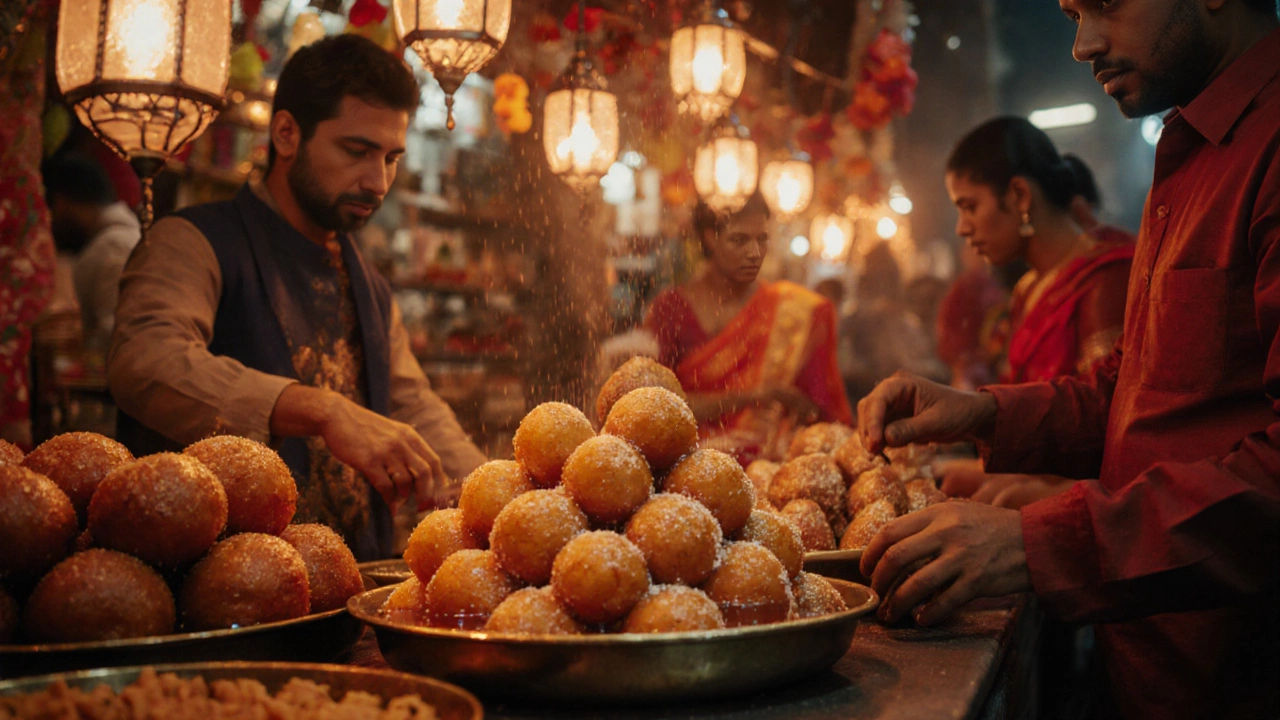
What Do People From India Like for Dessert? Top 10 Traditional Indian Sweets Everyone Loves
Discover the top 10 traditional Indian sweets loved across the country-from gulab jamun and rasgulla to barfi and kheer. Learn how they're made, why they matter, and where to find them.
Read More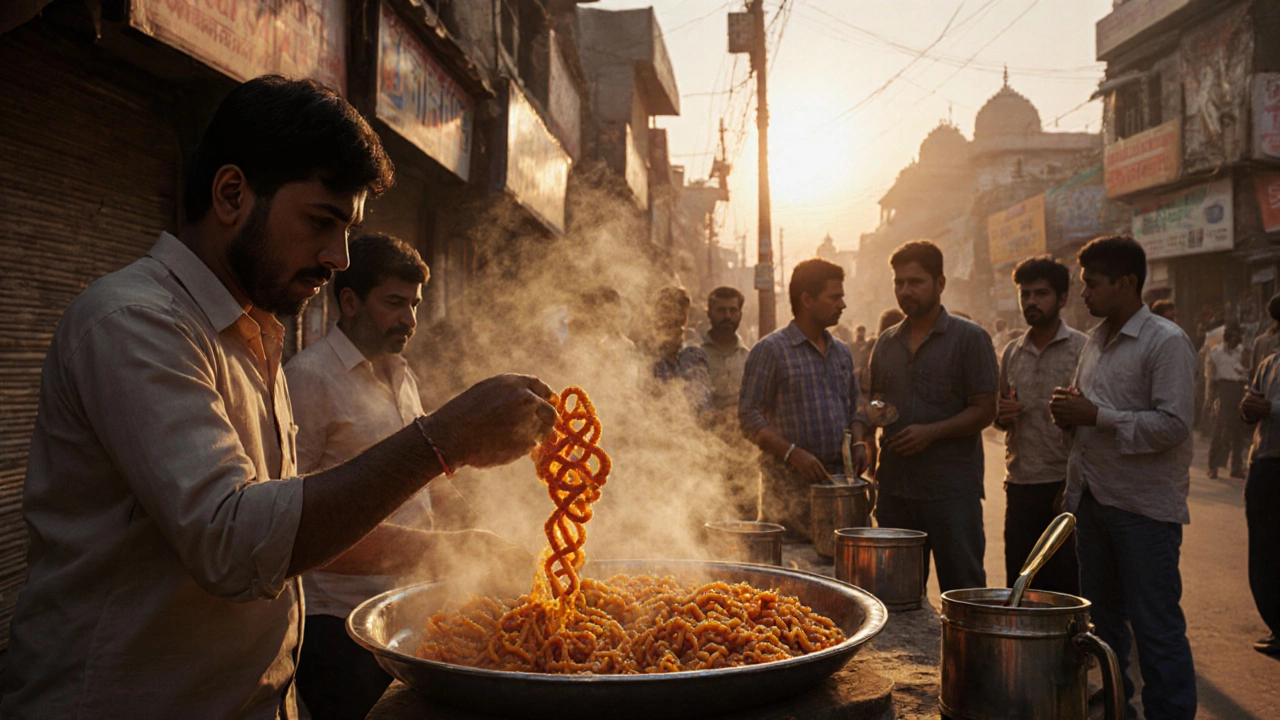
What Is the Traditional Sweet of India? Top Regional Sweets and Their Stories
India doesn't have one traditional sweet-it has many. Jalebi, rasgulla, and gulab jamun are among the most beloved, each tied to region, festival, and family. These sweets are made with milk, jaggery, and spices, and are still prepared the same way for centuries.
Read More