Dosa Batter Consistency: How to Get It Right Every Time
When you're making dosa batter consistency, the ideal texture of fermented rice and lentil batter that turns into crispy, fluffy dosas. Also known as fermented dosa batter texture, it's the difference between a perfect golden dosa and a sticky, flat disc. This isn't about guesswork—it’s about balance. Too thick, and your dosa won’t spread. Too thin, and it tears or turns rubbery. The right consistency lets the batter flow like heavy cream, spreading easily on a hot griddle while holding enough structure to crisp up perfectly.
The secret lies in fermentation, the natural process where lactic acid bacteria break down starches and sugars in the batter. Also known as dosa fermentation, it’s what gives dosa its slight tang, airy texture, and digestibility. If your batter doesn’t rise or smells off, it’s not just sour—it’s broken. Temperature matters: 25–30°C is ideal. In colder climates, wrap the bowl in a towel and place it near a warm spot. Over-fermentation turns the batter too sour and weakens gluten structure, making dosas fragile. Under-fermentation leaves it dense and heavy. The batter should double in volume, bubble like soda water, and smell pleasantly sour—not alcoholic or rotten.
dosa batter recipe, the classic mix of parboiled rice and urad dal in a 3:1 ratio, soaked and ground separately. Also known as traditional dosa batter, it’s the foundation of every good dosa. Skipping the soak or grinding the dal too coarsely ruins texture. The rice should soak 4–6 hours, the dal 3–4. Grind the dal first into a fluffy paste, then add rice for a smoother blend. Water is your control knob—add it slowly. Test consistency by dropping a spoonful: if it slowly spreads and holds its shape for 5 seconds before flattening, you’re golden. Add a pinch of salt after fermentation, never before—it slows the bacteria. And never, ever use yeast. It speeds things up but kills the flavor and health benefits you get from real fermentation.
What you do after fermentation matters too. Stir gently before cooking—don’t whip it. If it’s too thick, add cold water, a tablespoon at a time. If it’s too thin, let it rest longer or mix in a spoon of rice flour. The batter should never be runny like pancake mix. Think of it as a thick, living thing—it breathes, expands, and needs patience. The best dosas come from batter that’s been left alone for 8–12 hours, not rushed. And if your batter turns sour too fast? That’s normal in warm weather. Just chill it for an hour before using.
Below, you’ll find real fixes for real problems: why your batter didn’t rise, how to rescue over-fermented batter, what to do when it smells funny, and how to store it for later. No fluff. No theory. Just what works in a home kitchen.
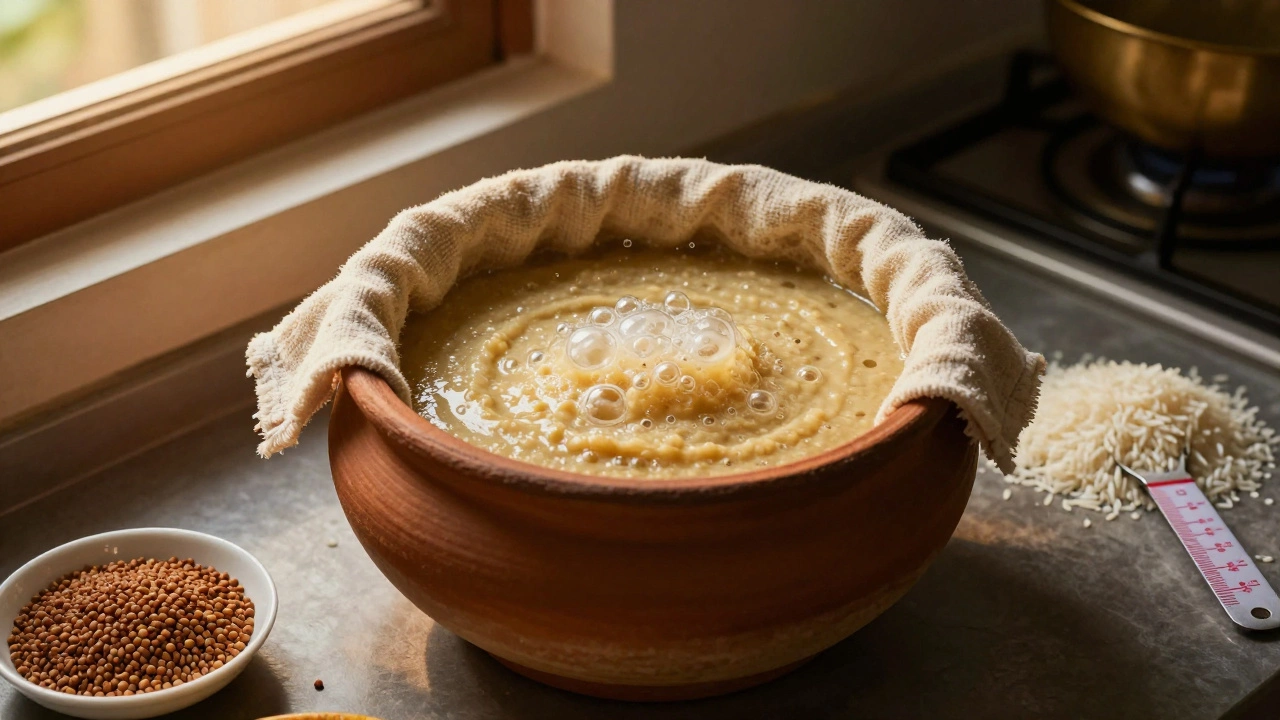
Why Is My Dosa Batter Rubbery? Fix Your Dosa Batter Every Time
Your dosa batter turns rubbery because of wrong rice-to-dal ratios, under-fermentation, or cold batter. Fix it with the right proportions, proper fermentation time, and the right cooking temperature. Simple changes make all the difference.
Read More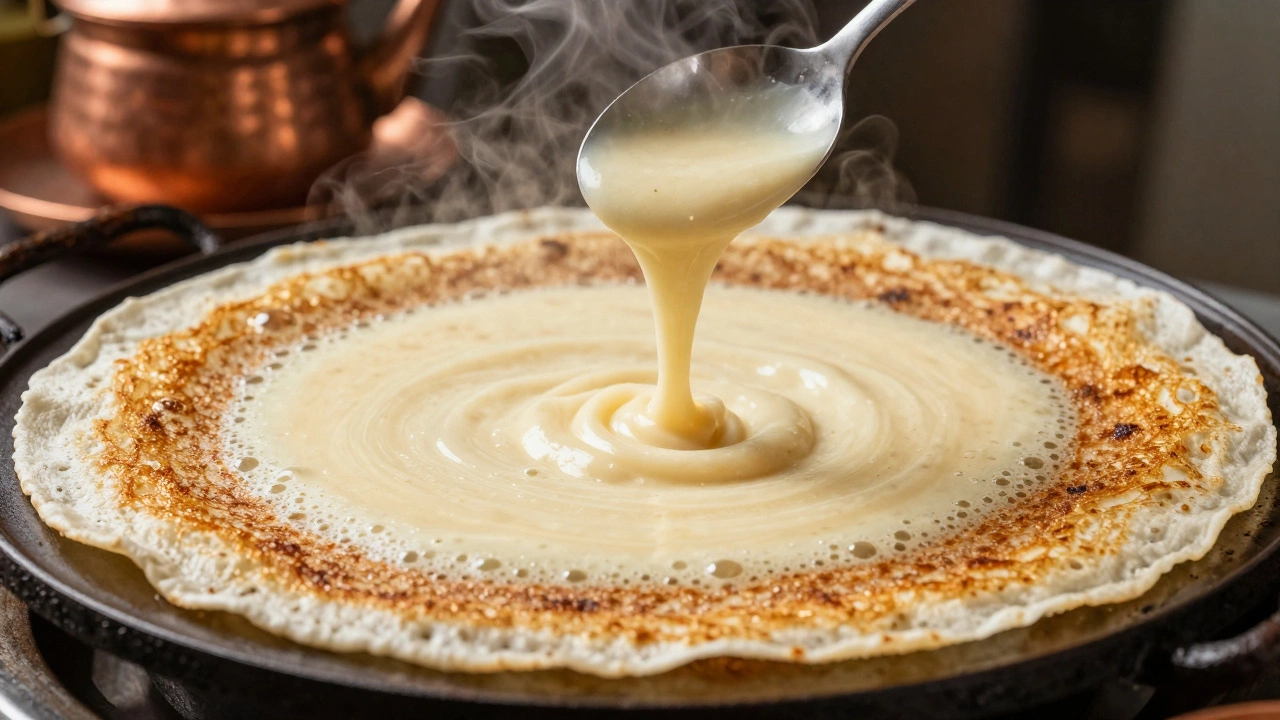
Why Is Dosa Batter Not Crispy? Fix Your Dosa Batter for Perfect Crispiness
Learn why your dosa batter isn't crispy and how to fix it with the right rice-to-dal ratio, fermentation time, griddle heat, and oil technique for perfect results every time.
Read More