Dal Anti-Inflammatory Score Calculator
Not all dals are created equal. Use this tool to evaluate how your preparation method impacts inflammation fighting power.
Your Dal Score
0/100Analyzing...
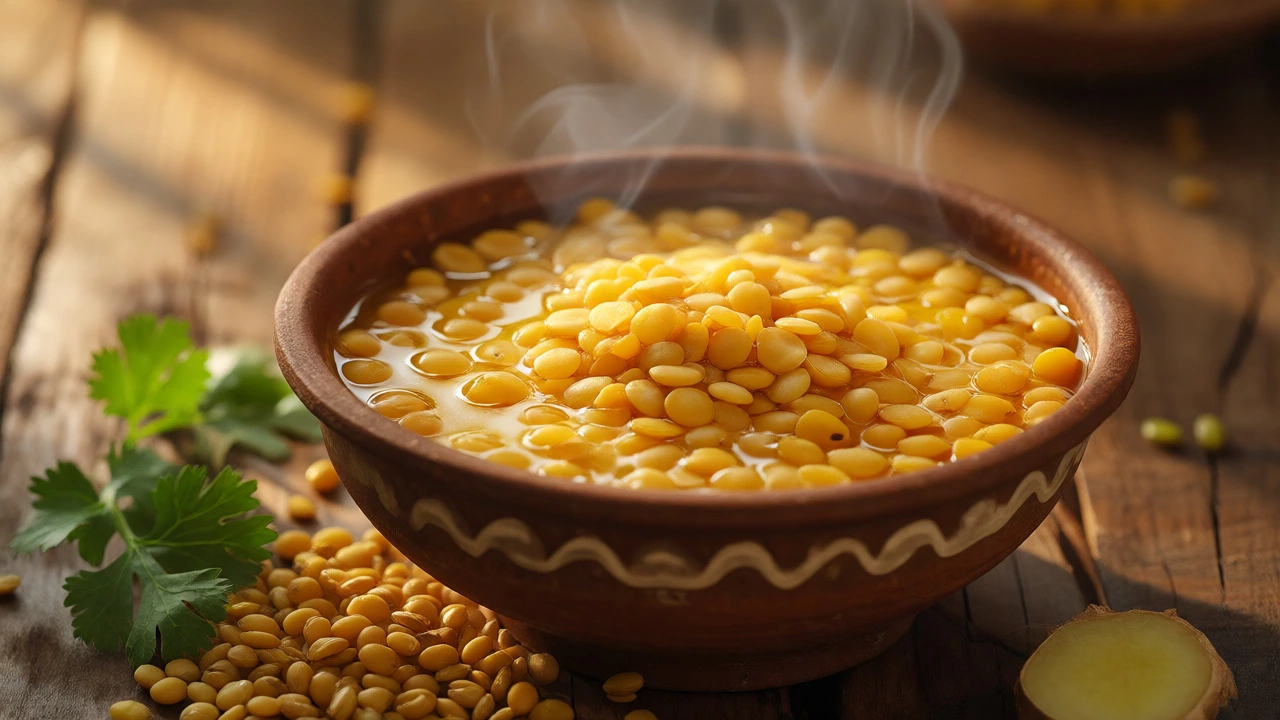
You know that feeling after a heavy meal-bloated, sluggish, maybe even achy. Now compare that to the warm, grounding comfort of a bowl of dal is a staple dish made from split pulses like lentils, peas, or beans, often cooked with spices and herbs. For millions in South Asia and beyond, it’s not just food; it’s medicine. But does science back up the tradition? Is dal actually anti-inflammatory?
The short answer is yes, but with some big caveats about how you cook it. It’s not magic dust sprinkled on any bean soup. The anti-inflammatory power of dal comes from a specific combination of ingredients, preparation methods, and bioactive compounds found in pulses and traditional spices. If you’re looking to reduce chronic inflammation through diet, understanding the mechanics behind your daily dhal can change how you view this humble dish.
Why Pulses Are Powerhouses for Inflammation Control
At its core, dal is made from pulses-dried seeds of leguminous plants. Think yellow moong, red masoor, black urad, or green mung. These aren’t just cheap protein sources; they are loaded with nutrients that directly combat inflammatory markers in the body.
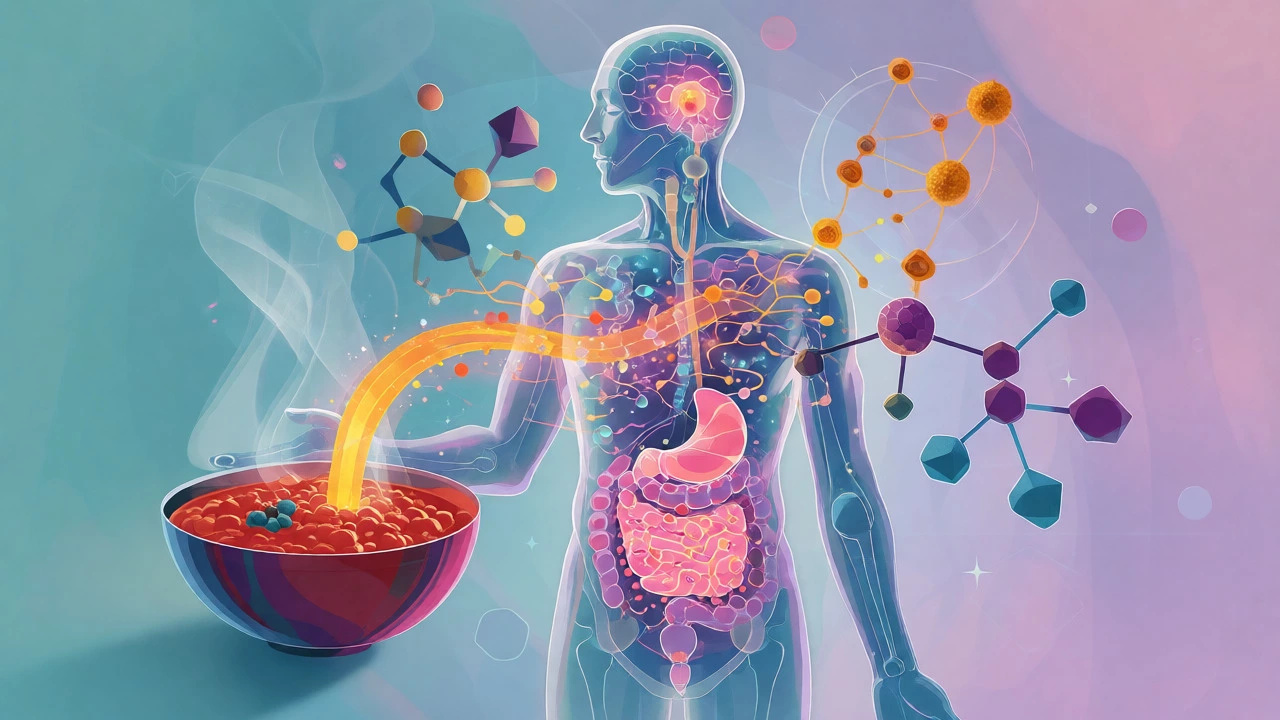
First, let’s talk fiber. A single cup of cooked lentils contains around 15 grams of dietary fiber. Most people don’t get enough of this. Fiber feeds the good bacteria in your gut. When your gut microbiome is balanced, it produces short-chain fatty acids (SCFAs) like butyrate. Butyrate is a powerful anti-inflammatory compound that strengthens the gut lining and prevents "leaky gut," a condition where toxins slip into the bloodstream and trigger systemic inflammation.
Second, pulses are rich in polyphenols. These are plant compounds with strong antioxidant effects. Oxidative stress damages cells and triggers inflammation. Polyphenols neutralize free radicals before they can cause harm. Research published in journals like the *Journal of Agricultural and Food Chemistry* has shown that legumes have some of the highest antioxidant capacities among common foods.
| Dal Type | Primary Pulse | Key Anti-Inflammatory Compound | Fiber Content (per 100g cooked) |
|---|---|---|---|
| Masoor Dal | Red Lentils | Proanthocyanidins | ~7.9g |
| Moong Dal | Mung Beans | Vitexin & Isovitexin | ~8.3g |
| Chana Dal | Split Chickpeas | Saponins | ~6.4g |
| Urad Dal | Black Gram | Anthocyanins | ~5.9g |
The Spice Factor: Turmeric and Ginger
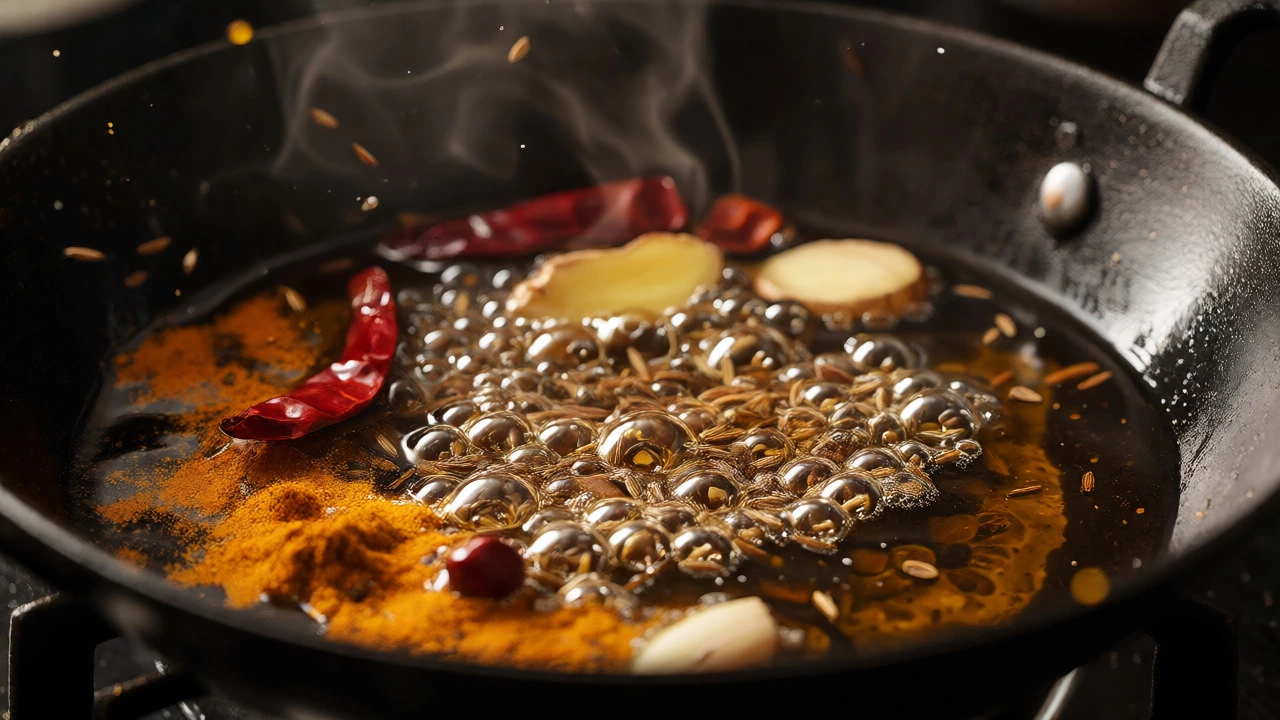
If dal were just boiled lentils, it would be healthy but not necessarily potent against inflammation. The game-changer is the tempering, or *tadka*. Traditional dal recipes almost always include turmeric (*haldi*) and ginger (*adrak*). These two spices are arguably the most studied natural anti-inflammatories in existence.
Turmeric contains curcumin. Studies consistently show that curcumin inhibits NF-kB, a molecule that travels into the nuclei of cells and turns on genes related to inflammation. Chronic activation of NF-kB is linked to heart disease, cancer, and metabolic syndrome. However, curcumin has poor bioavailability on its own. This is why traditional recipes add black pepper (*kali mirch*). Piperine, the active compound in black pepper, increases curcumin absorption by up to 2000%.
Ginger adds another layer. It contains gingerols and shogaols, which suppress pro-inflammatory cytokines. If you’ve ever felt relief from joint pain after eating spicy, ginger-heavy food, that’s not placebo. It’s biology working in real-time.
Cooking Methods Matter More Than You Think
Here is where many people miss the mark. Not all dal is created equal. How you prepare it dictates whether it fights inflammation or fuels it.
- Soaking: Always soak your pulses for at least 4-8 hours. This reduces phytic acid, an antinutrient that can bind to minerals like iron and zinc, making them harder to absorb. Lower phytic acid also means easier digestion and less bloating, which itself is a source of low-grade inflammation.
- Pressure Cooking vs. Boiling: Pressure cooking retains more water-soluble vitamins compared to prolonged open-pot boiling. It also breaks down complex starches better, making the nutrients more bioavailable.
- The Tadka Oil Choice: Traditionally, ghee or mustard oil is used for tempering. Ghee contains butyric acid, which supports gut health. Mustard oil has alpha-linolenic acid (an omega-3). Avoid using refined vegetable oils high in omega-6s if you’re trying to lower inflammation, as an imbalance of omega-6 to omega-3 fats can promote inflammatory pathways.
- Avoiding Excess Sugar/Cream: Some restaurant-style dals add cream or sugar. While tasty, these can spike insulin levels. High insulin is pro-inflammatory. Stick to homemade versions where you control the additives.
Which Dal Is Best for Fighting Inflammation?
You might wonder if one type of dal is superior. While all pulses offer benefits, some stand out due to their specific phytonutrient profiles.
Yellow Moong Dal is often considered the easiest to digest. In Ayurveda, it is known as *Sattvic* food, meaning it promotes clarity and calmness. Because it is hulled and split, it cooks quickly and causes less gas than whole beans. This makes it ideal for people with sensitive guts who still want anti-inflammatory benefits without the discomfort.
Red Masoor Dal is rich in iron and folate. Iron deficiency is surprisingly common and can lead to fatigue and oxidative stress. By replenishing iron stores naturally, you help your body repair tissues more efficiently.
Whole Mung Beans, especially when sprouted, see a massive boost in vitamin C and antioxidants. Sprouting activates enzymes that break down antinutrients and increase nutrient density. A simple sprouted mung salad with lemon juice is a raw, enzyme-rich anti-inflammatory bomb.
Beyond the Bowl: Pairing Dal for Maximum Effect
Eating dal alone is good. Eating it strategically is better. To maximize the anti-inflammatory effect, pair your dal with other foods that work synergistically.
Add leafy greens. Spinach or fenugreek leaves (*methi*) added during the last few minutes of cooking provide magnesium and vitamin K. Magnesium deficiency is linked to increased CRP (C-reactive protein), a key marker of inflammation.
Include fermented sides. A small portion of yogurt or kefir alongside your dal introduces probiotics. Remember the gut-inflammation connection? Probiotics reinforce the barrier function of the intestines. Just ensure the yogurt is plain, without added sugars.
Finish with fresh herbs. Coriander and mint aren’t just garnishes. They contain flavonoids and essential oils that aid digestion and reduce oxidative stress. Squeezing fresh lime over your dal adds vitamin C, which enhances the absorption of non-heme iron from the lentils.
Common Pitfalls That Turn Healthy Dal Into Inflammatory Junk
Be careful with convenience. Pre-packaged dal mixes often contain excessive salt, preservatives, and sometimes hydrogenated fats. Read the label. If the ingredient list looks like a chemistry experiment, skip it.
Also, watch your sodium intake. While salt is necessary, too much can raise blood pressure and strain the cardiovascular system, leading to vascular inflammation. Use rock salt or sea salt sparingly, and rely on spices like cumin, coriander, and asafoetida (*hing*) for flavor depth instead.
Finally, consider your personal tolerance. Legumes contain lectins, which can irritate the gut lining in some individuals, particularly those with autoimmune conditions. If you feel worse after eating dal, try soaking longer, pressure cooking thoroughly, or switching to red lentils, which are generally gentler.
Does soaking dal really remove inflammation-causing compounds?
Yes, soaking significantly reduces phytic acid and oligosaccharides. Phytic acid binds to minerals, reducing their absorption, while oligosaccharides cause gas and bloating. Both can contribute to gut irritation and subsequent inflammation. Soaking for 4-8 hours, followed by thorough cooking, mitigates these issues effectively.
Can I eat dal every day if I have arthritis?
For most people, yes. The anti-inflammatory properties of turmeric, ginger, and fiber in dal can help manage arthritis symptoms. However, some individuals report sensitivity to nightshades or legumes. If you notice increased joint pain after eating dal, consult a healthcare provider to rule out specific intolerances or gout triggers (purines).
Is yellow dal healthier than black dal?
Neither is inherently "healthier"; they serve different purposes. Yellow moong dal is lighter, easier to digest, and lower in calories, making it great for daily consumption. Black urad dal is denser in protein and fiber but can be heavier on the stomach. Rotating between them provides a broader spectrum of nutrients.
Does adding cream to dal make it inflammatory?
It depends on the quantity and type. Small amounts of full-fat dairy are generally neutral for most people. However, large quantities of cream add saturated fat and calories, which can promote inflammation if consumed in excess. Plant-based creams or coconut milk are alternatives, though coconut milk is also high in saturated fat. Moderation is key.
How does turmeric in dal help with inflammation?
Turmeric contains curcumin, which blocks inflammatory cytokines and enzymes like COX-2. Its effectiveness is boosted by black pepper (piperine) and fat (like ghee), both of which are standard in traditional dal recipes. This synergy makes the turmeric in dal highly bioavailable and effective.