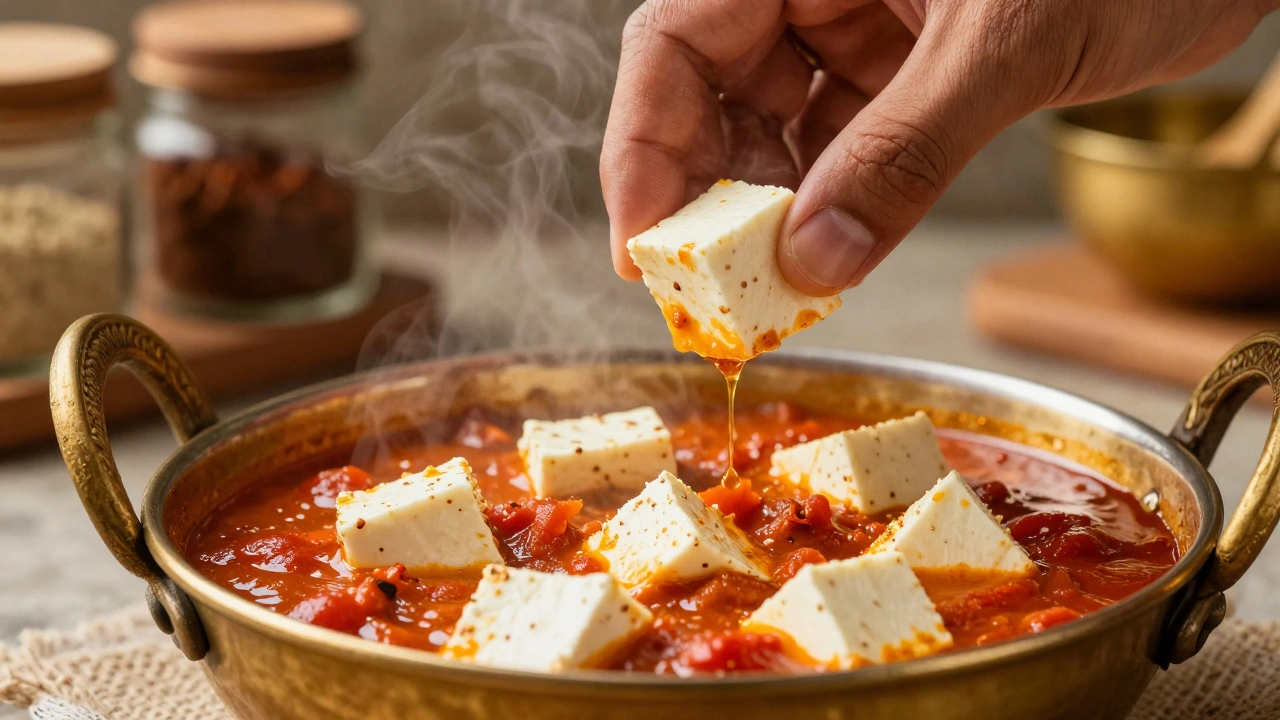
Paneer Texture & Timing Calculator
Configuration
Analysis
ReadyTexture Score
--
Add at end
Outcome Prediction:
Configure your settings and click calculate to see how your paneer will turn out.
Pro Tip:
Waiting for instructions...
There is a moment of panic that hits every home cook when they realize their paneer cubes are sitting on the counter while the curry simmers below. Do you drop them in right now? Or do you wait? If you have ever wondered can you add paneer straight to curry, the short answer is yes, but with some very important caveats. Dropping raw, cold cheese directly into boiling sauce can turn your tender protein into rubbery, oil-squeezing bricks if you aren't careful.
I’ve made this mistake more times than I care to admit. One evening, rushing to get dinner on the table for guests, I tossed fresh, store-bought paneer directly into a simmering tomato gravy. Ten minutes later, the texture was unpleasantly hard, and the rich red oil had separated from the spices. It wasn’t ruined, but it wasn’t great. Since then, I’ve learned that how you treat paneer determines the soul of the dish. Whether you are using store-bought blocks or making your own fresh cheese at home, understanding the science behind this versatile ingredient will save your next meal.
Before we dive into the technique, it helps to understand what paneer actually is. Unlike mozzarella or cheddar, which are aged and fermented, paneer is an acid-set fresh cheese. It doesn’t melt. This means its texture relies entirely on moisture content and temperature management. When you heat paneer too aggressively, the proteins tighten up instantly, squeezing out water and fat. That’s why proper preparation matters so much.
Why Texture Matters More Than Flavor
The biggest risk of adding paneer straight to a curry is textural shock. Cold paneer meeting hot liquid causes rapid contraction. Think of it like putting a steak in a pan that isn’t hot enough-it steams instead of sears, but in reverse. Here, the cold center stays dense while the outside might start to break down unevenly.
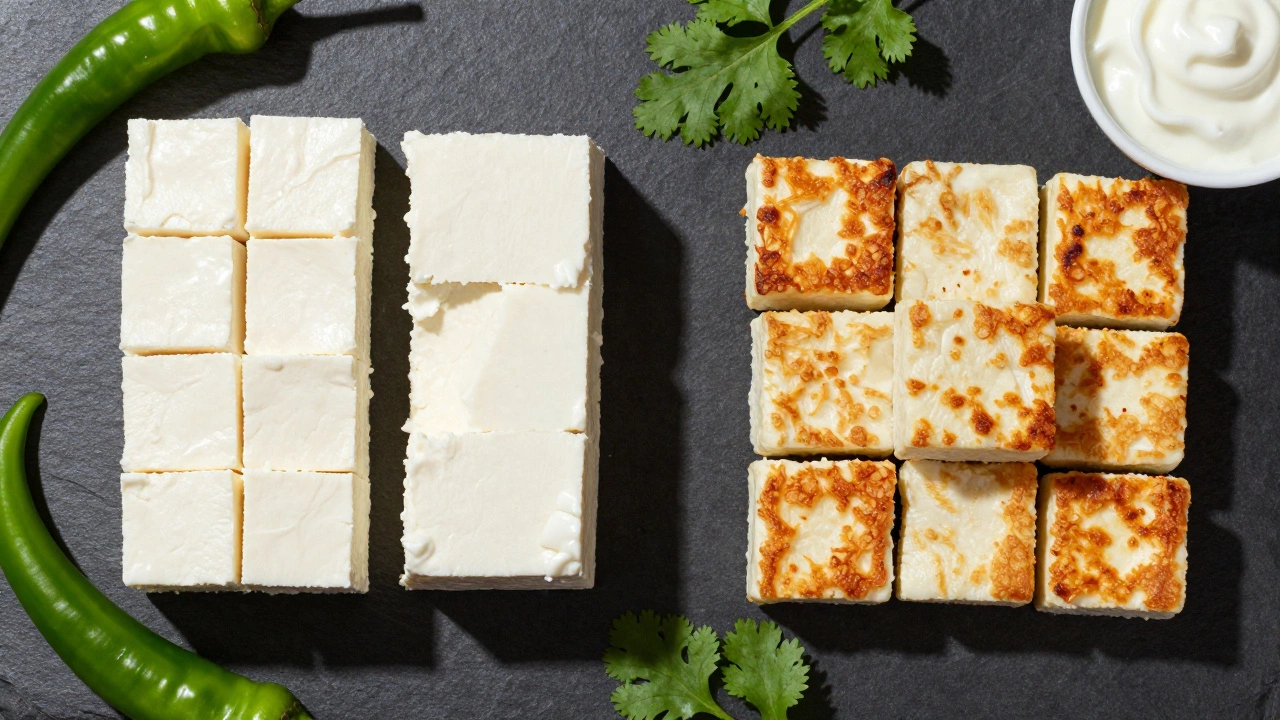
If you want soft, spongy bites that soak up the gravy, you need to manage the temperature gradient. Adding room-temperature paneer is always better than fridge-cold paneer. But even better is pre-cooking the cheese slightly. Many traditional Indian households fry paneer cubes lightly before adding them to the final dish. This creates a protective crust that holds the interior soft and prevents the cheese from absorbing too much liquid, which can make it soggy rather than creamy.
However, frying isn’t always necessary. If you prefer a healthier approach or simply don’t have time, you can skip the oil. Just ensure the curry isn’t at a rolling boil when you introduce the cheese. A gentle simmer is your best friend here.
The Golden Rule: Timing Is Everything
So, back to the main question: can you add it straight in? Yes, but timing is critical. Never add paneer at the beginning of the cooking process. If your curry needs 20 minutes to meld flavors, the paneer should not be in there for all 20 minutes. It will become tough and unappetizing.
Add paneer in the last 3 to 5 minutes of cooking. This allows the cheese to warm through and absorb the surface flavors of the gravy without breaking down structurally. If you are making a heavy, cream-based curry like Butter Chicken (but with paneer), you can add it slightly earlier, around 7-10 minutes, because the dairy fats help cushion the cheese. In thinner, tomato-based gravies like Kadai Paneer or simple Dal Makhani, stick to the shorter window.
Here is a quick checklist for adding paneer to any curry:
- Cut uniformly: Ensure all cubes are the same size so they heat evenly.
- Warm the cheese: Take paneer out of the fridge 15 minutes before cooking.
- Lower the heat: Reduce the flame to low before dropping the cubes in.
- Don’t stir vigorously: Gently fold the paneer into the sauce to avoid crumbling.
- Rest before serving: Turn off the heat and let the dish sit covered for 5 minutes. The residual heat finishes the job perfectly.
Homemade vs. Store-Bought: Does It Change the Rules?
Absolutely. Homemade paneer behaves differently than the commercial blocks you buy at the supermarket. Store-bought paneer often contains stabilizers or preservatives that keep it firm for weeks. These additives can make it harder to soften, even with proper cooking techniques. Homemade paneer, on the other hand, is pure milk solids. It is softer, more delicate, and absorbs flavor more readily.
If you are making paneer from scratch, you have an advantage. You can control the acidity level during curdling. Using lemon juice or vinegar gives a different texture compared to yogurt. Yogurt-curdled paneer tends to be softer and creamier, which is ideal for curries where you want the cheese to almost melt into the sauce. Lemon-curdled paneer is firmer and better suited for dishes where you want distinct, chewy bites.
When working with homemade paneer, be extra gentle. It crumbles easier. I recommend soaking homemade cubes in warm salted water for 10 minutes before adding them to the curry. This rehydrates the cheese and ensures it stays moist during the final cooking stage. Store-bought paneer rarely needs this step, but it doesn’t hurt.
Common Mistakes That Ruin Paneer Curries
Even experienced cooks slip up. Here are the most frequent errors I see in kitchens:
- Boiling the curry: High heat is the enemy of soft paneer. If the liquid is bubbling violently, wait for it to calm down before adding the cheese.
- Overcrowding the pan: Adding too many cubes at once drops the temperature of the sauce drastically, leading to uneven heating. Add them in batches if your pot is small.
- Ignoring the resting phase: Taking the dish straight from the stove to the plate misses the opportunity for the flavors to marry. Letting it rest allows the paneer to relax and become tender.
- Using old paneer: Freshness counts. Paneer older than two days tends to dry out. If yours feels hard or crumbly, soak it in warm water first to revive it.
Another subtle mistake is salting the curry too early. Salt draws out moisture. If you salt the gravy heavily before adding paneer, the cheese may release its own water, diluting the sauce. Season gradually, tasting as you go, especially after the paneer has been added.
Pro Tips for Perfect Paneer Every Time
Want restaurant-quality results at home? Try these tricks:
- Blanching method: Drop paneer cubes into boiling water for 30 seconds, then immediately transfer them to ice water. This shocks the proteins into a softer state. Then add to your curry. It sounds counterintuitive, but it works wonders for tough store-bought brands.
- Marinate briefly: Toss cubes in a little ginger-garlic paste and turmeric before adding to the curry. This infuses flavor from the inside out, not just from the sauce.
- Use cream or yogurt: Stirring in a tablespoon of fresh cream or hung yogurt at the end adds richness and helps keep the paneer supple.
- Choose the right cut: Smaller cubes (half-inch) cook faster and stay softer. Large chunks (one-inch) require longer resting times and are prone to being cold in the center.
I also love experimenting with regional styles. In South India, paneer is often cooked in coconut-based curries, which are naturally milder and less acidic. This environment is forgiving for paneer, allowing it to stay soft even if left in the pot a bit longer. In North India, tangy tomato and tamarind bases demand quicker cooking times to prevent the cheese from becoming rubbery due to the acid.
For those interested in exploring more culinary resources or finding unique dining experiences, sometimes looking beyond the kitchen can inspire new ideas. For instance, checking out local directories like this directory might seem unrelated, but browsing diverse cultural listings can spark creativity in how you present and enjoy food in social settings.
What If Your Paneer Is Already Tough?
Don’t throw it away! There are ways to salvage overcooked paneer. Grate it finely and mix it into a stuffing for parathas or use it as a topping for pizzas. When grated, the texture issue becomes less noticeable. Alternatively, blend it into a smoothie or soup base where its hardness won’t be detected. Creativity saves meals.
Another option is to pressure cook the curry with the paneer inside for just one whistle. The high-pressure steam penetrates the cheese quickly, softening it without prolonged exposure to direct heat. Use this method only if you are confident with your pressure cooker, as over-pressurizing can turn the paneer into mush.
Final Thoughts on Cooking Paneer
Adding paneer straight to curry is perfectly fine as long as you respect the temperature and timing. Treat it like a delicate guest who arrives late to the party-they join when things are settled, not when the chaos begins. By keeping the heat low, adding it near the end, and letting the dish rest, you’ll achieve that perfect balance of softness and flavor that makes Indian vegetarian cuisine so beloved.
Experiment with different marinades, try blanching, and pay attention to the type of paneer you’re using. Each batch is unique, especially if you’re making it yourself. The joy of cooking lies in these small adjustments. Next time you stand over that simmering pot, remember: patience pays off. Your taste buds will thank you.
Can I add frozen paneer directly to curry?
No, never add frozen paneer directly to curry. Frozen paneer has a porous, sponge-like texture that absorbs too much liquid and becomes greasy. Thaw it completely in the refrigerator overnight, then squeeze out excess moisture before cutting and cooking.
How long does paneer last in the fridge?
Store-bought paneer lasts 5-7 days in the fridge if kept in its original packaging or submerged in water in an airtight container. Homemade paneer lasts 2-3 days. Keep it cool and dry to maintain freshness.
Why does my paneer turn rubbery?
Rubbery paneer is usually caused by overheating, overcooking, or using old cheese. High temperatures cause proteins to contract tightly. To fix this, lower the heat, add paneer later in the cooking process, and ensure the cheese is fresh.
Should I fry paneer before adding it to curry?
Frying is optional but recommended for better texture. Lightly pan-frying creates a golden crust that keeps the interior soft and prevents the paneer from disintegrating in the sauce. For a healthier version, skip the oil and blanch in water instead.
Can I use cottage cheese instead of paneer?
Cottage cheese can work as a substitute, but it has higher moisture content. Press it well to remove water before using. The texture will be softer and less defined than traditional paneer, but it still absorbs flavors nicely in curries.