Bland Curry Rescue Kit
Does your curry taste flat? Diagnose the issue by selecting what's missing or wrong with your dish.
Diagnosis Complete!
Recommended Fixes:
Prevention Checklist
You’ve just plated your chicken curry, it looks glossy and inviting, but that first bite tastes like… well, nothing. It’s flat. Watery. Sad. You added the turmeric, you threw in some garam masala, maybe even a splash of cream, yet the flavor profile feels hollow. This is one of the most common frustrations home cooks face, especially when trying to replicate the deep, complex layers found in restaurant dishes. The good news? You don’t need to start over. Whether you’re halfway through simmering or just finished serving, there are precise, science-backed ways to rescue a dull curry and turn it into something memorable.
The Science of Flavor: Why Your Curry Tastes Flat
Before you reach for more chili powder, understand what "bland" actually means in culinary terms. A truly balanced curry relies on four pillars: salt (enhancer), acid (brightener), fat (carrier), and heat (stimulant). If your dish tastes empty, it’s rarely because you lack heat; it’s usually because you lack depth or balance. Most people mistake "spicy" for "flavorful." They add cayenne, which burns the tongue but doesn't satisfy the palate. Real flavor comes from the Maillard reaction during browning, the blooming of spices in oil, and the slow reduction of liquids to concentrate aromatics. If you skipped browning the onions until they were dark brown, or if you dumped raw spices directly into water instead of frying them in ghee, you missed the foundational steps that build taste.
| Pillar | Function | Common Mistake | Quick Fix |
|---|---|---|---|
| Salt | Enhances natural flavors | Under-salting due to fear of sodium | Add salt in stages, not just at the end |
| Acid | Cuts richness, brightens notes | No lemon juice or yogurt used | Squeeze lime or stir in tomato paste |
| Fat | Carries fat-soluble flavors | Using too little oil/ghee | Finish with a swirl of ghee or coconut milk |
| Aromatics | Provide complexity | Spices added too late or burned | Bloom whole spices in hot oil separately |
Fix 1: The Power of Blooming Spices
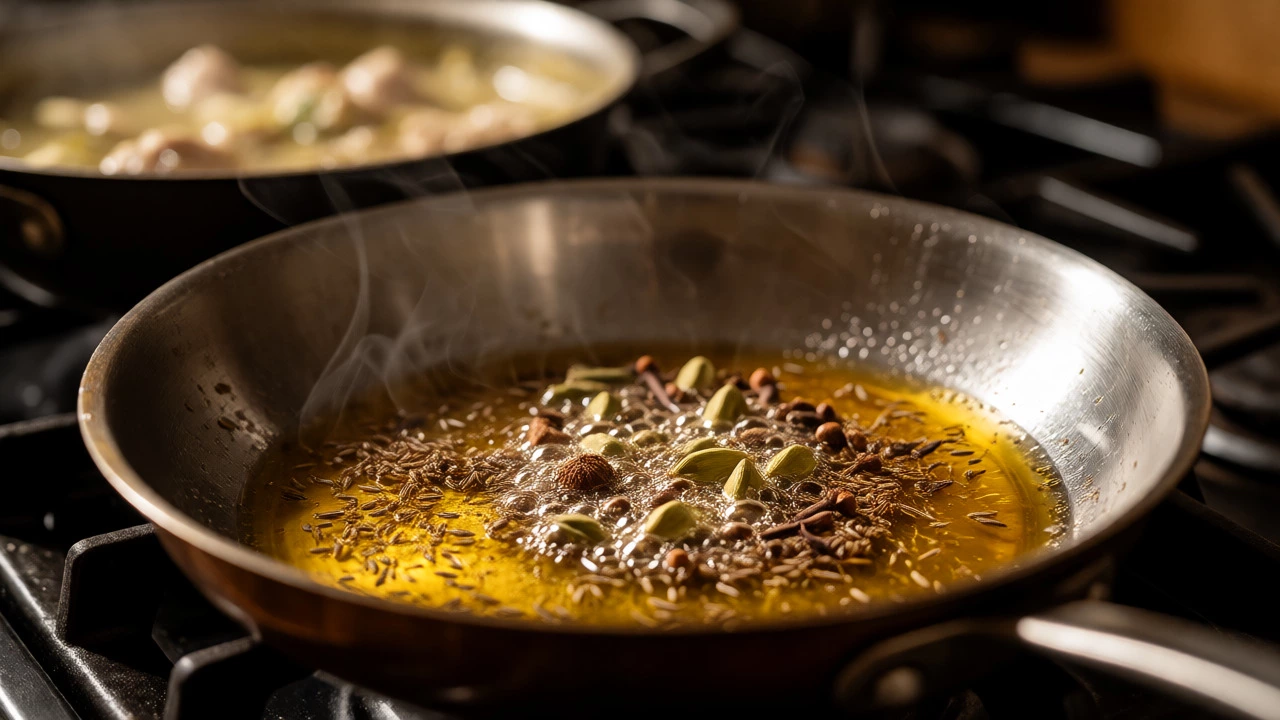
If you simply sprinkled ground spices into boiling liquid, you likely ended up with a dusty, gritty texture and muted aroma. Spices contain essential oils that are fat-soluble, meaning they need heat and oil to release their full potential. This process is called "blooming." To fix a curry that lacks aroma, pull out a small pan. Heat a tablespoon of ghee or neutral oil. Add your whole spices-cumin seeds, cardamom pods, cloves, cinnamon stick-and let them crackle for 30 seconds. Then, add your ground coriander, cumin, and turmeric. Stir constantly for 15-20 seconds until fragrant but not burnt. Pour this sizzling mixture back into your main pot. You’ll instantly notice the scent change. The heat activates compounds like cuminaldehyde in cumin and eugenol in cloves, transforming them from inert powders into vibrant flavor agents.
Fix 2: Acidity Is the Secret Weapon
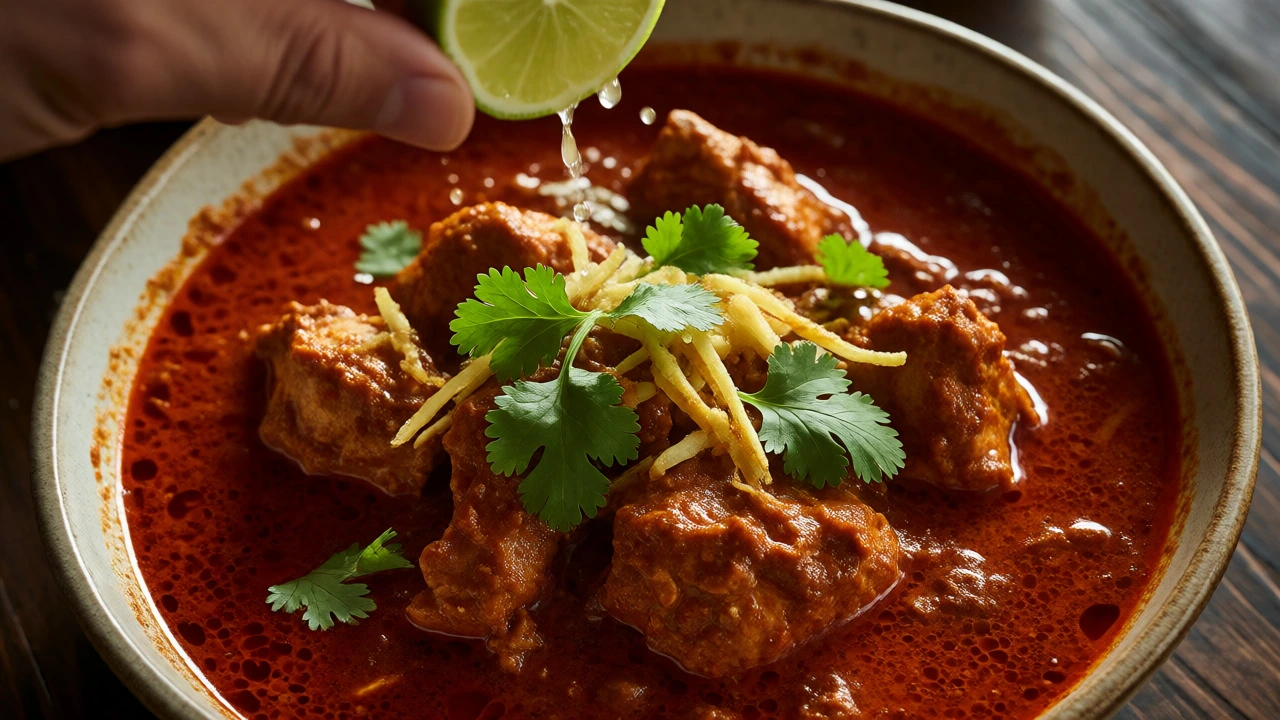
Here is a counter-intuitive truth: if your curry tastes boring, it probably needs acid, not more spice. Acid cuts through the heaviness of fats and proteins, making other flavors pop. In Indian cooking, this often comes from tomatoes, tamarind, yogurt, or lemon juice. If your base is heavy with cream or coconut milk, it can mask subtle spices. Try stirring in a teaspoon of amchur (dried mango powder) or squeezing half a lemon right before serving. The citric acid interacts with the capsaicin in chilies, spreading the heat evenly across the palate rather than concentrating it on the tip of the tongue. For a deeper tang, mix a tablespoon of tomato paste into a bit of hot oil and fry it until the color darkens to brick red. This concentrates the umami and acidity, adding a savory backbone that plain water or stock cannot provide.
Fix 3: Deepen the Base with Browning
Many quick recipes skip the step of browning onions and garlic, opting for raw sautéing. This is a major culprit for blandness. Onions contain sugars that caramelize at high temperatures, creating hundreds of new flavor compounds. If your onion-garlic-ginger paste looks pale yellow, it hasn’t developed enough sweetness or depth. To fix this without starting over, try a technique called "tadka" or tempering. Remove the chicken pieces temporarily. In the same pot, add another spoonful of oil. Fry finely chopped onions until they are deep golden brown, almost brownish-red. This takes patience-about 15 minutes on medium-low heat. Once done, return the chicken and sauce to the pot. The caramelized sugars will meld with the existing gravy, adding a rich, sweet-savory note that transforms the dish from thin to robust.
Fix 4: Umami Boosters for Savory Depth
Sometimes a curry lacks that lingering "yummy" quality known as umami. While traditional Indian cuisine relies on ingredients like dried fenugreek leaves (kasuri methi) and roasted gram flour for this, modern kitchens have shortcuts. A pinch of MSG (monosodium glutamate) is controversial to some, but it is chemically identical to the glutamates found naturally in tomatoes and parmesan. It works wonders in curries. Alternatively, use nutritional yeast for a vegan option, or a teaspoon of fish sauce for non-vegetarian dishes. These additions don’t make the curry taste Asian; they simply amplify the meaty, savory qualities of the chicken and spices. Another powerful tool is kasuri methi. Crush a tablespoon between your palms and sprinkle it over the simmering curry. Its bitter, maple-like aroma bridges the gap between sharp spices and creamy sauces, adding a sophisticated layer that beginners often miss.
Fix 5: Texture and Thickness Matter
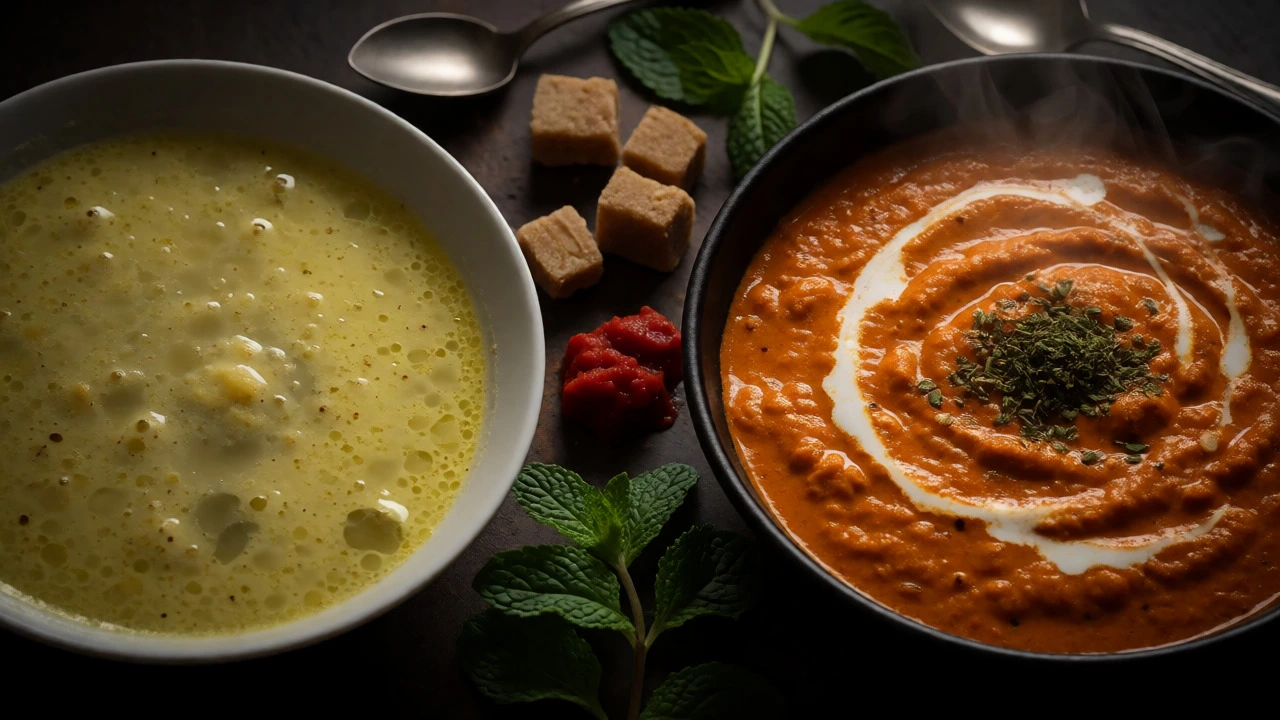
Flavor perception is linked to mouthfeel. A watery curry slides off the tongue, giving your taste buds less time to register flavors. A thick, velvety sauce clings to the chicken, ensuring every bite is coated. If your gravy is too thin, don’t just boil it down-that can break emulsions and separate fats. Instead, create a slurry. Mix two tablespoons of cornstarch or rice flour with cold water. Stir it into the simmering curry and cook for two minutes until glossy. For a more traditional approach, blend a portion of the cooked onions and cashews into a smooth paste and stir it back in. This adds body and richness without altering the flavor profile drastically. The increased viscosity traps aromatic molecules, releasing them slowly as you eat, which makes the dish feel more intense and satisfying.
Fix 6: Fresh Herbs and Finishing Touches
Dried spices provide the structure, but fresh elements provide the life. Adding cilantro (coriander leaves) at the very end preserves its volatile oils, which evaporate quickly under heat. But don’t stop there. Consider adding a handful of fresh mint for a cooling contrast, especially in spicy vindaloos or rogan josh. Ginger juliennes fried until crisp offer a textural crunch and a sharp zing that cuts through richness. Finally, finish with a dollop of fresh cream or coconut cream swirled on top. This isn’t just for looks; the fat coats the tongue, smoothing out any harsh edges from excessive chili or salt. It creates a luxurious mouthfeel that signals "restaurant quality" to the brain.
Preventing Blandness Next Time: A Checklist
- Salt Early: Season the chicken itself before cooking. Let it sit with salt for 15 minutes to penetrate the meat fibers.
- Brown Well: Do not rush the onion browning stage. Darker onions equal sweeter, deeper gravies.
- Bloom Spices: Always fry ground spices in oil/fat before adding liquids.
- Balance pH: Taste for acidity. If it feels heavy, add lemon or tamarind.
- Reduce Liquids: Simmer uncovered for the last 10 minutes to concentrate flavors.
- Rest the Dish: Curries often taste better after resting for 10-15 minutes off heat, allowing flavors to marry.
Why does my chicken curry taste metallic?
A metallic taste often comes from using reactive cookware like unlined aluminum or cast iron with highly acidic ingredients (like tomatoes or tamarind) for prolonged periods. The acid reacts with the metal, leaching ions into the food. Switch to stainless steel, enameled cast iron, or non-stick pans when cooking acidic curries. Additionally, ensure your spices are fresh; old turmeric or paprika can sometimes develop off-flavors that mimic metallic notes.
Can I add sugar to fix a bland curry?
Yes, but carefully. Sugar balances acidity and heat, enhancing overall palatability. However, adding too much can make the curry taste like dessert. Start with a quarter teaspoon of brown sugar or honey. Brown sugar is preferred because its molasses content adds depth alongside sweetness. If you find yourself needing more than half a teaspoon, consider whether you are missing salt or acid instead, as these are more likely culprits for flatness.
What is the best substitute for garam masala if I ran out?
Garam masala is a blend of warming spices. If you run out, you can approximate it by mixing equal parts ground cumin, coriander, black pepper, and a smaller amount of cinnamon and cardamom. Alternatively, use curry powder, though note that commercial curry powders often contain turmeric and chili, which may alter the color and heat level. Adjust other spices accordingly to maintain balance.
Does marinating chicken help prevent blandness?
Absolutely. Marinating allows spices and acids to penetrate the protein structure, seasoning the meat from within rather than just coating the surface. A yogurt-based marinade with ginger, garlic, and turmeric tenderizes the chicken and infuses flavor. Even a simple 30-minute soak in salted water with lemon juice helps retain moisture and ensures the meat itself contributes to the overall taste profile.
How do I know if my spices are still potent?
Crush a small amount of the spice between your fingers and smell it immediately. Potent spices should have a strong, distinct aroma. If it smells faint or dusty, it has lost its volatile oils. Ground spices generally last 6 months, while whole spices can last 1-2 years if stored in airtight containers away from light and heat. Replace old spices, as no amount of quantity can compensate for poor quality.