Dal Translator & Recipe Planner
Step 1: Select the Dal you want to cook to see its American name and recipe.
Masoor Dal
Split Red Lentils
Fastest (15-20 min)Toor Dal
Split Pigeon Peas
Medium (30-45 min)Urad Dal
White Lentils (Skinned)
Creamy TextureChana Dal
Split Chickpeas
Hearty (45-60 min)Moong Dal
Yellow Split Mung Beans
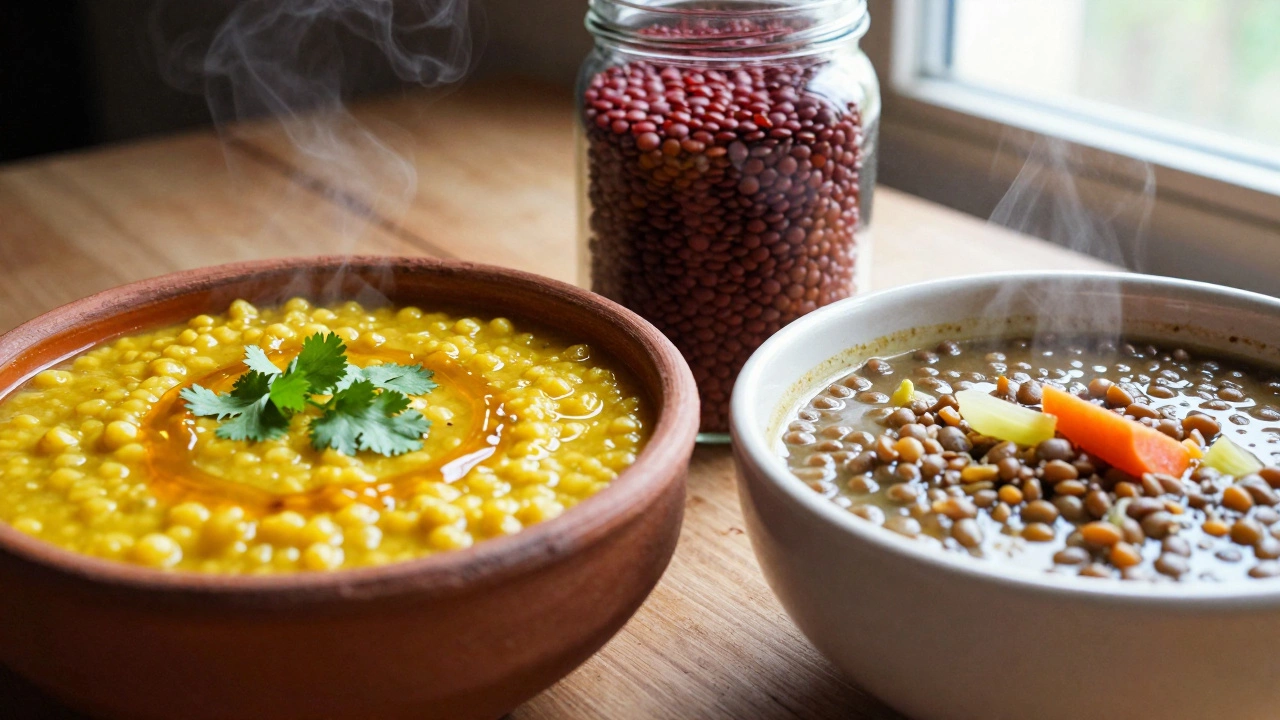
Light & DigestibleIf you’ve ever ordered dal at a restaurant in New York or Chicago, you might have noticed something odd on the menu. It’s rarely called "dal." Instead, it’s listed as "Lentil Stew," "Red Lentil Curry," or simply "Yellow Lentils." This linguistic gap is more than just a naming difference; it represents a massive cultural divide in how we perceive legumes. For millions of people in South Asia, dal is the heartbeat of every meal-a daily staple that provides protein, comfort, and nutrition. In the United States, however, these same ingredients are often viewed as exotic side dishes or health-food supplements.
The short answer to your question is: Americans call dal lentils. But the story doesn’t end there. Understanding this translation requires looking at how different cultures prepare, categorize, and value these humble pulses. If you’re an Indian expat missing home-cooked meals, or an American curious about adding more plant-based protein to their diet, knowing the right terms will help you find the ingredients and recipes you need without confusion.
The Great Name Divide: Dal vs. Lentils
To understand why the names differ, we first need to define what we are talking about. In India, Pakistan, Bangladesh, Nepal, and Sri Lanka, the word "dal" refers to split pulses. These can be yellow, red, brown, green, or black. They are usually sold dried and require soaking or long cooking times to become tender. The term covers everything from small red lentils (masoor) to large brown ones (urad) and even pigeon peas (toor).
In the US, the culinary landscape is organized differently. Most Americans buy these ingredients in the dry goods aisle labeled clearly by color and size: "Red Lentils," "Brown Lentils," "Green Lentils," or "Black Beluga Lentils." You won’t see bags labeled "dal" unless you visit a specialty international market. This isn’t because Americans don’t eat them; they do. Lentil soup is a winter classic in many households. However, the preparation method-and thus the name-shifts based on cultural context.
| Indian Name (Dal) | Type of Pulse | American Market Name | Cooking Time |
|---|---|---|---|
| Masoor Dal | Split Red Lentils | Red Lentils | 15-20 minutes |
| Toor Dal / Arhar | Split Pigeon Peas | Dry Split Yellow Peas | 30-45 minutes |
| Urad Dal | Split Black Gram | White Lentils (Skinned) | 20-30 minutes |
| Chana Dal | Split Chickpeas | Splitted Chickpeas / Kabuli Chana | 45-60 minutes |
| Moong Dal | Split Mung Beans | Yellow Split Mung Beans | 15-20 minutes |
Notice the distinction in the table above. When an American buys "Red Lentils," they are buying Masoor Dal. But if they buy "Whole Green Lentils," they are likely looking for French-style lentils used in salads, which is closer to whole Moong or Masoor but prepared very differently. The key takeaway is that "dal" implies a specific style of preparation-boiled until soft, often tempered with spices-whereas "lentils" in the US often implies a firmer texture used in soups or salads.
Why the Difference Matters for Cooking
The name change affects how you cook. In Indian cuisine, dal is almost always cooked with a tempering process known as tadka or chaunk. This involves heating oil or ghee and frying aromatics like cumin seeds, mustard seeds, garlic, ginger, and dried red chilies before pouring the sizzling mixture over the boiled lentils. This step transforms a plain pot of beans into a flavorful dish.
Americans, on the other hand, typically simmer lentils slowly with vegetables like carrots, celery, and onions throughout the cooking process. Think of the classic lentil soup found in diners across the Midwest. The flavors meld together during the boil, rather than being added at the end via tempering. If you try to make an authentic dal using an American lentil soup recipe, you’ll miss the depth of flavor provided by the tadka. Conversely, if you serve a traditional spicy dal to someone expecting a mild Western stew, they might find it too intense.
This is where understanding the ingredient identity becomes crucial. If you want to make a quick, creamy dal, you need Red Lentils (Masoor). They break down easily and create a thick consistency. If you want a heartier dish where each grain stays distinct, you need Brown or Green Lentils. Knowing which one to pick saves you from ending up with mush when you wanted texture, or vice versa.
Finding Dal Ingredients in American Grocery Stores
You don’t need to hunt down a specialized Asian grocery store to find the ingredients for dal, though those stores offer better variety and prices. Major chains like Whole Foods, Trader Joe’s, Walmart, and Kroger carry a decent selection of dried lentils. Look in the bulk bin section or near the rice and pasta aisles.
Here’s a shopping list translation guide:
- For Masoor Dal: Look for "Red Lentils." They should be bright orange-red. Avoid any that look dull or grey, as they may be old and take longer to cook.
- For Toor Dal: Search for "Dry Split Yellow Peas." This is the trickiest substitution. Many Americans aren’t familiar with split peas, so check the label carefully. Sometimes they are labeled "Yellow Split Peas."
- For Urad Dal: Look for "White Lentils" or "Beluga Lentils" (though Beluga are black and hold shape better). Skinned white lentils are the closest match for the creamy texture of urad dal.
- Spices: You’ll need Cumin Seeds (Jeera), Turmeric Powder (Haldi), Red Chili Powder, and Garam Masala. Most US supermarkets stock these in the spice aisle. Ghee is widely available now, often in the dairy section or refrigerated butter aisle.
If you can’t find cumin seeds, ground cumin works, but seeds provide a superior aroma when fried in hot oil. Mustard seeds (Rai) are harder to find in regular stores but are essential for authentic Bengali or South Indian styles of dal. Trader Joe’s and Whole Foods usually carry them.
A Simple Recipe: How to Make American-Friendly Dal
Let’s bridge the gap with a recipe that uses common American ingredients but follows the traditional Indian method. This is a simple Masoor Dal (Red Lentil Dal) that takes less than 30 minutes. It’s perfect for beginners who want to taste authentic flavors without complex techniques.
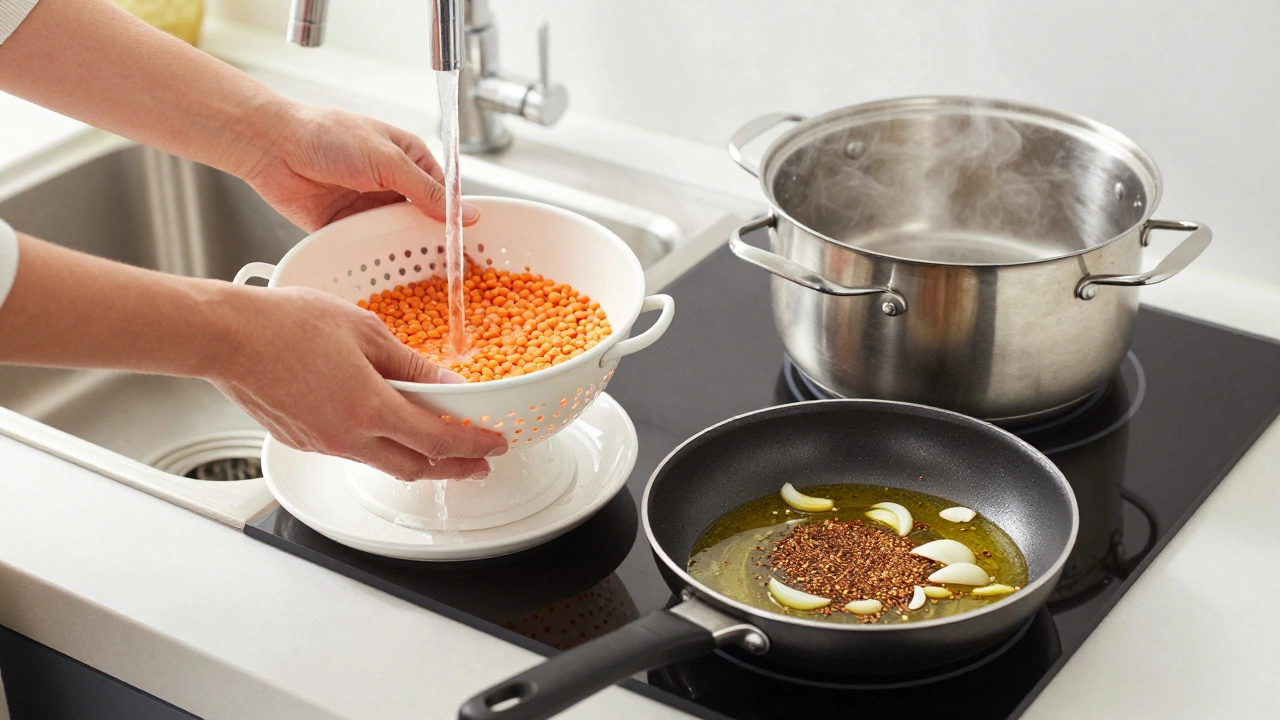
- Rinse the Lentils: Take 1 cup of Red Lentils and rinse them thoroughly under cold water until the water runs clear. This removes dust and helps them cook evenly.
- Boil: In a medium pot, add the rinsed lentils, 2.5 cups of water, ½ teaspoon of turmeric powder, and ½ teaspoon of salt. Bring to a boil, then reduce heat to low. Cover and simmer for 15-20 minutes until the lentils are soft and falling apart. Add more water if it gets too dry.
- Prepare the Tadka (Tempering): While the lentils cook, heat 1 tablespoon of oil or ghee in a small pan. Add 1 teaspoon of cumin seeds. Once they start to splutter, add 2 finely chopped garlic cloves and 1 small diced onion. Sauté until the onions turn golden brown.
- Add Spices: Add ½ teaspoon of red chili powder (adjust to taste) and a pinch of asafoetida (hing) if you have it. Hing aids digestion and adds a unique savory note. Cook for another minute until fragrant.
- Combine: Pour the tempering mixture into the boiled lentils. Stir well. Let it sit for 5 minutes to allow the flavors to meld.
- Serve: Garnish with fresh cilantro and a squeeze of lemon juice. Serve with steamed rice or warm roti (flatbread).
This recipe highlights the simplicity of dal. Unlike heavy curries that require hours of simmering, dal is fast, nutritious, and comforting. It’s packed with protein and fiber, making it an excellent choice for vegetarian diets. In the US, where processed foods dominate, introducing a whole-food dish like this can significantly improve dietary balance.
Cultural Context: Why Dal is More Than Just Food
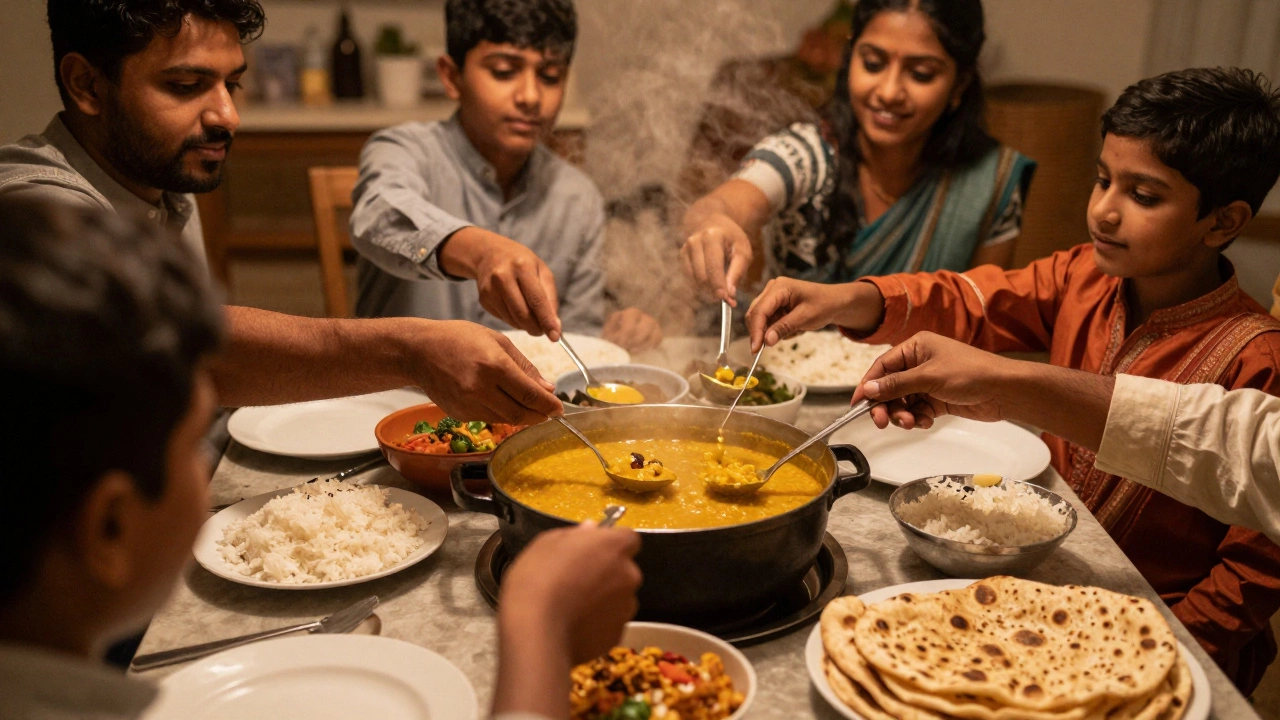
In India, dal is served with nearly every meal. It’s not considered a special occasion food; it’s everyday sustenance. This daily consumption has led to a deep appreciation for subtle variations in taste and texture. A mother might adjust the amount of turmeric or the type of oil used based on the season or her family’s health needs.
In contrast, American cuisine often treats legumes as a niche item. Lentil soup is popular in winter, but it’s not a daily staple. This difference explains why many Americans struggle to identify "dal" when they encounter it. They associate lentils with cold weather and hearty broths, not with warm, spiced, creamy accompaniments to rice. As Indian food gains popularity in the US, this perception is shifting. More restaurants are offering dal bhat (rice and dal) or dal makhani (buttery lentils), introducing Americans to the versatility of these ingredients.
Understanding this cultural background helps you appreciate the dish more deeply. When you eat dal, you’re participating in a tradition that spans centuries and billions of people. It’s a reminder that food is not just fuel; it’s history, culture, and community wrapped in a bowl.
Troubleshooting Common Issues
If you’re new to cooking dal, you might run into a few issues. Here’s how to fix them:
- Dal is too watery: Don’t worry. Simmer it uncovered for another 5-10 minutes to evaporate excess liquid. Alternatively, mash some of the lentils against the side of the pot to thicken it naturally.
- Dal is too thick: Simply add hot water or broth while stirring. Continue cooking for a few minutes to blend the flavors.
- Lentils didn’t soften: Older lentils take longer to cook. Soaking them for 30 minutes before boiling can help. Also, ensure you’re using enough water and keeping the heat consistent.
- Too spicy: Balance the heat with a dollop of yogurt or a squeeze of lemon juice. Sweetness also counteracts spice, so a tiny bit of sugar can work in a pinch.
- Bitter aftertaste: This usually comes from burnt onions or spices in the tadka. Ensure you sauté the aromatics on medium-low heat to avoid burning. Fresh spices also make a huge difference.
Experimentation is key. Every household has its own version of dal. Some add tomatoes, others add coconut milk. Feel free to adapt the recipe to your tastes. The beauty of dal lies in its flexibility.
Can I use canned lentils instead of dried?
Yes, you can use canned lentils for a quicker version. Rinse them thoroughly to remove the starchy liquid. Skip the boiling step and go straight to making the tadka. Mix the tempered spices with the canned lentils and simmer for 5-10 minutes to let the flavors absorb. Note that canned lentils may be softer and lack the rich texture of freshly boiled dal.
Is dal healthy for weight loss?
Absolutely. Dal is high in protein and fiber, which keep you full longer and stabilize blood sugar levels. It’s low in fat and calories, especially if you limit the amount of oil or ghee used in the tadka. Incorporating dal into your diet can support weight management goals effectively.
Why does my dal smell strong?
The strong smell often comes from asafoetida (hing) or certain spices like fenugreek. These are normal and part of the authentic flavor profile. If you dislike the smell, reduce the amount of hing or omit it entirely. Adding lemon juice or fresh herbs like cilantro can also freshen up the aroma.
What is the best dal for beginners?
Masoor Dal (Red Lentils) is the best for beginners. They cook quickly, don’t require soaking, and break down easily to create a smooth, creamy texture. They are forgiving if you overcook them slightly, unlike harder lentils like Chana Dal or Toor Dal.
How long does leftover dal last in the fridge?
Leftover dal can be stored in an airtight container in the refrigerator for up to 3-4 days. Reheat it gently on the stove, adding a splash of water if it has thickened too much. Dal often tastes better the next day as the flavors continue to develop.