Naan Nutrition & Calorie Calculator
Configure Your Meal
Select your bread type and click Calculate to see the nutritional breakdown.
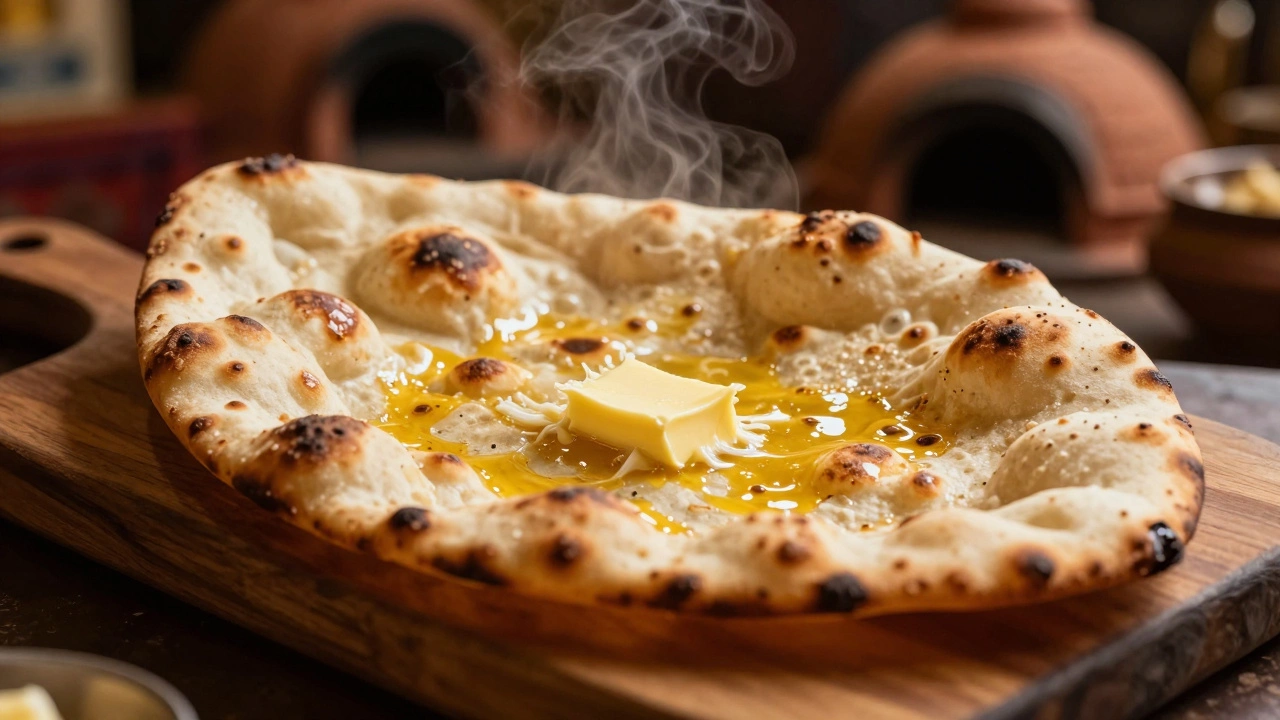
There is nothing quite like the first bite of a warm, buttery Naan is a leavened flatbread traditionally baked in a tandoor oven, known for its soft texture and slightly charred exterior. Often enjoyed with curries or as a vehicle for scooping up rich gravies, it has become a staple in Indian cuisine worldwide. from a clay tandoor. It’s fluffy, pillowy, and practically melts in your mouth. But if you are watching your waistline, managing blood sugar, or just trying to eat cleaner, that deliciousness comes with a question mark. Is naan actually healthy? Or is it just empty carbs wrapped in ghee?
The short answer is: standard restaurant-style naan is not a health food. It is calorie-dense, high in refined carbohydrates, and often loaded with added fats. However, that doesn’t mean you have to banish it forever. By understanding what goes into this bread and how it affects your body, you can make smarter choices-or even bake a healthier version at home.
The Nutritional Breakdown: What’s Really in Your Bread?
To figure out if naan fits into your diet, we need to look at the numbers. Most people underestimate how much energy is packed into one single piece of this bread. Unlike roti or chapati, which are usually made with just flour, water, salt, and oil, naan has a more complex ingredient list that changes its nutritional profile significantly.
A typical medium-sized plain naan (about 100 grams) contains roughly 300-350 calories. That is nearly equivalent to two slices of white bread plus a large handful of nuts, all in one small disc. Here is where those calories come from:
- Carbohydrates: About 45-50 grams. This is mostly refined white flour (maida), which spikes blood sugar quickly.
- Fat: 8-12 grams. This comes from the yogurt in the dough and, crucially, the butter or ghee brushed on top after baking.
- Protein: 7-9 grams. While this sounds decent, it is not a complete protein source and comes primarily from the gluten in the wheat.
- Fiber: Less than 2 grams. Refined flour strips away most of the fiber found in whole grains.
When you add toppings, the numbers skyrocket. A garlic naan adds another 50-100 calories depending on how much butter is used. Cheese naan can push the total over 500 calories per serving. If you are eating naan with a heavy curry, you are consuming a massive carbohydrate load alongside saturated fats, which can lead to sluggish digestion and energy crashes later in the day.
Refined Flour vs. Whole Wheat: The Core Issue
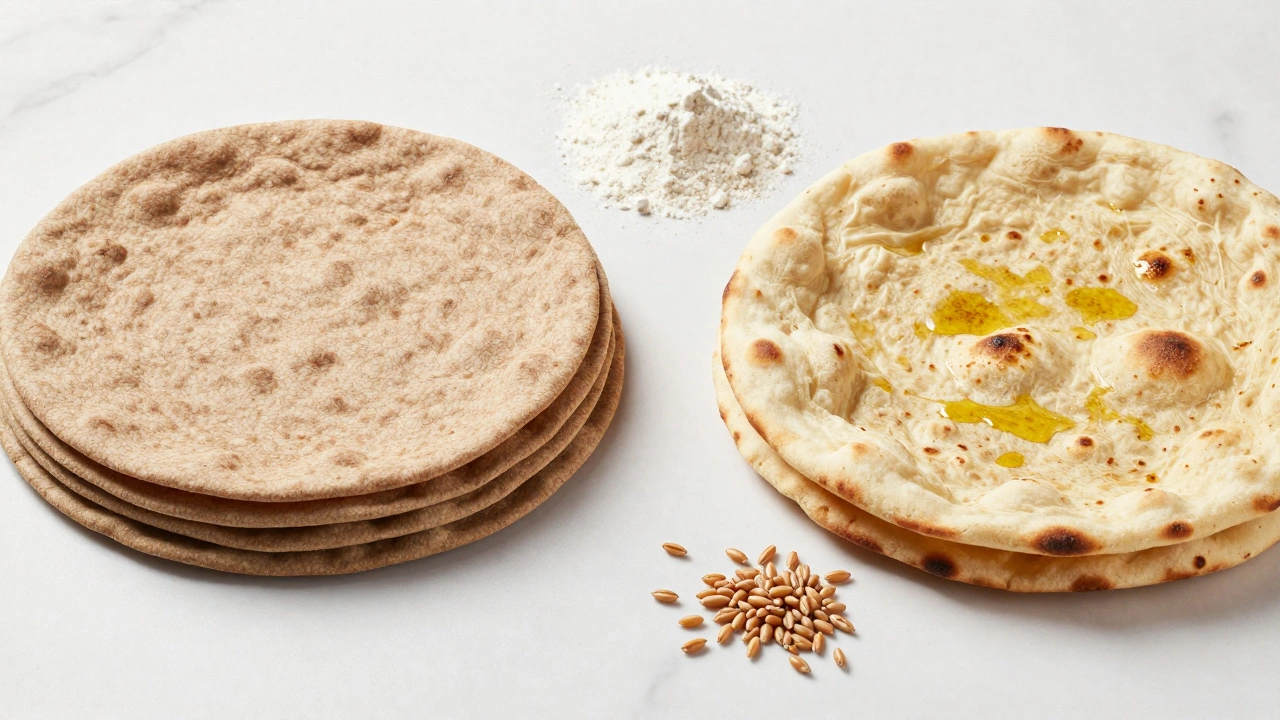
The biggest culprit in traditional naan is Maida is refined wheat flour commonly used in Indian baking, known for producing soft, elastic textures but lacking in fiber and nutrients compared to whole wheat. Maida is highly processed. During refining, the bran and germ of the wheat kernel are removed, leaving only the starchy endosperm. This process strips away essential vitamins, minerals, and dietary fiber.
Because maida lacks fiber, your body digests it rapidly. This causes a sharp spike in blood glucose levels. For anyone with insulin resistance, prediabetes, or type 2 diabetes, regular consumption of maida-based naan can be problematic. It contributes to inflammation and makes it harder to maintain stable energy levels throughout the day.
Whole wheat naan exists, and yes, it is a better option. It retains the bran and germ, offering more fiber, magnesium, and B vitamins. However, many restaurants still use a blend of maida and whole wheat to keep the texture soft. Pure whole wheat naan tends to be denser and less airy. If you order "whole wheat" at a restaurant, ask if it’s 100% whole grain or a mix. At home, you can control this entirely by using 100% whole wheat atta instead of maida.
The Hidden Calorie Trap: Butter, Ghee, and Yogurt
Even if you switch to whole wheat, the preparation method matters just as much. Traditional naan relies on fat for its signature softness and flavor. The dough itself usually contains yogurt or milk, which adds some fat and acidity. But the real calorie bomb happens after the bread comes out of the oven.
Chefs brush hot naan generously with melted butter, ghee, or sometimes even vegetable oil. This step is non-negotiable in traditional cooking because it prevents the bread from drying out and adds that irresistible aroma. But nutritionally, it transforms a moderate-carb food into a high-fat, high-calorie treat.
Consider this comparison:
| Bread Type | Calories | Carbs (g) | Fat (g) | Fiber (g) |
|---|---|---|---|---|
| Plain Roti (Whole Wheat) | ~120 | 22 | 2 | 3 |
| Standard Naan (White Flour + Butter) | ~320 | 48 | 10 | 1.5 |
| Garlic Naan | ~400 | 45 | 18 | 1 |
| Puri (Deep Fried) | ~260 | 28 | 14 | 2 |
As you can see, a simple roti is far superior for weight management and blood sugar control. It has less than half the calories and significantly more fiber. If you are aiming for a balanced meal, swapping naan for roti is one of the easiest wins you can make.
Can You Make Naan Healthier at Home?
If you cannot live without naan, don’t despair. Making it at home gives you complete control over the ingredients. You can transform it from a junk-food-level carb bomb into a reasonably nutritious side dish. Here are three practical swaps that make a huge difference.
1. Use High-Protein Flours
Instead of pure maida, try blending whole wheat flour with chickpea flour (besan) or soy flour. Chickpea flour adds plant-based protein and fiber, which slows down digestion and keeps you fuller longer. A ratio of 70% whole wheat to 30% chickpea flour works well and maintains a pleasant texture.
2. Reduce the Fat
Skip the butter brushing entirely. Instead, lightly spray the cooked naan with olive oil or use a silicone brush to apply a minimal amount of ghee. You can also add spices like cumin, coriander, or dried herbs directly to the dough for flavor without needing extra fat.
3. Add Vegetables
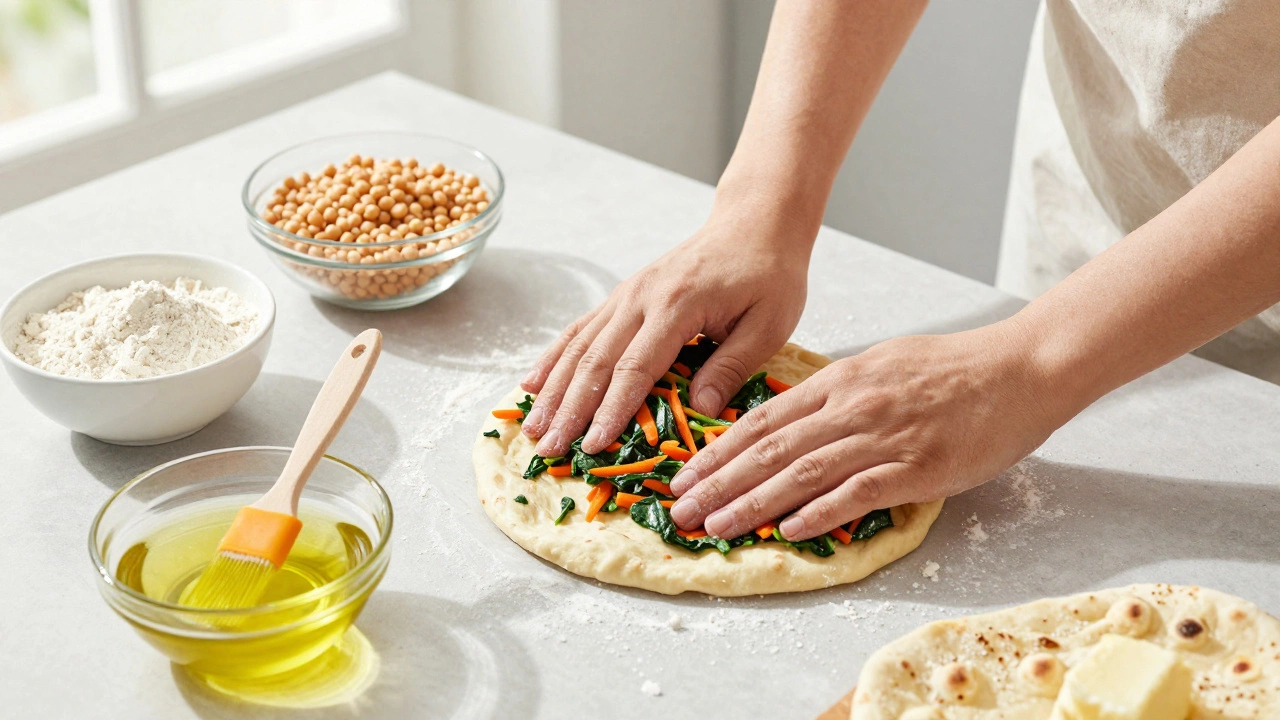
Finely grated zucchini, carrots, or spinach can be mixed into the dough. Not only does this boost the vitamin content, but the moisture from the vegetables helps keep the bread soft without adding butter. Just ensure you squeeze out excess water from veggies like zucchini before mixing them in, or the dough will become too sticky.
Who Should Avoid Naan?
While occasional indulgence is fine for most people, certain groups should be cautious with naan consumption due to its high glycemic index and calorie density.
- Diabetics: The rapid spike in blood sugar caused by refined flour makes naan a poor choice for daily meals. Opt for low-glycemic options like millet roti or ragi dosa instead.
- Weight Loss Seekers: One naan can equal an entire meal’s worth of calories. If you are tracking macros, it is easy to overshoot your daily limit with just one piece.
- Celiac Disease Patients: Traditional naan contains wheat gluten. Even if it looks simple, cross-contamination in shared kitchens is common. Always seek certified gluten-free alternatives made from rice or almond flour.
- Lactose Intolerant Individuals: Many naan recipes use yogurt or milk in the dough, and butter on top. This can trigger digestive discomfort. Look for vegan versions made with plant-based yogurts.
Pairing Matters: How to Balance the Meal
If you do decide to enjoy naan, context is everything. Eating a plain naan with a heavy, creamy paneer butter masala creates a double hit of saturated fat and refined carbs. This combination leads to poor satiety and potential weight gain over time.
To balance the meal, pair your naan with nutrient-dense sides. Think leafy green salads, steamed broccoli, or a bowl of dal (lentils). The fiber and protein from these foods help slow down the absorption of sugars from the bread. Also, consider portion control. Instead of eating a full large naan, tear off a quarter or half and fill the rest of your plate with vegetables and lean protein like grilled chicken or tofu.
Remember, no single food determines your health. It is about consistency and overall patterns. Enjoying naan once a week as a treat is vastly different from eating it every night. Listen to your body-if you feel bloated or sluggish after eating it, it might be a sign to switch back to simpler, lighter breads.
Is naan worse for you than pizza?
It depends on the toppings, but generally, naan is less processed than a typical fast-food pizza crust. However, a large cheese naan can have similar calories and fat content to a slice of deep-dish pizza. Both are high in refined carbs and sodium. Homemade naan with whole wheat flour is definitely healthier than most commercial pizzas.
Can I eat naan if I am diabetic?
You can eat naan occasionally, but it is not recommended for daily consumption. The refined flour causes rapid blood sugar spikes. If you choose to eat it, opt for whole wheat naan, keep the portion small (half a piece), and always pair it with high-fiber vegetables and protein to mitigate the glycemic impact.
What is the healthiest type of naan?
The healthiest naan is one made with 100% whole wheat flour, minimal added fat (no butter brushing), and perhaps enriched with seeds like flax or chia. Plain naan is healthier than garlic or cheese varieties because it lacks the extra saturated fats and sodium associated with those toppings.
How many calories are in a garlic naan?
A standard garlic naan typically contains between 350 and 450 calories. The extra calories come from the minced garlic, fresh herbs, and the generous amount of butter or ghee used to brush the bread after baking. Restaurant portions can vary significantly, so it is wise to assume the higher end of this range.
Is homemade naan healthier than store-bought?
Yes, homemade naan is almost always healthier. When you make it yourself, you control the quality of flour, the amount of yeast, and critically, the quantity of fat used. Store-bought or restaurant naan often uses preservatives and excessive butter to enhance shelf life and flavor, increasing the calorie count unnecessarily.