Indian Dinner Plate Builder
Select a region below to discover what a typical family dinner looks like on their table.
North India
Punjab, Rajasthan, UP
South India
Kerala, Tamil Nadu
East India
West Bengal
West India
Maharashtra, Gujarat
Region Title
Typical Dinner Components
Dinner Context
Description goes here...
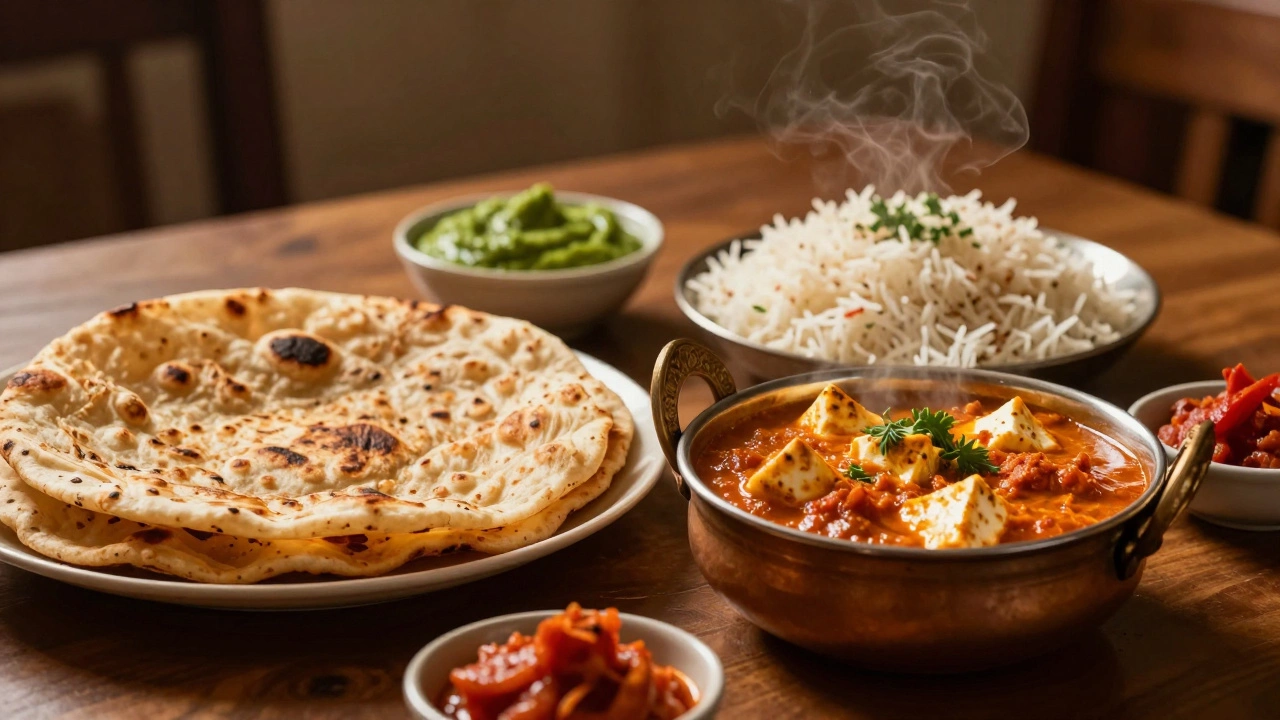
Picture this: it’s 8 PM in a household in Mumbai. The air smells of toasted cumin and simmering lentils. On the table sits a bowl of yellow Dal Tadka, a comforting lentil dish tempered with spices, a mound of white rice, and a side of crisp papadums. Now shift your focus to a home in Kerala. Here, the evening meal might feature steamed rice topped with a coconut-based fish curry and a green leafy vegetable stir-fry. And in Punjab? You’re likely looking at buttery naan bread and rich paneer tikka masala.
If you’ve ever wondered what most Indians actually eat for dinner, the short answer is: it depends entirely on where they live. India isn’t a monolith when it comes to food. With over 1.4 billion people and eight major linguistic regions, there is no single "national" dinner. However, there are patterns. Across the country, dinner is usually the main meal of the day, eaten between 7 PM and 9 PM, and it almost always revolves around three core components: a grain (rice or wheat), a protein source (lentils, vegetables, or meat), and a condiment (chutney, pickle, or yogurt).
The Great Divide: Rice vs. Wheat
To understand Indian dinners, you first need to understand the geography of grains. This is the biggest divider in Indian cuisine. Generally speaking, Northern India eats wheat, while Southern India eats rice. Eastern and Western India often mix both, depending on the specific state and season.
In the North-states like Punjab, Haryana, Uttar Pradesh, and Rajasthan-wheat is king. The staple is Roti, unleavened whole wheat flatbread. You’ll see families tearing pieces of warm roti to scoop up thick curries. In cities, you might find Naan, leavened bread baked in a tandoor oven, but at home, simple roti is the daily driver. It’s cheap, healthy, and pairs perfectly with the heavy, spice-forward gravies typical of the region.
Down South-in Tamil Nadu, Kerala, Karnataka, and Andhra Pradesh-the climate supports lush paddy fields, making rice the undisputed star. Dinner here is rarely just "curry." It’s a composed plate. You have a base of steamed rice, then you layer on different elements: a dal (lentil soup), a vegetable fry, a fish or chicken curry, and perhaps some raw onion slices or lime. The texture contrast is key. The soft rice meets the crunchy vegetables and the liquid curry.
| Feature | Northern India | Southern India |
|---|---|---|
| Primary Grain | Wheat (Roti/Chapati) | Rice (Steamed) |
| Common Protein | Lentils (Dal), Paneer, Chicken | Lentils, Fish, Chickpeas |
| Flavor Profile | Creamy, tomato-based, ghee-rich | Tangy, coconut-based, mustard-seeded |
| Typical Side | Pickle (Achar), Raita | Sambar, Rasam, Papadum |
The Daily Plate: What’s Actually on the Table?
Let’s break down the actual components of a typical Indian dinner. While menus vary, the structure remains surprisingly consistent across households.
- The Base: As mentioned, this is either Roti or Rice. In many homes, especially in the West (like Gujarat or Maharashtra), you might see both served together. A person might take one roti and a small portion of rice.
- The Dal (Lentils): This is the heart of the Indian vegetarian diet. Almost every Indian household cooks dal daily. It’s not just soup; it’s a thick, nutritious stew made from split pigeon peas (Toor Dal) or red lentils (Masoor Dal). It’s boiled until mushy, then "tempered" with hot oil, mustard seeds, cumin, and dried chilies. This adds depth and aroma.
- The Sabzi (Vegetable Curry): Every dinner needs a vegetable component. This could be spinach (Palak), cauliflower (Gobi), potatoes (Aloo), or seasonal greens. In the North, these are often cooked in an onion-tomato gravy. In the South, they might be dry-roasted with peanuts and curry leaves.
- The Condiments: No Indian meal is complete without something tangy or spicy to cut through the richness. This includes Raita, yogurt mixed with cucumber or boondi, pickles (mango or lime), or chutneys (mint or tamarind).
For non-vegetarian households, the sabzi might be replaced or accompanied by chicken, mutton, or fish. But even then, dal and rice/roti remain present. Meat is often treated as a special addition rather than the sole centerpiece, except in coastal areas where fish is a daily staple.
Regional Deep Dive: Five Typical Dinners
To give you a real sense of variety, let’s look at five distinct dinner scenarios from different parts of India.
1. The Punjabi Feast (North)
In Punjab, food is hearty and generous. A common dinner might include Butter Chicken, chicken cooked in a creamy tomato sauce or Paneer Butter Masala, cottage cheese in a rich tomato gravy. This is served with fluffy Basmati rice and garlic Naan. The flavors are sweet, savory, and rich, thanks to the use of cream and butter (ghee). It’s comfort food at its peak.
2. The Bengali Thali (East)
In West Bengal, dinner is an art form. They love fish, particularly river fish like Rohu or Katla, cooked in a mustard seed paste called Macher Jhol. Alongside the fish, you’ll find a sweet potato curry, a bitter gourd stir-fry, and plain white rice. The standout here is the balance of flavors: the heat of the mustard, the sweetness of the potatoes, and the bitterness of the greens. They also serve a dessert-like sweet pickle to finish the meal.
3. The Maharashtrian Mix (West)
Maharashtra has a unique blend. A typical dinner might feature Varan Bhaat, dal and rice served together. The dal is thin and soupy, poured over the rice. It’s accompanied by a dry vegetable fry (bhaji) and a spicy pickle. If it’s a festive day, you might get Puran Poli, sweet flatbread stuffed with lentil jaggery filling, but for everyday dinners, simplicity rules. The use of kokum (a sour fruit) gives their dishes a distinctive tang.
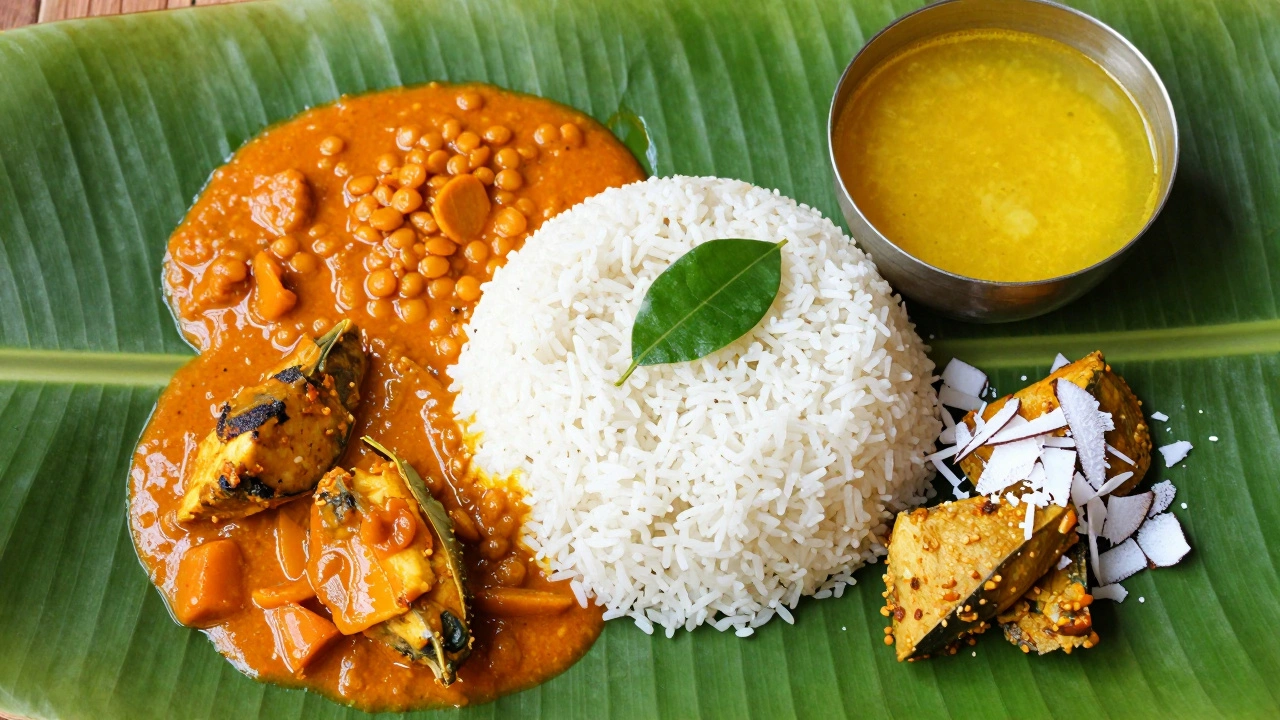
4. The Keralan Sadya Style (South)
In Kerala, dinner is often served on a banana leaf, even at home. The spread includes steamed rice, Sambar, a lentil and vegetable stew flavored with tamarind, Rasam, a thin, peppery soup, and a fish curry made with coconut milk. They also eat lots of coconut in various forms-grated, milk, or oil. The food is less about heavy gravies and more about fresh, aromatic spices like curry leaves and fenugreek.
5. The Gujarati Tiffin (West)
Gujarat is known for its vegetarian diversity. Dinner here might include Undhiyu, a mixed vegetable dish cooked upside down or simply a mix of kadhi (yogurt-based curry) and rice. A key feature is the inclusion of jaggery (unrefined sugar) in savory dishes, creating a sweet-savory profile that is unique to the region. They also consume large amounts of dairy, so curd (yogurt) is always present.
The Rise of the "Modern" Indian Dinner
It’s important to note that urban India is changing. In metro cities like Bangalore, Delhi, and Mumbai, the traditional thali is competing with convenience. Many young professionals order from apps like Swiggy or Zomato. You’ll see a rise in "fusion" dinners: pizza with paneer toppings, burgers with chutney, or even quinoa bowls with Indian spices.
Health consciousness is also shifting plates. There’s a growing trend toward lighter dinners. Instead of heavy rice and dal, some families opt for grilled chicken with salad, or millets (like ragi or jowar) instead of refined wheat. Millets were declared the "International Year of Millets" in 2023, and this has sparked a revival of these ancient grains in modern kitchens.
Also, the timing of dinner is shifting. Traditionally, Indians ate early, finishing by 8 PM. Now, with late work hours, many eat between 9 PM and 10 PM. This has led to a preference for lighter foods later in the evening to aid digestion.
How to Cook a Simple Indian Dinner at Home
If you want to try cooking a typical Indian dinner, start with the basics. You don’t need exotic ingredients. Here’s a simple framework for a North Indian-style dinner that takes under 45 minutes.
Ingredients Needed:
- 1 cup Toor Dal (split pigeon peas)
- 2 cups water
- 1 tsp turmeric powder
- 1 tbsp ghee or oil
- 1 tsp cumin seeds
- 2 cloves garlic, minced
- 1 medium onion, chopped
- 1 tomato, chopped
- Salt to taste
- Fresh cilantro for garnish
- Roti or Rice (for serving)
Steps:
- Boil the Dal: Wash the dal thoroughly. In a pot, combine dal, water, turmeric, and salt. Bring to a boil, then simmer for 20-25 minutes until the dal is soft and mushy. Mash it slightly with a spoon.
- Temper the Spices (Tadka): In a small pan, heat ghee. Add cumin seeds and let them sizzle. Add garlic and cook for 30 seconds. Add onions and cook until golden. Add tomatoes and cook until soft.
- Combine: Pour the tempered spice mixture into the boiled dal. Stir well. Simmer for 5 minutes.
- Serve: Garnish with cilantro. Serve hot with warm roti or steamed rice. Add a side of yogurt or pickle if available.
This simple dish, Dal Tadka, is eaten by millions of Indians every night. It’s nutritious, cheap, and deeply satisfying. It proves that Indian food doesn’t have to be complicated to be delicious.
Why Dinner Matters in Indian Culture
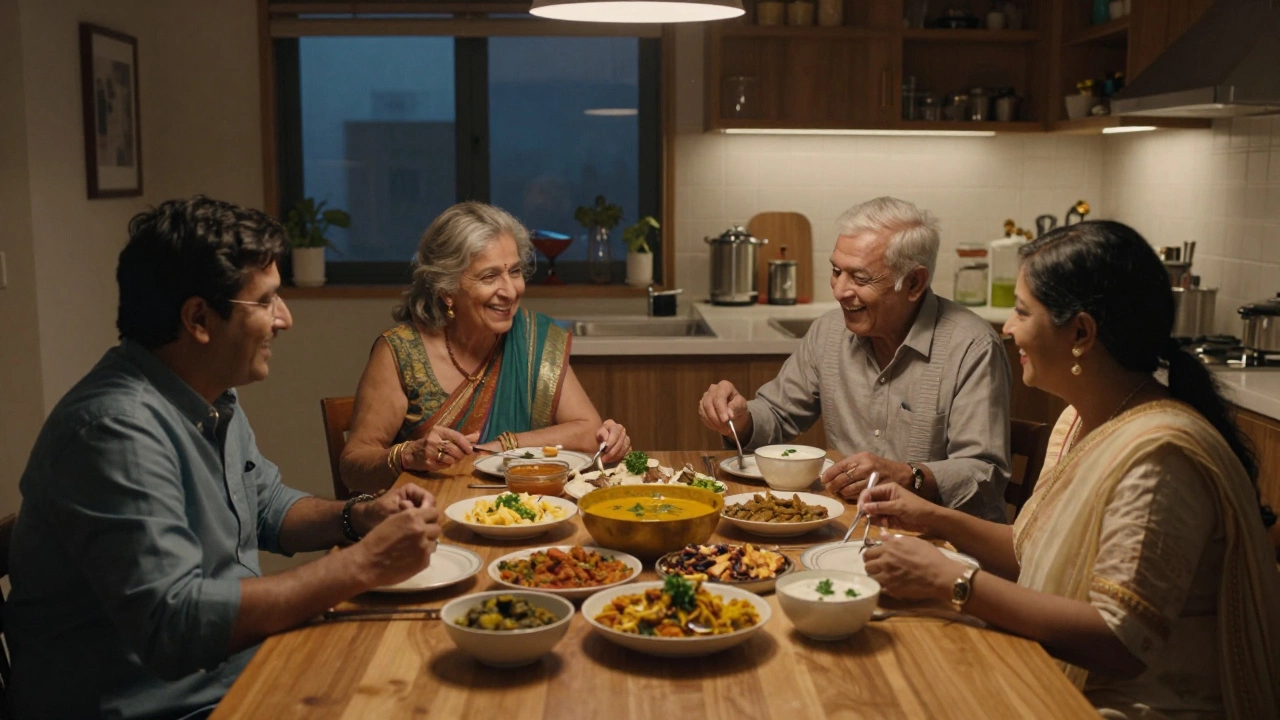
Dinner in India is rarely a solo activity. It’s a family gathering time. After a long day, everyone sits together, often sharing food from communal plates (though individual plates are becoming more common in urban areas). Conversation flows freely. Decisions are made. Stories are shared. The act of eating together strengthens family bonds.
There’s also a spiritual aspect. Many Hindu families say a prayer before eating, thanking the gods for the food. Food is seen as a gift, not just fuel. This mindset encourages mindful eating and gratitude.
Furthermore, dinner is a way to preserve tradition. Grandmothers teach granddaughters how to temper spices. Fathers show sons how to knead dough for roti. These skills are passed down orally, keeping the culinary heritage alive. Even as diets change, the ritual remains.
Is Indian food always spicy?
Not necessarily. While Indian cuisine uses spices, "spicy" often refers to heat from chili peppers. Many everyday Indian dinners are mild and flavorful, relying on herbs like coriander, cumin, and turmeric rather than extreme heat. You can easily adjust the level of spice to your preference. For example, a basic dal tadka can be made with no chili at all, just cumin and garlic.
What do vegetarians in India eat for dinner?
India has the largest population of vegetarians in the world. Their dinners are rich in plant-based proteins. Common staples include lentils (dal), chickpeas (chana), black beans (rajma), and cottage cheese (paneer). Vegetable curries made with seasonal produce like cauliflower, potatoes, spinach, and okra are also central. These dishes are often cooked in tomato-onion gravies or coconut-based sauces to add moisture and flavor.
Do Indians eat breakfast, lunch, and dinner?
Yes, most Indians eat three meals a day. Breakfast is often light (parathas, idli, or poha). Lunch is typically the heaviest meal of the day, featuring a full thali with multiple components. Dinner is substantial but may be slightly lighter than lunch, especially in hotter climates. However, in colder northern regions, dinner can be just as heavy as lunch.
Can I eat Indian food with my hands?
Yes, eating with the right hand is traditional in many parts of India, especially for meals involving roti or rice. It enhances the sensory experience and helps control the temperature of the food. However, utensils (spoons and forks) are widely used, particularly in urban settings and among younger generations. If you’re unsure, follow the lead of your hosts.
What is the difference between Sambar and Rasam?
Both are South Indian soups, but they differ in texture and ingredients. Sambar is thicker, made with lentils, vegetables, and tamarind, giving it a hearty, tangy flavor. Rasam is thinner, clearer, and more acidic, made primarily with tamarind water, tomatoes, and pepper. Rasam is often consumed as a digestive aid after the main meal, while sambar is a primary accompaniment to rice.