Chutney Recipes: Authentic Flavors, Simple Fixes, and Global Twists
When you think of chutney, a flavorful Indian condiment made from fruits, vegetables, spices, and vinegar or yogurt. Also known as tamarind paste blend or spiced relish, it’s the zesty sidekick that turns plain rice, dosa, or sandwich into something unforgettable. But chutney isn’t just one thing—it changes shape depending on where you are. In India, it’s fresh, green, and sharp from cilantro and mint. In Britain, it’s slow-cooked, sweet, and packed with apples and raisins. In the U.S., people might call it relish or salsa, but the spirit is the same: bold, tangy, and meant to wake up your plate.
That’s why chutney recipes aren’t just about following a list of ingredients—they’re about understanding what makes each version work. If your chutney turns out too runny, it’s not a failed batch—it’s a chance to learn what thickening agents actually do. Coconut, roasted gram flour, or even a splash of lemon juice can change the texture without killing the flavor. And if you’re trying to swap chutney for something in your American pantry, you’re not wrong to reach for salsa or relish—they’re cousins, not strangers. British chutney, on the other hand, isn’t just a sweet pickle; it’s a centuries-old tradition of preserving harvests with sugar, vinegar, and a pinch of spice. These aren’t random variations—they’re cultural adaptations, each rooted in history, climate, and taste.
What you’ll find below isn’t a random list of recipes. It’s a curated look at the real questions people ask: Why does my chutney separate? What do Brits put on their cheese platters? Is there a true American version? We’ve got fixes for texture, breakdowns of flavor profiles, and even why the same jar might be called three different things across continents. No fluff. No theory. Just clear, practical insights from kitchens that use chutney every day—whether it’s beside a samosa, on a burger, or with a block of sharp cheddar.
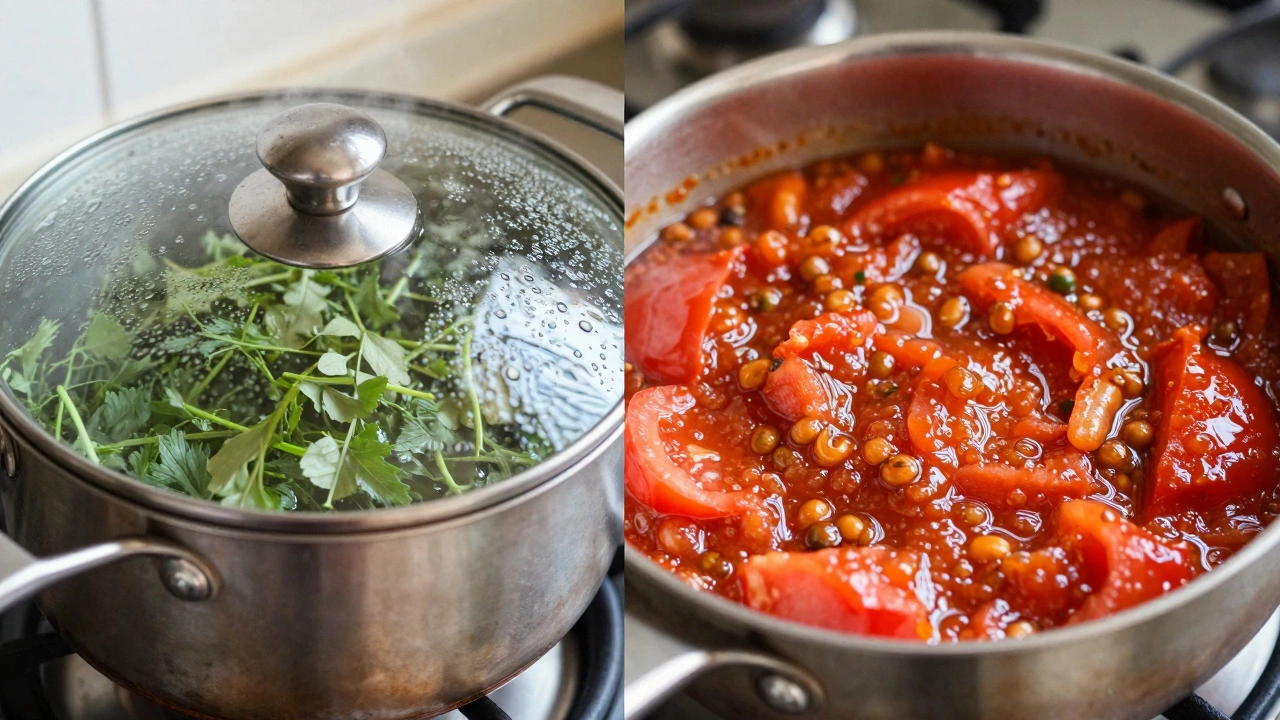
Do You Cook Chutney Covered or Uncovered? The Definitive Guide to Texture and Flavor
Learn whether to cook chutney covered or uncovered to achieve perfect texture and color. Discover techniques for green, tomato, and fruit chutneys to avoid common mistakes.
Read More
What Do Indians Use Chutney For? A Complete Guide to Indian Condiments
Discover the essential roles of chutney in Indian cuisine, from balancing flavors in street food to aiding digestion. Learn regional variations, storage tips, and creative modern uses.
Read More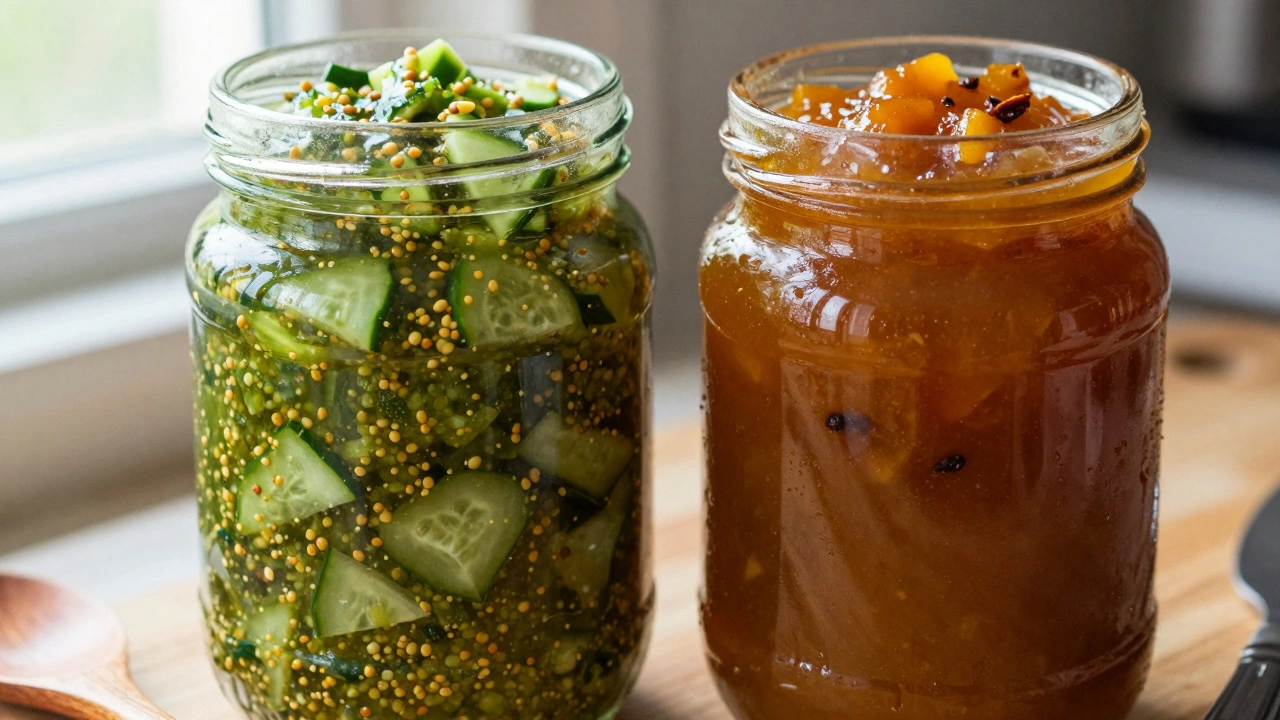
Is Pickle Relish a Chutney? The Real Difference Between Them
Pickle relish and chutney look similar but are worlds apart in flavor, texture, and origin. Learn the real differences and why chutney belongs in your kitchen-not just on the shelf.
Read More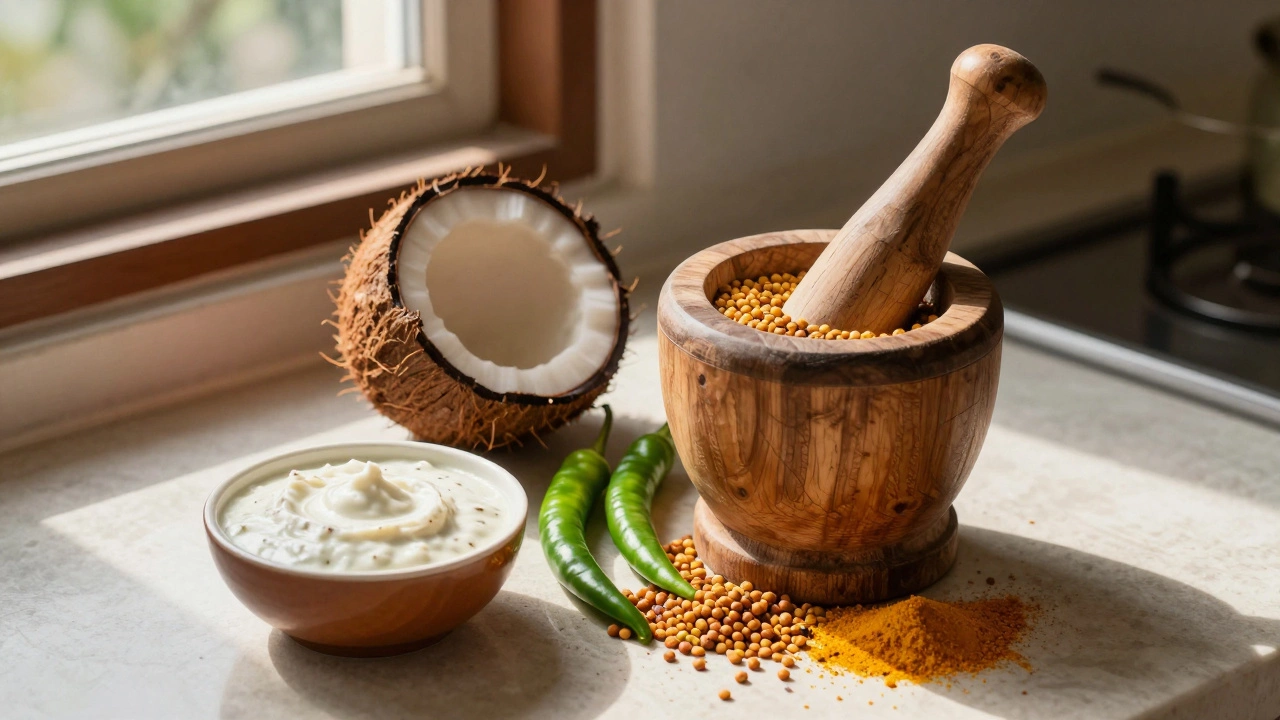
What Is Another Name for Chutney? Common Alternatives and Regional Variants
Chutney has no exact English equivalent, but it's closest to a spiced fruit relish or savory jam. Learn its regional names, substitutes, and why it stands apart from salsa, jam, or relish.
Read More
Best Thickening Agents for Chutney: Simple Ways to Fix Runny Chutney
Discover what a thickening agent for chutney is, why chutney sometimes gets runny, and the best methods and ingredients for thicker, richer chutney at home.
Read More
Chutney in America: What Do They Really Call It?
Curious about what chutney is called in America? You’ll find that while chutney has deep Indian roots, Americans use the term differently and sometimes swap it for other names like relish or salsa. This article untangles the naming confusion, explores the differences, and offers tips for using and making chutney in an American kitchen. Simple comparisons and real kitchen hacks included. Perfect for anyone who loves flavor-packed condiments.
Read More
British Chutney: How Did It Get So Popular and What Makes It Unique?
Curious about the tangy jars on British tables? British chutney is a sweet, sour, and spicy condiment made by simmering fruit and vegetables with sugar and vinegar. It boasts bold flavors but is surprisingly easy to make at home. This article breaks down what truly sets British chutney apart, its interesting history, and helpful tips to make your own tasty batch. We’ll also look at classic pairings and answer some quick questions you may have about this staple of UK cuisine.
Read More
American Equivalent of Chutney: Where the Flavors Meet
Ever wondered what Americans use instead of chutney? This article breaks down which condiments and sauces in the United States come close to the sweet, tangy kick of classic chutney. From relishes to salsas, you'll get to know not just their tastes but also how to use them. Find tips for swapping, pairing, and making your own. It's not just about swapping jars—it's about transforming meals.
Read More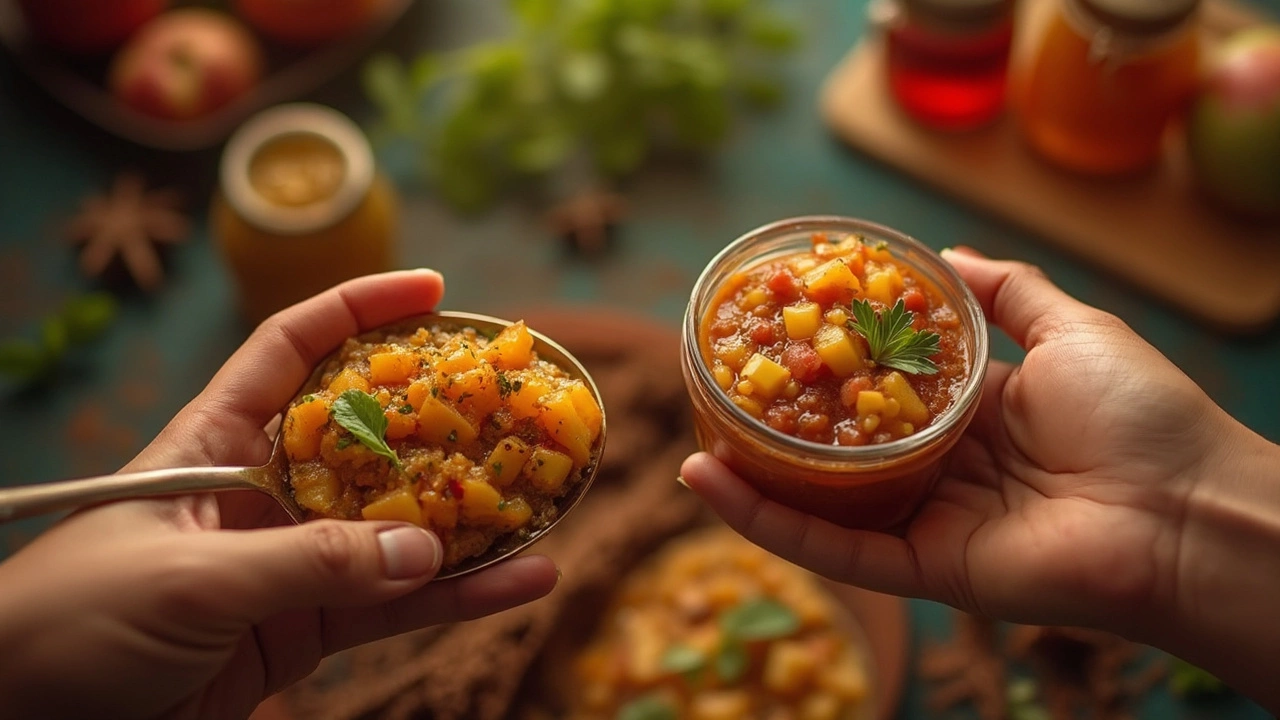
English Chutney: What Sets It Apart?
Ever wondered why English chutney tastes so different from Indian chutney? This article breaks down the story, the key ingredients, and how it became a British classic. If you're curious about how to make or use English chutney, here’s everything you need. Expect surprising facts, smart prep tips, and ideas for enjoying this tangy-sweet spread. Get ready to add some zing to your snack game.
Read More
What is Chutney to English Cooks?
Let's dig into the heart of chutney and why it’s found such a cherished spot in English kitchens. This tangy condiment has an intriguing journey from Indian origins to being a staple in UK homes. We’ll explore how English cooks have embraced and adapted chutney to suit their tastes and preferences. You’ll discover a few handy tips on making your own chutney, and ways to enjoy it with your meals. Whether you're a chutney enthusiast or just curious, we'll uncover some flavorful insights.
Read More
The Most Common Chutney: A Tasty Guide
Chutney, the versatile condiment that elevates Indian cuisine, has a clear favorite: the classic coriander chutney. This chutney's vibrant green color and fresh flavors make it a staple in homes and restaurants alike. From dosas to sandwiches, it brings a zesty touch to many dishes. Crafting your own batch can be easy with a few key ingredients and tips. Dive into the essential world of chutney with insights and tricks to nail the perfect blend.
Read More
Understanding the Unique Flavors of Chutney vs Relish
Chutneys and relishes both serve as delightful condiments, enhancing meals with their unique flavors. Chutneys often possess a more complex flavor profile, derived from a blend of fruits, spices, and occasionally, a tangy kick. Relishes, however, are typically more straightforward, featuring chopped vegetables, often with vinegar or pickling spices. This article dives into the ingredients, preparation, and the cultural significance of each, helping culinary enthusiasts leverage their unique characteristics in recipes.
Read More