Roti Puffing Problem Checker
Identify Your Roti Issue
Select the symptom you're experiencing to get targeted solutions
Your Solution
Select a symptom to see your solution
Quick Checklist
- Rest dough for 30 minutes
- Heat tawa until water droplets dance
- Roll to 1–2 mm thickness
- Use fresh, high-gluten atta
- Use just enough water—dough should be soft but not sticky
- Flip once, press gently
- Hold over flame for 5 seconds if needed
You knead the dough, roll it out thin, and place it on the hot tawa-only to watch it sit there, flat and stubborn. No puff. No rise. No that satisfying balloon of warm, soft roti you were hoping for. It’s frustrating, especially when you’ve followed every recipe and still end up with disk-shaped bread instead of fluffy rounds. The good news? Roti not puffing up isn’t random. It’s almost always caused by one of seven simple, fixable issues.
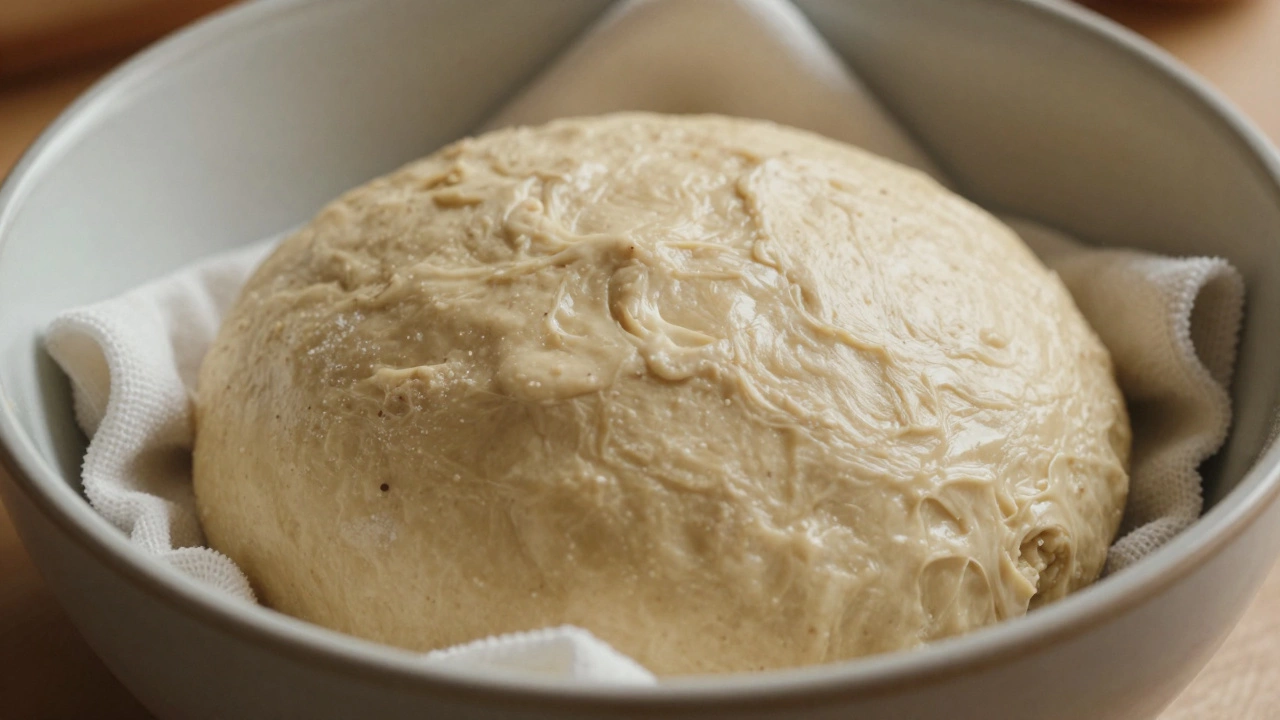
Your Dough Isn’t Rested Enough
Dough needs time to relax. If you roll out rotis right after mixing, the gluten is still tight and springy. When heat hits it, that tension doesn’t release evenly-so the roti doesn’t puff. It just spreads out flat.
Let your dough rest for at least 30 minutes after kneading. Cover it with a damp cloth or plastic wrap. If you’re in a hurry, 15 minutes might work, but 30 is the sweet spot. You’ll notice the dough feels softer, more pliable. That’s the gluten relaxing. When you roll it out, it won’t snap back. And when it hits the heat? It’ll puff like it’s supposed to.
The Tawa Isn’t Hot Enough
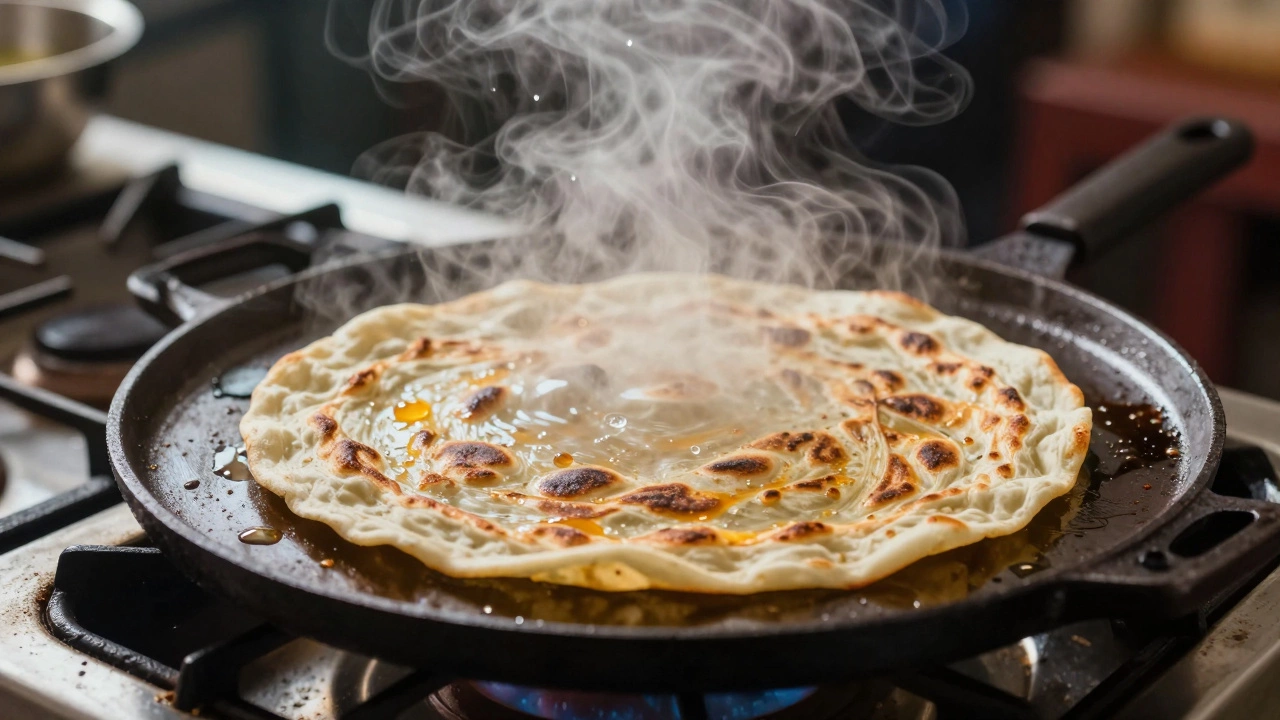
A cold or lukewarm tawa is the number one killer of puffing roti. Heat needs to hit the dough fast and hard to turn the water inside into steam. That steam is what pushes the roti up into a balloon.
Test your tawa before you start. Sprinkle a few drops of water on it. If they dance and evaporate in under 2 seconds, you’re good. If they just sit there and slowly boil? Keep heating. Use medium-high heat. Don’t rush. Let the tawa get properly hot-this takes 5 to 7 minutes on a gas stove. If you’re using an electric stove, give it even longer. A properly heated tawa makes all the difference.
You’re Rolling Too Thin or Too Thick
There’s a Goldilocks zone for roti thickness. Too thick? The center stays doughy and won’t cook through fast enough to create steam pressure. Too thin? The dough dries out before steam can build up, and it just crisps instead of puffing.
Roll your roti to about 6-7 inches wide and 1-2 mm thick. Think of it like a thin pancake, not a cracker. Use a rolling pin with even pressure. Don’t press down too hard on the edges-leave them slightly thicker than the center. That helps trap steam inside. If you’re rolling by hand, use a little dry flour to prevent sticking, but don’t overdo it. Too much flour dries out the surface and blocks puffing.
The Dough Has Too Much or Too Little Water
Water content is everything. If your dough is too dry, there’s not enough moisture to turn into steam. If it’s too wet, it sticks, tears, and can’t hold its shape under heat.
For 2 cups of whole wheat atta, use about 3/4 cup of water. Start with less-add water a tablespoon at a time. The dough should feel soft but not sticky. When you press it with your finger, it should spring back slightly. If it stays indented, it’s too wet. If it cracks when you roll it, it’s too dry. Adjust before you rest it. You can’t fix bad hydration after the fact.
You’re Flipping Too Soon or Too Often
Once you place the roti on the tawa, don’t touch it for at least 20-30 seconds. Let one side cook undisturbed. You’ll see bubbles forming-that’s steam building. When the bottom turns light brown and the top looks dry, flip it once. Then, press gently with a spatula or cloth on the spots that aren’t puffing. That’s all you need.
Flipping too early? You break the steam seal. Flipping too often? You lose heat and mess with the puffing process. One flip. One press. That’s all. If it still doesn’t puff after flipping, hold it over an open flame for 5-10 seconds. The direct heat triggers the final rise.
Your Atta Is Old or Low Quality
Not all atta is created equal. If your whole wheat flour is old, stale, or low in gluten, it won’t trap steam properly. Gluten is the network that holds the air inside the dough. No gluten? No puff.
Check the expiration date on your atta. If it’s been sitting for over 6 months, it’s probably lost its elasticity. Buy fresh, stone-ground atta labeled for roti or chapati. Look for brands that say “high gluten” or “ideal for Indian bread.” If you’re using a generic flour blend, try mixing in 1-2 tablespoons of all-purpose flour per cup of atta. It adds structure without changing the taste.
You’re Not Using Enough Pressure When Cooking
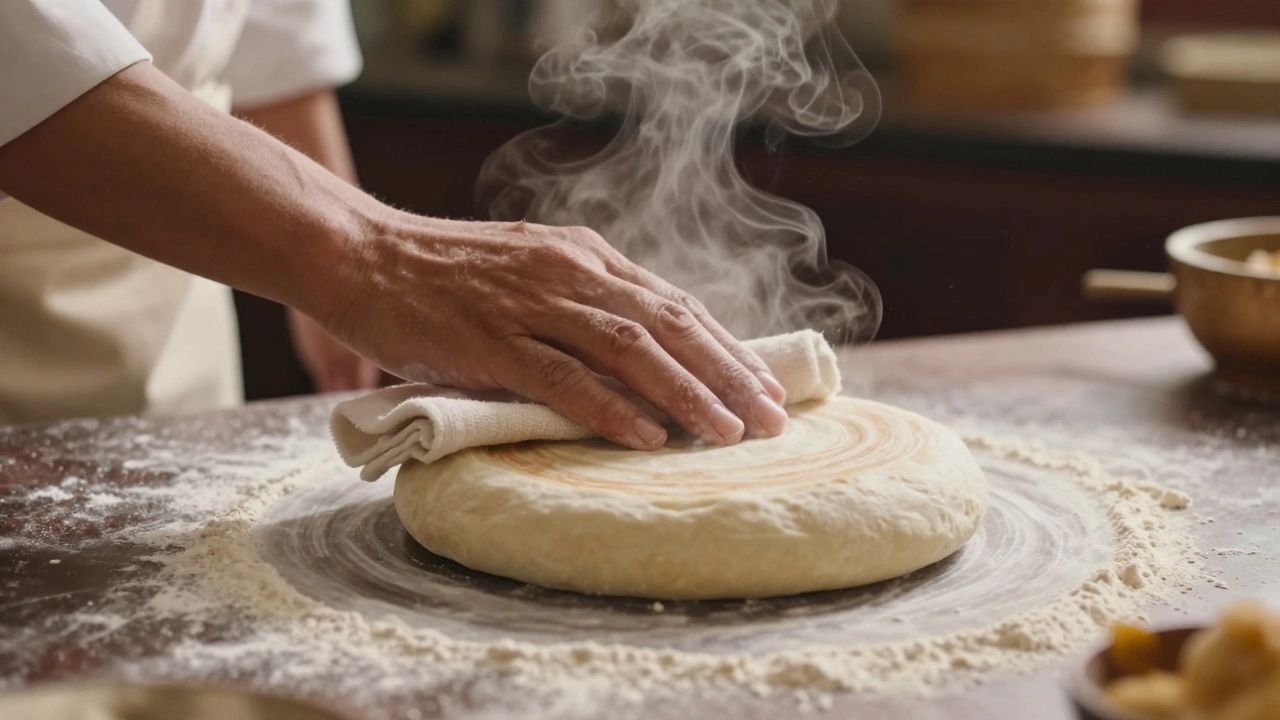
Some people think roti should puff on its own. But often, it needs a little help. After flipping, gently press down on the roti with a spatula or a clean kitchen towel. Don’t smash it-just apply light, even pressure. This helps the trapped steam spread evenly, forcing the roti to rise.
Do this right after flipping, when the roti is still soft. You’ll see it balloon up almost instantly. If you skip this step, the steam stays trapped in one spot and escapes through the edges instead of lifting the whole roti. It’s a small move, but it makes a huge difference. In fact, many professional cooks in India do this every time.
Quick Checklist for Perfect Puffing Roti
- Rest dough for 30 minutes
- Heat tawa until water droplets dance
- Roll to 1-2 mm thickness
- Use fresh, high-gluten atta
- Use just enough water-dough should be soft but not sticky
- Flip once, press gently
- Hold over flame for 5 seconds if needed
If you follow these steps, your roti will puff every time. No guesswork. No wasted dough. Just soft, airy, warm bread that’s perfect for dipping into dal or wrapping around your favorite curry.
Why does my roti puff up only on one side?
This usually happens because the tawa isn’t evenly heated. Hot spots cause uneven steam release. Try rotating the roti slightly after the first flip, or use a thicker, heavier tawa that distributes heat more evenly. Cast iron works best. Also, make sure you’re pressing gently on the unpuffed areas after flipping-that helps distribute the steam.
Can I use a gas stove or electric stove for roti?
Yes, both work. Gas stoves heat up faster and give better control, which is why most Indian homes use them. Electric stoves take longer to heat and cool down slowly, so you need to preheat longer and monitor more closely. If using electric, let the tawa heat for 8-10 minutes and test with water drops before starting.
Does adding oil or ghee to the dough help roti puff?
No. Adding oil or ghee to the dough makes it softer but reduces gluten strength. That weakens the structure that holds steam, making puffing harder. Save oil or ghee for brushing the finished roti after cooking. That adds flavor and keeps it soft without interfering with the puffing process.
Why does my roti crack when I roll it?
Cracking means the dough is too dry. Add water a teaspoon at a time and knead again. Let it rest for another 10 minutes. If it still cracks, your atta might be old or low in moisture. Try mixing in a tablespoon of warm water and a pinch of sugar-it helps activate the gluten and retain moisture.
Can I make roti ahead of time and reheat it?
Yes, but don’t store rolled-out dough. Make the rotis, let them cool, then stack them with parchment paper in between and store in an airtight container. Reheat on a tawa for 20 seconds per side. They’ll puff slightly again and stay soft. Freezing works too-just thaw at room temperature before reheating.