Indian Vegetarian Dish Finder
Not sure what to order or cook? Select the flavor profile and goals that match your craving!
Recommended For You:
Quick Guide to India's Vegetarian Icons
- Paneer Butter Masala: The ultimate creamy, tomato-based curry with cottage cheese.
- Masala Dosa: A crispy fermented rice crepe stuffed with spiced potatoes.
- Chole Bhature: Spicy chickpeas paired with oversized, deep-fried fluffy bread.
- Palak Paneer: A nutritious blend of pureed spinach and paneer cubes.
- Aloo Gobi: A classic dry stir-fry of potatoes and cauliflower.
The Kings of Creamy Curries
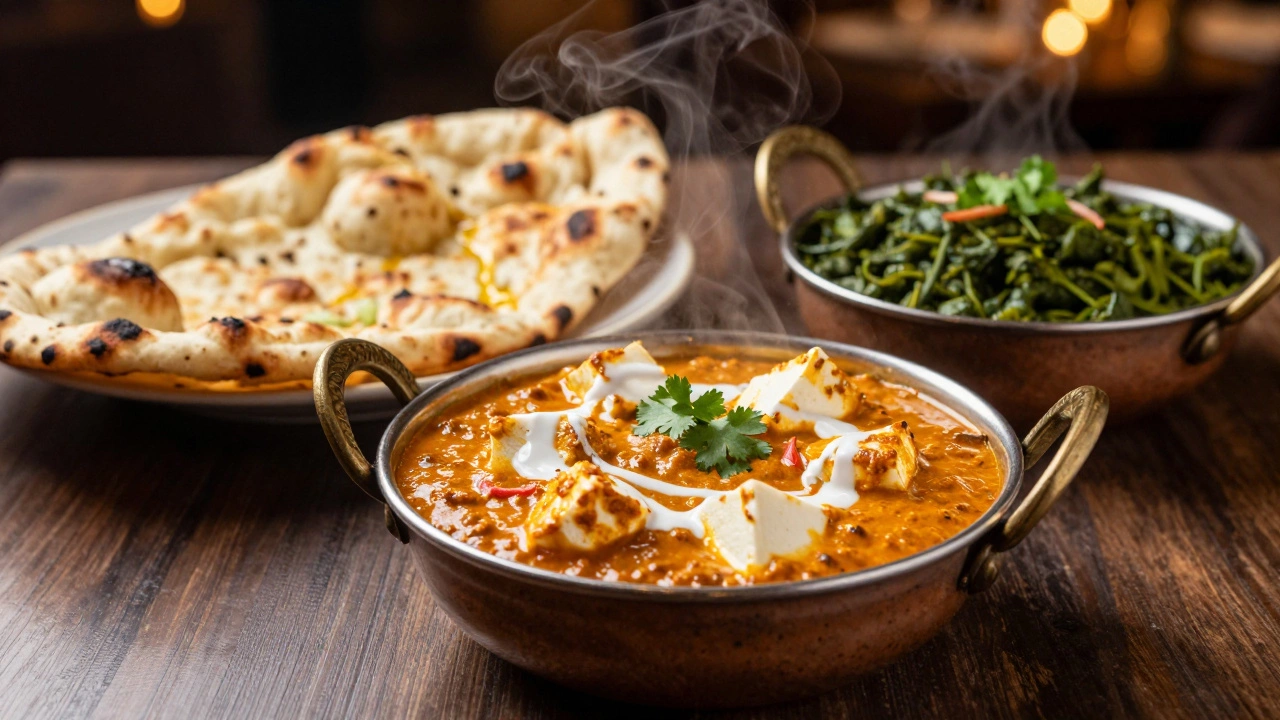
When people think of Indian food abroad, they usually picture a rich, orange-colored gravy. That's often Paneer Butter Masala is a luxurious North Indian curry made with paneer, butter, cream, and a blend of spices. This dish is a hit because it balances the sweetness of cream with the acidity of tomatoes. If you prefer something with a bit more punch, you'll find Butter Chicken's vegetarian twin, often called Paneer Makhani.
Then there's Palak Paneer is a healthy spinach-based curry featuring cubes of cottage cheese. Unlike the buttery masalas, this one uses a base of blanched and pureed spinach. It's a great way to get greens into your diet without feeling like you're eating a salad. The key here is the "tadka"-the tempering of garlic, cumin, and dried red chilies in hot oil poured over the curry right before serving, which adds a smoky depth to the earthy spinach.
The Soul of the South: Rice and Lentils
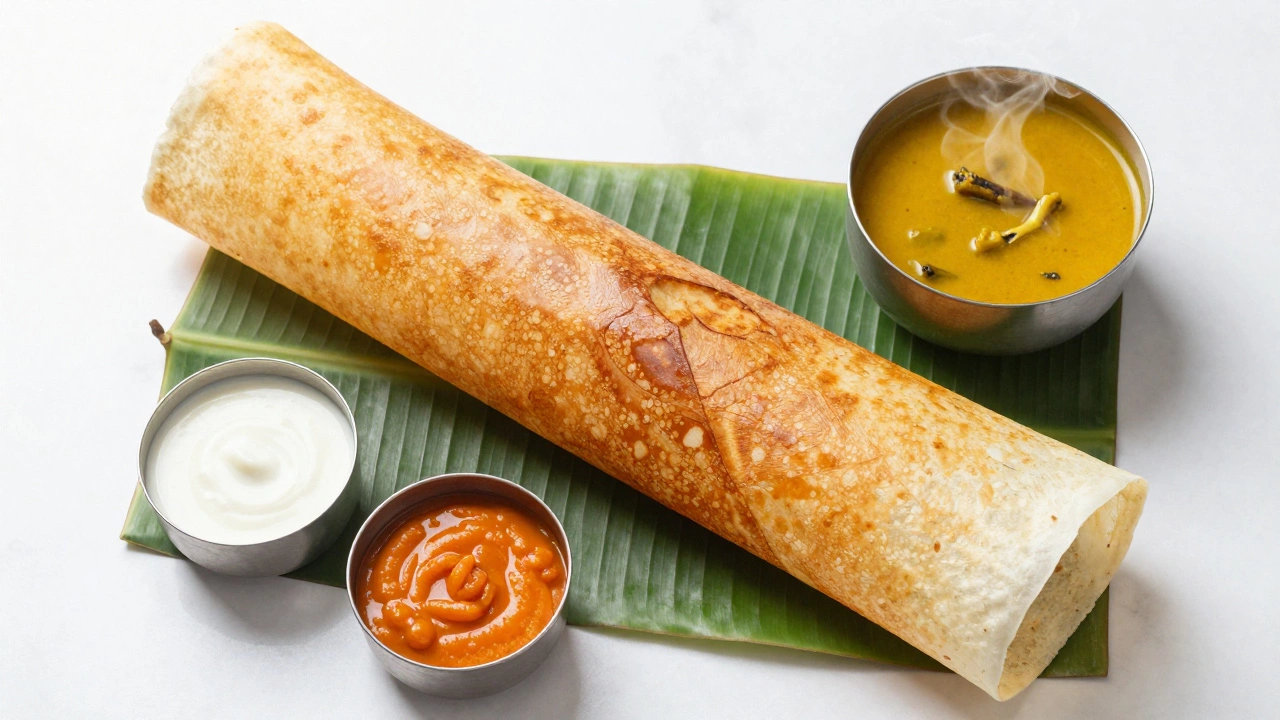
Head south, and the wheat-based rotis are replaced by rice and lentils. The absolute heavyweight here is the Masala Dosa is a thin, fermented crepe made from rice and black gram, stuffed with a spiced potato filling. To get that perfect crunch, the batter has to ferment for at least 8 to 12 hours. It's almost never eaten alone; it comes with a side of coconut chutney and a bowl of sambar, a tangy lentil stew. Have you ever tried it with a dollop of butter on top? It changes the game.
Another staple is Idli, which are steamed cakes made from the same fermented batter. They're soft, fluffy, and incredibly easy on the stomach, making them the go-to breakfast for millions. If you want something heartier, look for Uttapam, which is like a savory pancake topped with onions, tomatoes, and green chilies. These dishes rely heavily on Sambar is a lentil-based vegetable stew cooked with tamarind and a special spice blend, which provides the essential sour and salty balance to the mild rice cakes.
Street Food and Comfort Meals
You can't talk about vegetarian food in India without mentioning the streets. Chole Bhature is a popular Punjabi dish consisting of spicy chickpeas (chole) and fried leavened bread (bhature). It's an indulgent meal, usually eaten for breakfast or brunch. The chickpeas are simmered in a dark, spicy gravy, and the bread is fried until it puffs up like a balloon. It's heavy, but the combination of the tangy chickpeas and the richness of the bread is addictive.
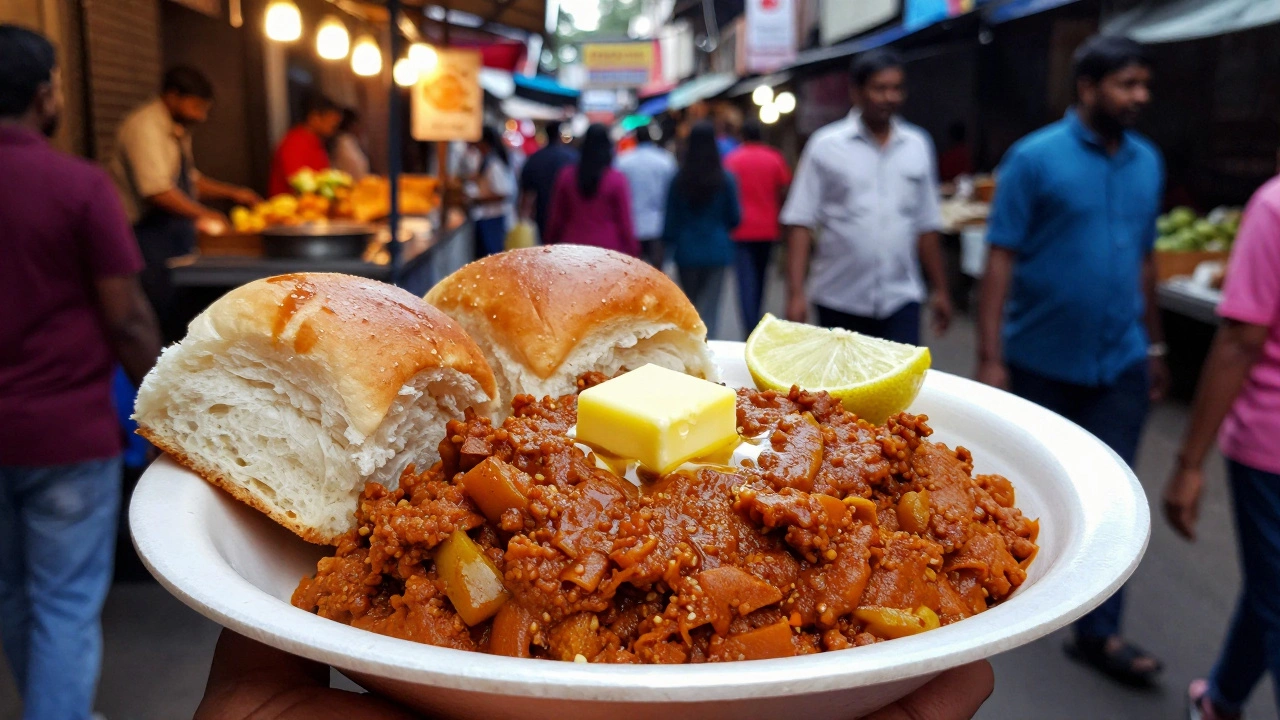
For something lighter, there's Pav Bhaji. This is essentially a thick, mashed vegetable curry (the bhaji) served with soft, butter-toasted buns (the pav). It originated in the textile mills of Mumbai as a quick, filling meal for workers. The "secret" is the Pav Bhaji Masala, a specific spice mix that gives the dish its signature reddish-brown color and savory taste. Top it with a squeeze of lemon and a cube of salted butter, and you've got the perfect street snack.
| Dish | Main Ingredient | Region | Flavor Profile | Best Paired With |
|---|---|---|---|---|
| Paneer Butter Masala | Paneer | North | Creamy, Sweet, Tangy | Naan or Jeera Rice |
| Masala Dosa | Rice/Lentils | South | Savory, Fermented | Coconut Chutney |
| Chole Bhature | Chickpeas | North | Spicy, Bold | Pickled Onions |
| Palak Paneer | Spinach | North | Earthy, Garlicy | Tandoori Roti |
| Pav Bhaji | Mixed Veggies | West | Buttery, Spicy | Fresh Lemon |
Essential Sides and Breads
A curry is only as good as what you use to scoop it up. The most famous bread is undoubtedly Naan is a leavened flatbread traditionally baked in a clay tandoor oven. While the Garlic Naan is a crowd-favorite, the Tandoori Roti (whole wheat) is a healthier alternative. In South India, you'll find Parotta, a flaky, layered flatbread that's a masterpiece of dough-folding and frying.
Then there's the world of Dal is a generic term for dried, split pulses (lentils, peas, or beans) cooked into a stew. Dal Tadka is the basic, tempered version, while Dal Makhani is the slow-cooked, creamy black lentil version from Punjab. Most Indian meals are incomplete without a side of Raita-a cooling yogurt dip with cucumber and mint that helps tame the heat of the spices.
Common Pitfalls When Trying Indian Veg Food
If you're new to these flavors, a few things can surprise you. First, don't assume "vegetarian" means "healthy." Dishes like Chole Bhature and Paneer Butter Masala are calorie bombs. If you're watching your weight, stick to Aloo Gobi or Baingan Bharta (roasted eggplant), which are usually stir-fried with minimal oil compared to the heavy gravies.
Another tip: be careful with the spice levels. When a waiter asks if you want it "medium," in India, that might still be "hot" by Western standards. Always ask for a side of Raita; the dairy in the yogurt helps neutralize the capsaicin from the chilies, making the meal more manageable.

Beyond the Main Course: Vegetarian Sweets
No meal is complete without something sweet. Gulab Jamun is deep-fried milk solids (khoya) balls soaked in a rose-flavored sugar syrup. They are soft, spongy, and incredibly sweet. If you want something with a bit of texture, try Jalebi-deep-fried batter swirls soaked in syrup, creating a crispy-yet-gooey treat.
For those who prefer something less sugary, Kheer (a slow-cooked rice pudding with cardamom and saffron) is a comforting end to a spicy meal. These desserts usually rely on milk and nuts, keeping them strictly vegetarian and often a highlight of any Indian festival.
What is the most popular vegetarian dish in India?
While it depends on the region, Paneer Butter Masala and Masala Dosa are arguably the most famous. Paneer Butter Masala dominates North Indian cuisine and international menus, while Masala Dosa is the gold standard for South Indian breakfasts and snacks.
Is all Indian food vegetarian?
No, but India has one of the highest percentages of vegetarians in the world. Many restaurants offer both vegetarian and non-vegetarian sections. In some states, like Gujarat, vegetarianism is even more prevalent, and you'll find entirely veg-only eateries.
What is paneer made of?
Paneer is a fresh, non-melting cheese made by curdling bovine milk with an acid, like lemon juice or vinegar. It has a mild taste and a firm texture, similar to extra-firm tofu, which allows it to hold its shape when cooked in curries.
Are there healthy options in vegetarian Indian food?
Absolutely. Steamed Idlis, Palak Paneer, and various Dal preparations (like Moong Dal) are packed with protein and nutrients. Avoiding deep-fried breads like Bhature and opting for Tandoori Roti or brown rice makes these meals very healthy.
What is the difference between Naan and Roti?
Naan is typically made from refined flour (maida), uses yeast or yogurt for leavening, and is baked in a tandoor. Roti is made from whole wheat flour (atta), is unleavened, and is usually cooked on a flat griddle called a tawa.
What to Try Next
Now that you know the heavy hitters, you might want to explore regional specialties. If you enjoyed the creamy North Indian curries, try looking into Kashmiri cuisine, which uses a lot of walnuts and dried fruits. If the South Indian flavors hit the spot, dive into Kerala's coconut-heavy dishes. Whether you're cooking at home or ordering in, remember that the magic of Indian food is in the balance of spices-don't be afraid to customize the heat to your liking!