Rotisserie Chicken Pinkness Calculator
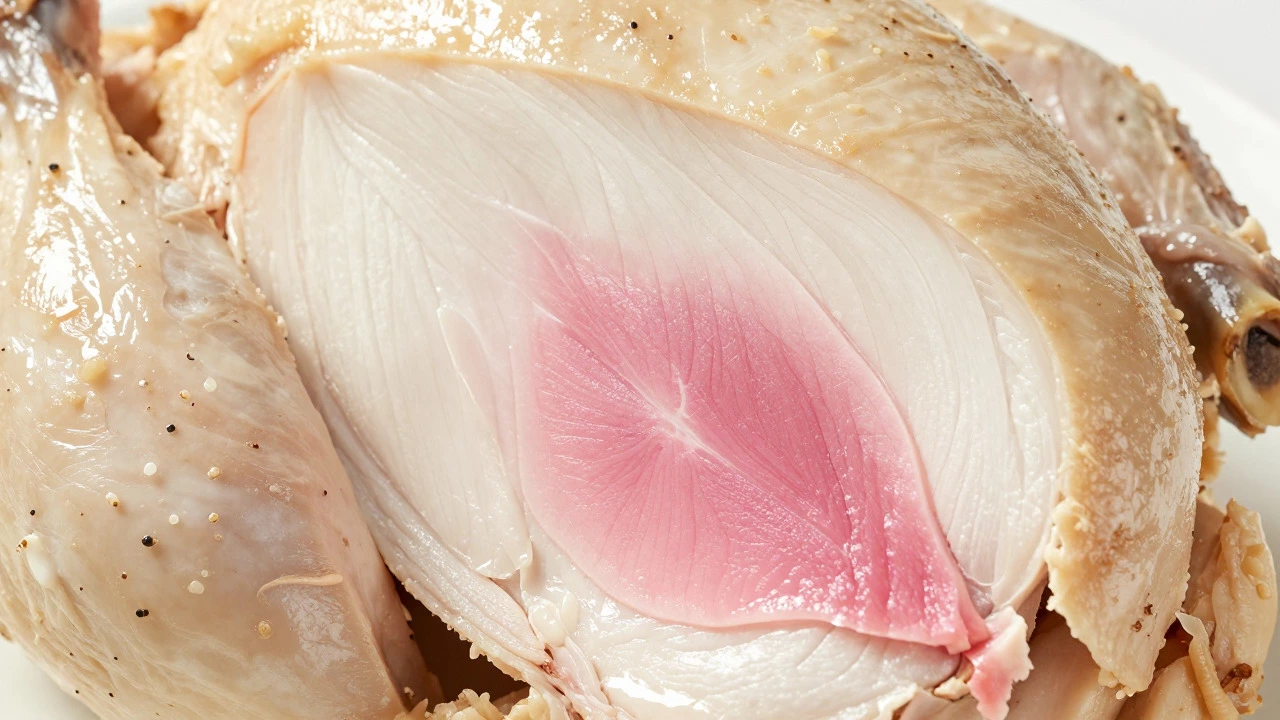
You walk into Costco, grab a warm, foil-wrapped rotisserie chicken for just $4.99, and head home. You slice it open, expecting that familiar golden-brown exterior and juicy white interior. Instead, you see a distinct, almost neon pink hue running through the meat, especially near the bones. It looks like it’s undercooked. Your stomach drops. Is this safe to eat? Did they mess up?
The short answer is: yes, it is safe. But the reason behind that unsettling color is a fascinating mix of chemistry, poultry biology, and industrial processing. It has nothing to do with being raw. In fact, the USDA confirms that Costco rotisserie chickens are cooked to an internal temperature of at least 165°F (74°C), which kills harmful bacteria like Salmonella and Campylobacter.
So, why does fully cooked chicken look like it belongs in a cartoon? Let’s break down the science without getting too bogged down in jargon. We’ll look at what causes the pinkness, whether additives play a role, and how you can tell if your chicken is actually done.
The Bone Factor: Myoglobin and Heat Transfer
The most common culprit for pink chicken meat isn’t chemicals-it’s the bone itself. Chicken bones contain myoglobin, a protein that stores oxygen in muscle tissue. When chicken is young, myoglobin levels are low, resulting in white meat. However, as chickens age or depending on their breed, myoglobin concentrations can vary.
When you cook a whole chicken, heat transfers from the outside in. The skin gets crispy, the breast meat turns opaque white, but the area right next to the bone heats up much slower. If the chicken is cooked at a lower temperature for a longer time-which is often the case with large-scale rotisserie operations to ensure juiciness-the heme iron in the myoglobin doesn’t always denature completely. This leaves a pink residue around the bone marrow.
This phenomenon is known as "pink ring" or "bone bleed." It is purely cosmetic. As long as the meat pulls away from the bone easily and the juices run clear, the chicken is safe. The pink color is simply trapped hemoglobin and myoglobin that didn’t have enough high-intensity heat to change color entirely.
Nitrites and Nitrate Brining
While bone bleed is natural, there is another factor at play in commercial rotisserie chickens: brining. To keep the meat incredibly moist and tender, processors inject the birds with a brine solution before cooking. This solution typically contains water, salt, sugar, and sometimes flavorings.
In some cases, this brine includes sodium nitrite or sodium erythorbate. Sodium nitrite is the same compound used in curing ham, bacon, and hot dogs. Its primary job is to preserve color and prevent bacterial growth. When nitrites react with myoglobin, they form a stable pink pigment called nitrosomyoglobin. This pigment is heat-stable, meaning it stays pink even after the chicken reaches 165°F.
Does Costco use nitrites? According to their ingredient list, the rotisserie chicken contains water, salt, and less than 2% of a solution containing water, sodium phosphate, and salt. They do not explicitly list sodium nitrite in the standard US rotisserie chicken ingredients. However, sodium erythorbate is sometimes used as a stabilizer, which can interact with trace amounts of nitrates naturally present in vegetables or water, potentially contributing to slight color shifts. More importantly, the high-pressure injection process ensures deep penetration of these solutions, altering the meat's chemical environment slightly compared to a dry-brined home-cooked bird.
Carotenoids and Diet
Another surprising factor is what the chicken ate. Chickens fed diets rich in carotenoids-pigments found in corn, marigolds, and other plants-can develop yellowish skin and fat. While this usually affects the skin color, intense carotenoid levels can sometimes influence the overall appearance of the meat, making pink hues more noticeable against a yellow background.
Costco sources its chickens from major suppliers like Pilgrim’s Pride or Tyson. These industrial farms feed chickens precise blends of grains to optimize growth rate and flavor profile. Variations in feed composition between batches can lead to subtle differences in meat coloration. It’s not a defect; it’s just biology responding to diet.
Cooking Method Matters
How you cook chicken changes how it looks. Traditional roasting involves high heat that rapidly denatures proteins, turning them white. Rotisserie cooking, however, often uses indirect heat and steam. The chicken spins slowly, basting itself in its own juices. This gentle, moist-heat method preserves moisture but doesn’t provide the same intense, drying heat that forces all pigments to oxidize and turn white.
Think about boiling an egg. The white turns solid white, but if you overcook it, a green ring forms due to iron sulfide. Similarly, cooking chicken gently can leave residual colors intact. The steam inside the packaging also plays a role. When you buy a Costco chicken, it’s sealed in foil while still hot. The trapped steam continues to cook the meat gently (a process called carryover cooking) while preventing the surface from drying out. This environment favors the retention of certain pigments.
Is It Safe? How to Tell
If you’re worried about food poisoning, stop looking at the color and start checking the texture and temperature. Here’s how to verify your chicken is safe:
- Temperature: Use a meat thermometer. Insert it into the thickest part of the thigh, avoiding the bone. It should read 165°F (74°C). If it does, it’s safe, regardless of color.
- Juices: Pierce the meat. If the juices run clear, not cloudy or pink-red, it’s likely done. Cloudy juices indicate uncoagulated proteins, suggesting undercooking.
- Texture: Cooked chicken should be firm to the touch. Raw chicken feels soft and slimy. If the meat flakes easily with a fork, it’s cooked through.
- Smell: Freshly cooked chicken smells savory and appetizing. Undercooked or spoiled chicken has a sour, ammonia-like, or distinctly "raw" odor.
The FDA and USDA both state that color is not a reliable indicator of doneness. Relying solely on visual cues can lead to either overcooked, dry chicken or unsafe, undercooked meat. Always trust the thermometer.
Comparison: Home-Cooked vs. Commercial Rotisserie
| Feature | Home-Roasted Chicken | Costco Rotisserie Chicken |
|---|---|---|
| Internal Temp Target | 165°F (74°C) | 165°F+ (74°C+) |
| Brining Process | Dry brine or simple wet brine (salt/water) | High-pressure injection brine (water, salt, phosphates) |
| Cooking Environment | Dry oven heat | Moist rotisserie + steam sealing |
| Pink Hue Likelihood | Low (unless undercooked) | Moderate (due to bone bleed & brine chemistry) |
| Texture | Firmer, drier if overcooked | Very tender, juicy due to phosphates |
What About Tandoori Chicken?
You might wonder how this relates to Tandoori chicken. Tandoori chicken is famous for its vibrant red-orange color. That color comes from Kashmiri chili powder and yogurt marinades, not from undercooking or nitrites. The clay tandoor oven cooks the chicken at extremely high temperatures (up to 900°F), ensuring thorough cooking while charring the exterior. The pinkness in Costco chicken is a sign of gentle cooking and bone proximity; the redness in Tandoori chicken is a deliberate culinary choice using spices. Both are safe, but the mechanisms are entirely different.
Pro Tips for Handling Pink Chicken
If the sight of pink chicken still makes you uneasy, here are a few ways to handle it:
- Reheat Thoroughly: If you’re serving leftovers, reheat the chicken until steaming hot. This will further denature any remaining pigments and ensure safety.
- Shred It: Shredding the chicken mixes the meat, breaking up the visual continuity of the pink rings. It’s harder to notice the color when it’s integrated into a salad or sandwich.
- Check the Source: If you buy multiple chickens and one looks significantly redder or smells off, return it. Consistency matters. Occasional pinkness is normal; batch-wide discoloration might indicate a processing error.
- Use a Thermometer: Invest in a cheap instant-read thermometer. It eliminates guesswork and anxiety every time you cook poultry.
Final Thoughts on Food Safety and Perception
Our brains are wired to associate pink meat with danger because, historically, undercooked poultry was a major source of illness. But modern food science has changed the rules. The pink color in Costco’s rotisserie chicken is a harmless side effect of efficient, large-scale cooking methods designed to maximize juiciness and convenience. It’s not a warning sign; it’s a badge of quality control that prioritizes moisture retention over aesthetic perfection.
Next time you see that pink hue, take a breath. Check the temperature. Trust the process. And enjoy that $4.99 meal without worry.
Is pink Costco rotisserie chicken bad?
No, it is not bad. The pink color is usually caused by myoglobin in the bones reacting to heat or residues from the brining process. As long as the chicken reached an internal temperature of 165°F, it is safe to eat.
Does Costco put dye in their rotisserie chicken?
No, Costco does not add artificial dyes to their rotisserie chicken. The color comes from natural pigments in the meat, the brine solution (which may contain sodium erythorbate), and the cooking method.
Why is my homemade chicken pink but Costco's is pink too?
Homemade chicken can appear pink near the bones due to "bone bleed," where heme iron leaks from the marrow into the meat during slow cooking. Costco chickens experience this too, but it’s amplified by their high-pressure brining and steam-sealed packaging, which retains moisture and pigments more effectively than dry oven roasting.
Can I get salmonella from pink chicken?
Only if the chicken is undercooked. Color is not a reliable indicator of safety. If the chicken has reached 165°F internally, Salmonella is killed, regardless of whether the meat looks pink or white.
Should I return a pink Costco chicken?
You only need to return it if it smells bad, feels slimy, or if the juices run cloudy/red. If it smells fine and passes the temperature test, you can keep it. Costco has a generous return policy, so if you’re unhappy with the appearance, you can always exchange it.