Curry Aromatics Timing Simulator
Select your curry style to see the optimal timing for adding garlic and ginger, then test your knowledge with the interactive timer.
Standard Method
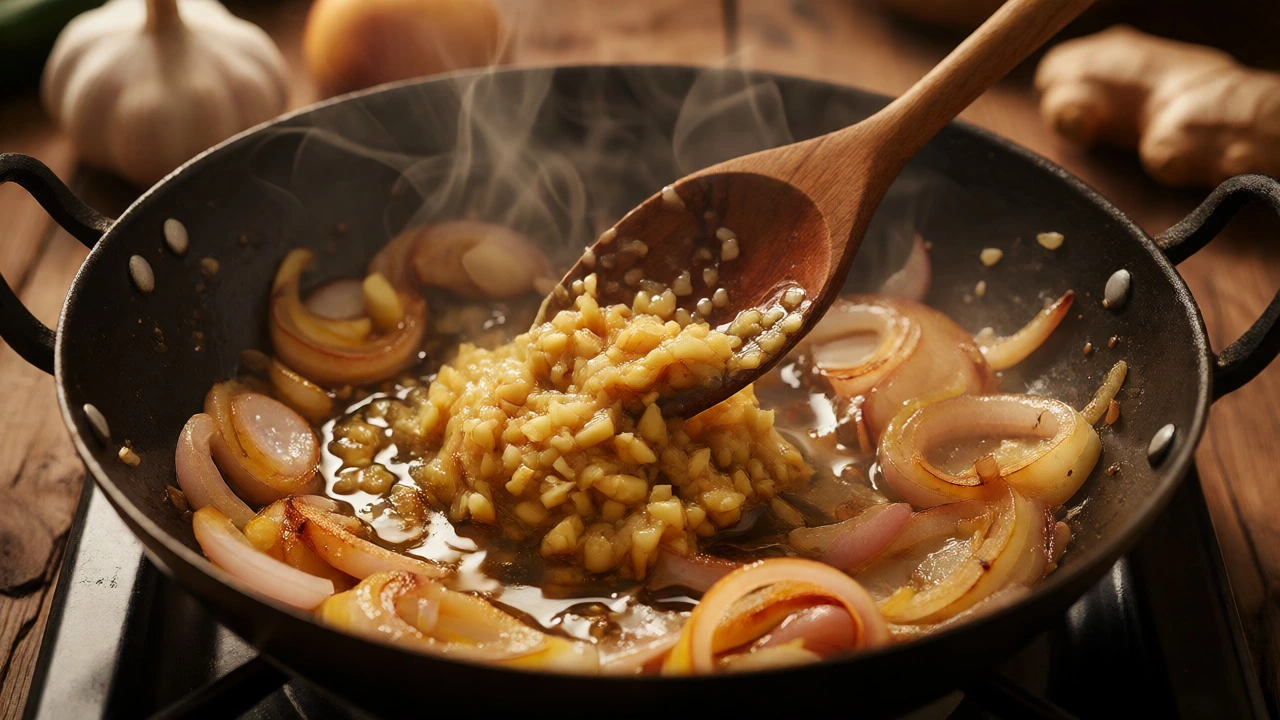
Add paste after onions soften but before tomatoes.
Burn Risk Timer Challenge
Garlic burns fast! Try to stop the timer exactly when the "Raw Smell Vanishes" (typically 2-3 minutes after adding paste). If you go too long, you risk burning it.
You’ve probably ruined a perfectly good chicken curry before. You know that moment when the sauce tastes bitter, sharp, or just "off," despite following the recipe exactly? It’s rarely the chicken’s fault. Nine times out of ten, it’s because you added your garlic and ginger at the wrong time.
Garlic and ginger are the backbone of almost every Indian curry, but they are also the most volatile ingredients in your pantry. Treat them like raw eggs-add them too early and they burn; add them too late and they taste like medicine. This guide breaks down exactly when to drop that fragrant paste into your pot to get that deep, rounded flavor you crave.
The Science of Flavor Development
To understand the timing, you have to look at what happens inside the pan. Garlic contains sulfur compounds that turn from pungent to sweet as they cook. Ginger contains zingerone and shogaol, which provide heat and aroma. If you throw raw paste into cold oil, nothing happens until the oil heats up, leading to uneven cooking. If you throw it into screaming hot oil without other ingredients, the sugars in the garlic caramelize instantly and then burn, turning black and acrid within seconds.
The goal is sweating, not frying. You want to break down the cell walls of the garlic and ginger slowly so their oils release into the fat (ghee or oil) rather than evaporating or burning. This process creates the "masala" base. According to culinary science principles used by chefs worldwide, water-soluble flavors extract better in aqueous environments, while fat-soluble flavors need lipid bases. By managing temperature, you control which notes dominate your dish.
The Standard Method: The Onion-Garlic-Ginger Trinity
For most home-cooked chicken curries, especially North Indian styles like Butter Chicken or Kadai Chicken, the safest bet is adding garlic and ginger after the onions have softened but before you add tomatoes or liquids.
- Sauté Onions: Cook sliced or chopped onions in oil/ghee over medium heat until they turn golden brown. This takes 10-15 minutes. Patience here is non-negotiable.
- Add Paste: Turn the heat down to low-medium. Add your garlic-ginger paste. Stir constantly.
- Cook Until Raw Smell Vanishes: You will smell a strong, sharp aroma initially. Keep stirring for 2-3 minutes. When the raw smell disappears and the mixture starts leaving the sides of the pan slightly, it’s ready.
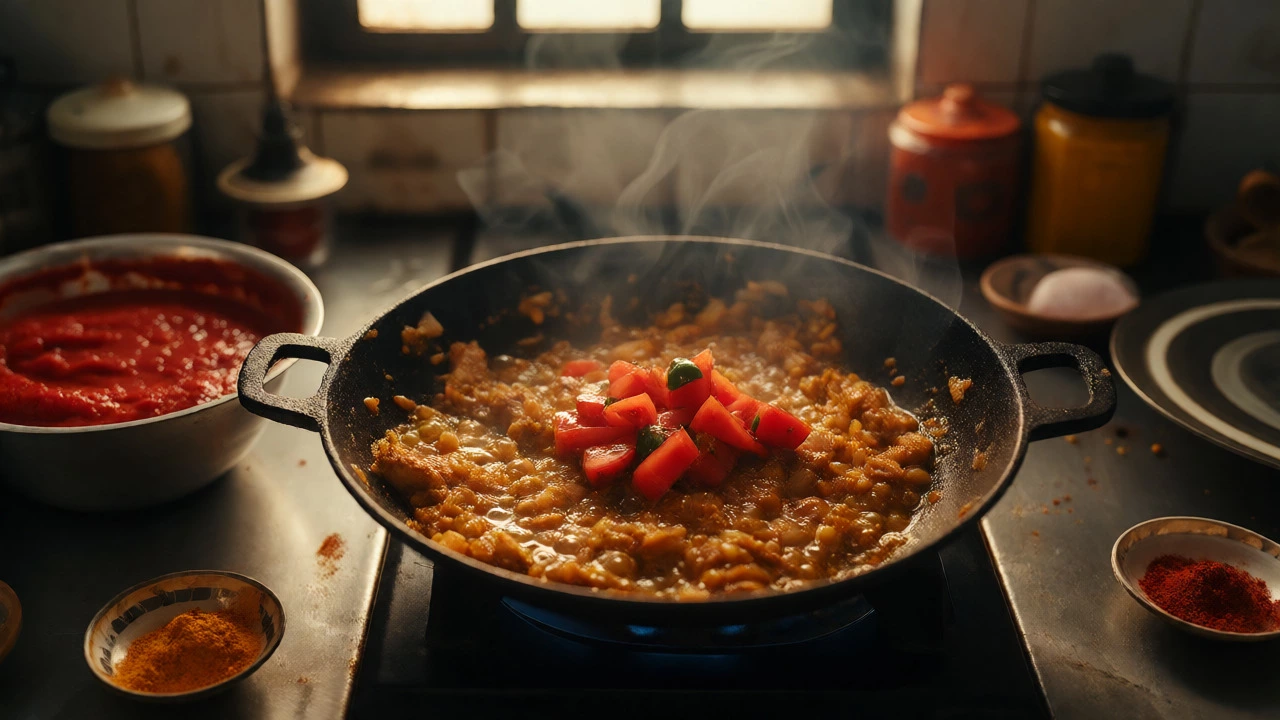
- Add Tomatoes/Powders: Now add tomato puree or dry spice powders (turmeric, chili powder). The moisture from the tomatoes stops the garlic from burning.
This method ensures the garlic cooks through without charring. If you skip the onion step and add paste directly to hot oil, you risk burning it in under 30 seconds unless you are an expert with high-speed stirring.
Variations by Cuisine Style
Not all curries follow the same rules. South Indian and Coastal cuisines often treat these aromatics differently due to the use of coconut milk or tamarind.
| Curry Type | When to Add | Why? |
|---|---|---|
| North Indian (Gravy-based) | After onions soften, before tomatoes | Onions protect garlic from direct heat; tomatoes cool the pan. |
| South Indian (Coconut-based) | In the tempering (tadka) OR blended into masala paste | Often ground with shallots/chilies for smooth texture; tempered last for aroma. |
| Thai Green Curry | Fried with lemongrass/kaffir lime in coconut cream | Bloomed in thick coconut cream first to infuse fat. |
| Chinese-style Chicken | Added to hot wok just before protein | High heat stir-fry requires fast cooking to retain crunch/aroma. |
Common Mistakes That Ruin the Dish
Even if you know the theory, execution errors happen. Here are the three biggest pitfalls I see in home kitchens.
- Adding Paste to Cold Oil: Many people dump everything in at once to save time. This steams the garlic instead of sautéing it. Result: A flat, boiled-onion taste rather than a rich, caramelized depth.
- Using Pre-Made Jarred Paste Incorrectly: Store-bought pastes often contain preservatives like sodium benzoate or vinegar. These can curdle dairy-based gravies (like cream or yogurt) if added too early. Always fry jarred pastes longer than fresh ones to cook off the preservative tang.
- Ignoring Heat Control: Garlic burns faster than sugar. If your oil is smoking, do not add garlic. Take the pan off the flame for 30 seconds, let it cool slightly, then add the paste.
Fresh vs. Paste: Does It Matter?
Should you grate fresh garlic and ginger or buy the tub from the store? For a standard chicken curry, fresh makes a noticeable difference in brightness. Fresh ginger has a citrusy, sharp top note that jarred versions lack because the volatile oils degrade during processing.
However, there is a trick to using fresh ingredients effectively. Grate them finely or blend them into a smooth paste. Chunks of garlic left uncooked in the final gravy can cause digestive discomfort for some people. A smooth paste integrates seamlessly into the gravy, ensuring every bite tastes consistent.
If you are making a slow-cooked curry (like a Hyderabadi Haleem or a long-simmered Rogan Josh), the distinction matters less because the long cooking time mellows the differences. But for quick weeknight dinners (under 45 minutes total), fresh is worth the extra effort.
Troubleshooting: What If I Burned It?
It happens. You got distracted, the phone rang, and suddenly your garlic is black. Can you save the curry?
If only the garlic is burnt but the onions are still golden, you can try scraping off the burnt bits from the bottom of the pan carefully. Do not stir them into the rest of the mix. Then, add a teaspoon of sugar or jaggery to balance the bitterness. However, if the entire masala base looks dark brown/black and smells acrid, start over. No amount of cream or tomato will mask burnt garlic. It’s better to lose 10 minutes than ruin a whole meal.
Pro Tip: If you’re worried about burning, keep a small bowl of water nearby. If the pan gets too hot, splash a tablespoon of water in. It cools the pan instantly and prevents scorching while you adjust the heat.
Final Checklist for Perfect Aroma
Before you serve that chicken curry, run through this mental checklist:
- Did the raw smell of garlic completely disappear before adding liquids?
- Was the heat kept at medium-low during the sauté phase?
- Did you stir continuously for the first minute after adding the paste?
- Is the color of the masala reddish-brown, not black?
Mastering this one step transforms your cooking from "good" to "restaurant-quality." It’s not about complex techniques; it’s about respecting the chemistry of heat and time.
Can I add garlic and ginger at the very end of cooking?
Generally, no. Adding raw garlic and ginger at the end results in a harsh, medicinal taste. They need heat to mellow their pungency. Exception: Some Thai or Chinese dishes call for a small amount of fresh grated ginger as a garnish, but this is distinct from the main flavor base.
Why does my garlic taste bitter?
Bitterness usually comes from burning. Garlic sugars caramelize quickly and then carbonize. Once it turns dark brown or black, it becomes bitter. Another cause is using old garlic, which develops green sprouts containing bitter compounds. Remove the green germ from cloves before grating.
How much garlic and ginger should I use for chicken curry?
A standard ratio for 500g of chicken is roughly 1 tablespoon of ginger paste and 1-2 tablespoons of garlic paste. Adjust based on preference. If using fresh, aim for a 1:1 volume ratio of minced ginger to minced garlic for balanced flavor.
Does the type of oil matter for cooking garlic?
Yes. Ghee has a lower smoke point than refined oils but adds incredible flavor. Mustard oil has a high smoke point and a pungent kick suitable for Bengali or Punjabi curries. Neutral oils like sunflower or canola are safest for beginners because they tolerate higher heat without burning the delicate garlic.
Can I freeze homemade garlic-ginger paste?
Absolutely. Freeze it in ice cube trays. Each cube is usually enough for one curry batch. Frozen paste works nearly as well as fresh if thawed properly before adding to the pan. Avoid refreezing thawed paste as it loses texture and flavor.