Paneer Making Calculator
Select your milk type and quantity to determine the precise amount of citric acid or lemon juice required for perfect curdling.
Best Use: --
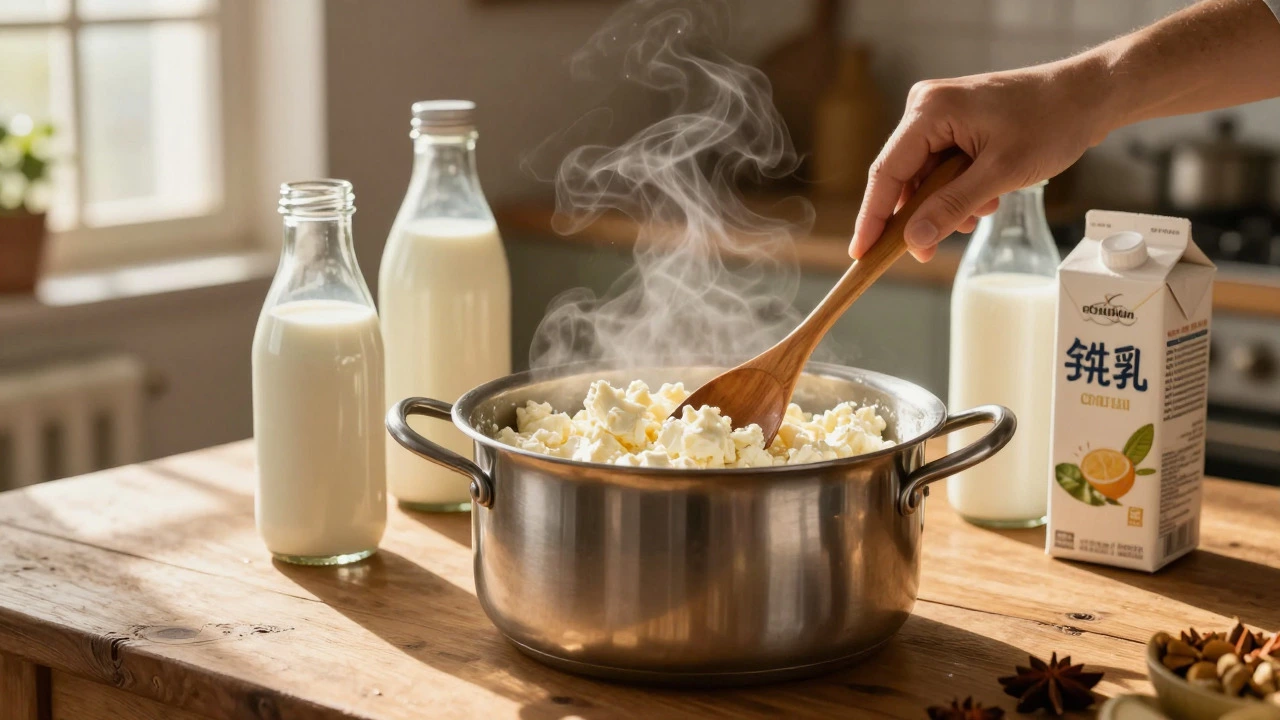
Ever stood in front of the fridge, staring at a carton of skimmed milk, wondering if it would work for your homemade paneer? You’re not alone. The single biggest factor determining whether your paneer turns out soft and spongy or hard and crumbly is the type of milk you use. Get this wrong, and no amount of perfect curdling technique will save your batch.
The short answer is: Full Cream Milk is the gold standard for making high-quality, tender paneer due to its high fat content. But why? And what about other options like toned milk, A2 milk, or plant-based alternatives? Let’s break down exactly how different milks affect your final product so you can make the right choice every time.
Why Fat Content Matters in Paneer Making
Paneer isn’t just coagulated protein; it’s a delicate balance of casein proteins and milk fat. When you heat milk and add an acid (like lemon juice or citric acid), the casein clumps together. However, the fat globules suspended in the milk get trapped within these protein networks. This is what gives fresh paneer its signature creamy texture and ability to hold moisture without becoming rubbery.
If you use low-fat or skimmed milk, you remove most of those fat globules. The resulting protein network is tight and dry. The result? Paneer that shrinks significantly when fried, becomes tough, and lacks that melt-in-your-mouth quality. For home cooks aiming for restaurant-style softness, fat is non-negotiable.
Comparing Milk Types for Paneer
Not all full-cream milks are created equal, and there are specific reasons why some dairy products work better than others. Here’s how the common options stack up:
| Milk Type | Fat Content | Texture Outcome | Best Use Case |
|---|---|---|---|
| Full Cream Milk | 3.5% - 4.0% | Soft, spongy, moist | All-purpose paneer (curries, frying) |
| Toned Milk | 1.5% - 2.0% | Dense, slightly dry | Budget-friendly, firm cuts |
| A2 Milk | 3.5% - 4.0% | Extra smooth, less grainy | Premium paneer, sensitive stomachs |
| Skimmed Milk | <0.5% | Hard, crumbly, brittle | Low-calorie snacks only |
| Buffalo Milk | 6.0% - 8.0% | Very rich, dense, yellowish | Traditional Indian style, rich gravies |
The Role of Fresh vs. UHT Milk
You might have tried using supermarket UHT (Ultra-High Temperature) milk and been disappointed by the texture. While convenient, UHT milk undergoes extreme heating that denatures some proteins. This makes the curds form faster but often results in a slightly gritty or chalky texture compared to fresh milk.
Fresh Pasturized Milk is generally preferred because the protein structure remains more intact, allowing for smoother coagulation. If you live in an area where fresh farm milk is available, it’s worth seeking out. In places like Bristol, local dairy farms often supply pasteurized whole milk that works exceptionally well. Just ensure it hasn’t been sitting in your fridge for more than 3-4 days, as older milk has a higher acidity which can cause uneven curdling.
How to Choose the Right Acid for Your Milk
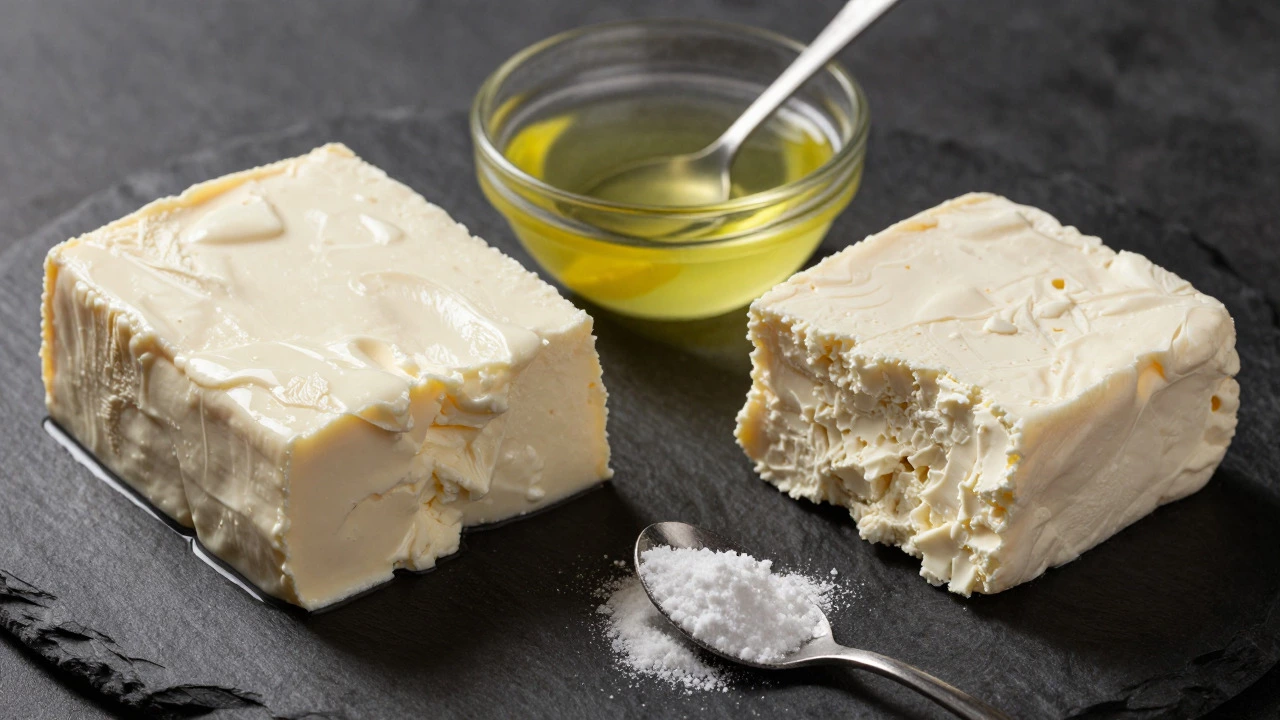
The type of milk dictates how much acid you need. Full cream milk requires a gentler approach than toned milk. Here’s a practical rule of thumb:
- For Full Cream Milk: Use approximately 2-3 tablespoons of lemon juice or citric acid solution per liter of milk. Heat the milk to 90°C (just before boiling) and stir gently.
- For Toned Milk: You may need slightly more acid (3-4 tablespoons per liter) to achieve the same separation because there is less fat to help suspend the curds.
- For Buffalo Milk: Because of its high fat and protein content, it curdles very easily. Start with less acid (1.5-2 tablespoons per liter) to avoid over-coagulating and making the paneer too dense.
Citric acid is often preferred over lemon juice for consistent results because it doesn’t add extra water or strong citrus flavor, which can overpower subtle spices in dishes like palak paneer.
Tips for Maximizing Yield and Texture
Even with the best milk, technique matters. Here are three pro tips to elevate your homemade paneer:
- Don’t Overheat: Once the milk starts bubbling, reduce the heat immediately. Boiling vigorously causes whey proteins to stick to the bottom and makes the curds tougher.
- Press Gently: After straining the curds through a muslin cloth, press them lightly. Heavy pressure squeezes out the moisture that keeps paneer soft. Use a medium-weight object (like a heavy bowl) for 15-20 minutes, not hours.
- Store Correctly: Keep your finished paneer submerged in cold water in the fridge. Change the water daily. This prevents the surface from drying out and turning white and hard.
What About Plant-Based Alternatives?
Can you make paneer with soy or almond milk? Technically, yes, but the result is different. Soy milk contains enough protein to coagulate, but it lacks the fat structure of cow’s milk. The resulting “paneer” tends to be softer and breaks apart more easily when fried. It works well in soups or stews where texture integrity isn’t critical, but it won’t hold its shape for tandoori paneer.
If you’re looking for a vegan option, look for store-bought vegan paneer blocks made specifically for cooking. They are engineered with starches and fats to mimic the elasticity of dairy paneer, something raw soy milk struggles to achieve on its own.
Frequently Asked Questions
Can I use toned milk for paneer?
Yes, but the paneer will be denser and less fluffy. To compensate, add a tablespoon of ghee or butter to the curds before pressing to reintroduce some fat and improve the mouthfeel.
Is A2 milk better for paneer than regular milk?
A2 milk produces a slightly smoother texture because the beta-casein protein structure differs slightly. It is also easier to digest for people who are sensitive to A1 proteins. However, for most home cooks, regular full-cream milk yields nearly identical results.
Why does my paneer turn out hard?
Hard paneer usually results from one of three things: using low-fat milk, overheating the milk to a rolling boil, or pressing the curds under too much weight for too long. Check your milk fat content first, then adjust your heat and pressing time.
How long does homemade paneer last?
When stored submerged in cold water in the refrigerator, homemade paneer lasts 3-5 days. If kept dry in an airtight container, it will dry out and become chewy within 24 hours.
Should I use citric acid or lemon juice?
Citric acid is more consistent and neutral in taste. Lemon juice adds flavor and moisture, which can be beneficial if you want a tangier profile. For pure white, neutral-tasting paneer, citric acid is the professional choice.