Curry Onion Method Selector
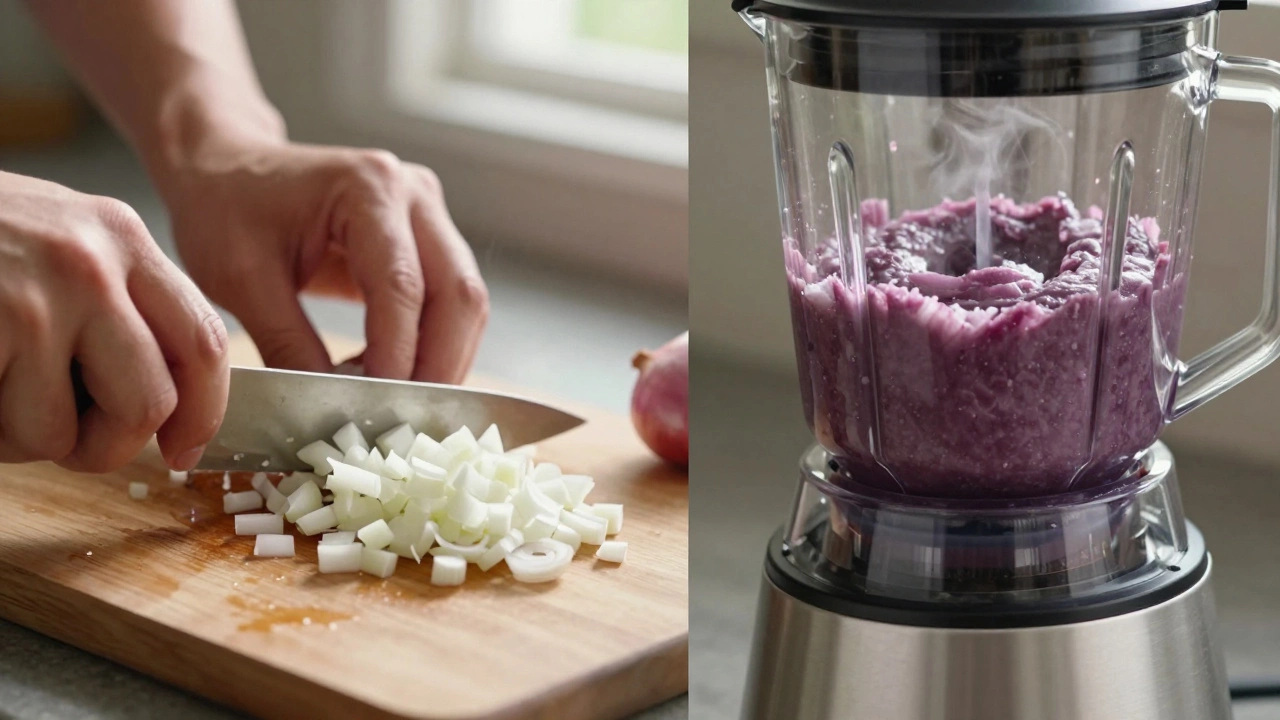
Blended Onions
The Restaurant Secret
- ✓ Smooth, velvety sauce
- ✓ Deep mahogany color
- ✓ Faster initial prep
- ✗ Requires long frying (oil separation)
Chopped Onions
The Home Cook's Choice
- ✓ Textural contrast/crunch
- ✓ Layered flavor profile
- ✓ Lighter, fresher feel
- ✗ More manual knife work
Customize Your Curry
There is a quiet war in Indian kitchens right now. It isn't about spice levels or the best brand of ghee. It is about the onion. Specifically, should you chop them finely by hand, or should you throw them into a blender and turn them into a smooth, purple-brown sludge? If you are making a chicken curry recipe, this decision changes everything. It changes how long you cook, how thick your sauce gets, and whether your dinner tastes like restaurant food or home cooking.
I have spent years testing both methods in my kitchen here in Bristol. I have made curries that were silky and rich, and others that felt heavy and cloying. The truth is, there is no single "right" answer. But there is definitely a wrong way to do it if you want a balanced dish. Before we get into the mechanics of blending, let me share a quick resource I found while researching culinary travel trends-sometimes looking at how people connect across cultures, like on this directory, reminds us that food is just one part of a larger social experience. But back to the stove, because that is where the real action happens.
The Case for Blended Onions: The Restaurant Secret
If you have ever eaten at an authentic North Indian restaurant, you have likely tasted blended onions. Most professional chefs blend their onions for a specific reason: efficiency and consistency. When you puree onions, you release all their cell walls instantly. This creates a massive amount of natural sugars and pectin.
When cooked down properly, this puree transforms into a deep, mahogany-colored gravy that coats the back of a spoon. It provides a luxurious mouthfeel that chopped onions simply cannot match. For dishes like Butter Chicken, Rogan Josh, or Korma, this smooth base is essential. The meat needs to sit in a velvety sauce, not swim in chunks of vegetable.
- Speed: Blended onions cook faster than chopped ones because they have more surface area exposed to heat.
- Color: They develop a darker, richer color when fried, which gives your curry visual appeal.
- Texture: They create a uniform sauce without any fibrous bits getting stuck in your teeth.
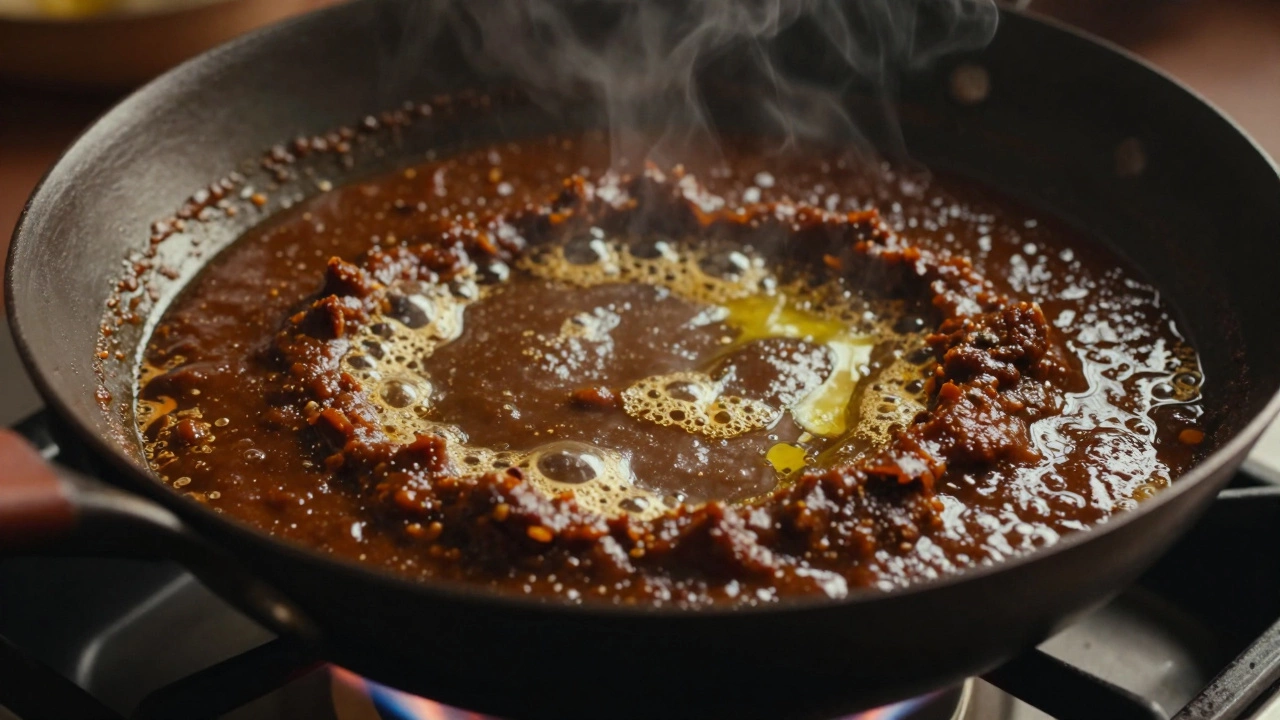
However, there is a catch. Blended onions contain a lot of water. If you rush the frying process, your curry will taste watery and raw. You must fry the onion paste until the oil separates from the mixture. This can take 15 to 20 minutes. If you skip this step, your curry will fail.
The Case for Chopped Onions: The Home Cook's Choice
Many home cooks prefer chopping onions. There is something satisfying about the rhythm of knife work. More importantly, chopped onions offer control. You decide exactly how fine or coarse you want the texture. Some people love seeing small, translucent pieces of onion in their curry. Others find blended onion sauces too thick, almost like baby food.
Chopped onions also retain more of their structural integrity. This means they provide a slight crunch or chew, which adds textural contrast to tender chicken or vegetables. In lighter curries, such as a simple chicken tikka masala or a coastal-style fish curry, chopped onions keep the dish feeling fresh and light.
Another benefit is the flavor profile. Chopped onions caramelize differently. They brown evenly, creating distinct sweet notes that stand out against the spices. Blended onions tend to merge into a single, unified flavor block. If you want your curry to have layers of taste rather than a monolithic sauce, chopping might be better for you.
How to Blend Onions Without Making a Mess
If you decide to go the blended route, technique matters. Many people make the mistake of adding too much water to their blender. This dilutes the onion flavor and makes it harder to reduce the liquid later. Here is how to do it right:
- Peel and Quarter: Cut your onions into large chunks. No need to dice them first.
- Blend Dry: Put the onion chunks in a high-speed blender. Pulse a few times to break them down.
- Add Minimal Water: Add only 1-2 tablespoons of water if necessary to help the blades spin. You want a thick puree, not a juice.
- Sift if Needed: For ultra-smooth curries, push the puree through a sieve to remove any fibrous strings. This step is optional but recommended for luxury dishes.
Once you have your puree, pour it into a hot pan with oil or ghee. Fry it on medium-low heat. Stir frequently to prevent burning. Watch for the color change. The paste will start pinkish-purple, then turn golden, and finally become a deep brown. When you see oil bubbling around the edges of the pan, you know it is done.
Comparing Blended vs. Chopped: A Quick Guide
| Feature | Blended Onions | Chopped Onions |
|---|---|---|
| Texture | Smooth, creamy, velvety | Chunky, textured, rustic |
| Cooking Time | Faster initial cook, longer reduction | Slower initial cook, less reduction needed |
| Best For | Butter Chicken, Rogan Josh, Korma | Tikka Masala, Vegetable Curries, Light Sauces |
| Flavor Profile | Deep, unified, sweet | Layered, distinct, aromatic |
| Effort Level | Low prep, high attention during frying | High prep (knife skills), low attention |
Common Mistakes to Avoid
Even experienced cooks mess up onion preparation sometimes. Here are the most frequent errors I see:
Burning the Paste: Blended onions burn quickly because the sugar concentration is high. Keep the heat moderate and stir constantly. If it smells bitter, you have gone too far.
Skipping the Oil Separation: As mentioned earlier, you must fry the onion paste until the oil separates. This indicates that the moisture has evaporated and the flavors have concentrated. If you add tomatoes or spices before this stage, your curry will be watery and bland.
Using Low-Quality Onions: Since onions are the base of your curry, their quality matters. Use fresh, firm onions with dry skins. Soft or sprouting onions will have a weaker flavor and higher water content.
When to Use Each Method
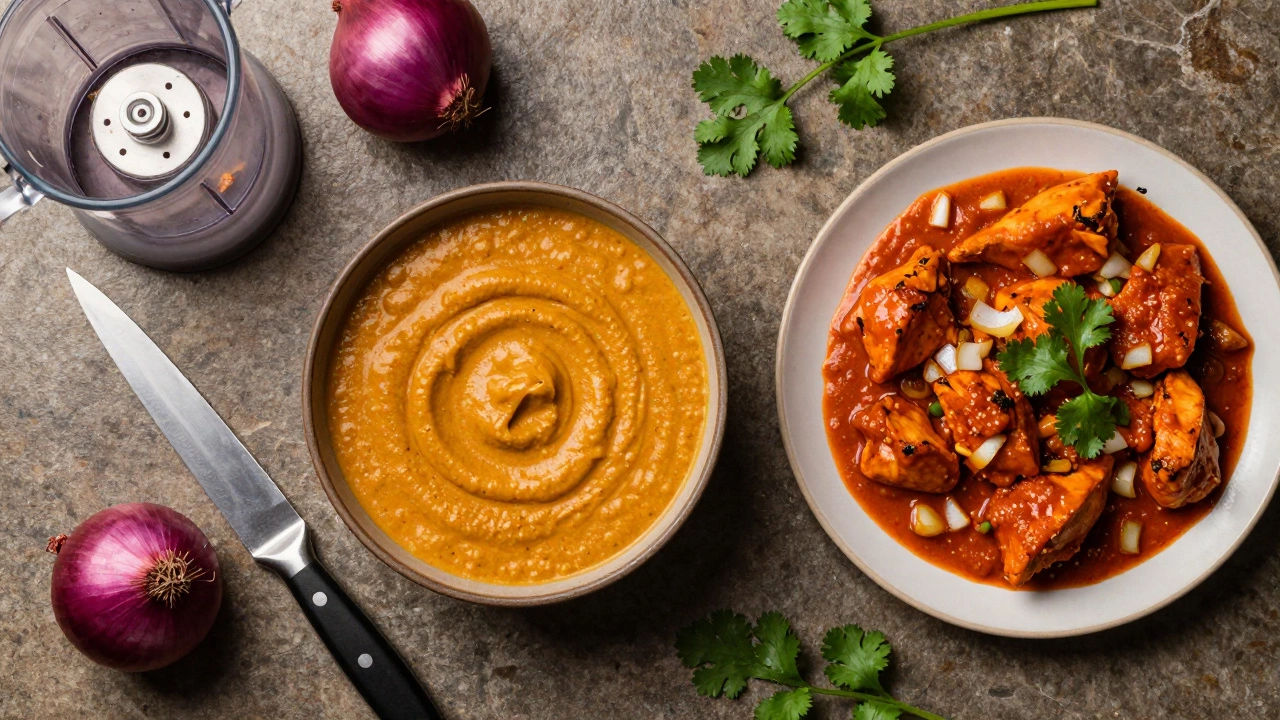
Your choice should depend on the type of curry you are making. If you are preparing a rich, slow-cooked dish with meat, blending is usually the better option. The long cooking time allows the onion puree to meld perfectly with the meat juices. For quicker weeknight meals or vegetable-based curries, chopping is often sufficient. It saves you the trouble of cleaning the blender and reduces the risk of over-reducing the sauce.
Think about your guests. Do they prefer a refined, restaurant-style experience? Go for blended. Do they enjoy hearty, home-style comfort food? Stick with chopped. There is no shame in either approach. Cooking is about personal preference and context.
Final Thoughts on Your Curry Base
In the end, the question "should I blend onions for curry?" is really asking "what kind of curry do I want to eat?" Both methods produce delicious results if executed correctly. Blended onions give you elegance and depth. Chopped onions give you character and texture. Experiment with both. Make a batch of each side-by-side. Taste the difference. Your palate will tell you what you prefer.
Remember, the onion is just the foundation. Spices, tomatoes, yogurt, and cream all play crucial roles. But getting the onion right sets the stage for everything else. So next time you stand in front of your cutting board or blender, think about the final dish you envision. Let that guide your hand-or your finger on the pulse button.
Does blending onions make curry healthier?
Not necessarily. Blending breaks down fiber slightly, which might make nutrients more accessible, but it also concentrates sugars. Chopped onions retain more fiber structure. Health-wise, the difference is negligible compared to factors like oil usage and portion size.
Can I use red onions instead of white onions for blending?
Yes, red onions are excellent for blending. They add a beautiful deep red hue to the curry and have a slightly sweeter, milder flavor than white onions. White onions are sharper and better for clear, yellow-based curries.
Why does my blended onion curry taste raw?
This usually happens because the onion paste was not fried long enough. You need to cook the puree until the oil separates from the mixture. This process removes the raw onion smell and develops the deep, savory flavors essential for a good curry.
Is it okay to mix chopped and blended onions?
Absolutely! Many chefs use a hybrid approach. They blend half the onions for a smooth base and chop the other half for texture. This gives you the best of both worlds: a rich sauce with visible onion pieces.
How long can I store blended onion paste?
You can store raw blended onion paste in the refrigerator for 2-3 days or freeze it for up to 3 months. To freeze, spread the paste on a baking sheet, freeze until solid, then transfer to a bag. This saves time on busy nights.