Indian Protein Fruit Calculator
Calculate your protein intake from these 5 Indian fruits: Jackfruit, Guava, Jamun, Ber, and Amla. These fruits contain significantly more protein than common fruits like bananas and mangoes.
When you think of Indian fruits, you probably picture mangoes, bananas, or pomegranates - sweet, juicy, and full of vitamins. But what if you’re looking for something that does more than satisfy your sweet tooth? What if you need a snack that actually helps build muscle, keeps you full longer, or supports recovery after a workout? The truth is, several Indian fruits pack a surprising punch of protein - not a lot compared to chicken or lentils, but enough to make a real difference when you’re eating them regularly as part of a balanced diet.
Why Protein From Fruit Matters
Most people think of protein as coming from eggs, dairy, or meat. But plant-based protein is just as important, especially if you’re vegetarian, vegan, or just trying to reduce animal products. Fruits aren’t usually the first choice for protein, but some Indian fruits come surprisingly close. A banana has about 1.3 grams of protein per 100 grams. Not much? But what if you eat three a day? That’s nearly 4 grams - more than a boiled egg, and without the cholesterol.
Protein from whole foods like fruit also comes with fiber, antioxidants, and natural sugars that give you steady energy. That’s better than protein powders or bars loaded with additives. And in India, where street snacks often mean fried samosas or sugary jalebis, choosing a protein-rich fruit is a smart swap.
1. Jackfruit - The Plant-Based Powerhouse
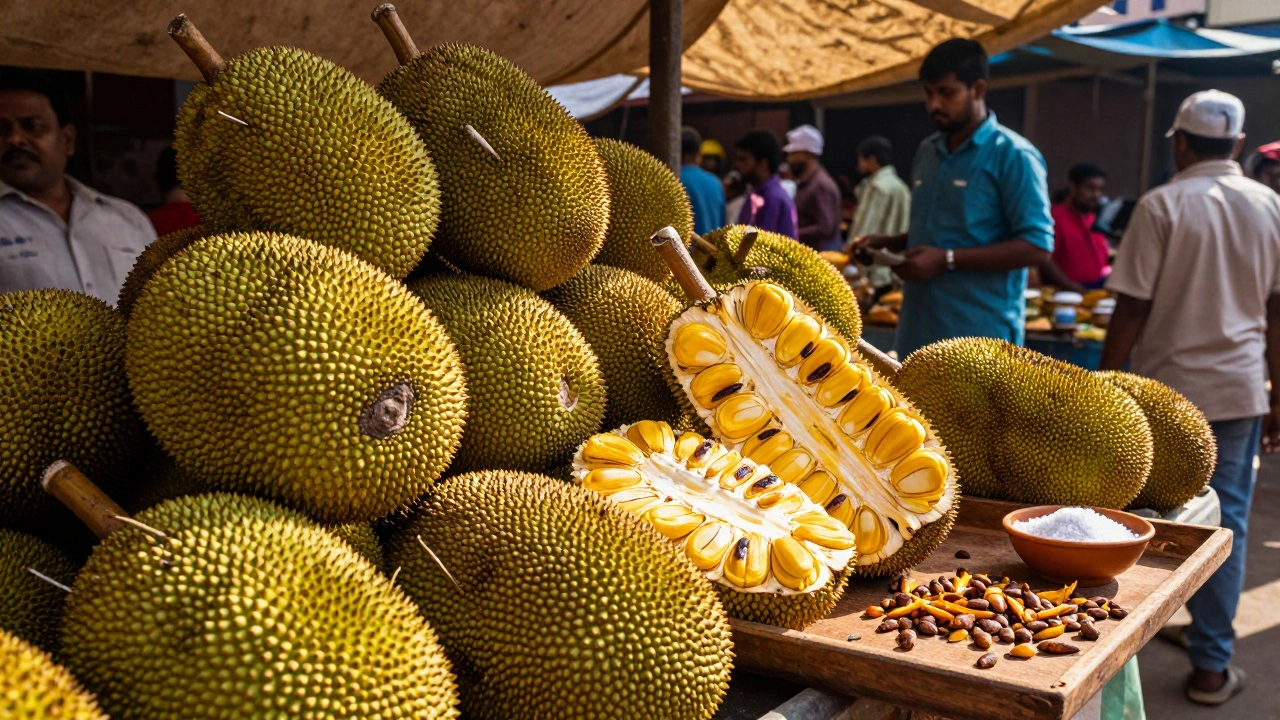
Jackfruit, or phal in Hindi, is the largest tree-borne fruit in the world. It’s common in South India, especially in Kerala and Karnataka. Raw jackfruit is often used as a meat substitute in curries, but the ripe version? That’s a sweet, chewy snack with a hidden benefit: protein.
One cup (about 165 grams) of ripe jackfruit contains around 2.8 grams of protein. That’s more than an apple, a pear, or even a banana. It also has 3 grams of fiber and is rich in vitamin C and potassium. In rural parts of Tamil Nadu, people eat ripe jackfruit as a midday snack - it keeps hunger away for hours.
And here’s the kicker: jackfruit seeds are even higher in protein. Roast them like almonds, and you get about 6.8 grams of protein per 100 grams. In Andhra Pradesh, families roast and salt jackfruit seeds as a crunchy snack - it’s like popcorn, but better for you.
2. Guava - The Vitamin C and Protein Combo
Guava is everywhere in India - from roadside stalls in Delhi to backyard trees in Maharashtra. It’s cheap, abundant, and often eaten raw with a pinch of salt and chili powder. But beyond its tangy taste, guava is one of the most nutrient-dense fruits in the country.
One medium guava (about 55 grams) gives you 1.4 grams of protein. That’s nearly double the protein of an orange. And it’s not just protein - one guava has over 200% of your daily vitamin C needs. It also has 5 grams of fiber and almost no fat.
People in Uttar Pradesh and Bihar often eat guava after workouts or as a post-lunch snack. It’s not just about protein - it’s about quick recovery and digestion. The high fiber helps gut health, and the vitamin C boosts iron absorption from your meals.
3. Indian Fig (Jamun) - The Dark Berry with Hidden Strength
Jamun, also known as Java plum or black plum, is a deep purple fruit that turns your tongue black when you eat it. It grows wild across central and southern India and is especially popular during monsoon season. Many know jamun for its blood sugar-lowering effects, but few realize it’s also a quiet protein source.
One cup (150 grams) of jamun contains 1.1 grams of protein. It might not sound like much, but when you compare it to other dark berries - like blueberries (0.7g per cup) - jamun wins. It also has 15 mg of calcium and 14 mg of magnesium, which help with muscle function.
In Rajasthan and Madhya Pradesh, jamun is dried and made into powder. People mix it with milk or yogurt in the morning. It’s a traditional remedy for weakness and fatigue - and the protein plays a small but meaningful role.
4. Ber (Indian Jujube) - The Desert Superfruit
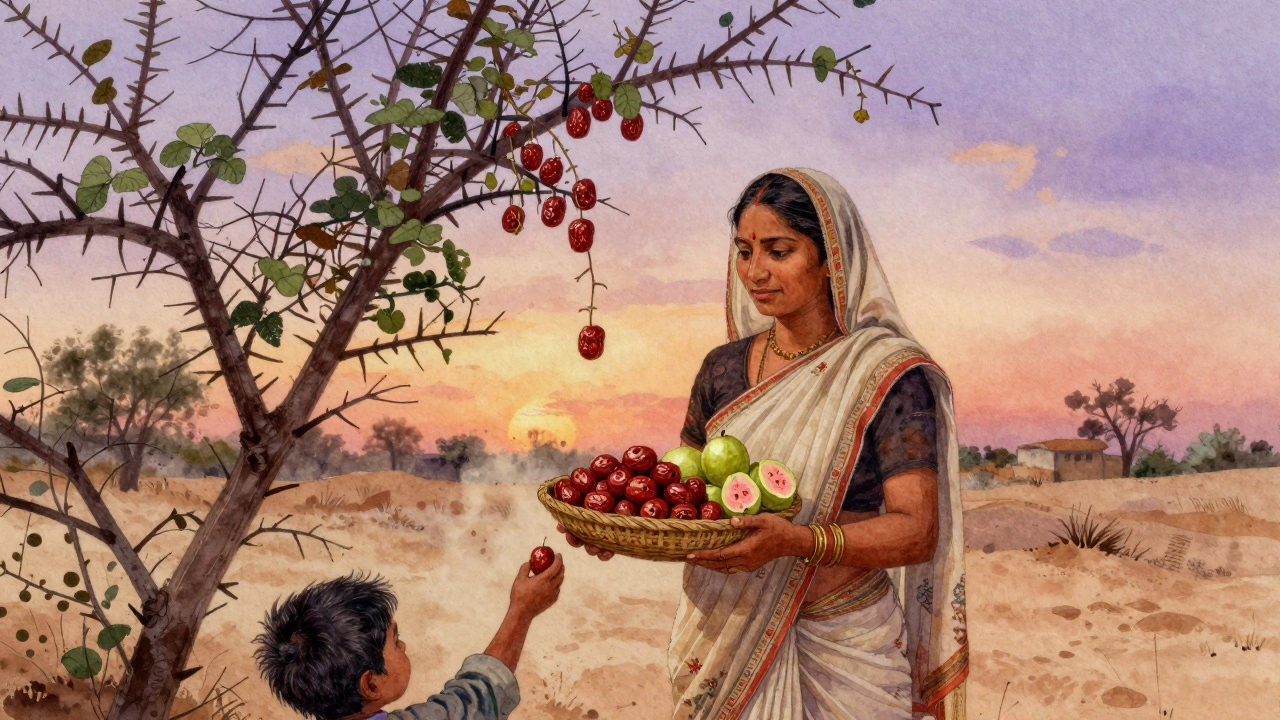
If you’ve ever traveled through Rajasthan or Gujarat, you’ve probably seen small, red-brown fruits hanging from thorny bushes. That’s ber, or Indian jujube. It’s tough, drought-resistant, and packed with nutrients. Ber is often sold dried - like raisins - and eaten as a snack.
Dried ber has 1.2 grams of protein per 100 grams. Fresh ber has slightly less, but it’s still higher than most common fruits. It’s also rich in iron, calcium, and vitamin C. In desert regions, where fresh food is scarce, ber is a lifeline - it gives energy, hydration, and protein all in one.
Women in rural Rajasthan often carry dried ber in their bags during long walks. Children snack on it after school. It’s not fancy, but it’s practical nutrition.
5. Amla (Indian Gooseberry) - The Protein Surprise
Amla is famous for its sour taste and its role in Ayurveda. It’s used in hair oils, detox drinks, and chyawanprash. But how much protein does it actually have?
One amla (about 30 grams) contains 0.5 grams of protein. That’s not a lot on its own - but here’s why it matters: amla is eaten daily by millions in India, often as a pickle, juice, or candied treat. If you eat two amlas a day, you’re getting 1 gram of protein - plus 600 mg of vitamin C and 4 grams of fiber.
In Maharashtra, families make amla murabba (candied amla) and eat it with breakfast. In Tamil Nadu, it’s juiced with ginger and honey. These aren’t just traditions - they’re smart, daily habits that add up over time.
How to Use These Fruits as Healthy Snacks
Don’t just eat these fruits raw. Turn them into snacks that fit your lifestyle:
- Roast jackfruit seeds with a little olive oil and sea salt - store them in a jar for crunch time.
- Blend ripe guava with a spoon of Greek yogurt and a dash of cinnamon - makes a high-protein smoothie.
- Make a trail mix with dried ber, roasted almonds, and a few pieces of dried jamun.
- Chew on amla candy after lunch instead of chewing gum - it helps digestion and adds protein.
- Keep a bowl of fresh guava and jackfruit on your kitchen counter - easy to grab when you’re hungry.
These aren’t exotic superfoods. They’re everyday fruits that have been part of Indian diets for centuries. The difference now? We’re finally looking at them through the lens of nutrition science - and seeing how they can help with protein intake without meat or supplements.
What About Bananas and Mangoes?
Bananas get a lot of attention for being energy-rich, and they’re fine - but they only have 1.3 grams of protein per 100 grams. Mangoes? Even less - about 0.8 grams. They’re great for quick energy and vitamins, but if protein is your goal, they’re not the top choice.
That’s why it’s better to mix them in. Have a banana with a few roasted jackfruit seeds. Eat mango with a side of guava. Combine them - don’t rely on just one.
Bottom Line: Protein Isn’t Just for Meat Eaters
You don’t need protein powders or expensive supplements to get enough protein. If you’re Indian, you already have access to fruits that naturally carry it - jackfruit, guava, jamun, ber, and amla. They’re affordable, seasonal, and culturally familiar.
Start small. Swap one processed snack a day for one of these fruits. Notice how you feel after a week. More energy? Less cravings? Better digestion? That’s the real benefit.
Protein isn’t just about muscle. It’s about staying full, staying strong, and staying healthy - and in India, the answer has been growing on trees all along.
Which Indian fruit has the most protein?
Jackfruit has the highest protein content among common Indian fruits, with about 2.8 grams per cup (165g). Its seeds are even more protein-dense, offering 6.8 grams per 100 grams when roasted. Guava and ber follow closely, making them excellent choices for plant-based protein snacks.
Can I get enough protein from fruits alone?
No, fruits alone won’t give you enough protein to meet daily needs - adult men need about 56 grams per day, and women need 46 grams. But fruits like jackfruit, guava, and ber can contribute meaningfully to your total intake, especially when paired with lentils, yogurt, nuts, or whole grains. They’re best used as part of a balanced diet, not as a sole source.
Are dried Indian fruits higher in protein than fresh ones?
Yes, because water is removed during drying, the nutrients - including protein - become more concentrated. Dried ber and dried jamun have higher protein per gram than their fresh versions. But be careful: some dried fruits have added sugar. Look for unsweetened, naturally sun-dried versions.
Is jackfruit a good protein source for vegetarians?
Yes, jackfruit - especially the seeds - is one of the best plant-based protein sources among Indian fruits. While it doesn’t replace lentils or paneer, it’s a valuable addition to vegetarian meals. Roasted jackfruit seeds make a great snack, and the flesh can be used in curries to add bulk and nutrients without meat.
Why isn’t protein in Indian fruits talked about more?
Most nutrition discussions focus on protein from dairy, eggs, or soy. Fruits are seen as sources of sugar and vitamins, not protein. But traditional diets in India have always used fruits like jackfruit and ber for energy and strength. Science is now catching up - these fruits do offer meaningful protein, especially when eaten regularly and in combination with other plant foods.
Next Steps: Try This Simple Plan
Here’s how to start eating more protein-rich Indian fruits this week:
- Buy one jackfruit and roast the seeds - eat 10 as a snack after dinner.
- Replace your afternoon candy bar with two fresh guavas.
- Keep dried ber in your bag for when you feel hungry between meals.
- Drink a glass of amla juice with breakfast - it’s easy to find in Indian grocery stores.
- At the end of the week, note how you feel - more energy? Fewer cravings? That’s your body responding to better nutrition.
You don’t need to overhaul your diet. Just swap one snack. One fruit. One day at a time. That’s how real change happens.