Biryani Aroma Checklist
Evaluate your biryani preparation against these key factors to ensure maximum fragrance.
Ever opened a pot of biryani and felt nothing? No wave of warmth, no hit of cardamom or rosewater, just... rice. It happens. We’ve all been there. You followed the recipe, you added the spices, but that signature scent-the one that makes neighbors peek through their curtains-is missing.
The smell of biryani is a complex aromatic profile created by layering fried onions, whole spices, herbs, and slow-cooked meat or vegetables under sealed steam. It’s not magic. It’s chemistry and technique. And once you know what breaks the chain, you can fix it forever.
Start With the Right Rice
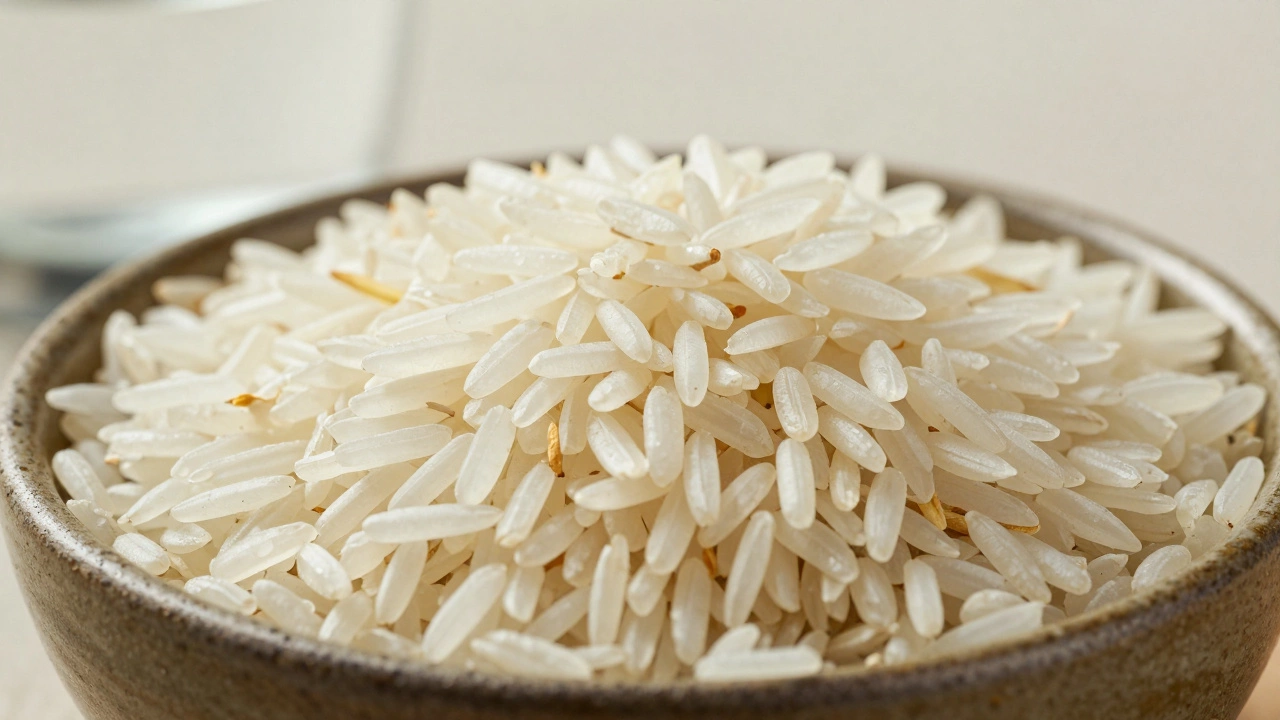
If your rice smells like cardboard, your biryani will too. Not all long-grain rice is created equal. You need Basmati rice is an aged, long-grain variety known for its distinct floral fragrance and ability to absorb flavors without breaking. But here’s the catch: it has to be old. Freshly harvested basmati (less than six months) lacks the depth because the moisture content is still high. Aged rice-ideally one year or more-has dried out slightly, which concentrates the natural oils and aromatics.
Look for brands that specify "aged" on the package. If it doesn’t say so, ask at an Indian grocery store. They’ll point you to the right bag. Also, rinse it until the water runs clear. Starch left behind creates a gummy texture and traps odors instead of releasing them.
Fry Your Onions Until They’re Dark Gold
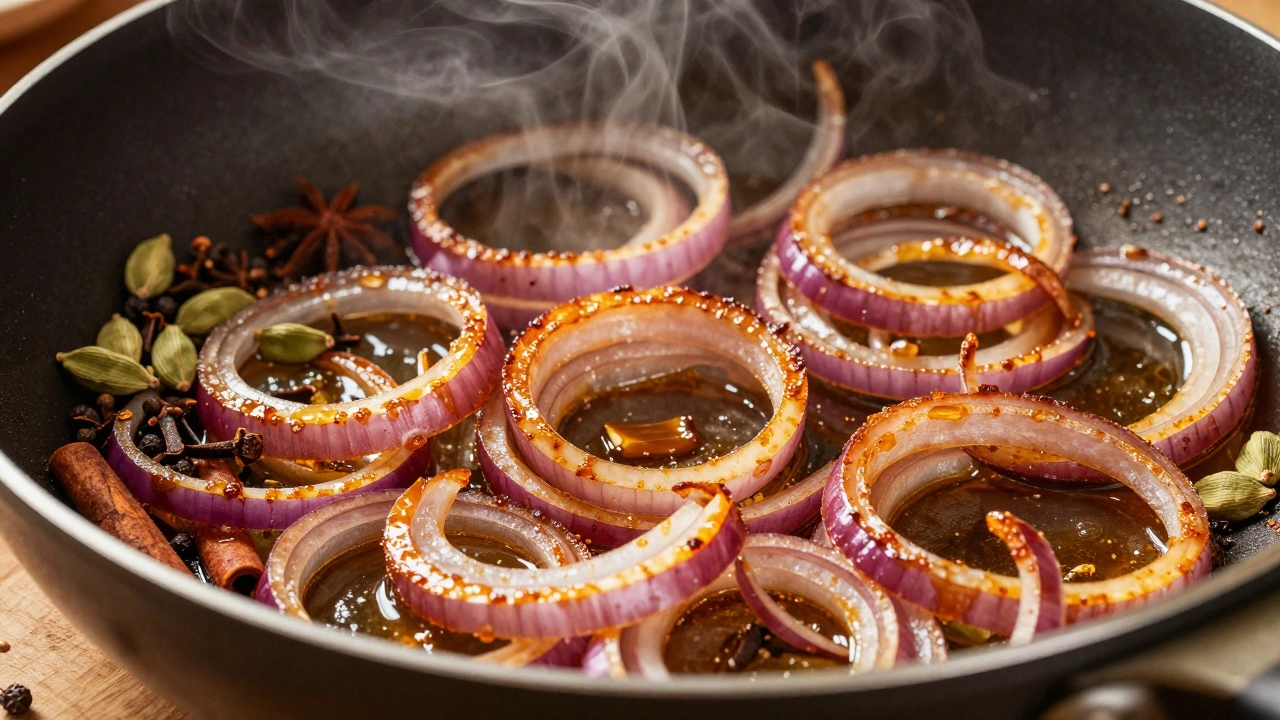
Onion bhuna isn’t just a step; it’s the foundation of flavor. Many people stop when the onions turn light brown. That’s too early. You want them dark golden, almost mahogany, with crispy edges. This takes patience-about 15-20 minutes on medium heat-but it’s worth it. The Maillard reaction happening here releases hundreds of volatile compounds that form the base note of your biryani’s aroma.
Use thin slices of red onion. They caramelize faster and have a sharper sweetness than white ones. Don’t rush this stage by cranking up the heat. Burnt onions taste bitter and ruin everything. Low and slow wins every time.
Toast Whole Spices Before Grinding
Ground spices lose potency fast. When you buy pre-ground cumin, coriander, or cardamom powder, most of the essential oils have already evaporated. Instead, use whole spices and toast them lightly in a dry pan before grinding or adding directly to the dish.
- Cloves: Add two or three per pound of rice. Too many make it medicinal.
- Green cardamom pods: Crush them gently to release the inner seeds. Their citrusy top notes lift the entire dish.
- Cinnamon sticks: Break into small pieces so they infuse evenly.
- Black pepper corns: Lightly crush them for a warm kick that complements the meat.
Toasting wakes up these spices. Heat activates their essential oils, making them far more fragrant than raw versions ever could. Just watch closely-they go from aromatic to acrid in seconds.
Don’t Skip the Saffron Milk
Saffron isn’t optional if you want authentic aroma. Yes, it’s expensive. Yes, fake saffron exists. But real threads steeped in warm milk give biryani its signature golden hue and delicate floral scent. Here’s how to do it right:
- Take a pinch of genuine Kashmiri or Spanish saffron threads.
- Warm two tablespoons of full-fat milk until hot but not boiling.
- Steep the saffron in the milk for at least ten minutes. Longer is better.
- Drizzle over the partially cooked rice during layering.
This liquid carries both color and fragrance deep into the grains. Without it, your biryani might look pale and smell flat. Some cooks add a drop of kewra water alongside saffron for extra complexity. Kewra comes from the pandanus flower and adds a subtle, sweet perfume that pairs beautifully with savory layers below.
Layer Herbs Generously
Fresh cilantro and mint aren’t garnishes-they’re core ingredients. Chop them finely and mix half into the masala while reserving the rest for layering. These herbs contribute bright, green notes that cut through richness and keep the aroma fresh rather than heavy.
Mint brings coolness; cilantro adds earthiness. Together, they balance the warmth of spices and fat. Use young leaves if possible-they’re tenderer and more flavorful than mature ones. Wash thoroughly and pat dry before chopping to avoid diluting the mixture with excess water.

Seal the Pot Properly for Dum Cooking
Dum refers to slow cooking under sealed conditions. Steam circulates inside the vessel, trapping aromas and allowing flavors to meld. If air escapes, so does your scent. Traditional methods involve sealing the rim with dough made from flour and water. Modern alternatives include using aluminum foil wrapped tightly around the lid or even a damp cloth tucked underneath.
Choose a heavy-bottomed pot with a tight-fitting lid. Pressure cookers work too, but traditional stovetop dum gives superior results because pressure forces rapid extraction, whereas gentle simmering preserves nuance. Cook on low heat for 45-60 minutes after assembling layers. Never open the lid mid-process-you’ll let all those precious vapors escape.
Add Fat Strategically
Ghee, yogurt, and fried onions carry flavor molecules better than lean proteins alone. Fat acts as a solvent for aromatic compounds, helping them spread throughout the dish. Brush each layer with melted ghee before stacking. Mix beaten yogurt into the marinade to tenderize meat and add creaminess.
But don’t overload it. Too much grease weighs down the nose. Aim for balance-enough to enhance, not suffocate. Clarified butter shines brighter than regular butter because milk solids are removed, leaving pure lipid content ready to transport scents.
| Element | Role in Aroma | Best Practice |
|---|---|---|
| Aged Basmati Rice | Provides foundational grain fragrance | Rinse well, soak briefly, cook al dente |
| Dark Fried Onions | Creates rich, caramelized base notes | Cook slowly until mahogany-colored |
| Whole Toasted Spices | Releases essential oils for depth | Toast lightly, grind fresh when needed |
| Saffron Infused Milk | Adds floral elegance and golden tint | Steep minimum 10 mins in warm milk |
| Fresh Mint & Cilantro | Brightens overall scent profile | Chop finely, layer generously |
| Ghee Layers | Carries aromatics across tiers | Brush between layers, don’t drown |
Common Mistakes Killing Your Biryani Smell
Here’s what usually goes wrong:
- Using stale spices: Check expiration dates. If yours haven’t smelled strong in months, toss them.
- Overcooking rice: Mushy grains trap odor instead of radiating it.
- Skipping resting time: Let biryani sit covered for five minutes after turning off heat. Final integration happens then.
- Opening lid too soon: Every second counts during dum phase.
- Neglecting ventilation control: Ensure your stove hood isn’t sucking away rising steam prematurely.
Also consider regional variations. Hyderabad-style biryani leans heavier on star anise and nutmeg, while Lucknowi versions emphasize rosewater and less spice intensity. Adjust accordingly based on preference.
Why does my biryani smell bland despite following the recipe?
Most likely causes include using unaged rice, under-fried onions, expired ground spices, or insufficient sealing during dum cooking. Each component contributes uniquely to final aroma-if any link fails, the whole chain weakens.
Can I substitute saffron with turmeric for color and smell?
Turmeric provides yellow pigment but zero floral aroma. While acceptable visually, it won’t replicate saffron’s nuanced scent. For budget-friendly options, try marigold petals soaked in milk-they offer mild earthiness closer to true saffron than turmeric does.
How long should I steep saffron in milk?
Minimum ten minutes, ideally thirty. Warm milk helps extract pigments and aromatics efficiently. Cold milk yields weaker infusion. Always strain before pouring over rice to prevent clumping.
Is kewra water necessary for good biryani aroma?
Not strictly required, but highly recommended. Kewra enhances existing florals without overpowering. One teaspoon per batch suffices. More turns perfumey and artificial-tasting. Available online or at South Asian grocers.
What type of pot works best for dum biryani?
Heavy-bottomed stainless steel or cast iron pots retain heat evenly and seal tightly. Avoid thin aluminum unless reinforced. Lids must fit snugly-test by placing finger under edge; if airflow feels noticeable, improve seal with foil or dough paste.
Should I add lemon juice to boost freshness?
Only as finishing touch post-cooking. Acid interferes with protein breakdown during marination and may dull spice aromas prematurely. Squeeze wedge lightly over plated portions just before serving for brightness.
Does altitude affect biryani aroma development?
Yes. Higher elevations lower boiling points, extending cook times and potentially altering evaporation rates of volatile oils. Compensate by increasing simmer duration slightly and ensuring tighter seals to compensate for thinner atmospheric pressure.
Can frozen herbs replace fresh mint and cilantro?
Partially. Frozen retains some flavor but loses crisp texture and peak aroma intensity. Reserve for emergency use only. Fresh always delivers superior sensory impact. Store bought bunches upright in glass with inch of water to extend life several days.
Why does restaurant biryani smell stronger than homemade?
Commercial kitchens often employ larger quantities of premium ingredients like aged basmati, imported saffron, and house-made spice blends toasted daily. Plus, professional exhaust systems manage steam differently, preserving internal concentration longer than home hoods allow.
How do I store leftover biryani without losing aroma?
Cool completely, transfer to airtight container, refrigerate within two hours. Reheat gently with splash of water covered tightly to revive steam. Microwave reheating degrades texture and scent significantly. Oven warming at low temp restores better integrity.