Indian Farewell Selector
Not sure whether to say "Tata," "Alvida," or "Bye"? Use this tool to find the culturally appropriate farewell based on your context.
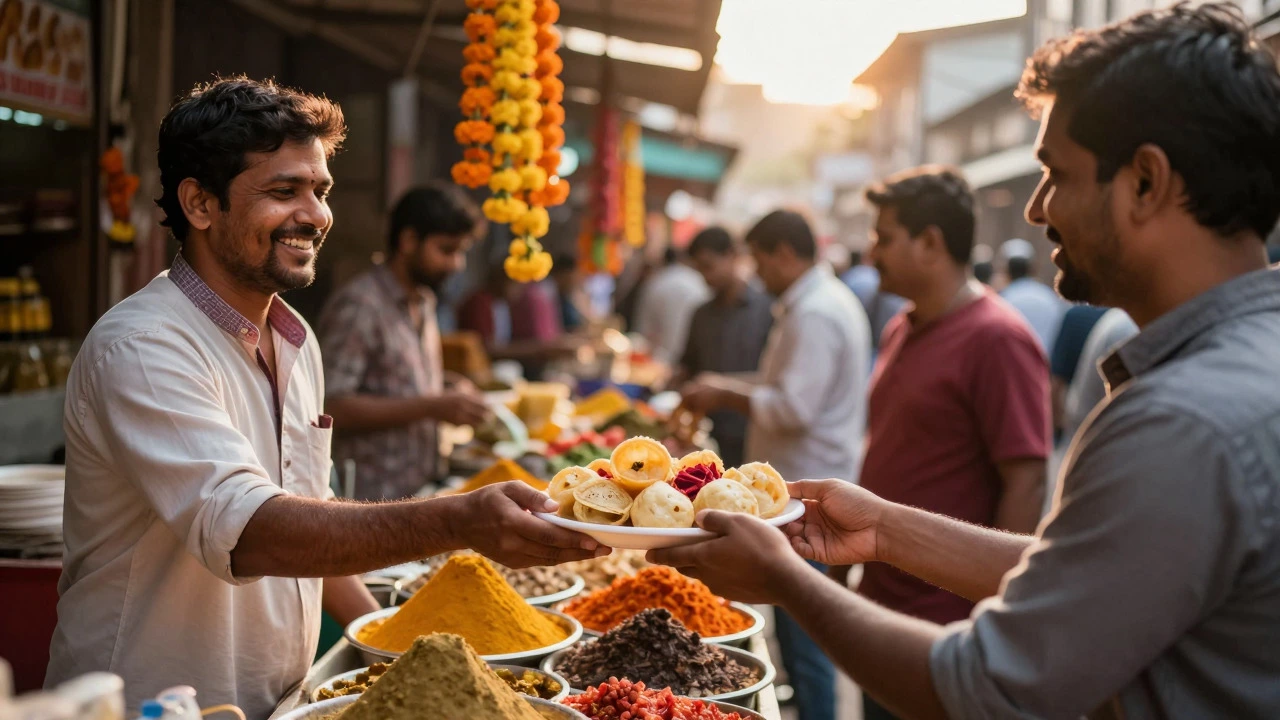
You are standing in a bustling market in Mumbai or Delhi. You just bought some spicy pani puri from a street vendor. As you turn to leave, the vendor smiles and says, "Tata." If you grew up watching Hollywood movies or living in the UK, your brain might immediately jump to the multinational conglomerate known for cars and tea. But don't worry, he isn't trying to sell you a car. He is simply saying goodbye.
If you have ever traveled to India or spent time with Indian friends, you have likely heard this word. It feels familiar yet distinctly different from the standard English "bye." Why does a country with hundreds of languages use an English-sounding word for farewell? And why does it feel so much warmer than a cold "goodbye"?
The answer lies in the unique way India has absorbed and adapted global influences into its daily culture. Let's unpack the history, the linguistics, and the social rules behind this tiny but powerful word.
The Linguistic Roots of "Tata"
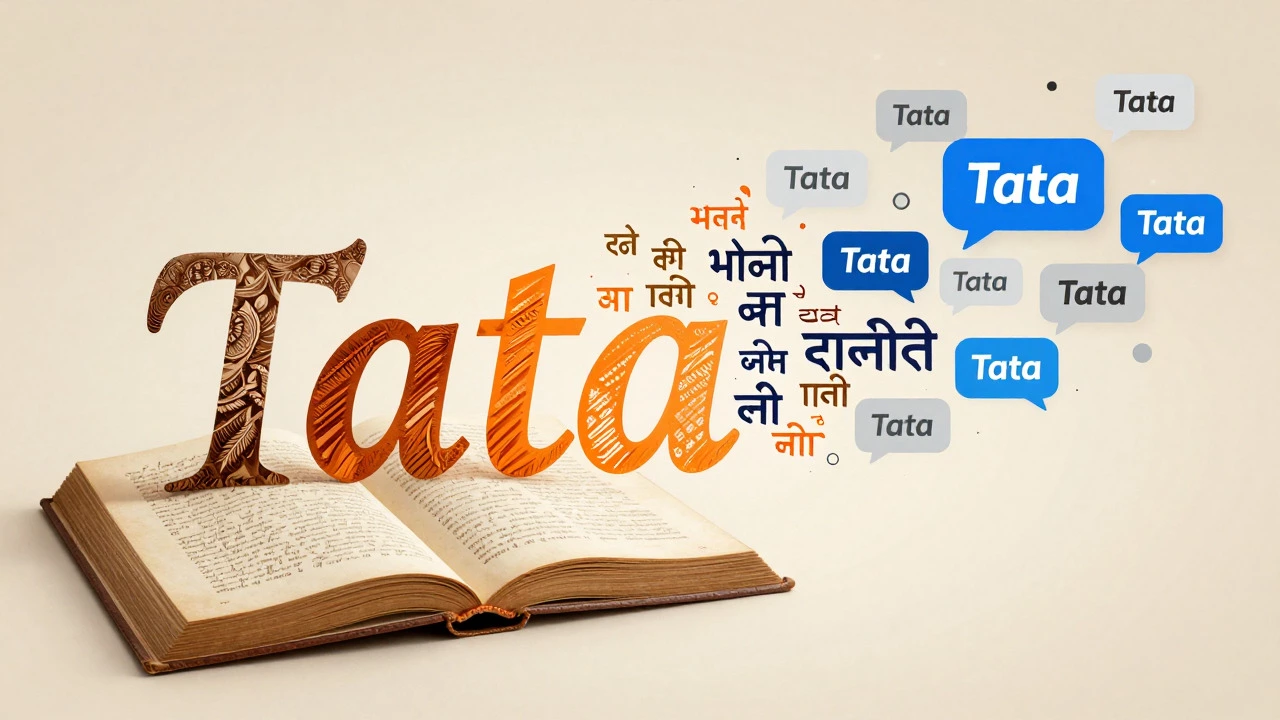
To understand why Indians say "Tata," we first need to look at where the word comes from. It is not originally an English word, nor is it native to Sanskrit, the ancient root of many Indian languages. The term "Tata" actually originates from French.
In French, the phrase "à tout à l'heure" means "see you later." Over time, in casual speech, this was shortened to "tata." During the British colonial era in India, there was significant interaction between the British administration, local elites, and European traders. The British themselves adopted "tata" as a playful, informal way to say goodbye, often influenced by their own exposure to French culture and literature.
As the British ruled India for nearly two centuries, they left a lasting imprint on the Indian subcontinent. This included infrastructure, legal systems, and language. While formal education used proper English, everyday conversation evolved into what we now call "Hinglish"-a blend of Hindi and English. Words like "ok," "sorry," "thanks," and "tata" slipped into the vernacular because they were short, easy to pronounce, and carried a specific tone that native words sometimes lacked.
| Term | Origin | Tone | Usage Context |
|---|---|---|---|
| Tata | French (via British) | Casual, Friendly | Friends, Family, Informal Settings |
| Alvida | Persian/French (Adieu) | Dramatic, Final | Long separations, Movies, Formal Goodbyes |
| Bye | English | Neutral, Quick | Professional, Brief Encounters |
| Phir Mileinge | Hindi | Hopeful, Warm | Close Friends, Family Reunions |
Why Not Just Use "Bye" or "Alvida"?
You might wonder, if India speaks Hindi, why not just use the native word for goodbye? In Hindi, the most common word for goodbye is "Alvida." However, "Alvida" carries a heavy emotional weight. It is derived from the Persian word "ala vidaa," which itself comes from the French "adieu" (meaning "to God"). Using "Alvida" implies a finality, as if you might never see the person again. It is dramatic, often reserved for movie scenes or long-term departures.
Saying "Alvida" to a shopkeeper after buying vegetables would sound overly dramatic and strange. On the other hand, the English word "Bye" is perfectly acceptable and widely understood, especially among younger generations and in urban areas. So why do people still prefer "Tata"?
The reason is nuance. "Tata" sits in a sweet spot between the heaviness of "Alvida" and the abruptness of "Bye." It is soft, rhythmic, and inherently friendly. When you say "Tata," you are signaling that the interaction is pleasant and that you expect to cross paths again. It lacks the finality of "Alvida" and the potential coldness of a quick "Bye."
Think about the phonetics. "Tata" consists of two identical syllables. This repetition creates a soothing, almost musical effect. It is easy for children to say, which is another reason it became popular. Parents teach their kids "Tata" before they learn complex grammar. By the time these children grow up, "Tata" is embedded in their subconscious as the default, safe, and warm way to end a conversation.
The Role of Media and Pop Culture
No discussion about Indian language habits is complete without mentioning Bollywood. The Indian film industry has played a massive role in standardizing certain phrases across the diverse linguistic landscape of the country. Whether you speak Tamil in the south, Bengali in the east, or Punjabi in the north, Bollywood films are watched nationwide.
In countless romantic comedies, family dramas, and even action films, characters say "Tata" when parting ways. It is portrayed as a charming, affectionate gesture. When a hero leaves his love interest, he doesn't shout "Alvida!" He whispers "Tata" with a smile. This cinematic reinforcement taught millions of viewers that "Tata" is the cool, modern, yet traditional way to say goodbye.
Television shows also contributed significantly. Sitcoms set in middle-class households featured families using "Tata" daily. Children saw their favorite TV characters using it, mimicked them, and brought the habit home. This created a feedback loop where the word became ubiquitous across all age groups and regions.

Street Food Culture and Casual Interactions
Since we are talking about street food, let's connect this back to the vibrant world of Indian street vendors. Street food in India is not just about eating; it is a social experience. You stand at a stall, chat with the vendor, watch them prepare your food, and share a moment of human connection.
When you finish your meal and pay, the transaction ends, but the relationship remains. Saying "Tata" acknowledges this ongoing, albeit casual, relationship. It is a way of saying, "Thank you for the food, I enjoyed our brief interaction, and I hope to come back." It maintains the warmth of the community spirit that defines Indian street culture.
If you were to say "Goodbye" formally, it might create an unnecessary distance. If you said nothing, it could be seen as rude. "Tata" is the perfect social lubricant. It is polite without being stiff, friendly without being intrusive. This is why you hear it everywhere: in schools, offices, markets, and homes.
Regional Variations and Alternatives
While "Tata" is universally understood, India is a land of regional diversity. Different states have their own preferred ways of saying goodbye, which reflect local cultures and languages.
- Maharashtra: People often use "Namaskar" for both hello and goodbye, depending on the context and gesture. Among friends, "Chal" (let's go) or "Tata" is common.
- Tamil Nadu: The word "Vazhkai" (life) or "Kannamma" (affectionate term) might be used in very close relationships, but "Tata" is widely accepted due to media influence.
- Bengal: "Alo" (light) is a poetic way to say goodbye, wishing the person light in their path. However, in casual settings, "Tata" is equally prevalent.
- Punjab: "Chal na" (let's go) or "Phir milenge" (we will meet again) are common. The tone is usually louder and more energetic.
Despite these regional differences, "Tata" has emerged as a neutral, pan-Indian term. It works regardless of your mother tongue, making it an essential tool for communication in a multilingual society.
How to Use "Tata" Correctly
If you are visiting India or interacting with Indian colleagues, knowing how to use "Tata" correctly can help you fit in. Here are some practical tips:
- Use it informally: Save "Tata" for friends, family, classmates, and casual acquaintances. Avoid using it in highly formal business meetings unless you have established a rapport.
- Add a smile: The word loses its charm if said flatly. Pair it with a smile or a slight wave to convey warmth.
- Don't overuse it: Like any slang, moderation is key. If you say "Tata" five times in one conversation, it sounds repetitive. Use it once at the end.
- Listen to the context: If someone says "Alvida," they might be leaving for a long trip. Respond with empathy rather than a casual "Tata."
Understanding these nuances shows respect for the culture. It demonstrates that you are not just learning words, but also understanding the emotions and social dynamics behind them.
The Evolution of Language in Modern India
Language is alive, and it changes with every generation. Today, with the rise of digital communication, new forms of goodbye are emerging. Emojis, GIFs, and voice notes have replaced some verbal farewells. Yet, "Tata" remains resilient.
Even in text messages, Indians type "Tata" frequently. It is short, requires no autocorrect, and conveys emotion efficiently. In a world where attention spans are shrinking, brevity is valued. "Tata" fits this need perfectly. It is efficient yet personal.
Moreover, as India becomes more globalized, younger Indians who study abroad or work in multinational companies continue to use "Tata." They carry it with them to London, New York, and Dubai. In these international contexts, "Tata" becomes a marker of identity. It reminds them of home, of the warmth of Indian interactions, and of the unique blend of cultures that define their heritage.
Conclusion: More Than Just a Word
So, the next time an Indian friend or vendor says "Tata" to you, remember that it is not just a translation of "bye." It is a piece of history, a nod to French origins, a product of British colonialism, and a symbol of Indian adaptability. It represents the warmth, hospitality, and social grace that are central to Indian culture.
It is a small word with a big heart. And in a country of 1.4 billion people, where connections matter deeply, that heart beats loud and clear.
Is "Tata" offensive to use in India?
No, "Tata" is not offensive. It is widely considered friendly and polite. However, avoid using it in very formal or serious situations, such as a job interview or a funeral, where a more solemn tone is appropriate.
Can foreigners use "Tata" when speaking to Indians?
Absolutely! Indians generally appreciate it when visitors make an effort to use local phrases. Using "Tata" can break the ice and show cultural awareness. Just ensure your tone is respectful and friendly.
What is the difference between "Tata" and "Bye" in Indian English?
"Bye" is neutral and can sometimes feel abrupt or cold. "Tata" is softer, more affectionate, and implies a closer connection or expectation of future meetings. It is often used among friends and family.
Does "Tata" mean anything else in India?
In addition to the greeting, "Tata" refers to the Tata Group, one of India's largest and most respected multinational conglomerates. Context usually makes the meaning clear. If someone mentions "Tata Motors," they are talking about the company, not saying goodbye.
Is "Tata" used in all Indian languages?
Yes, "Tata" is understood across all major Indian languages, including Hindi, Tamil, Telugu, Bengali, and Marathi. While each language has its own native words for goodbye, "Tata" serves as a common, unifying term in casual conversations.