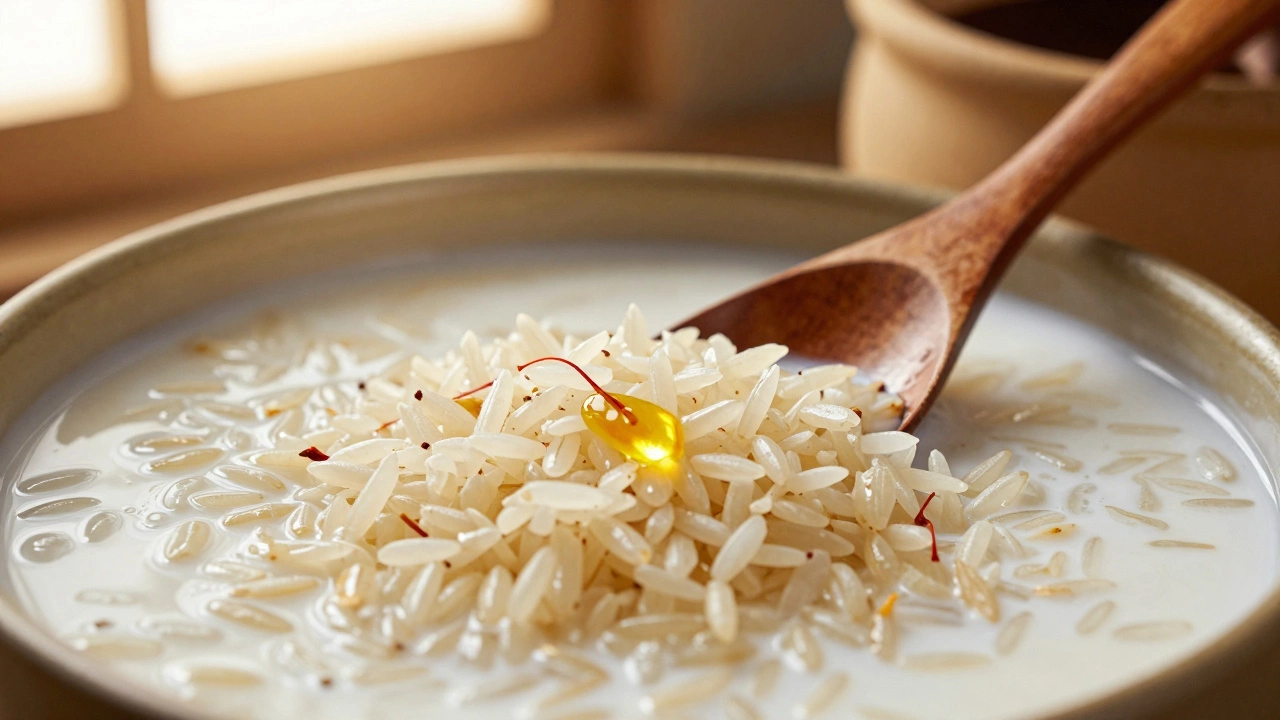
Biryani Rice Water Calculator
Rice Water Calculator
Why This Ratio Matters
Using the correct water ratio is crucial for authentic biryani texture. Too much water makes the rice mushy and clumpy, while too little leaves it undercooked and crunchy.
(As per article: "For parboiled basmati, use 1:1.25")
Key tip: This ratio is for parboiled rice that's 70% cooked before layering.
Using the wrong ratio is one of the top reasons biryani turns out soggy or dry.
Nothing ruins a good meal faster than a disappointing biryani. You’ve followed the recipe, used fresh spices, marinated the meat for hours - yet the rice is mushy, the meat is dry, and the flavors are flat. Sound familiar? Making biryani isn’t just about following steps. It’s about understanding how heat, timing, and layering work together. And most people mess it up in the same few ways.
Using the wrong rice
The biggest mistake? Using regular long-grain rice instead of basmati. Biryani needs rice that stays separate, fragrant, and slightly chewy. Basmati rice has a natural elongation when cooked, and its low starch content keeps the grains from sticking. If you use jasmine, short-grain, or even generic long-grain rice, you’ll end up with clumpy, gummy rice that turns to paste under steam.
Here’s what works: aged basmati rice, preferably 1-2 years old. Older rice has less moisture, so it absorbs water more evenly. Rinse it until the water runs clear - at least 4-5 times. Soak it for 30 minutes before cooking. Skip this step, and the grains won’t cook evenly. Half will be underdone, half will be overcooked.
Overcooking the rice before layering
Many people boil the rice until it’s fully cooked before layering it with meat and spices. That’s a fatal error. Biryani gets its texture from the final steam (dum cooking). If the rice is already 90% done, it turns to mush under pressure.
The right way: parboil the rice until it’s 70% cooked. That means the grains should still have a hard center when you bite one. When you layer it with meat and seal the pot, the residual heat finishes the cooking. The rice absorbs the meat juices, spices, and saffron water without falling apart.
Not layering properly
Biryani isn’t just a mix. It’s a layered dish. The order matters. Too many people dump everything into one pot and stir. That’s not biryani - that’s rice with meat on top.
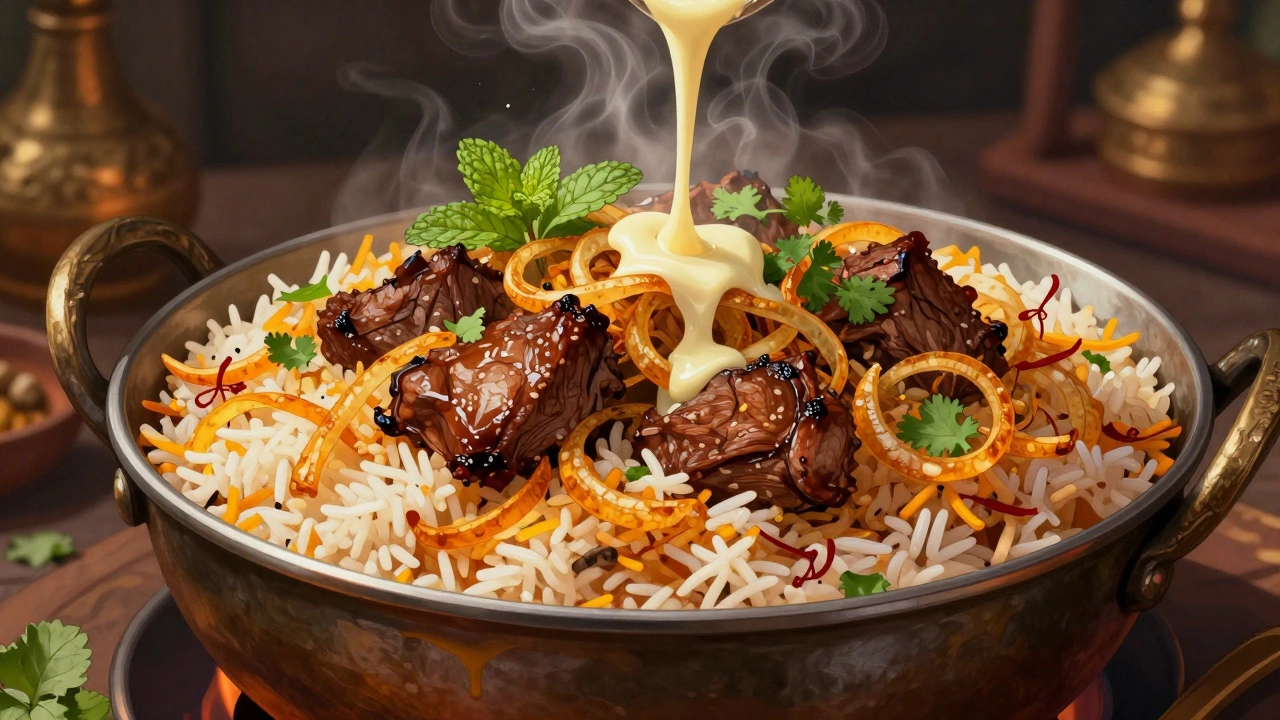
Proper layering: Start with a thin layer of rice at the bottom to prevent sticking. Then add half the meat mixture, followed by fried onions, mint, coriander, saffron milk, and ghee. Then another layer of rice, then the rest of the meat, then more herbs and saffron. Top it off with a final sprinkle of fried onions and a drizzle of ghee. Seal the pot with dough or a tight lid. This creates steam pockets that infuse flavor evenly.
If you skip the layers, you get uneven flavor. Some bites are spicy, others are bland. The herbs don’t distribute. The onions don’t caramelize into the rice.
Using too much water
Water is the silent killer of biryani. Too much, and the rice turns to porridge. Too little, and it’s crunchy. The ratio isn’t 1:2 like regular rice. For parboiled basmati, use 1:1.25. That’s 1 cup rice to 1.25 cups water - not more.
And don’t add water after layering. The moisture comes from the meat juices and the steam trapped inside. If you add extra water, you’re drowning the dish. The spices lose their punch. The aroma fades. The texture dies.
Skipping the dum process
Dum means slow steaming. It’s not optional. It’s the soul of biryani. If you skip it, you’re just serving hot rice and meat.
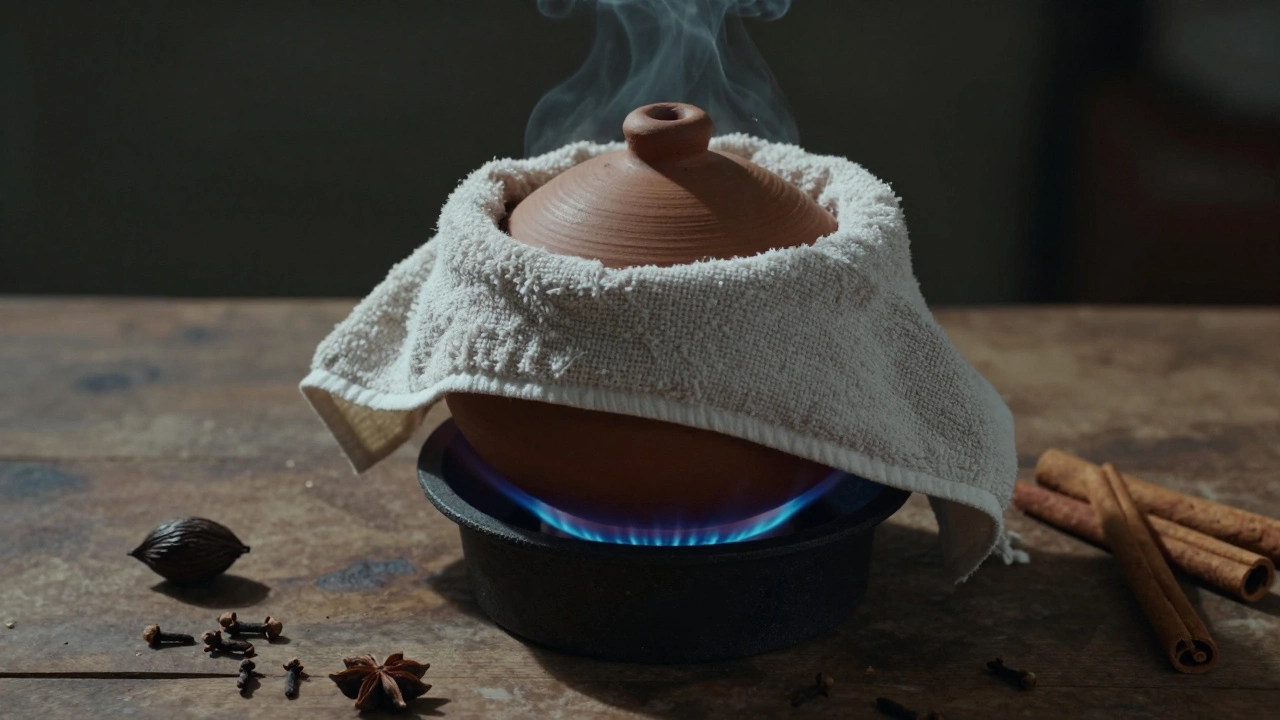
After layering, seal the pot with a lid and wrap it in a thick towel or aluminum foil. Place it on low heat for 20-30 minutes. Some use a tawa (griddle) under the pot to distribute heat evenly. Others put it in a preheated oven at 160°C. Either way, you need trapped steam and gentle heat to meld the flavors.
If you open the lid too early, you lose the fragrance. The rice doesn’t absorb the meat’s richness. The saffron and cardamom don’t bloom. The biryani tastes flat - like leftovers, not a celebration dish.
Using low-quality spices or pre-ground powder
Spices are the heartbeat of biryani. But most people use stale, pre-ground masalas from the supermarket. Ground cumin, coriander, and garam masala lose their oils within weeks. What you’re tasting isn’t spice - it’s dust.
Use whole spices: cardamom pods, cloves, cinnamon sticks, bay leaves, star anise. Toast them lightly in ghee before grinding. Or add them whole to the oil when frying onions. Let them bloom. That’s where the flavor comes from.
For garam masala, grind your own. Cinnamon, black cardamom, cloves, nutmeg, and peppercorns - toasted and ground fresh. Store in an airtight jar. It lasts 2 months. Pre-made packets? They’re 6 months old at best. You’re not cooking. You’re reheating.
Not browning the meat properly
Marinating meat in yogurt and spices is good. But if you don’t sear it first, you’re missing half the flavor. Browning creates Maillard reactions - the chemical magic that turns simple meat into something rich and deep.
Don’t crowd the pan. Cook the meat in batches. Let it sit undisturbed for 3-4 minutes until it caramelizes. Flip it. Do it again. This step takes time, but it’s what separates restaurant-quality biryani from home-cooked disappointment.
Raw or boiled meat in biryani? It tastes like boiled chicken with rice. No depth. No soul.
Adding too many ingredients
Biryani isn’t a buffet. It’s a focused dish. Some people throw in potatoes, boiled eggs, peas, carrots, even tomatoes. That’s not biryani - that’s a confused curry.
Traditional biryani has three core components: rice, meat (chicken, mutton, or beef), and spices. Fried onions, saffron, mint, and coriander are the only extras. Everything else dilutes the flavor.
Try it once without potatoes or peas. You’ll taste the difference. The meat sings. The rice breathes. The spices don’t fight each other.
Not letting it rest
Open the pot right after dum cooking? Big mistake. Let it sit for 10-15 minutes before fluffing. The steam redistributes. The flavors settle. The rice firms up slightly.
Fluff it gently with a fork. Don’t stir. You want to separate, not smash. If you dig in too soon, the top layer sticks to the bottom. The herbs clump. The rice breaks.
Resting isn’t a suggestion. It’s part of the cooking process.
What to do if your biryani already went wrong
Maybe you’ve already made it and it’s too wet. Too dry. Too bland. Here’s how to fix it:
- Too wet? Spread it on a baking tray and put it in a 150°C oven for 10 minutes. Let the steam escape.
- Too dry? Drizzle warm saffron milk or stock over the top, cover, and let it sit for 5 minutes.
- Too bland? Sprinkle a pinch of salt, a dash of lemon juice, and a few fried onions on top. The acidity and crunch revive it.
These aren’t perfect fixes - but they’re better than throwing it out.
Final tip: Taste as you go
Don’t wait until the end to check flavor. Taste the meat after marinating. Taste the rice after parboiling. Taste the fried onions. Adjust salt, spice, and acidity at every stage. Biryani isn’t a set-it-and-forget-it dish. It’s a conversation between ingredients. Listen to it.
Can I use jasmine rice instead of basmati for biryani?
No. Jasmine rice is stickier and more aromatic than basmati, but it doesn’t hold its shape well under steam. Biryani needs long, separate grains that stay firm. Basmati is the only rice that delivers that texture. Jasmine will turn your biryani into a rice pudding.
Why is my biryani rice undercooked in the middle?
You likely didn’t soak the rice before cooking, or you used fresh basmati instead of aged. Fresh basmati has more moisture and takes longer to cook. Soaking helps it absorb water evenly. Also, check your heat - if it’s too high during dum cooking, the top cooks fast while the bottom stays raw. Use low, even heat.
Should I fry the onions before adding them to biryani?
Yes. Raw onions add sharpness, not sweetness. Fry them slowly in ghee until they turn deep golden brown - almost caramelized. That’s where the signature richness comes from. Burnt onions taste bitter. Undercooked ones taste raw. Aim for sweet, soft, and crisp.
Can I make biryani in a rice cooker?
Not properly. A rice cooker can’t create the layered steam environment biryani needs. You can cook the rice and meat separately, then mix them - but you won’t get the authentic dum flavor. The aroma, the texture, the depth - all come from sealing the pot and slow steaming. Skip the rice cooker if you want real biryani.
How long can I store leftover biryani?
Store it in an airtight container in the fridge for up to 3 days. Reheat gently with a splash of water or saffron milk, covered, on low heat. Don’t microwave it - the rice turns rubbery. The best way is to steam it again for 10 minutes. The flavors actually improve overnight.