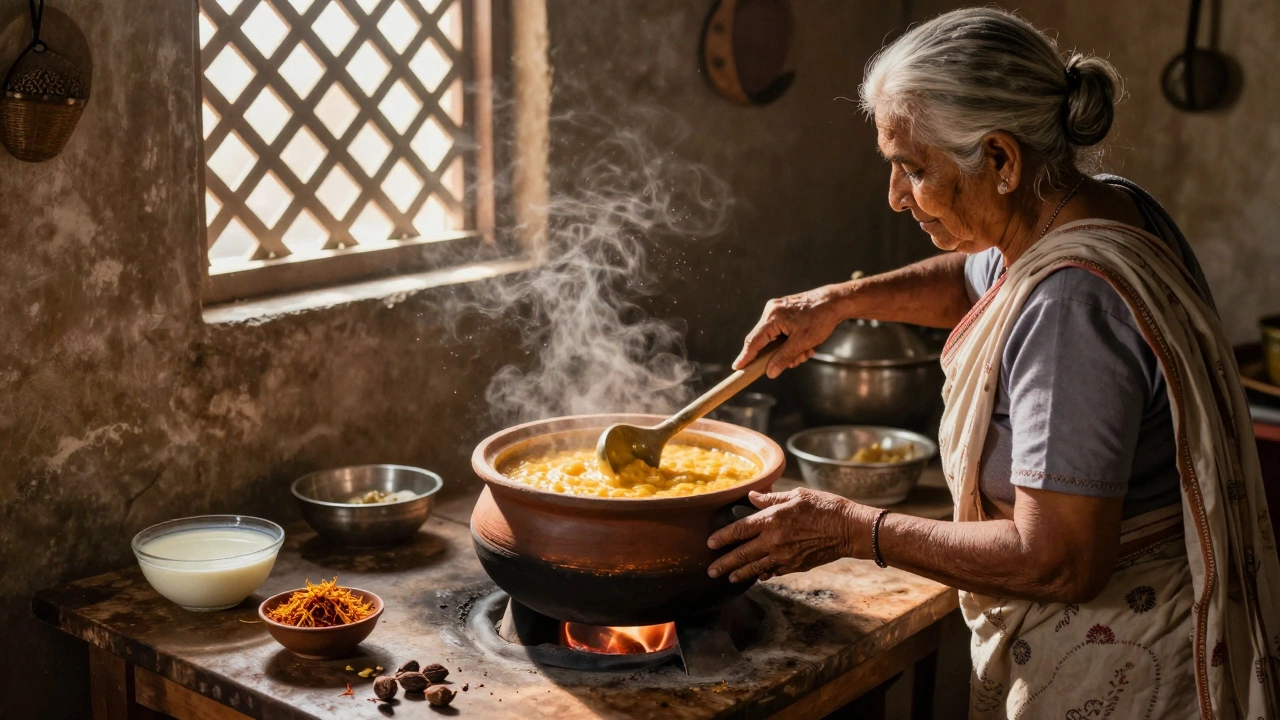
Discover Your Forgotten Indian Sweet
Modern sweets are convenient, but they lack soul. Which labor-intensive, flavorful, forgotten treasure is meant for you? Answer 3 questions to find out.
Sweet Name
Description goes here.
Key Characteristics
The Traditional Secret
Secret info.
Most people think they know Indian sweets. They picture bright orange ladoos, sticky jalebis, or dense gulab jamuns soaking in sugar syrup. But if you travel beyond the big cities and ask grandmothers in rural villages what they made for festivals fifty years ago, you get a very different story. India has hundreds of regional desserts that have vanished from modern menus. These forgotten treats were once staples of weddings and harvest celebrations. Today, they are hard to find even in specialty sweet shops.
Why did these recipes disappear? It’s not because they tasted bad. In fact, many are more complex and flavorful than their modern counterparts. The shift happened because of convenience. Modern sweets like rasgulla and rasmalai can be mass-produced quickly. Forgotten desserts often require hours of hand-churning milk, specific seasonal ingredients, or unique cooking vessels like clay pots. As life sped up, these labor-intensive traditions faded into memory.
The Lost Gems of North India
In the northern plains, dairy is king. For centuries, families churned fresh buffalo milk daily. This created rich byproducts that formed the base of incredible desserts. One such treasure is Kheer Makhani, which is a luxurious pudding made from reduced cream and ghee rather than just milk and rice. Unlike regular kheer, this version involves boiling cream until it separates into butter and a thick, custard-like residue. That residue is then sweetened with saffron and cardamom. It tastes like a cross between panna cotta and clotted cream. You rarely see this outside of royal kitchens in Rajasthan and Punjab.
Another northern gem is Gajak, specifically the sesame and jaggery variety from Gujarat and Maharashtra. While peanut gajak is common today, the original sesame versions had distinct textures based on the region. Some were brittle and sharp; others were soft and chewy. The key was using cold-pressed sesame oil and unrefined jaggery. Modern factories use refined sugar and vegetable oils, which changes the flavor profile entirely. The authentic version has a nutty, earthy depth that refined sugar simply cannot replicate.
| Ingredient | Traditional Method | Modern Mass Production | Flavor Impact |
|---|---|---|---|
| Sweetener | Jaggery (Gur) or Palm Sugar | Refined White Sugar | Earthy, mineral-rich notes vs. flat sweetness |
| Dairy Base | Fresh Buffalo Milk/Cream | Powdered Milk or Skim Milk | Rich, fatty mouthfeel vs. lighter texture |
| Fats | Ghee or Sesame Oil | Vegetable Oil or Margarine | Aromatic depth vs. neutral taste |
| Spices | Freshly Ground Cardamom/Saffron | Artificial Flavorings | Complex aroma vs. one-dimensional scent |
South India’s Caramelized Secrets
Move south, and the landscape changes. Coconut and rice become the stars. One of the most overlooked desserts here is Payasam Variations, particularly those made with vermicelli (sevai) or broken wheat (daliya). While rice payasam is standard, the grain-based versions offer a chewier texture and absorb flavors differently. In Kerala, they make a version called Elaneer Payasam using young coconut water and flesh. It’s light, refreshing, and naturally sweet without needing excessive sugar. This dessert is almost extinct in urban areas because young coconuts are expensive and labor-intensive to prepare.
Another southern treasure is Mysore Pak, but not the dry, crumbly version sold in boxes. Authentic Mysore Pak is moist, melts in your mouth, and has a glossy sheen. The secret lies in the ratio of gram flour to ghee. Traditional recipes use equal parts, requiring careful stirring over low heat for an hour. If you rush it, it becomes hard. Most shop-bought versions cut corners by reducing ghee, resulting in a drier product. Making it at home requires patience, but the reward is a dessert that feels like eating warm, spiced fudge.
The East’s Fermented Delights
In Bengal and Odisha, fermentation plays a huge role in cuisine, including desserts. Nolen Gurer Payesh is famous, but its cousin, Nolen Gur Laddu, is far rarer. These laddus are made exclusively during winter when date palm sap is harvested. The sap is boiled down into a dark, caramel-like syrup. When mixed with roasted chana dal (split chickpeas), it creates a sweet that isn’t overly sugary. It has a smoky, fruity complexity. Because the sap season lasts only six weeks, these sweets are unavailable for most of the year. Many younger Indians have never tasted them.
Also worth mentioning is Rasagola, but specifically the small, cottage-style version known as Cheaper Rasagola or Bhapa Puri-style sweets. Wait, let’s correct that-Bhapa Puri is savory. Let’s talk about Rosh Malai. While Rosh Malai exists today, the traditional method involved curdling milk with lemon juice and churning the chenna (cottage cheese) by hand for hours until it became silky smooth. Modern machines do this in minutes, but the texture suffers. Hand-churned chenna has a granular yet creamy consistency that machine-made versions lack. Pairing this with a rose-water-infused milk reduction creates a dessert that is floral, tangy, and incredibly delicate.
West India’s Nutty Traditions
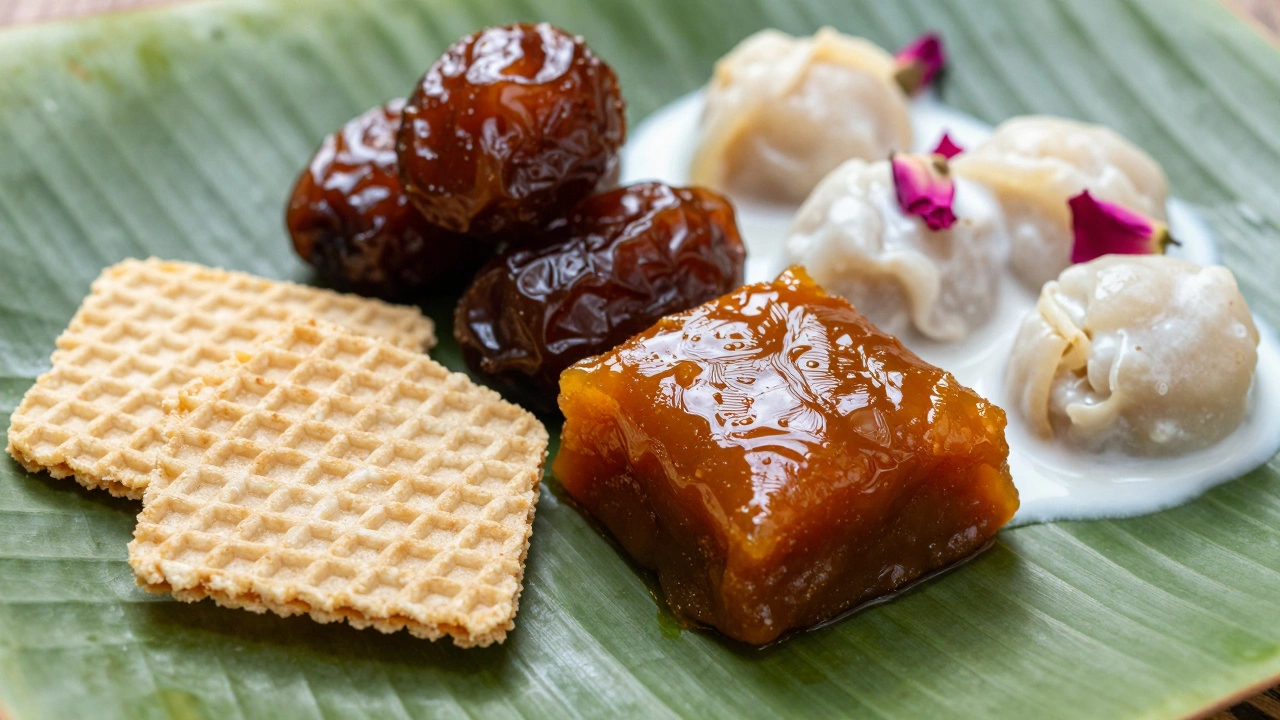
Gujarat and Maharashtra love nuts and seeds. Anarsa is a crisp, diamond-shaped wafer made from rice flour and jaggery. It’s often served with tea. What makes it special is the texture-it shatters when you bite it. Most commercial versions are too hard or too soft. The trick is baking them in a tawa (griddle) at the perfect temperature so they puff up slightly before crisping. Another gem is Shrikhand, but not the strained yogurt version you buy in jars. Traditional Shrikhand is hung in muslin cloth for days to drain every drop of whey, resulting in a dense, cheesecake-like consistency. It’s flavored with saffron, cardamom, and sometimes mango pulp. The jarred versions are watery by comparison.
How to Cook These Forgotten Sweets at Home
You don’t need a professional kitchen to make these desserts. You do need patience and the right ingredients. Here is a simple guide to reviving Mysore Pak at home, as it is one of the easiest to start with.
- Roast the Gram Flour: Take 1 cup of fine besan (gram flour). Roast it in a pan on medium heat for 10-15 minutes. Keep stirring constantly. It should turn golden brown and smell nutty. Do not burn it.
- Melt the Sugar Syrup: In another pot, dissolve 1 cup of sugar in 1/2 cup of water. Bring it to a boil. Cook until it reaches a "soft ball" stage. To test this, drop a little syrup into cold water. It should form a soft ball that flattens when pressed.
- Combine Carefully: Pour the hot sugar syrup into the roasted gram flour all at once. Stir vigorously. Then, add 1 cup of melted ghee gradually while continuing to stir.
- Cook Until It Separates: Keep stirring on low heat. The mixture will bubble and thicken. After about 20 minutes, it will start to separate from the sides of the pan and look glossy. This is the critical moment.
- Mold and Cool: Grease a plate with ghee. Pour the hot mixture onto it. Press it down gently. Cut into squares while it is still warm. Let it cool completely before serving.
The key to success is temperature control. If the sugar syrup is too thin, the pak will be sticky. If it’s too thick, it will be hard. Practice makes perfect.
Where to Find Authentic Ingredients
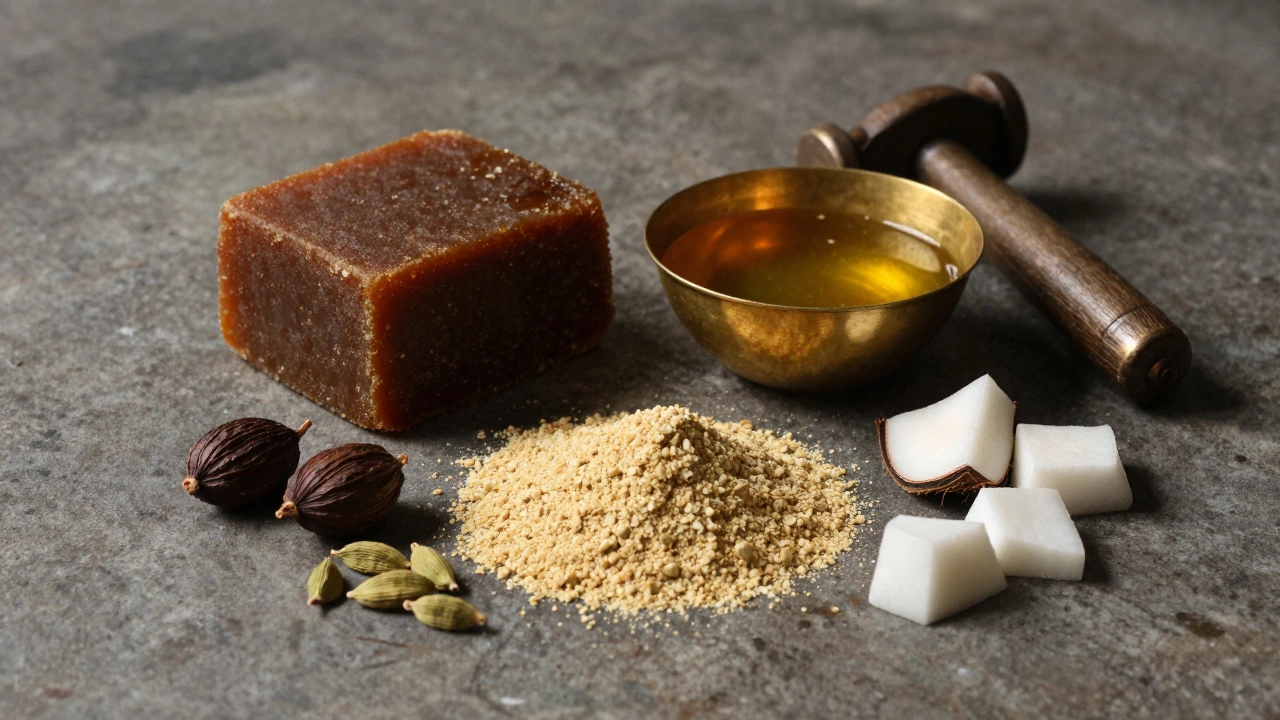
To make these forgotten desserts, you need high-quality raw materials. Here is what to look for:
- Fresh Chenna: Buy full-fat milk and curdle it yourself with lemon juice. Store-bought paneer is often too dry.
- Unrefined Jaggery: Look for block jaggery, not powdered. Grate it yourself for better texture. Avoid jaggery with visible impurities.
- Desi Ghee: Use cow or buffalo ghee clarified at home. Commercial ghee often contains additives that affect taste.
- Whole Spices: Buy whole cardamom pods and saffron strands. Grind them fresh. Pre-ground spices lose potency quickly.
If you live outside India, visit local South Asian grocery stores. Ask for "traditional" or "village-style" products. Sometimes, you may need to order online from specialized suppliers who source directly from farms.
Preserving Culinary Heritage
Why bother making these forgotten desserts? It’s not just about nostalgia. Each recipe represents a connection to the land, climate, and culture of a specific region. When we lose these recipes, we lose a part of our history. Moreover, many of these sweets use natural, minimally processed ingredients. They are often healthier than their modern counterparts because they rely on natural sugars and healthy fats like ghee and nuts.
Start small. Pick one recipe each month. Share it with friends and family. Ask older relatives for their tips. Document the process. By keeping these traditions alive, we ensure that future generations can experience the true diversity of Indian cuisine. Don’t let these delicious memories fade away.
Why are traditional Indian sweets disappearing?
Traditional sweets are disappearing due to the rise of mass production. Modern factories prioritize speed and shelf-life over flavor and texture. Recipes that require hours of manual labor, such as hand-churning chenna or slow-cooking ghee, are being replaced by quicker, mechanized methods. Additionally, changing dietary habits and the availability of global snacks have reduced demand for time-intensive homemade treats.
Can I make Mysore Pak without ghee?
Technically, yes, but the result will not be authentic. Ghee provides the signature melt-in-the-mouth texture and rich aroma. Substitutes like vegetable oil or butter will make the pak harder and less flavorful. For the best experience, use pure desi ghee. If you must avoid dairy, try using a high-quality vegan butter substitute, though the taste will differ significantly.
What is the difference between jaggery and sugar in sweets?
Jaggery (gur) is unrefined cane sugar that retains molasses and minerals. It has a deeper, caramel-like flavor and a darker color compared to white sugar. Using jaggery adds complexity and earthiness to desserts. White sugar provides a clean, sharp sweetness but lacks depth. Traditional recipes often specify jaggery to achieve the desired balance of flavors.
Where can I find Nolen Gur (date palm jaggery)?
Nolen Gur is seasonal and primarily available in West Bengal and Bangladesh during winter (December to February). Outside this region and season, it is difficult to find fresh. However, some online retailers sell preserved Nolen Gur paste or blocks year-round. Check specialty South Asian grocery websites or importers that focus on Bengali products. Always verify the harvest date to ensure freshness.
Are forgotten Indian desserts healthier than modern ones?
Generally, yes. Traditional sweets often use whole ingredients like nuts, seeds, fresh dairy, and unrefined sugars. They contain fewer preservatives and artificial colors. However, they are still high in calories and sugar. Moderation is key. The health benefit comes from the quality of ingredients rather than low calorie content. For example, a sesame gajak provides iron and calcium, whereas a colored candy offers empty calories.