Why Jains Avoid Root Vegetables
When you hear that Jains, a religious community in India that practices extreme non-violence. Also known as Jainas, they follow a path where even the smallest life form matters. avoid eating potatoes, onions, garlic, and carrots, it might sound strange. But for them, it’s not about taste or health—it’s about ahimsa, the core principle of non-violence that guides every action. Root vegetables are pulled from the ground, and in doing so, countless tiny organisms, insects, and microbes are killed. Even the plant itself dies completely when uprooted. That’s why Jains choose foods that can be harvested without killing the whole plant—like fruits, leaves, and seeds.
This isn’t just about food. It’s about how you live. Jain philosophy, a system of thought that values all life equally, from bacteria to humans. teaches that every living being has a soul and deserves respect. Eating a potato means ending one life. Eating a mango means taking what the tree willingly offers. That’s the difference. Even the soil is seen as alive, full of unseen creatures. So Jains avoid digging, farming root crops themselves, and often avoid eating food prepared by others who do. This extends to their daily routines—many Jains filter water, sweep paths before walking, and wear masks to avoid inhaling insects. It’s not extreme to them. It’s the only way to live with true compassion.
People outside Jainism often think this is too strict. But ask a Jain: would you eat a tomato if you knew it required killing a thousand tiny lives? The answer isn’t about diet. It’s about conscience. And that’s why this rule has lasted over 2,500 years. You won’t find Jains in kitchens peeling garlic or chopping onions. You won’t find them in markets buying potatoes. Instead, you’ll find them eating lentils, rice, dairy, and leafy greens—all chosen carefully to minimize harm. This isn’t a trend. It’s a way of being. Below, you’ll find posts that explore how food, religion, and daily life connect in India—whether it’s why dosa batter ferments naturally, how paneer is made from milk, or what makes Indian sweets so deeply tied to tradition. These aren’t just recipes. They’re stories about how people live what they believe.
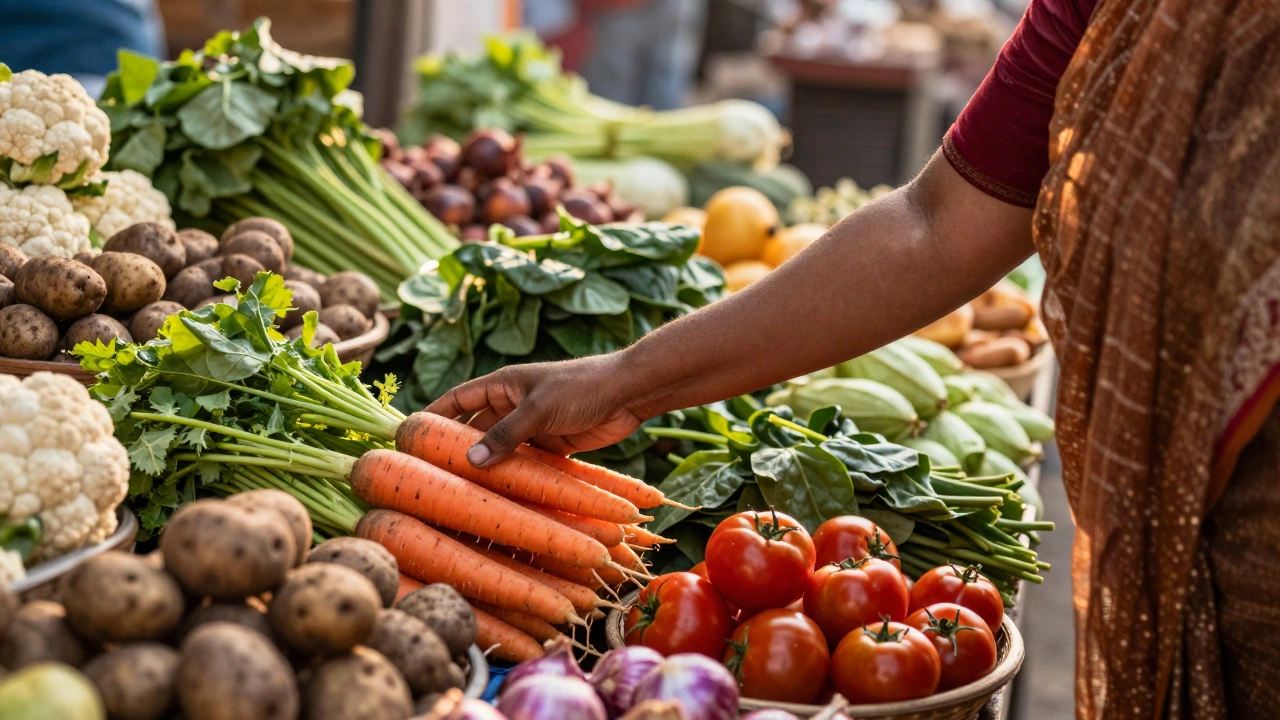
Why Jains don't eat carrot? Understanding Jain dietary restrictions and root vegetables
Jains avoid carrots and other root vegetables due to their belief in non-violence toward all living beings. This practice stems from spiritual principles, not diet trends, and reflects a deep commitment to minimizing harm in everyday life.
Read More