Why Dosa Batter Tastes Sour: The Science Behind Fermentation
When dosa batter turns sour, it’s not spoiled—it’s fermented, a natural process where good bacteria break down starches and sugars in rice and lentils, producing lactic acid that gives dosa its signature tang. This sourness isn’t a flaw; it’s the sign of healthy fermentation, the same process behind yogurt, kimchi, and sourdough bread. Without it, your dosa won’t puff up, won’t crisp at the edges, and won’t have that deep, complex flavor Indian households have relied on for generations.
That sour taste comes mostly from lactic acid bacteria, a group of microorganisms naturally present on rice and urad dal that become active in warm, moist conditions. These bacteria eat the sugars in the batter, multiply, and release acid as a byproduct. The longer the batter ferments—usually 8 to 12 hours in warm climates—the more sour it gets. Temperature matters: in colder weather, fermentation slows, so you might need to leave it near a warm stove or in a closed oven with the light on. Too cold, and your batter stays flat and bland. Too hot, and it can turn overly sour or even develop off-flavors.
Some people think adding yeast or vinegar speeds things up, but that kills the real magic. Traditional fermentation, using just rice, urad dal, water, and time, creates not just flavor but also digestibility. The acid breaks down phytic acid, making nutrients in the grains more available to your body. It also pre-digests starches, so your gut doesn’t have to work as hard. That’s why fermented dosa is easier on the stomach than plain rice batter. And yes, the sourness fades a little when you cook it—what’s left is a balanced, tangy depth you can’t fake with lemon juice or citric acid.
Not all sourness is good, though. If your batter smells like rotten eggs, has mold spots, or tastes bitter instead of tangy, it’s gone bad. That’s usually from contamination or leaving it too long in humid heat. But if it just smells yeasty, looks bubbly, and has a clean sour punch? You’ve nailed it. The key is consistency: same rice-to-dal ratio, same soaking time, same warm spot every time. That’s how you get batter that rises predictably and tastes like the dosas your grandma made.
Below, you’ll find real fixes for common problems—why your batter won’t ferment, how to rescue over-soured batter, what happens if you skip soaking the dal, and why some people swear by adding fenugreek seeds. No fluff. Just the facts that actually change your dosa game.
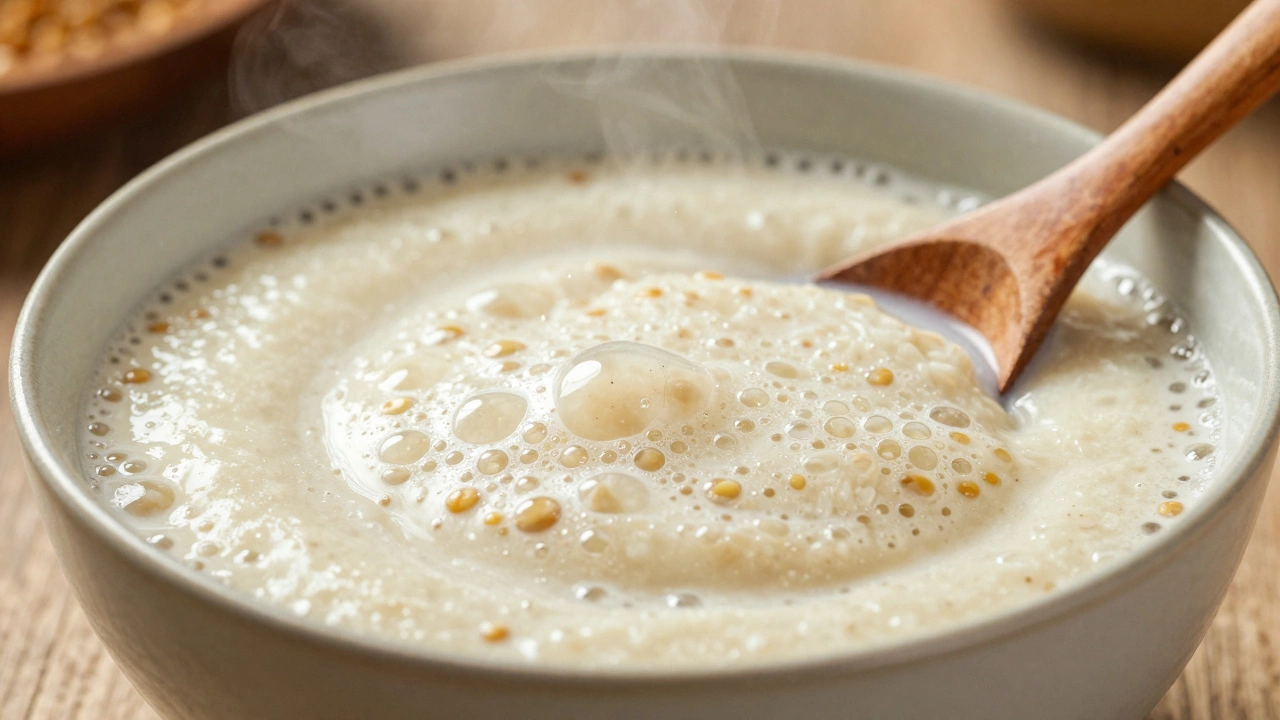
Why Dosa Batter Becomes Sour: The Science Behind Fermentation
Dosa batter becomes sour due to natural fermentation by lactic acid bacteria, which improves flavor, texture, and digestion. Learn why this happens, how to control it, and how to fix common problems.
Read More