Vegetarian Dishes: Easy Indian Recipes with Milk, Lentils, and Spices
When you think of vegetarian dishes, meals made without meat but rich in flavor, texture, and tradition. Also known as plant-based Indian meals, they form the heart of daily eating in millions of Indian homes. These aren’t just salads or side dishes—they’re full meals built around paneer, a fresh Indian cheese made by curdling milk with lemon juice or vinegar, dal, lentils cooked slow and served with rice or roti, and fermented batters, like those used for dosas and idlis, which turn simple rice and lentils into tangy, crispy, or fluffy staples. You won’t find meat here, but you’ll find depth—creamy yogurt sauces, spiced chickpeas, caramelized onions, and slow-cooked spices that make every bite feel like comfort.
What makes Indian vegetarian food so powerful is how it turns humble ingredients into something unforgettable. A cup of milk becomes paneer, then turns into a buttery curry. Lentils, soaked overnight, become dal that pairs perfectly with rice or flatbread. Fermented batter doesn’t just rise—it transforms, giving dosas their crisp edges and idlis their light, airy texture. These aren’t tricks. They’re traditions passed down through generations, built on patience and understanding. You don’t need fancy tools. Just good ingredients, a little time, and the willingness to let things ferment, simmer, or crisp up on their own.
Some of these dishes are tied to culture and belief. Jains avoid root vegetables like carrots because of their commitment to non-violence, which shapes entire meals around leafy greens, legumes, and dairy. Others, like biryani, are layered with spices and rice but made vegetarian by swapping meat for potatoes, peas, or nuts. Even breakfasts like poha and upma are vegetarian by default, fueled by tradition, not trend. And when you finish a meal, it’s often rounded out with a sweet like rasgulla or kheer—both made with milk, sugar, and cardamom, and eaten for celebration, not just dessert.
Below, you’ll find real answers to real cooking problems: Why won’t your dosa crisp up? What’s the best acid for homemade paneer? How long should you soak dal? Why does your biryani turn out soggy? These aren’t theory questions—they’re kitchen frustrations. And each post here gives you a fix, not a lecture. Whether you’re cooking for your family, hosting guests, or just trying to eat better, this collection gives you the tools to make Indian vegetarian food taste like it should—rich, balanced, and deeply satisfying.
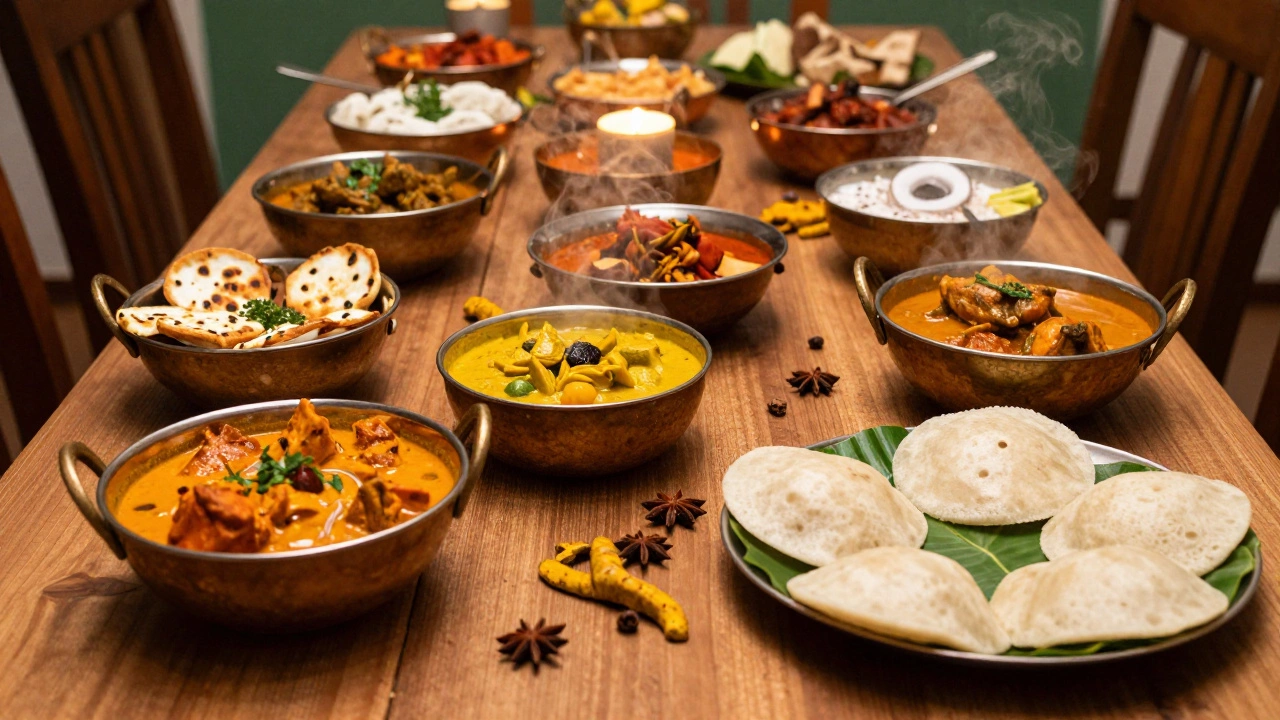
What Is the Best Indian Entree? A Guide to Perfect Main Dishes
Discover the top contenders for the best Indian entree, comparing iconic dishes like Butter Chicken and Dal Makhani. Learn how to match regional flavors to your palate.
Read More
Which Country Embraces Pure Vegetarianism?
Exploring the global landscape of vegetarianism, certain countries stand out for their dedication to a plant-based diet. India, in particular, embraces vegetarianism as a core part of its culture, with vibrant dishes full of flavor and variety. From the streets of Mumbai to small villages, the richness in vegetarian choices is fascinating. This article delves into the country's tradition of vegetarianism and offers tips on enjoying it to the fullest.
Read More