Safe Street Food in India
When you think of safe street food, food sold openly by vendors on sidewalks and markets, often freshly cooked and served hot. Also known as roadside eating, it's the heartbeat of Indian urban life—where flavor meets function, and hunger gets solved in minutes. The idea that street food is risky? That’s a myth. Millions eat it daily without issue. The real question isn’t whether it’s safe—it’s how to pick the right stall and know what to look for.
Indian street food, a vibrant mix of regional snacks like pani puri, chaat, vada pav, and kebabs, sold by local vendors across cities and towns thrives on freshness. The best stalls are the ones with long lines—not because they’re trendy, but because locals know the food is hot, cooked to order, and turned over fast. Heat kills bacteria. If the food is sizzling on the griddle when you get it, you’re already ahead. Avoid anything sitting under a plastic cover for hours. Look for vendors who use clean gloves, fresh oil, and boil their water for drinks. Bottled water isn’t just a suggestion—it’s non-negotiable. Even ice? Skip it unless you’re sure it’s made from purified water.
food poisoning prevention, the set of practical habits that reduce risk when eating outside, especially in places with warm climates and high humidity isn’t about fear. It’s about awareness. Choose vendors who cook in front of you. Watch how they handle money and food—do they wash hands? Do they use separate tongs for raw and cooked items? Don’t be shy to ask. Most will appreciate your interest. Also, go for foods that are fried, grilled, or boiled—these are safer than raw salads or uncooked chutneys. A crispy samosa? Great. A room-temperature chutney platter? Skip it. And if you’re new to spicy food, start mild. Your stomach will thank you.
There’s a reason why travel health India, the set of precautions and knowledge travelers need to avoid illness while eating and drinking in India is a top search topic. People worry. But the truth? You’re more likely to get sick from a hotel buffet left out all day than from a busy street cart. The busiest stalls have the highest turnover—meaning food doesn’t sit. It’s made fresh for each customer. That’s your best defense. Also, don’t forget hygiene basics: carry hand sanitizer, avoid drinking tap water even in hotels, and if you’re unsure, go for hot tea or bottled drinks. Your body adapts faster than you think.
And here’s something most guides won’t tell you: the slang word "Theekha"—used by vendors to mean "okay" or "got it"—isn’t just a phrase. It’s a signal. When you hear it, you’re talking to someone who knows their craft. Use it back. It builds trust. And trust means better food.
Below, you’ll find real advice from people who’ve eaten their way across India—without getting sick. From how to pick the right dosa stall to why paneer from broken milk can be safe if made right, these posts cut through the noise. No fluff. No fearmongering. Just what works.
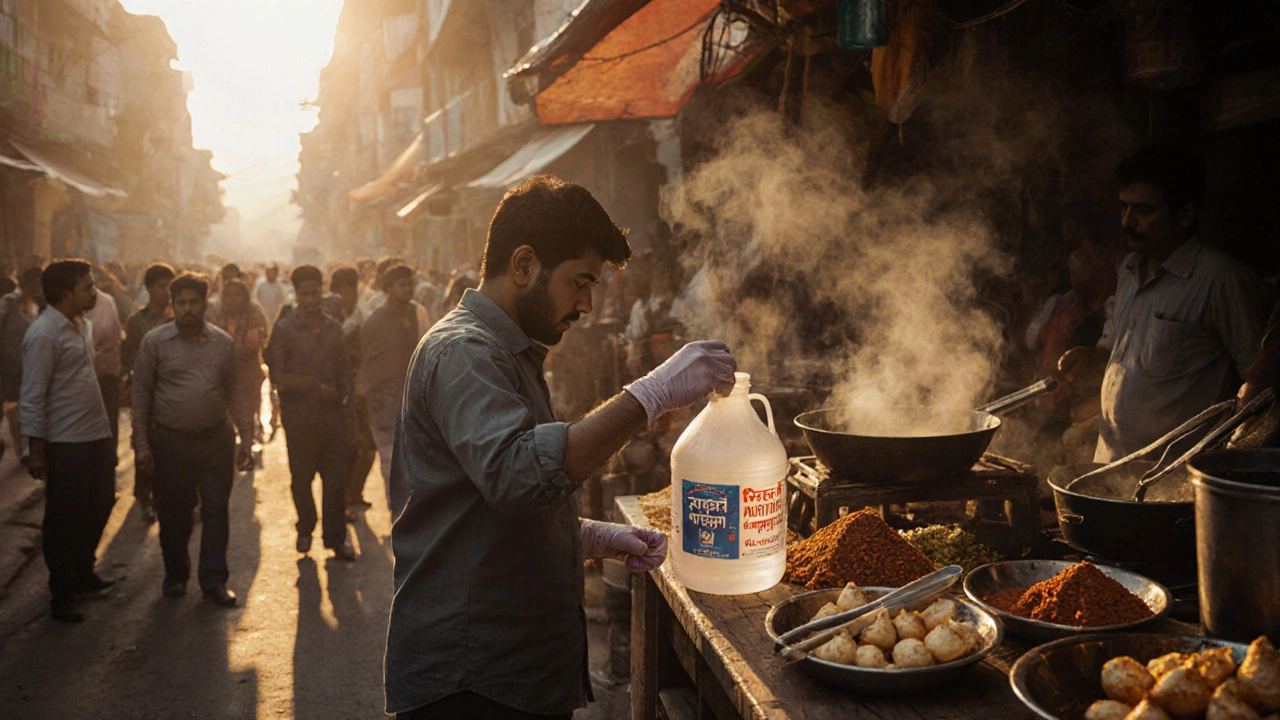
Is It Safe to Eat Street Food in India? A Practical Guide for Travelers
Is it safe to eat street food in India? Yes-if you know what to look for. Learn which foods are safest, how to spot clean vendors, what to avoid, and what to do if you get sick. No fear, just smart choices.
Read More