Ruined Biryani: Why It Happens and How to Fix It
When your ruined biryani, a dish meant to be fragrant, layered, and rich in flavor turns out mushy, dry, or tasteless, it’s not just disappointing—it’s frustrating. Biryani isn’t supposed to be hard, but one wrong step—too much water, wrong heat, or skipping the dum—can ruin everything. This isn’t about talent. It’s about timing, technique, and knowing what went wrong.
Most biryani mistakes, common errors that lead to texture and flavor failures happen because people rush the layers. The rice gets overcooked before the meat even finishes. Or the spices burn because the pot was too hot. Sometimes, the yogurt or milk curdles because it wasn’t whisked right. Even the biryani recipe, a layered cooking method using spiced rice, meat, and saffron can fail if you skip resting time. No one teaches you that biryani needs silence after it’s sealed—no peeking, no stirring. That’s when the magic happens.
But here’s the good news: a ruined biryani isn’t trash. You can fix it. If the rice is soggy, spread it out and let it dry on a tray. If the meat’s dry, mix in a splash of warm milk or cream and let it sit. If it’s bland? A sprinkle of garam masala, a drizzle of rose water, and a pinch of saffron can bring it back. Even the burnt bottom? Scrape it off, mix the good parts, and serve it with raita. People have been saving biryani for generations. You don’t need a chef’s knife—just patience and a little know-how.
Below, you’ll find real stories from people who turned their biryani disasters into wins. Some fixed it with simple swaps. Others learned why their rice turned to paste. A few even discovered how broken milk can still make great paneer—and how that same milk might’ve ruined their biryani if used wrong. These aren’t theory posts. These are fixes that worked, tested in real kitchens, with real families who refused to throw food away.
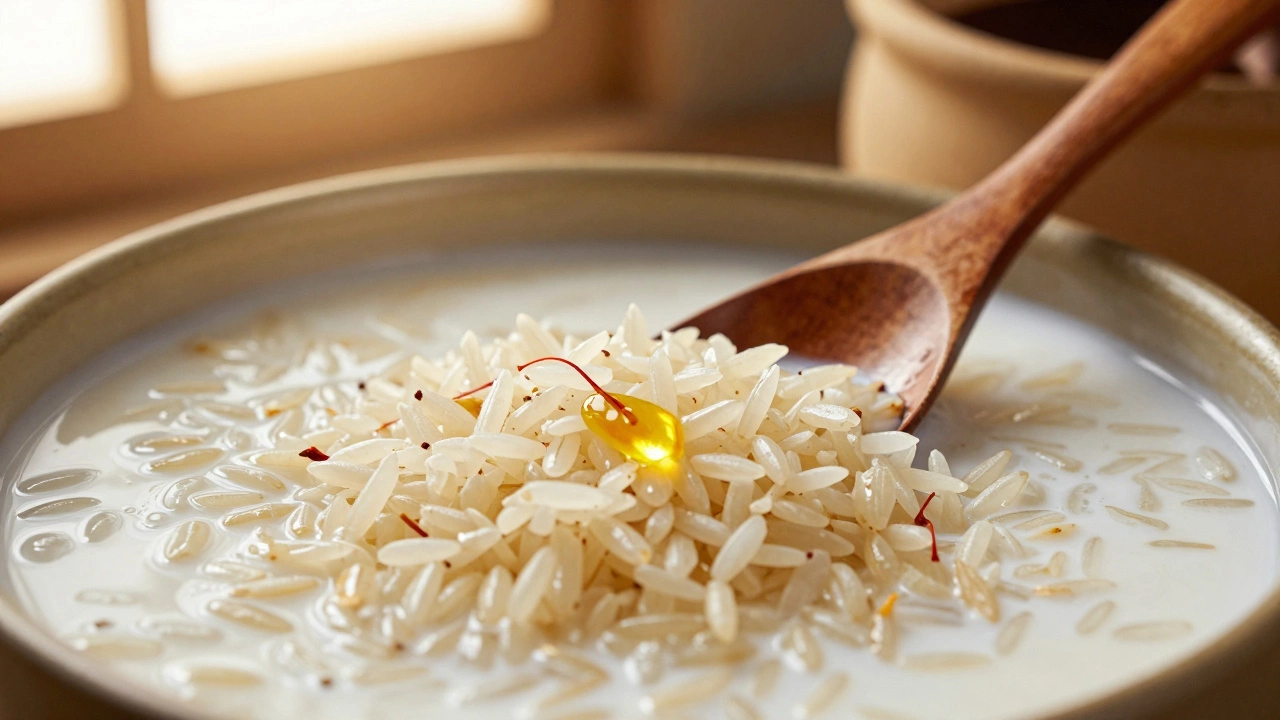
What Are the Mistakes While Making Biryani? Common Errors and How to Fix Them
Avoid these common biryani mistakes - wrong rice, overcooked grains, skipping dum cooking, and poor layering - to make restaurant-quality biryani at home every time.
Read More